Skip to content

Stiff, rigid jeans dig into your waist and restrict your movement. You want to look good in denim but feel comfortable all day. Stretch jeans offer the perfect solution you have been looking for.
Absolutely. For everyday use, men's stretch jeans1 are worth it because they offer superior comfort and flexibility. They move with your body, prevent tightness when sitting, and provide a modern, tailored fit that traditional rigid denim2 can't match.
[^3] jeans to show their range of motion](https://diznewjeans.com/wp-content/uploads/2025/10/absolutely-for-everyday-use-men-s-stretch-jean.jpg "The Flexibility of Men's Stretch Jeans")
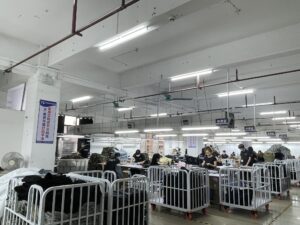
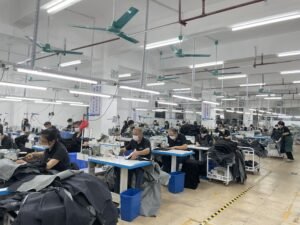
From my factory's perspective, the shift towards stretch denim for men is one of the biggest changes I've seen in the last decade.
It's not just a trend; it's a fundamental change in what men expect from their jeans. It used to be a niche product, but now, the vast majority of men's jeans we produce contain at least a small percentage of stretch. Let's get into the specifics of why this happened and what it means for you.
Should men wear stretch jeans?
You might worry that stretch jeans look less "authentic" or masculine. You want the comfort but don't want to sacrifice the classic, rugged look of real denim. The good news is, you don't have to.
Yes, men should absolutely wear stretch jeans if they prioritize all-day comfort and a modern, clean fit. They are perfect for daily activities, from sitting at a desk to casual outings, offering flexibility that 100% cotton jeans3 simply lack.

The idea that stretch denim is somehow less authentic is outdated. In the early days, stretch jeans could look cheap and thin, but fabric technology has improved dramatically.
As a manufacturer, I can tell you that the premium stretch fabrics we use today are almost indistinguishable from 100% cotton denim in appearance. They just feel a whole lot better to wear.
Benefits for the Modern Man
- All-Day Comfort: The biggest advantage is comfort. Adding just 1-2% elastane (the fiber that provides stretch) allows the jeans to move with you, not against you. This eliminates that tight, restrictive feeling when you sit down, climb stairs, or just go about your day.
- A Better Fit: Stretch allows for a closer, more tailored fit without feeling like a sausage casing. For slim or skinny styles, stretch is essential. It also helps jeans keep their shape, preventing baggy knees and a saggy seat after a few hours of wear.
- Versatility: Because they are so comfortable, stretch jeans bridge the gap between casual and smart-casual. A good-fitting pair of dark stretch denim can look great with a t-shirt or a blazer, making it one of the most versatile items in a man's wardrobe.
What are the disadvantages of stretch jeans?
You have heard that stretch jeans wear out faster or lose their shape. You are hesitant to invest in something that might not last as long as your trusty old rigid denim, and you want to know the downsides.
The main disadvantages are potentially lower durability and a tendency to "bag out" over time. The elastic fibers can break down faster than cotton, especially with high heat from dryers, leading to a shorter lifespan than high-quality rigid denim.

Nothing is perfect, and stretch denim has a couple of trade-offs. In my factory, we work hard to minimize these issues, but it's important to understand the nature of the fabric.
The magic of stretch comes from elastane (also known by brand names like Lycra or Spandex). This synthetic fiber is amazing for flexibility, but it's not as tough as natural cotton fiber.
Durability vs. Comfort
The biggest weakness of elastane is its vulnerability to heat. High heat from a clothes dryer will destroy the elastic fibers over time.
This causes the jeans to lose their "recovery" – their ability to snap back into shape. This is what leads to the dreaded saggy knees and seat. I always advise my clients to tell their customers to hang dry their stretch jeans to extend their life.
A pair of 100% cotton work jeans will almost always outlast a pair of stretch jeans if they are subjected to hard labor and frequent hot washes. For everyday office or casual wear, this is much less of an issue.
| Feature | Stretch Denim (1-3% Elastane) | 100% Cotton Denim |
|---|---|---|
| Initial Comfort | High | Low (requires break-in) |
| Durability | Good | Excellent |
| Heat Resistance | Low (avoid high-heat drying) | High |
| Shape Retention | Can sag over time | Molds to body over time |
Are stretchy jeans better than regular jeans?
You are trying to decide between a classic pair of rigid denim and a new stretch option. It's confusing to know which is truly the better overall choice for your needs and personal style.
"Better" depends entirely on your priority. Stretchy jeans are better for immediate comfort, flexibility, and getting a slim fit. Regular (100% cotton) jeans are better for maximum durability and developing a unique, personal fade over time.
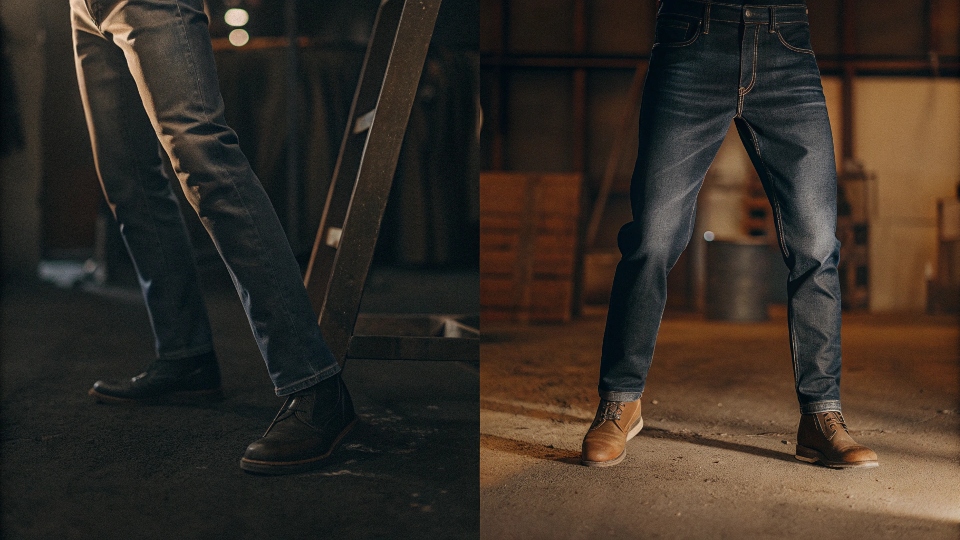
There is no single "best" type of jean; it's about choosing the right tool for the right job. I own and wear both types, but I choose them for different reasons. It really comes down to your lifestyle and what you value most in a pair of jeans.
Choosing the Right Denim For You
- Choose Stretch Jeans If: Your top priority is comfort. If you have an active lifestyle, sit at a desk for long periods, or prefer a slim, modern silhouette, stretch jeans are the superior choice. They are ready to wear right out of the store with no painful "break-in" period. They are the practical, comfortable choice for modern life.
- Choose Regular Jeans If: You are a denim enthusiast who values tradition and durability. If you love the process of breaking in a pair of jeans and watching them fade and form to your body, 100% cotton is the only way to go. The way rigid denim ages is unique; it tells a story. It develops high-contrast fade patterns like "whiskers" and "honeycombs" that stretch denim can't replicate. It's a choice for the purist.
Why are all men's jeans stretching now?
You have noticed it is getting much harder to find 100% cotton jeans in stores. It seems like almost every pair on the shelf has some amount of stretch in it, and you wonder why this massive shift happened.
This is a market-driven change based on one simple fact: customers now demand comfort above all else. Brands responded by making stretch the new standard because it solves fit issues for more body types and aligns with modern, active lifestyles.
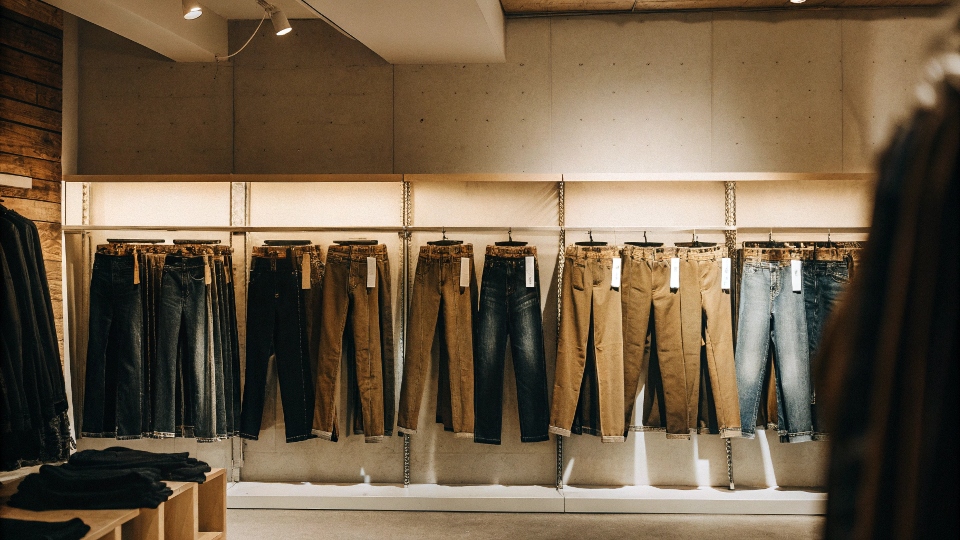
I've had a front-row seat to this industry-wide transformation. It happened for a few key reasons, all pointing back to consumer demand.
A Response to a Changing Market
- The Rise of Athleisure: The massive popularity of joggers, yoga pants, and other comfortable athletic wear has completely changed what people expect from their clothes. Consumers are no longer willing to feel stiff and restricted. They want all their clothes to have some level of comfort and mobility, and jeans are no exception.
- The Popularity of Slimmer Fits: For the last 15 years, slimmer-fitting jeans have dominated men's fashion. To create a slim or skinny jean that a person can actually move and sit in, you must use stretch fabric. A 100% cotton skinny jean would be incredibly uncomfortable and impractical for most people.
- It's Better for Business: From a brand's perspective, stretch jeans are a safer product. A jean with a little bit of stretch will fit a wider range of body types within a single size. This leads to more successful online sales, fewer returns in stores, and generally happier customers who can find a great fit more easily.
Conclusion
Stretch jeans are absolutely worth it for modern daily life. They offer incredible comfort and a great fit, sacrificing only a little durability4 compared to the stiffness of traditional rigid denim.
-
Discover how men's stretch jeans can enhance your comfort and style, making them a must-have in your wardrobe. ↩
-
Understand the defining features of traditional rigid denim and how it compares to modern options. ↩
-
Discover the benefits of 100% cotton jeans and why they remain a classic choice. ↩
-
Understand the durability of stretch jeans and how they compare to traditional denim. ↩