Skip to content

Your shipment is delayed again, ruining your launch schedule. Missed deadlines cost money and damage your brand's reputation with retailers. This cycle of uncertainty is incredibly stressful.
The key is to break down the factory's quote1 into specific stages, demand regular photo updates on progress, and build a 10-15% time buffer for unexpected issues like customs clearance2.

Over my two decades in this industry, I've seen brands miss entire seasons because their factory gave them a vague "45-day lead time."
A real partner provides a transparent schedule, not just a single number. This isn't about their convenience; it's about your business success.
The process needs to be broken down into clear, trackable steps so there are no last-minute surprises. Let's look at how to do that.
How Realistic Are Their Quoted Production Timelines?
A factory promises a fast 30-day lead time to win your business. You're skeptical because you've heard horror stories of that turning into 60 or even 90 days filled with excuses.
A quoted timeline is only realistic if it's broken down into specific stages. Ask for a detailed schedule covering fabric sourcing3, sampling, cutting, sewing, washing, and QC. A single, vague number is a major red flag.
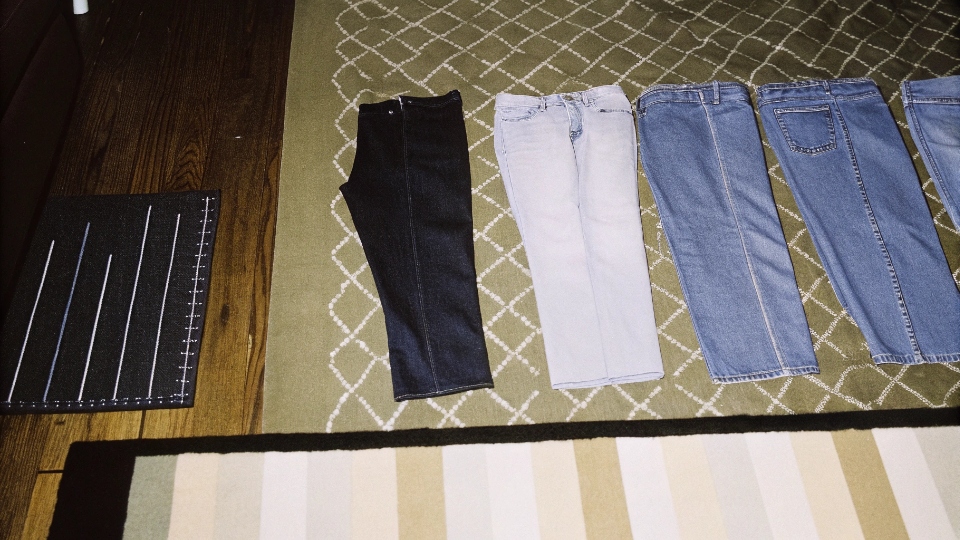
A single "lead time" number is almost meaningless. It often hides unspoken variables. For example, many factories start counting the days only after all your fabric and materials have arrived, a process that can take weeks itself.
A professional partner will give you a full, stage-by-stage timeline before you even sign the purchase order. You need to see the schedule for each distinct phase of production.
This transparency is the difference between an amateur workshop and a real manufacturing partner. At my factory, DiZNEW, we’ve refined our process to offer a reliable 30-day bulk production timeline4 because we map out and manage each of these stages proactively.
Typical Production Timeline Breakdown
| Stage | Description | Typical Timeline | Key Risks |
|---|---|---|---|
| 1. Fabric & Trim Sourcing | Procuring your denim, buttons, rivets, and labels. | 7–14 days | Fabric mill shortages, custom hardware mold delays. |
| 2. Pre-Production (PP) Sample | Creating one final sample for your approval. | 5–7 days | Sample needs revisions, wash color is off. |
| 3. Cutting & Sewing | Cutting the fabric and assembling your jeans. | 10–15 days | Production line bottlenecks, worker shortages. |
| 4. Wash & Finishing | Jeans undergo washing, distressing, and other treatments. | 5–10 days | Inconsistent wash results, machine scheduling delays. |
| 5. QC & Packaging | Final inspection, folding, labeling, and packing. | 3–5 days | Failed final inspection needing rework. |
What Checkpoint Updates Confirm On-time Progress?
Weeks go by with no news from your factory. You're completely in the dark, worrying if production has even started. This lack of communication feels unprofessional and puts your investment at risk.
A reliable factory provides weekly progress reports5 with photos. Key checkpoints should include fabric arrival, the approved Pre-Production (PP) sample6, the start of sewing, the first wash batch, and the final QC inspection.
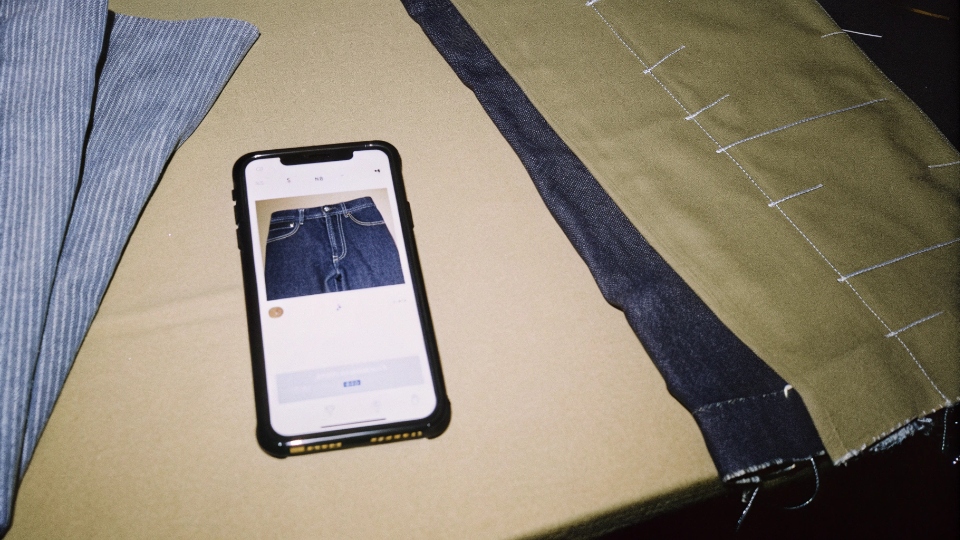
You should never have to ask, "What's the status of my order?" Communication should be proactive, not reactive. A professional factory will have a system for keeping you informed.
We treat it as a core part of our service. This isn't about micromanaging; it's about transparency and partnership.
Seeing progress builds confidence and, more importantly, allows us to spot any potential issues early and fix them together before they cause a major delay. These updates should be mandatory and tied to specific, critical milestones in the production process.
Essential Progress Checkpoints
- Fabric Arrival: The factory should send you photos of the denim rolls with your labels on them, confirming all materials are on-site and ready.
- PP Sample Approval: You receive the final, perfect pre-production sample. Your written approval officially kicks off the bulk production.
- First Units Sewn: A photo of the first few pairs coming off the sewing line allows you to check construction details one last time.
- First Wash Batch: A photo comparing the first batch out of the laundry against your approved PP sample ensures the wash is consistent.
- Final QC Report: You should receive a summary of the final inspection before the goods are packed, confirming quality standards were met.
How Much Buffer Should I Allocate for Customs Clearance?
Your jeans are finally produced and shipped, but now they are stuck at the port. Customs delays seem like a black box, and every day of waiting is another day you can't sell your product.
Plan for a buffer of 5 to 10 days for customs. Delays are most often caused by incorrect paperwork or random inspections. Ensure your factory provides the correct HS code and a perfectly detailed commercial invoice7.

Once your jeans leave my factory, the journey isn't over. Customs clearance is a critical step that can add unexpected delays if not handled perfectly.
While some inspections are random, most delays are preventable. The problem almost always comes down to paperwork errors.
The factory's job is to provide documentation that is 100% accurate so your shipment moves through the system smoothly.
The two most important documents are the Commercial Invoice and the Packing List. The details on these must match exactly.
Common Causes of Customs Delays
- Incorrect HS Code: The Harmonized System (HS) code8 is a universal product classifier. For men's cotton jeans, it is typically
6203.42. A wrong code is an immediate red flag for customs officials and will trigger a manual inspection. You should confirm the correct code for your specific product and country and provide it to the factory. - Inaccurate Invoice: If the declared value, quantity, or product description on the commercial invoice is incorrect or seems suspicious, customs will hold the shipment for review.
- Missing Documents: If your jeans use special materials, like certified organic cotton, you will need to provide the certification documents with the shipment. Make sure your factory includes all necessary paperwork.
What Compensation or Assurances Exist for Late Shipments?
Your shipment is late, and the factory is just giving you excuses. You are missing sales opportunities and disappointing your retailers, but you feel completely powerless to do anything about it.
Your purchase order or manufacturing contract must include a "delay penalty clause9." This clause specifies a financial deduction, like 0.5% of the order value per day of delay, if the factory is at fault.
Hope is not a strategy. You need a formal, written agreement that establishes clear consequences for delays.
This is not about being confrontational; it is standard professional practice that creates accountability for both sides.
A reputable factory that is confident in its planning and production capabilities will have no problem agreeing to a reasonable delay penalty clause.
If a potential partner resists this, it is a serious warning sign that they may not trust their own ability to deliver on time.
This clause is your primary tool for protecting your business from financial losses caused by a factory's poor performance.
Components of a Strong Delay Clause
- The Penalty: The clause should state a clear financial consequence. A common standard is a deduction of 0.5% to 1% of the total order value for each day the shipment is late, capped at a maximum of 10% or 15%.
- The Cause: It must clearly state that the penalty applies only to delays caused by the factory (e.g., production issues, failed QC). It does not apply to delays you cause (e.g., late approval of samples) or a true force majeure10 event.
- Force Majeure Definition: The contract should tightly define force majeure to cover legitimate, uncontrollable events like natural disasters or government-mandated shutdowns, not vague excuses like "supply chain problems" or "staffing issues."
Conclusion
A detailed timeline with clear checkpoints and written consequences for delays is not optional. It is the foundation for a professional, reliable, and successful manufacturing partner11ship that you can trust.
-
Understanding a factory's quote helps you gauge production timelines and costs effectively. ↩
-
Learn about customs clearance to avoid unexpected delays and ensure smooth shipping. ↩
-
Fabric sourcing is a critical step that impacts the quality and cost of your products. ↩
-
A well-structured production timeline is crucial for meeting deadlines and managing expectations. ↩
-
Weekly progress reports keep you informed and help identify issues early in the production process. ↩
-
Understanding PP samples is essential for ensuring product quality before bulk production. ↩
-
A commercial invoice is essential for customs clearance and accurate shipping documentation. ↩
-
Understanding HS codes is crucial for international shipping and customs compliance. ↩
-
A delay penalty clause protects your business from financial losses due to late shipments. ↩
-
Understanding force majeure clauses can protect your business from unforeseen disruptions. ↩
-
Choosing the right manufacturing partner is crucial for successful product launches. ↩