
You love the timeless look of rigid, heavy denim. But it's stiff, hard to sew, and uncomfortable to break in. This makes production a headache and can disappoint your customers.
We master heavy-weight denim by sourcing the right fabric, using specialized sewing techniques, and applying controlled washes. This creates a durable, beautiful jean that is built to last and ready to wear.
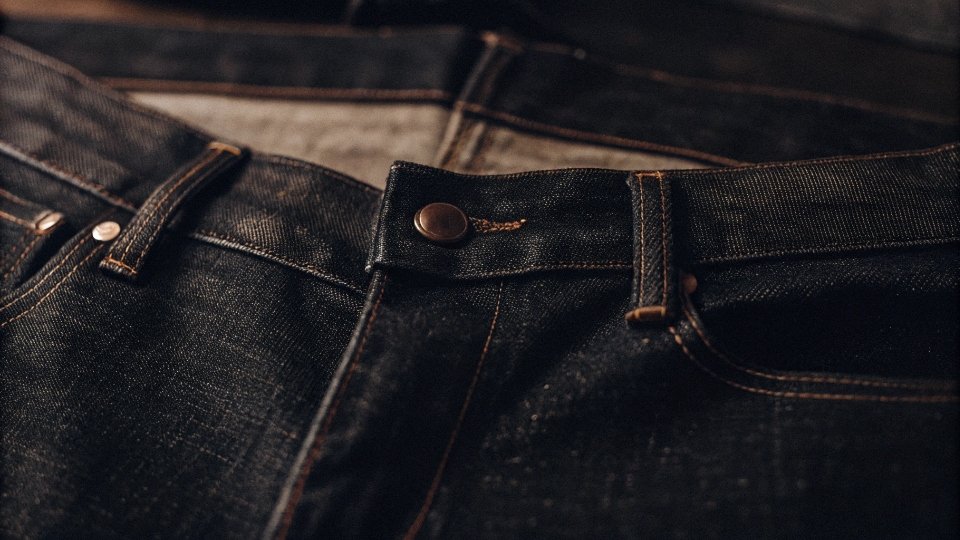
There is something special about a pair of raw, heavy-weight jeans. It is a connection to the heritage of denim.
Over my 20 years in this business, I have always had a special love for these products. They are not just clothes; they are a project for the person who wears them.
But for a designer like you, creating them requires more than just passion. It requires a deep technical understanding of the fabric and the machinery.
You cannot treat 16-ounce selvedge1 like 12-ounce stretch. It is a completely different animal, and we have perfected how to tame it.
What fabric weights (oz/sq yd) can you source?
You have a vision for a solid, durable jean. But you struggle to find suppliers who can source the heavy, niche fabrics your design demands, limiting your creative freedom.
We can source a wide spectrum of weights, from standard 12oz denim up to ultra-heavy 20oz or even 32oz Japanese selvedge. We have the network to find the perfect textile foundation for your design.

The weight of a denim fabric, measured in ounces per square yard, defines its character. It affects the drape, the durability, and how it will age over time.
As a designer, having access to a wide range of weights is crucial. We have spent decades building relationships with mills to source everything from commercial standards to rare, artisanal fabrics.
For example, a 12oz to 14oz fabric is the sweet spot for most modern rigid jeans—durable yet manageable.
When you want to create a true heritage product, we can source 16oz to 20oz denim, a weight that creates sharp, high-contrast fades.
For the ultimate denim enthusiast, we even have access to ultra-heavy 20oz+ selvedge denim from renowned Japanese mills. Whatever your vision, we can find the fabric to match it.
| Fabric Weight | Common Use & Characteristics |
|---|---|
| 10-12 oz | A lighter rigid denim. Good for warmer climates or less structured garments. Easier to sew and break in. |
| 13-15 oz | The industry standard for high-quality rigid denim. Offers a great balance of durability and comfort after break-in. |
| 16-20 oz | Heavy-weight territory. Creates a very durable jean that feels substantial. Known for producing beautiful, sharp fades over time. |
| 21 oz+ | Niche, enthusiast-grade denim. Extremely stiff and durable, requires significant break-in. A true statement fabric. |
How do you handle rigid denim sanding and tearing in washes?
You want an authentic, worn-in look. But many factory distressing methods look fake and mechanical, ruining the vintage aesthetic that is key to your brand's story.
We combine precise machine work with skilled hand-finishing. We use targeted hand sanding2 and light stone wash3es to create wear patterns that look natural and tell an authentic story.
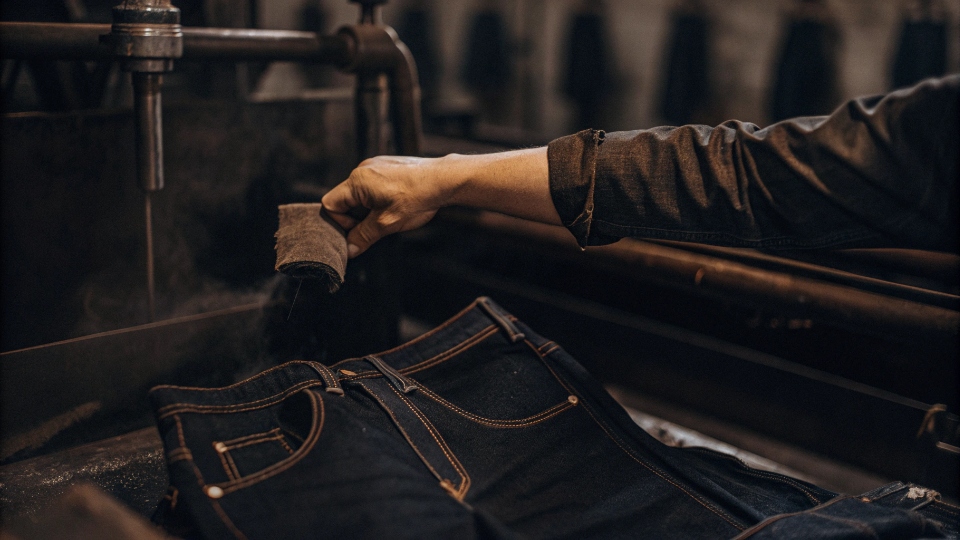
Creating a convincing "worn" look on new denim is an art form. The goal is to replicate the natural fades and wear that come from years of life. We never rely on a single, one-size-fits-all method.
-
Abrasive Methods: For controlled fading, nothing beats hand sanding. Our skilled workers use sandpaper to manually rub the thigh, seat, and pocket areas. This creates a soft, natural fade that follows the contours of the garment, unlike the flat look from automated sandblasting. For frayed edges around pockets and hems, we use a small grinding tool. This targeted approach creates authentic-looking tears and wear.
-
Chemical Washes: A stone wash is a classic choice. We wash the jeans with pumice stones to soften the fabric and create an overall faded appearance. For a softer feel without the physical abrasion, we often recommend an enzyme wash4. This uses special enzymes that gently break down the indigo dye on the surface, achieving a soft, worn-in feel while being gentler on the fabric's fibers.
Can you suggest treatments for easier break-in?
Customers love the rich color of raw denim. But they hate the stiff, board-like feeling of the first few weeks, which can lead to bad reviews and lost sales.
Absolutely. We recommend a simple "rinse wash." This light wash uses only water and a touch of softener to remove the factory starch, making the jeans much more comfortable from the very first wear.
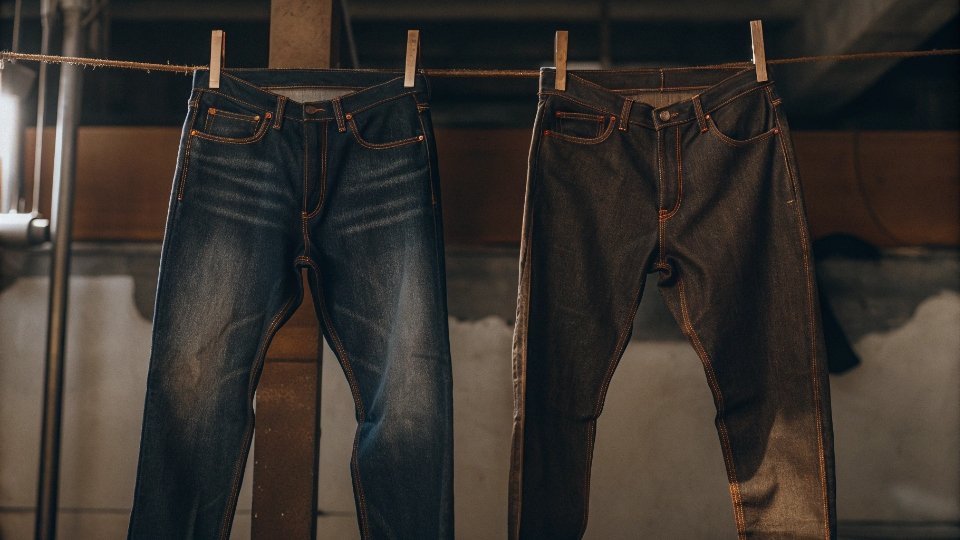
The beauty of raw denim is that it molds to the wearer's body over time. However, that initial stiffness can be a major barrier for many customers.
You, as a designer, don't have to force them to choose between comfort and color. We can provide a middle ground. The best solution is a simple rinse wash.
We put the finished jeans through a wash cycle with just water, sometimes with a very mild fabric softener. This light process achieves two key things.
First, it washes away the stiff starch (sizing) applied at the textile mill. Second, it helps the cotton fibers relax and bloom slightly.
The result is a jean that is still dark, rigid, and ready to fade, but it feels significantly softer and more comfortable right off the shelf.
This small step makes a huge difference in the customer's initial experience with your product.
What sewing techniques suit heavier denim?
Heavy denim can destroy needles and cause skipped stitches. This leads to production delays and, even worse, weak seams that compromise the quality of your premium jeans.
We use a specific combination of heavy-duty needles, strong thread, and specialized machine adjustments. This includes using a walking foot and a longer stitch length5 to ensure every seam is strong and clean.
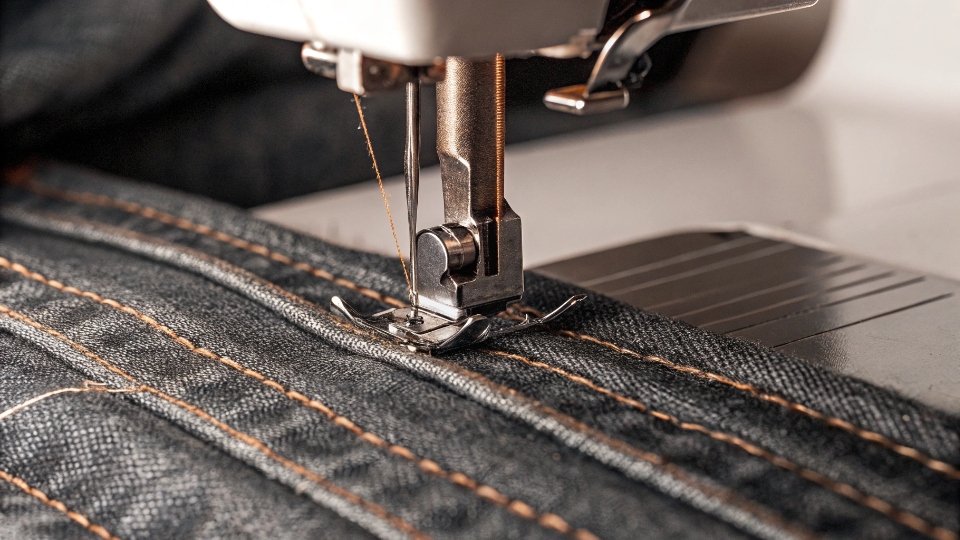
Sewing heavy-weight denim6 is a test of both machine and operator.
You can't just power through it; you must use the right tools and techniques. We have dialed in our process over many years to handle even the thickest fabrics flawlessly.
This is not just a factory setting; it's a craft that our most experienced operators have perfected.
A walking foot is essential, as it grips the top layer of fabric and pulls it through in sync with the bottom layer, preventing the layers from shifting and creating puckers.
Adjusting the presser foot pressure is also critical; too much pressure pins the fabric down and makes it hard to feed.
| Technique | Specification | Why It's Important |
|---|---|---|
| Needle Selection | Size 100/16 or 110/18 Jeans Needle | These needles have a stronger shaft and a sharp point designed to penetrate dense fabric without breaking or bending. |
| Thread Choice | Heavy-duty polyester thread | Polyester is stronger than cotton thread and can withstand the tension of sewing thick layers without snapping. |
| Stitch Length | 3mm - 4mm | A longer stitch is stronger on thick fabric and puts less strain on the sewing machine motor, preventing skipped stitches. |
| Presser Foot | Walking Foot or Teflon Foot | A walking foot feeds top and bottom layers evenly. A Teflon foot reduces friction, helping the fabric glide smoothly. |
Conclusion
We master every step, from sourcing heavy selvedge to specialized sewing. This allows us to build durable, timeless rigid jeans that honor your design and the craft itself.
-
Find out what makes 16-ounce selvedge denim unique and why it's favored by denim enthusiasts. ↩
-
Understand the art of hand sanding in denim finishing and how it creates authentic wear patterns. ↩
-
Learn about stone wash treatments and how they contribute to the softness and aesthetic of denim. ↩
-
Discover the benefits of enzyme washes in denim production and how they enhance fabric quality. ↩
-
Discover why a longer stitch length is crucial for sewing heavy fabrics like denim effectively. ↩
-
Explore the advantages of heavy-weight denim, including durability and style, to enhance your understanding of this fabric. ↩