
Your brand is taking off, but your factory is built for small batches. This success trap means you can't fill larger orders, creating production bottlenecks1 that could kill your momentum.
Yes, a true partner factory plans for your growth from day one. We use scalable production lines2, secure robust supply chains3, and offer tiered pricing to ensure a smooth transition from hundreds to thousands of pairs.
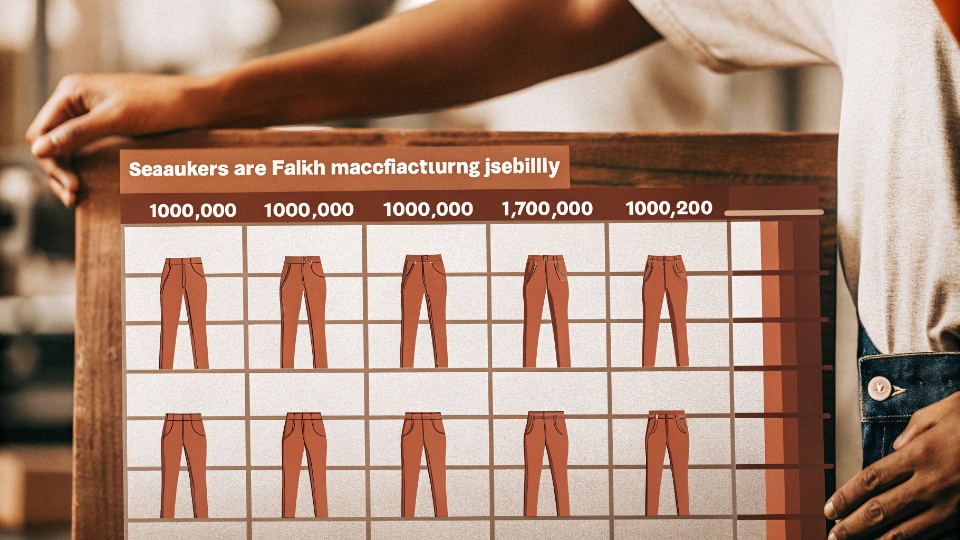
I have seen it happen many times. A talented designer like Dean launches a brand with a small, 500-unit order.
The jeans are a hit. The next season, a major retailer wants 5,000 units. It is the moment every designer dreams of. But their small factory partner cannot handle it.
They do not have the machines, the workers, or the material contracts. The dream becomes a nightmare.
For over two decades, I have built my factory, DiZNEW, on the principle of partnership. We do not just want your first order; we want to be the factory that helps you grow from that first order to your hundredth.
This requires a deep commitment to planning for your success long before it even happens.
Can You Scale Production From Hundreds to Thousands of Pairs Smoothly?
Starting small is smart. But you worry that when your brand explodes, your factory will not be able to keep up, forcing you to switch suppliers and lose all your momentum.
Yes. We use a modular approach4. Small orders run on dedicated lines. As you grow, we activate additional, identical lines reserved for your brand, ensuring a fast and seamless production increase.
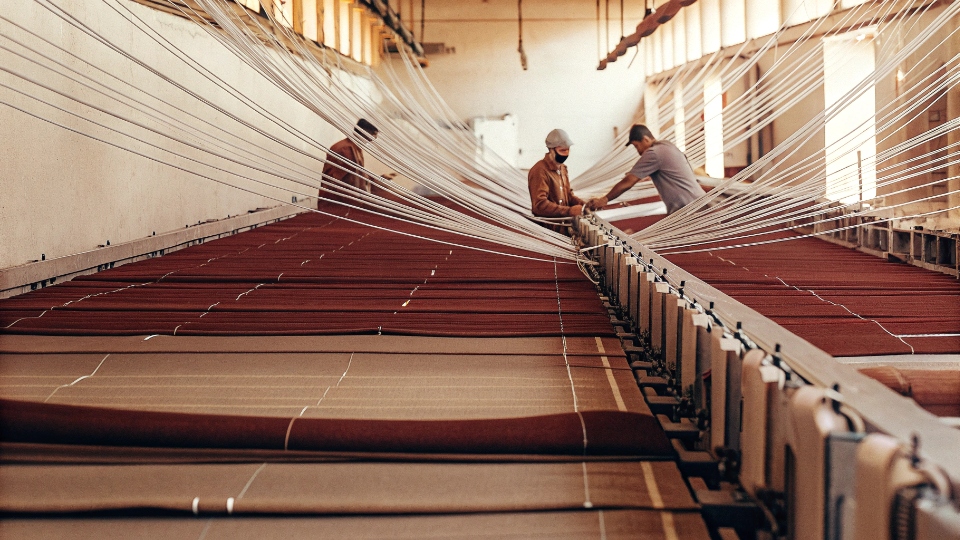
Going from 500 pairs to 5,000 is not as simple as just hiring more workers. It requires infrastructure.
That is why we have invested in a factory floor that can be scaled up or down. Think of it like this: your first order might use one or two of our production cells.
These are self-contained teams with all the cutting, sewing, and finishing equipment they need. When you come to us with a ten times larger order, we do not just try to make the first team work harder.
Instead, we activate more pre-configured production cells and dedicate them entirely to your brand. Because they use the exact same machines and our workers are cross-trained, the quality and workflow remain identical.
This approach removes the typical bottlenecks. We just need a little advance notice, usually about a month, to make sure we have the raw material reserves ready for your larger run.
| Order Volume | Production Setup | Quality Control |
|---|---|---|
| 500 - 1,000 Units | 1-2 Dedicated Production Cells | Standard In-line & Final QC |
| 1,001 - 5,000 Units | 3-5 Dedicated Production Cells | Increased QC Staff per Line |
| 5,001+ Units | Fully Dedicated Production Line(s) | Full-time QC Manager for Brand |
How Do You Manage a Product Line Expansion?
Your brand is growing, and you want to add new styles. But you are concerned that introducing a new slim-fit or wide-leg jean could disrupt production and mess up the quality of your existing best-sellers.
We manage expansion by isolating it first. Each new style gets its own dedicated development process and quality standard before we integrate it into your main production schedule5. This protects your core products.
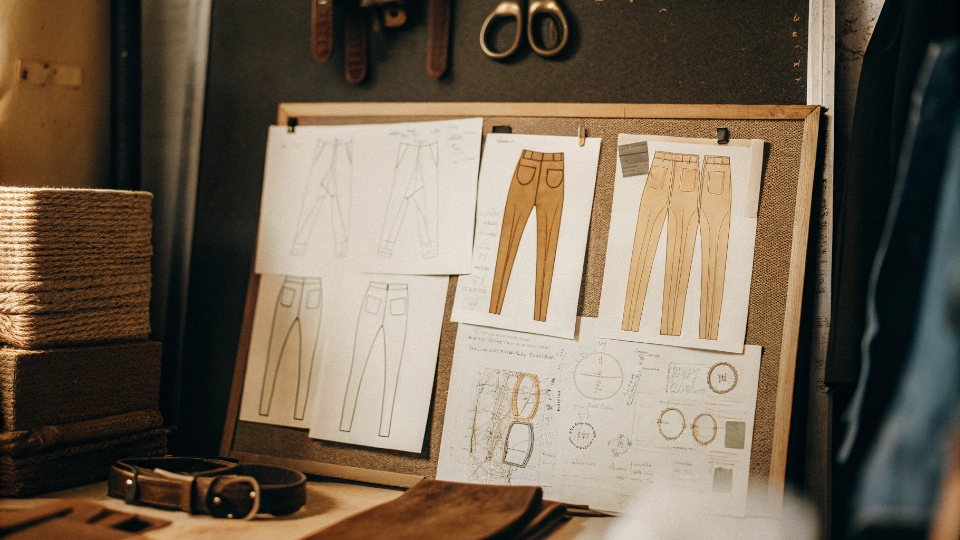
Expanding your product line should be exciting, not stressful. When you want to add a new style, like a plus-size range or a new wash, we treat it like a brand-new project. We do not just add it to the main workflow.
First, it goes through our sampling and technical design team. We create new patterns, test new fabrics, and perfect the wash. We establish a separate quality control6 "gold standard" sample just for that new SKU.
Only after you have approved this new style and its unique standards do we graduate it to the main production floor.
This quarantine-and-approve process ensures two things. First, it does not disrupt the smooth production of your existing styles. Second, it guarantees the new product is perfect before we make a single unit for your customers.
As your total order volume grows, we can also be more flexible with the Minimum Order Quantity (MOQ)7 for these new styles.
What Lead Time Do You Need to Add Machine Hours for My Order?
You just received a massive, unexpected order from a department store. Now you need to double your production run, fast. But will your factory have the capacity to fit you in?
For planned growth, a 30-45 day heads-up is perfect. For urgent orders, we can often reallocate machine hours and start within a few days. We build this flexibility into our schedule.
Capacity is all about smart scheduling. In a perfect world, you would tell us about your big order a month or two in advance. That gives us time to order materials and schedule the machine hours without any stress.
But we know business is not always predictable. This is where our relationships and planning make a difference. We run our factory with a buffer; we do not book ourselves at 100% capacity.
This small cushion allows us to handle urgent requests. If you need to expedite an order, we can reallocate resources.
It might mean our team works an extra shift or we move a less urgent internal project to a later date.
This flexibility costs us a bit more to maintain, but it is essential for being a reliable partner. Communication is key; the moment you think a big order is coming, let us know. The more lead time8 we have, the more smoothly we can make it happen.
| Request Type | Required Lead Time | How We Manage It |
|---|---|---|
| Planned Volume Increase | 30-45 Days | Pre-order materials, schedule dedicated lines. |
| Urgent Expedited Order | 3-7 Days | Use buffer capacity, reallocate resources. |
| New Style Development | 4-6 Weeks | Separate R&D process, then schedule production. |
Will My Unit Cost Go Down as I Order More?
Your brand is all about growth, which means improving your profit margins. But your factory's price is the same for 5,000 pairs as it is for 500, which doesn't feel like a partnership.
Absolutely. Your success is our success. As your order volume increases, our efficiency improves and our material costs go down. We pass these savings directly on to you with clear pricing tiers.
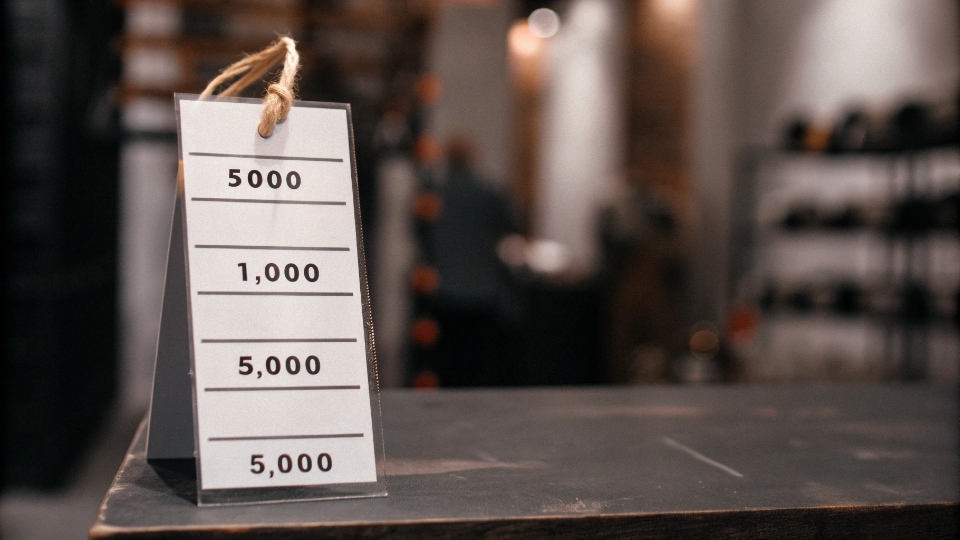
This is one of the most basic principles of manufacturing, and it should be a basic principle of a good partnership. Economies of scale are real. When you order 5,000 pairs of jeans instead of 500, everything gets more efficient. The biggest saving comes from the denim mill.
We can buy fabric in much larger quantities, which significantly lowers our cost per yard. Second, our factory runs more smoothly.
We have fewer changeovers on the sewing lines, and our washhouse can process much larger batches at once, saving water, energy, and time. We believe in sharing these savings. That is why we offer a transparent, tiered pricing9 structure.
You will know exactly how much your unit cost will decrease as you grow. This allows you to plan your own pricing and profit margins for the future. For our biggest clients, we even offer long-term contracts to lock in these prices.
Conclusion
Choosing a factory is choosing a partner for your future. A good partner does not just make your products; they build a scalable plan to support your growth every step of the way.
-
Learn how to spot and fix production bottlenecks to maintain your brand's momentum. ↩
-
Understanding scalable production lines can help you ensure your factory can grow with your brand. ↩
-
Learn about supply chain management to ensure a smooth production process. ↩
-
Discover how a modular approach can enhance your production efficiency and flexibility. ↩
-
An effective production schedule is crucial for managing resources and meeting deadlines. ↩
-
Understanding quality control practices can help ensure your products meet high standards. ↩
-
Learn about MOQ and how it affects your production and inventory management. ↩
-
Understanding lead time can help you plan your orders and manage production schedules effectively. ↩
-
Learn about tiered pricing to understand how you can save money as your order volume increases. ↩