
Your brand is growing, and you want to offer more sizes to reach more customers. But you worry that just scaling your patterns up or down will create awkward, ill-fitting jeans, damaging your brand's reputation.
A good factory expands your size range through expert pattern grading1, not simple scaling. A true partner creates new, dedicated patterns for each extended size to maintain the original design's balance, proportions, and signature fit.
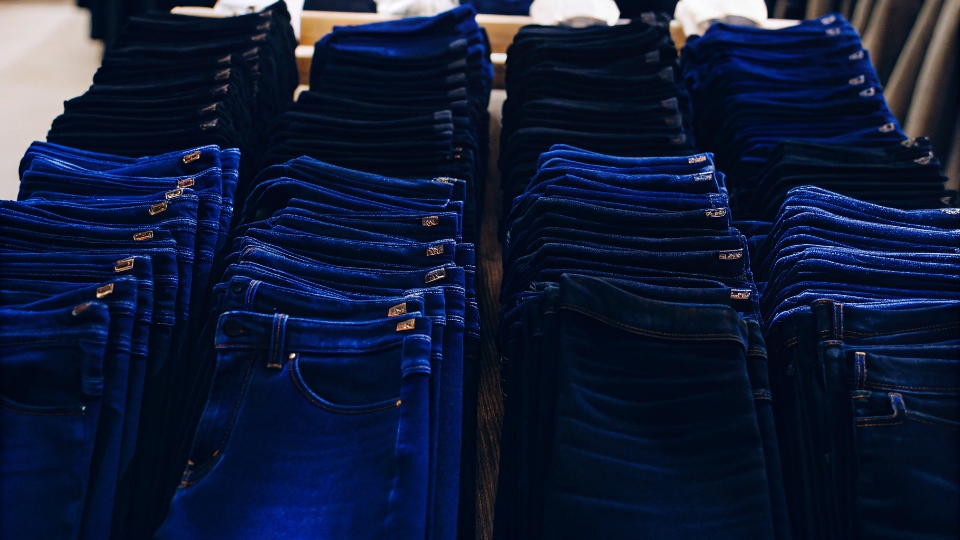
I remember a client, a sharp designer like Dean, who wanted to expand into plus sizes. His first factory just enlarged his size 32 pattern. The result was a disaster. The size 42 samples were like a denim sack—the waist was huge, but the seat was flat and the rise was disproportionately long.
They didn't understand that a size 42 body is not just a bigger version of a size 32 body; it has different curves and proportions. We had to start from scratch, creating a new base pattern specifically for his plus-size range using a fit model.
Expanding your sizes is not about making things bigger or smaller; it's about re-engineering your signature fit for a completely new body shape.
Can they grade up to plus sizes or down to children’s sizes?
Your best-selling jean could be a hit in plus sizes or kids' lines. But you can't just shrink or enlarge your pattern; a child's body isn't a miniature adult's, and plus sizes require more than just a wider waist.
Yes, but it is a specialized skill. Expanding into plus or children’s sizes requires creating entirely new base patterns. It's about re-engineering the fit for a different body type, not just changing numbers in a computer.
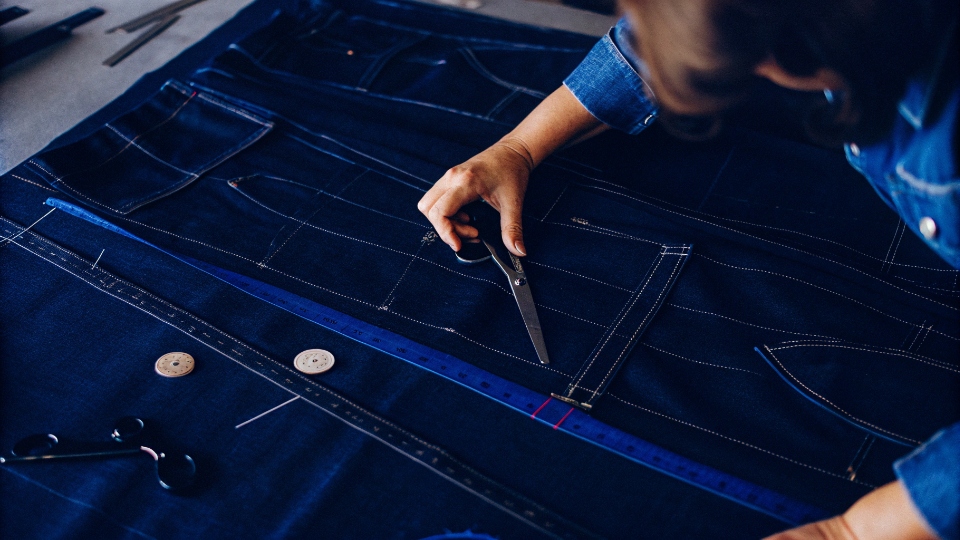
Entering new size categories like plus or children's wear is like launching a new product. It demands specific expertise.
For plus sizes, a pattern maker can't just add inches to the waist and outseam. They must grade with different rules, adding more room to the back rise, seat, and thighs to follow the body's natural curves.
For children's sizes, it's the opposite problem. You can't just scale down an adult pattern; the proportions would be all wrong.
A child's rise is shorter, their hips are less defined, and their inseam-to-waist ratio is completely different. We always treat these as separate development projects.
We start by creating a new base pattern for a key size in the new range (e.g., a size 44 for plus, a size 8 for kids), test it on a fit model, and only then do we grade it out to the other sizes in that range.
| Size Range | Key Grading Consideration | Common Mistake to Avoid |
|---|---|---|
| Plus Sizes | Proportionate increase in seat, thigh, and back rise. | Simply making the waist wider. |
| Children's Sizes | Shorter rise, simpler curves, and adjusted proportions. | Shrinking an adult pattern linearly. |
| Petite/Tall | Adjusting inseam, knee position, and rise length. | Only changing the inseam length. |
What expertise ensures proportionate fit across sizes?
You've given the green light to expand your sizes. Now you're worried the new sizes will look like distorted funhouse mirror versions of your original, perfect-fitting jean, losing its character.
Expertise comes from an experienced pattern master, not just software. They must apply different "grading rules2" to different parts of the jean—like the rise, thigh, and seat—to preserve the intended silhouette and balance across every single size.
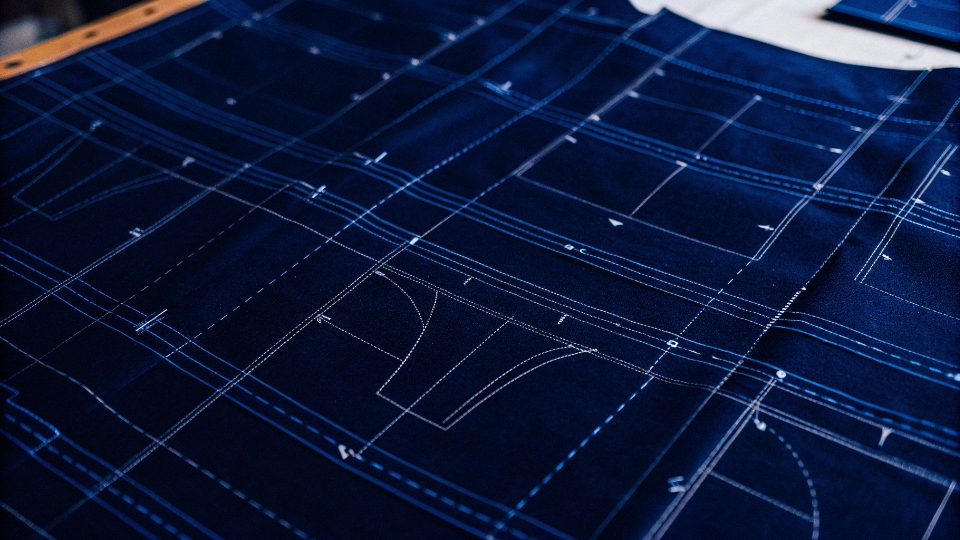
Proportional fit is an art form. If you have a size 32 jean and you grade it up to a size 42, you can't just add 10 inches to the waist circumference and call it a day. Good grading is non-linear.
For example, as the waist size increases, the back rise needs to increase more than the front rise to provide coverage and comfort. The thigh measurement might increase by a different ratio than the calf measurement to maintain a tapered look.
Our pattern masters have decades of experience doing this. They know that to preserve a "slim fit" in a larger size, you have to carefully control the proportions of the thigh and knee.
Before we finalize the grade rule for your entire new size range, we create a sample of a key size (like a 38 or 40) and send it to you for a fit test. This validation step ensures our grading logic matches your brand's vision.
Key Grading Checkpoints:
- Rise Balance: Is the back rise increasing more than the front rise?
- Seat Shape: Is the seat getting fuller, not just wider?
- Thigh-to-Knee Ratio: Is the leg shape (e.g., tapered, straight) being preserved?
- Pocket Placement: Are pockets and yokes scaled and positioned to look proportional?
How do additional sizes affect my cost per pair?
Expanding your size range seems like a great move for revenue. But hidden costs for larger sizes can quickly eat into your profits, making your pricing strategy a nightmare to manage.
Yes, larger sizes cost more due to increased fabric consumption. A transparent factory will provide a tiered pricing structure3, showing the exact cost difference for plus sizes based on material usage, not arbitrary fees.
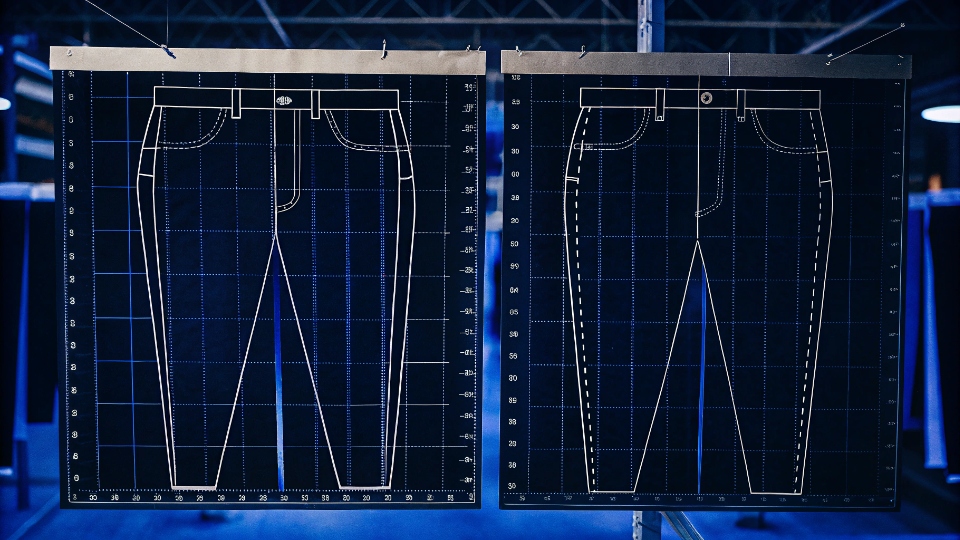
The primary driver of cost difference is fabric. When we lay out patterns on a length of denim (called a "marker"), larger patterns mean we can fit fewer garments onto that piece of fabric. This increases the fabric consumption per pair.
For example, a standard size range might average 1.5 yards per pair, while a plus-size range might average 1.8 yards. It's simple math, and we believe in being completely transparent about it.
We will show you the marker layouts and provide a clear, tiered cost. You might also have slightly higher Minimum Order Quantities (MOQs)4 for the new size range, as it's treated like a separate production order.
Other costs, like longer zippers or slightly more sewing time, are usually very minor, but the fabric usage is the main factor. A good partner will break this down for you so you can plan your retail pricing accurately.
| Size Range | Avg. Fabric Usage (Example) | Cost Impact |
|---|---|---|
| Core Sizes (28-36) | 1.5 yards/pair | Baseline Cost |
| Extended Sizes (38-42) | 1.7 yards/pair | ~10-15% higher |
| Plus Sizes (44+) | 1.8 - 2.0 yards/pair | ~20-30% higher |
Are pattern adjustments charged separately?
You're ready to commit to the new size range order. Suddenly, you receive a separate invoice for "Pattern Grading Services," a surprise fee that throws your budget into chaos and stalls the project.
Often, there is a one-time fee for creating the new graded patterns for the expanded size range. This is a development cost for a new asset, not a production cost. A good partner will be transparent about this fee before any work begins.
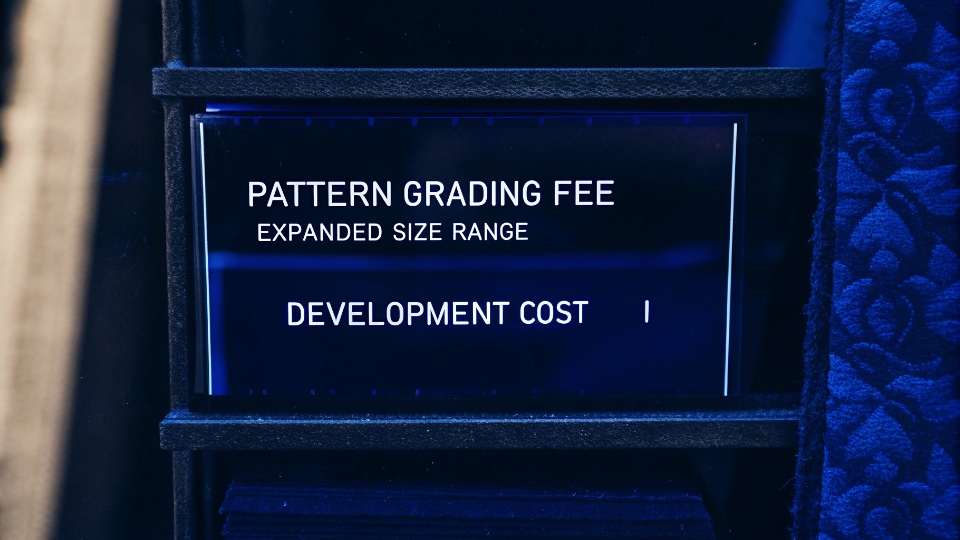
You should think of pattern grading5 for a new size range as a one-time investment. You are paying for the time and skill of a master pattern maker to create a new set of assets for your brand. This isn't part of the per-unit production cost; it's a separate research and development (R&D) service fee.
A trustworthy factory will quote this fee upfront. For example, we might say, "The one-time fee to develop, grade, and sample your new plus-size range (sizes 40-48) is $500."
Once you pay this fee and approve the new patterns, they are yours to use for all future production runs of that style without any additional development charges. This fee covers the expert labor required to ensure the fit is perfect.
Any small adjustments needed for a future production run using the same patterns are typically included in the normal sampling process. We believe in clear, upfront communication to avoid any surprises.
Conclusion
Expanding your size range is about expert grading, not just scaling. It requires a technical partner who protects your brand's signature fit for every customer, in every size.
-
Explore how expert pattern grading can enhance the fit of your garments, preserving your brand's reputation. ↩
-
Explore grading rules to ensure your designs maintain their intended fit across various sizes. ↩
-
Understanding tiered pricing can help you manage costs effectively when expanding your size range. ↩
-
Learn about MOQs and how they can affect your production planning and costs. ↩
-
Understanding pattern grading is crucial for maintaining fit across sizes, ensuring your designs appeal to a broader audience. ↩