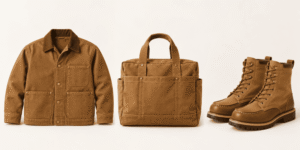

You spend a fortune on unique, premium denim. But after production, a significant chunk of that beautiful fabric ends up as scrap in a factory overseas, costing you money and undermining your sustainability goals.
To reclaim your fabric off-cuts1, you must have a formal agreement with your factory. This process involves clear rules for separating, storing, packing, and shipping the material, treating it as a valuable asset, not waste.
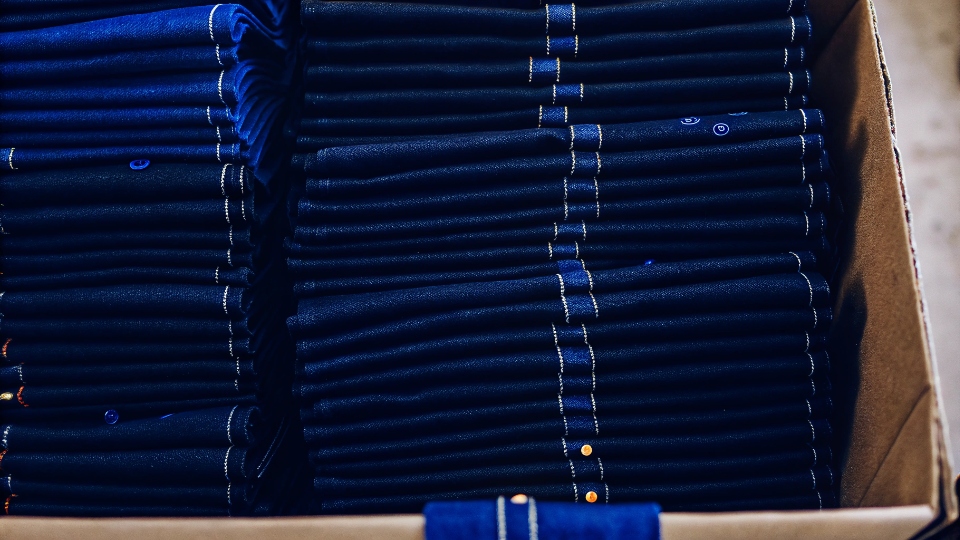
I remember a designer, a sharp entrepreneur like Dean, who created a line of patchwork jackets2. He wanted to use the off-cuts from his main jeans production runs to make them. He assumed his first factory was saving the pieces for him.
When he finally asked for them, he was met with a blank stare. His expensive, custom-milled denim had been swept into the general waste bin and sold for pennies to a local recycler weeks ago.
He lost thousands of dollars in material value. This is a common story. Unless you have a plan, your leftover fabric is considered trash. Let's make sure that never happens to you.
Do they offer to ship leftover fabric pieces back to me?
You've ordered a custom fabric3, and you know there will be leftovers. You naturally assume the factory will save it for you, but without instruction, your valuable material could vanish.
Yes, we can absolutely return your unused fabric, but this is a special service you must request upfront. We will then implement a process to carefully separate, label, and store your off-cuts to keep them clean and usable.
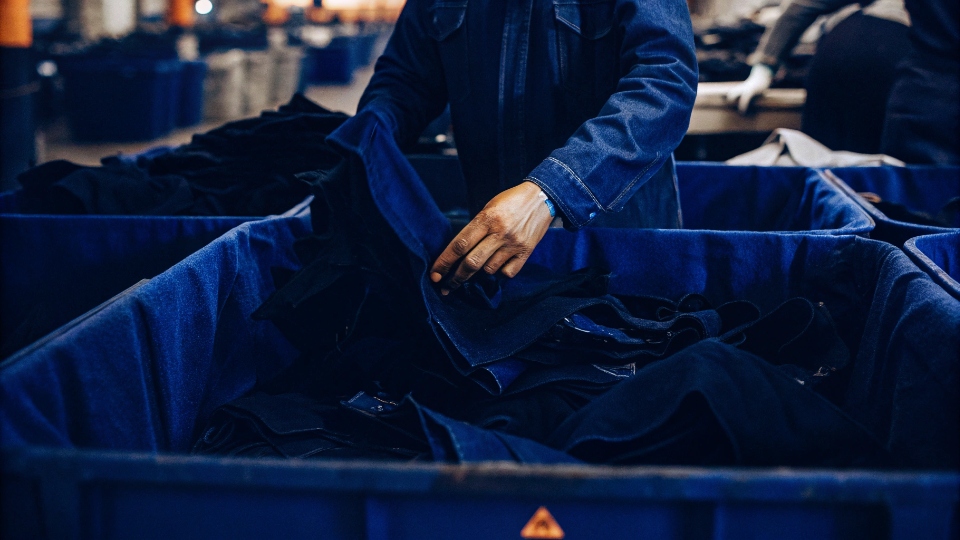
The standard factory floor is designed for efficiency, and that means clearing waste quickly. If you don't say anything, your off-cuts will be gone.
We treat a request to return fabric as a key part of the production plan. The moment your fabric is laid on the cutting table, we place a dedicated, labeled bin right next to it. Any piece larger than a pre-agreed size is carefully placed in this bin.
It is never thrown on the floor. After the cutting is complete, these pieces are bagged, labeled with your brand name and the fabric code, and moved to a clean, dry storage area away from the main production floor.
This prevents them from getting stained, damaged, or mixed with another client’s materials. It’s a simple system, but it requires discipline and must be established before the first cut is ever made.
| Protocol | Standard Waste Process | Asset Return Process |
|---|---|---|
| Separation | All off-cuts are swept into a general waste bin. | Your off-cuts are separated at the cutting table. |
| Storage | Stored in open bins, exposed to factory floor dust/dirt. | Bagged, labeled, and kept in a clean storage room. |
| Status | Considered valueless waste. | Treated as a valuable client asset. |
How are return shipping costs calculated?
You've successfully arranged for your off-cuts to be saved. But then you get a surprise invoice for shipping that costs more than the fabric is worth, turning a smart decision into a financial loss.
Return shipping costs are calculated by the weight or volumetric weight of the packed off-cuts. This cost is billed to you and is separate from the garment production cost. We always recommend consolidating them with your main order to save money.
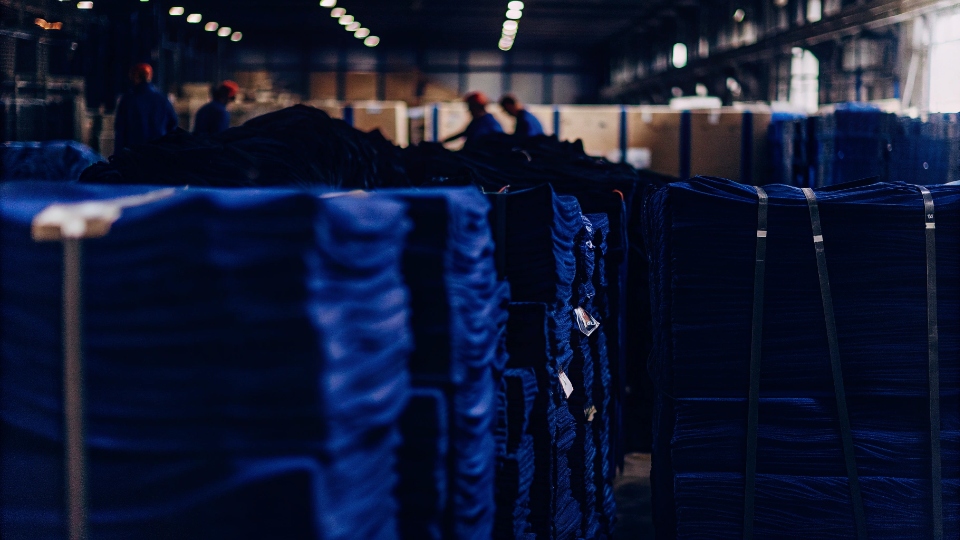
Shipping fabric can be surprisingly expensive. The cost is never included in the per-unit price of your jeans. There are several components to the final bill.
First, there's the labor and material cost for us to sort and pack the off-cuts into export-ready cartons. Second is the actual freight charge from the courier or shipping company, which is based on the box's size and weight. Finally, we must prepare a separate customs declaration for these goods.
For these reasons, arranging a separate shipment for a small amount of fabric is rarely cost-effective. The best strategy is to piggyback on your main garment shipment. We can add the box of off-cuts to your main order's packing list.
This way, you only pay the incremental cost for the extra weight, which is far cheaper than paying for a whole new shipment with its own base fees and documentation. Remember, you are the importer, so you are also responsible for any duties or taxes when the fabric arrives in your country.
What minimum yardage4 triggers a return?
You want to be sustainable and save every last scrap. But the logistics and cost of shipping a small envelope of tiny fabric pieces from China halfway across the world just doesn't make sense.
There is no official minimum, but we work with you to define a "practical minimum." This means only saving pieces large enough for a specific purpose, like making accessories or samples, ensuring the return is economically viable.
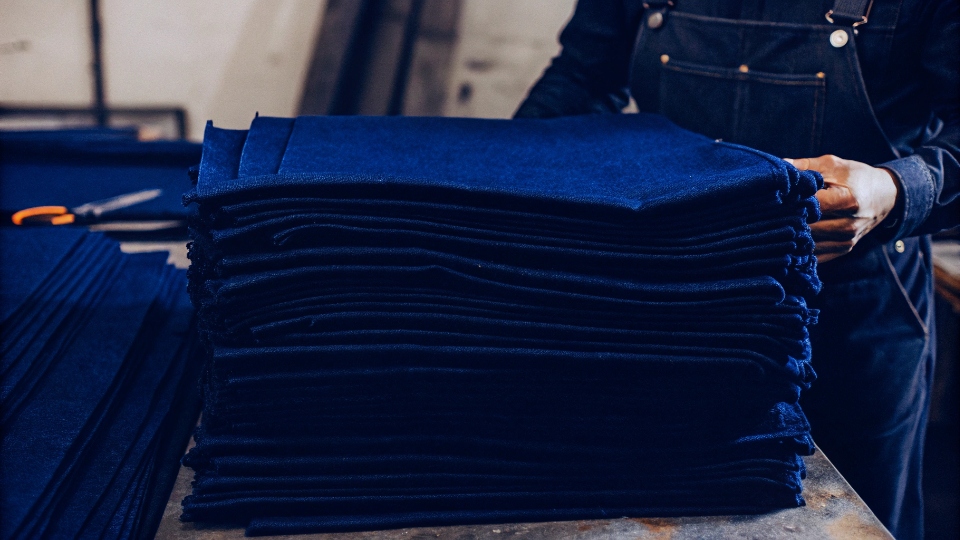
Let's be practical. The cost to ship a 1kg box from China to the USA can be significant. If that box only contains tiny, unusable scraps, you've lost money.
The goal is to set a threshold where the value of the returned fabric is greater than the cost to get it back. What does that look like? We usually recommend returning only pieces that are at least a half-yard in length or any large, irregular shapes left over from the marker.
These are genuinely useful for creating hats, small bags, detail panels, or for testing new wash treatments. For smaller brands, we can also offer to hold your off-cuts in storage.
We'll consolidate them over two or three production runs until you have a full box ready to ship. This is much more cost-effective and environmentally friendly than sending multiple small packages. It's about being strategic, not just saving every thread.
Examples of Useful Off-Cuts:
- Pieces for making bucket hats or caps.
- Fabric for creating sample wash swatches for your next collection.
- Material for patchwork details or pocket bags.
- Stock for in-house repairs or custom modifications.
How soon can I arrange pickup?
Your main jeans order has shipped, but your fabric off-cuts are still sitting in the factory. Weeks turn into a month, and you start to worry if your valuable material will get lost, damaged, or discarded.
The off-cuts are packed and prepared at the same time as your main production order. You can arrange for pickup immediately upon completion, ideally consolidating them with your finished garment shipment to ensure a smooth process.
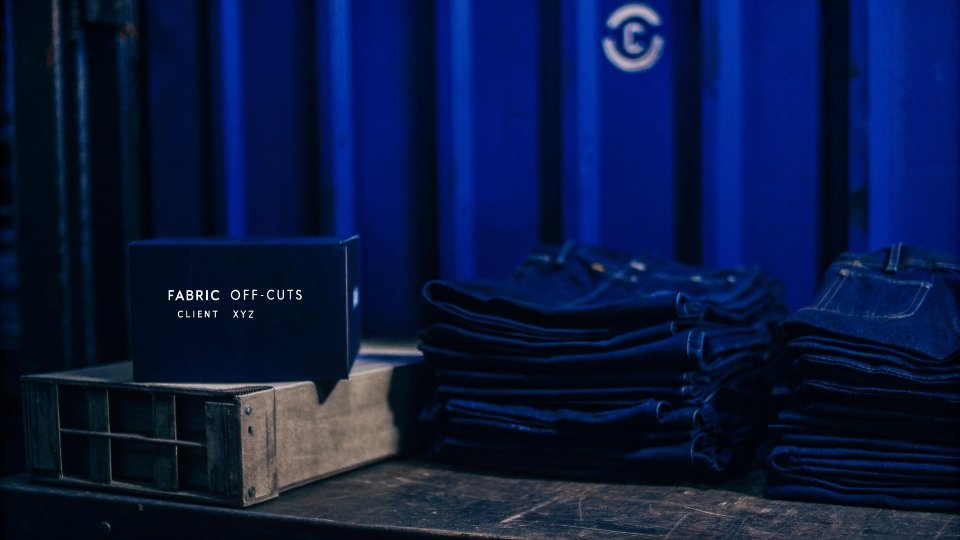
Timing is critical. Think of the off-cuts as the final item in your main production order. Here's a typical timeline: The off-cuts are generated during the cutting phase early in production.
We store them safely until all your garments have passed final Quality Control. At this point, we do a final inventory of the saved off-cuts, pack them securely in a carton, and weigh them. The box is then labeled and moved to the dispatch area alongside your cartons of finished jeans.
We will then send you the weight and dimensions so you can arrange your courier or, more commonly, approve adding it to the main shipment. It’s important to act quickly. While we are happy to store your property, our space is not unlimited.
We typically require pickup to be arranged within 30 days of the main order completion. A clear plan, agreed upon in your contract, ensures your materials are handled professionally and returned to you without delay.
Conclusion
Reclaiming your unused fabric is a smart move for both sustainability and your bottom line. It requires clear communication and a formal agreement to manage the process, costs, and logistics effectively.
-
Explore the potential of fabric off-cuts to reduce waste and create unique products. ↩
-
Discover creative ways to use fabric off-cuts in fashion design. ↩
-
Explore the advantages of using custom fabric in your fashion line. ↩
-
Understand the practical minimum for returning fabric to ensure cost-effectiveness. ↩