Skip to content

You want the precision of a machine and the soul of an artist in your jeans. But you worry factories can't blend both worlds, forcing you to choose between sterile consistency and sloppy craftsmanship.
Ask for a clear workflow map1 that shows which steps are automated for consistency, like cutting, and which are hand-finished for artistry, like distressing. A good factory optimizes this balance for every single order to protect your design's integrity.
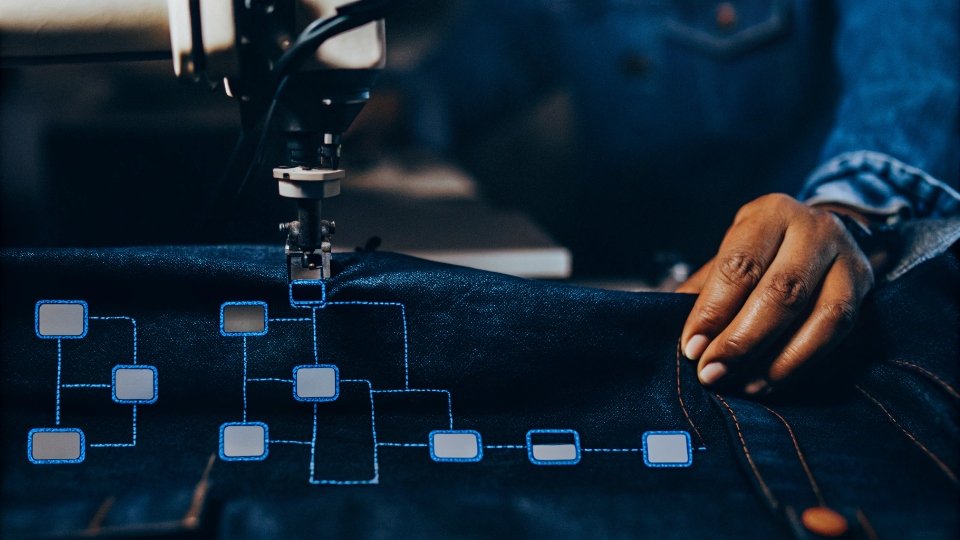
For over two decades, I've lived with this central challenge: how to make thousands of pairs of jeans that feel like they were made one at a time. The answer isn't "all automation" or "all manual."
The magic is in the blend. Designers like you bring a vision that has both precision and personality. It's my job as a factory owner to build a process that honors both.
Many factories talk about their modern machines or their skilled workers, but few explain how they make the two work together. Let's explore the questions you need to ask to find a partner who has mastered this essential balancing act.
Which steps are robot-assisted2 vs. hand-finished?
You see "automation" on a factory's website, but you don't know what that really means for your jeans. You are afraid that your unique design will be forced into a generic process.
Repetitive tasks like fabric cutting and basic sewing are automated for precision. But creative, value-add details like distressing and custom finishing are always hand-finished by skilled artisans to capture your unique vision.
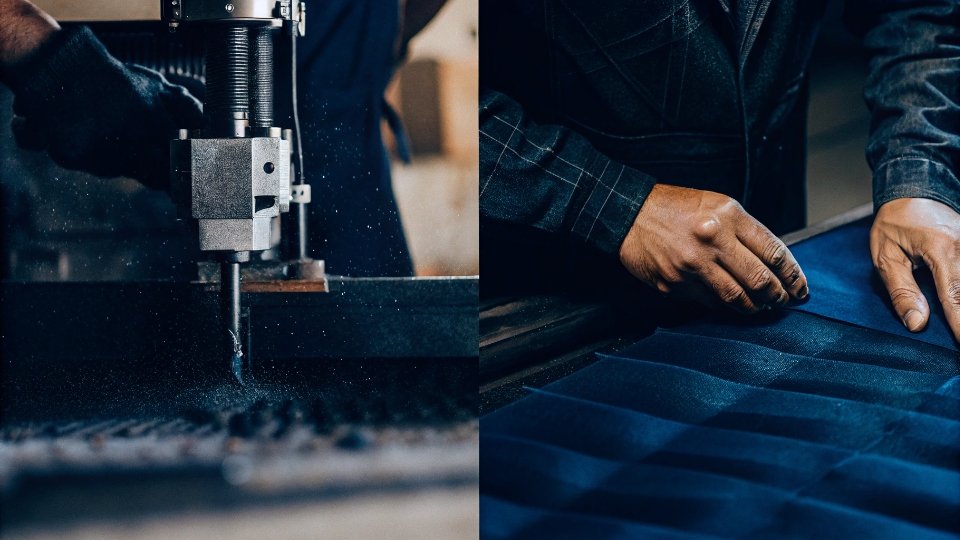
The most important thing for you to understand is that automation and manual work are not enemies. They are partners, each with a specific job. A smart factory assigns tasks based on what each method does best. We use automation for tasks that require inhuman precision and repetition.
For instance, our automated fabric cutters work from a digital pattern to cut thousands of pieces that are all identical to the millimeter. This guarantees that the fit of your jeans is perfect across the entire production run.
But a robot can't understand the soul of a vintage wash. That is where our artisans take over. Their hands create the subtle fraying, the organic wear patterns, and the exact look you designed.
| Automated Workflow | Manual Workflow |
|---|---|
| Digital Fabric Cutting | Hand-Sanding & Grinding |
| Automated Pocket Setting | Manual Distressing & Ripping |
| Laser Marking for Guides | Custom Embroidery |
| Automated Belt Loop Sewing | Attaching Custom Hardware |
| Industrial Washing & Dyeing | Final Hand-Feel Inspection |
How does automation improve consistency and speed?
Inconsistent sizing and sloppy stitching from one pair to the next can destroy your brand's reputation for quality. You constantly worry that the 1000th pair won't fit like the approved sample.
Automation removes human error from structural tasks, guaranteeing every pair is cut and sewn with robotic consistency. These machines also work faster and without fatigue, drastically cutting lead times and ensuring your delivery is on schedule.
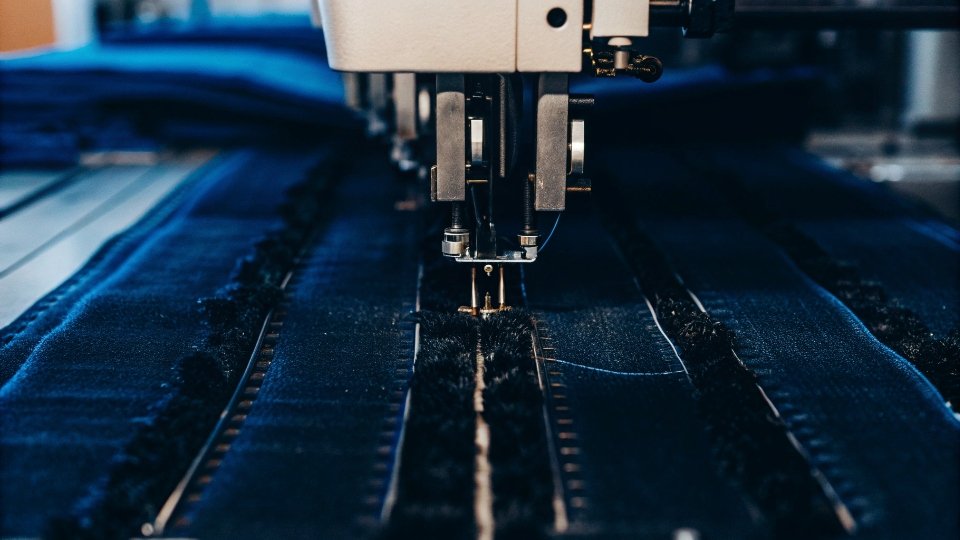
Consistency is the foundation of a great product. Automation is our tool to build that foundation. Think about the long outseam on a pair of jeans.
An automated machine sews a perfectly straight stitch at a consistent tension every single time. A human operator, no matter how skilled, will introduce tiny variations, especially after sewing for hours.
These small inconsistencies add up and can affect how the garment hangs and fits. By automating these core structural seams, we create a perfect, uniform canvas. Only then do we hand it over to the artisans for the creative details.
This also has a huge impact on speed and predictability. An automated pocket setter can attach a pocket in a fraction of the time it takes a person.
By automating a dozen such small steps, we can shave weeks off a large production order. This efficiency means we can meet your tight deadlines for new season launches. It gives you a reliable schedule you can plan your business around.
Can manual artisans handle intricate details?
Your brand's identity is built on unique, artistic details that a machine could never replicate. You worry that a factory's "manual workers" are not true craftspeople who can execute your vision.
Yes, absolutely. The factory's best artisans are specialists who can translate your design intent into reality. They are masters of creating complex distressing, custom embroidery3, and other intricate details that define a premium garment.
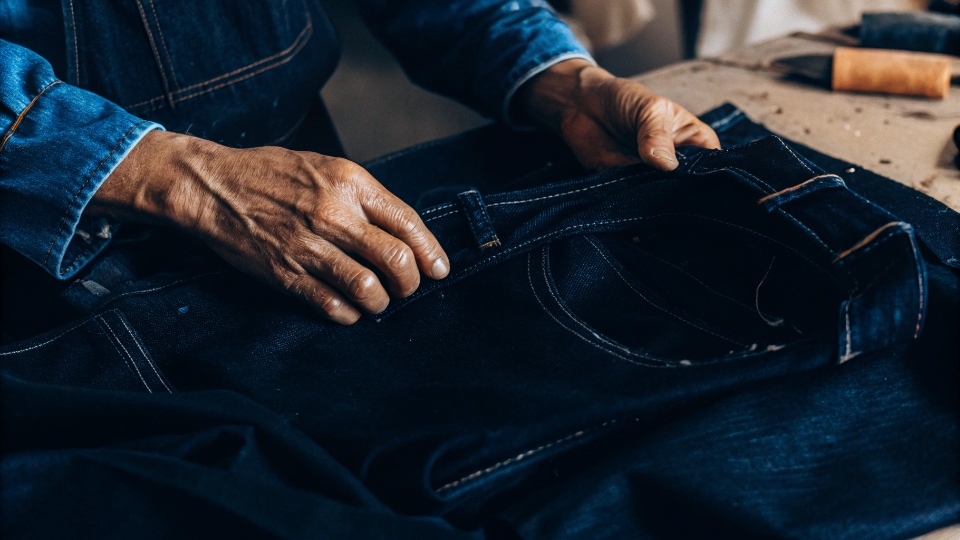
Please do not think of these workers as low-skilled labor. In my factory, our hand-finishing team members are some of our most valued employees. They are true artisans. Many of them have been perfecting their craft for over a decade.
They are not just following instructions; they are interpreting a vision. I remember a client from New York, a designer like you, who wanted a specific "bleach splash" effect that looked like an accident but was perfectly placed.
You cannot program a robot for that. I sat down with my most senior wash master and the designer's sketch. We experimented with different brushes and applications until we matched the look exactly.
That wash master then trained a small, dedicated team to replicate that technique across the entire order. This is the human element that breathes life into denim. These artisans are the difference between a simple commodity and a piece of fashion.
How is the workflow balance optimized for my order?
Your product is unique, and a generic workflow will not work. You are afraid your order will be forced into a factory's standard process, compromising your design for their convenience.
The balance is customized for every single order during pre-production planning. We analyze your design's complexity, order size, and cost targets to create a unique workflow map that serves your specific product, not our convenience.
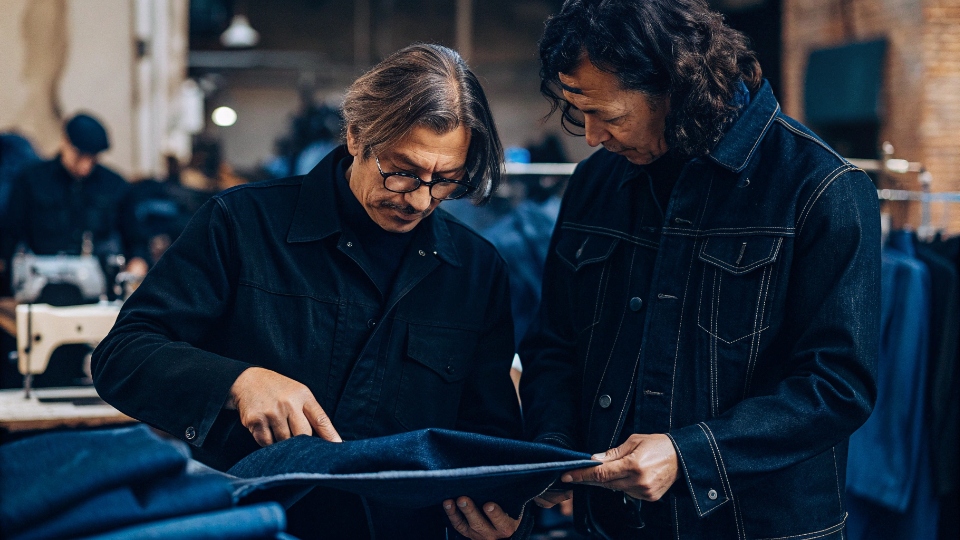
There is no "one-size-fits-all" solution in high-end denim4 manufacturing. A true partner adapts their process to fit your product. Before we cut a single piece of fabric for your order, we create a dedicated production plan.
This plan is based on your unique design. For example, if you order 500 pairs of heavily distressed jeans with custom embroidery, the workflow might be 30% automated and 70% manual.
The focus is on the art. But if you order 10,000 pairs of a clean, dark-rinse jean, the workflow might be 80% automated and 20% manual to maximize consistency and speed.
We will sit down with you and analyze the trade-offs together. Using more automation can lower costs and speed up delivery.
Using more manual artistry can achieve a more unique, high-end look. We present you with these options so you can make the best decision for your brand and your budget.
This is a collaborative discussion, and the final workflow map is something we agree on together.
Conclusion
The best jeans are born from the smart marriage of machine precision and human artistry. Ask your factory how they customize this workflow balance for you to ensure both quality and character.
-
Understanding a workflow map helps you visualize the balance between automation and artistry in jean production. ↩
-
Explore how robot-assisted processes enhance efficiency while maintaining quality in denim production. ↩
-
Learn about the artistry behind custom embroidery and its impact on denim fashion. ↩
-
Learn what sets high-end denim apart and the processes that contribute to its quality. ↩