Skip to content

Dreaming of launching your own jeans brand is exciting, but the unknown costs are daunting. You hear huge numbers and worry that your vision is financially out of reach.
The investment to create your own jeans ranges from $5,000 for a small outsourced order to over $1 million if you build your own factory. The key is starting smart by partnering with an OEM/ODM factory1, which allows you to begin with a manageable budget.
When new designers come to me, their first question is always about money. They have a brilliant idea for a jean but think they need hundreds of thousands of dollars just to get started. I tell them that the number on the price tag depends entirely on the path they choose.
You don't need to own the whole road; you just need a reliable vehicle. The right factory partner is that vehicle. They can handle the heavy machinery of production while you focus on what you do best: designing a great product.
How much money does it really take to make your first batch of jeans?
You have a killer design, but complex quotes make it impossible to know the true per-jean cost. Hidden fees and fluctuating prices make budgeting feel like you are throwing darts in the dark.
To produce one pair of custom jeans in China, the per-unit cost ranges from $6 to $26+. This is broken down into fabric ($4-$18) and the manufacturing process—cutting, sewing, and washing ($2-$8). Premium fabrics and complex washes will be at the higher end of this range.
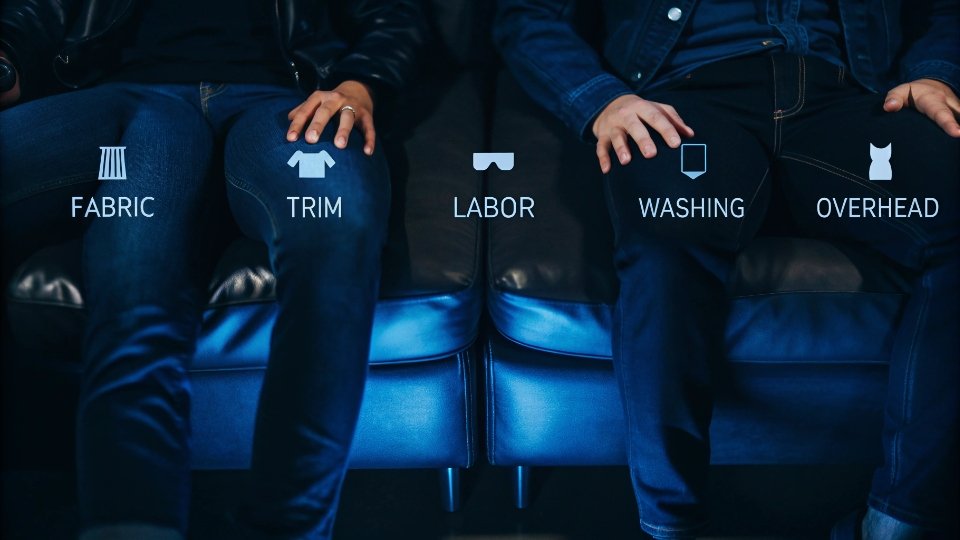
Let's break down where the money goes. The final price tag of a jean is not just one number; it is a sum of several key parts. First is the fabric. A simple, lightweight denim might cost $4 per pair, but if you want premium Japanese selvedge or organic cotton, that could easily be $18 or more.
Next is what we call CMT (Cut, Make, Trim)2, which costs about $2 to $8. This is the labor for cutting the patterns, sewing the jeans, and adding your buttons and rivets. A simple five-pocket jean is quicker to make than a complex design with custom stitching.
Finally, there's the wash. A basic rinse is inexpensive, but a multi-step vintage wash with hand-sanding and laser finishing adds significant cost. I always provide a clear, itemized quote so you know exactly what you are paying for.
| Cost Component | Price Range (per pair) | Main Factors Affecting Cost |
|---|---|---|
| Fabric & Trims | $4 - $18 | Weight, origin (e.g., Japanese selvedge), sustainability. |
| Manufacturing (CMT) | $2 - $8 | Design complexity, stitch count, type of machinery needed. |
| Washing & Finishing | $0.50 - $5 | Simple rinse vs. complex, multi-step vintage washes. |
| Total Production Cost | $6.50 - $31 | Sum of all components, excluding shipping & duties. |
How do you actually start a jeans business on a realistic budget?
The dream of your own brand feels out of reach. Building a factory is impossible, and you believe you need a fortune to even place your first order. This stops many great designers before they even start.
Start by partnering with an experienced OEM/ODM factory. This is the most capital-efficient way. You bring your design vision, and the factory handles the entire production process. You can launch your brand with an initial production investment of $5,000 to $50,000.
You do not need to build a factory to make jeans. That's my job. The smartest way to start is to use our factory as your factory. This is called the Original Equipment Manufacturer (OEM) model. A designer like Dean comes to me with his sketches and his vision for the fit and finish.
We then take care of everything else: sourcing the perfect fabric, creating the pattern, cutting, sewing, washing, and packing. This model drastically lowers your startup costs because you are not investing in buildings or machinery.
You are only investing in your product inventory. For a new brand, a first order might be 300 to 1,000 pairs. This allows you to test the market with a manageable investment before scaling up.
| Business Model | Initial Investment Range | Who It's For |
|---|---|---|
| OEM/ODM Outsourcing | $5,000 - $50,000 | New designers and brands focused on creativity. |
| Semi-Custom | $50,000 - $200,000 | Brands who want to source unique fabrics themselves. |
| Self-Owned Supply Chain | $200,000 - $1,000,000+ | Large, established brands with huge volume. |
Does making jeans really have to use 2000 gallons of water?
You want to build a responsible brand, but you read horrifying statistics about water usage in denim production3. It makes you question if you can create jeans without harming the planet.
No, it absolutely does not. That 2000-gallon figure comes from outdated cotton farming and wasteful washing. Modern, sustainable factories4 use technologies like ozone and laser to reduce water use in the finishing process by over 90%.
The narrative that jeans are an environmental disaster is based on old technology. The majority of that 2000-gallon estimate comes from inefficient cotton irrigation.
And yes, traditional stone washing used enormous amounts of water. But things have changed. A responsible factory partner invests in modern, sustainable technology.
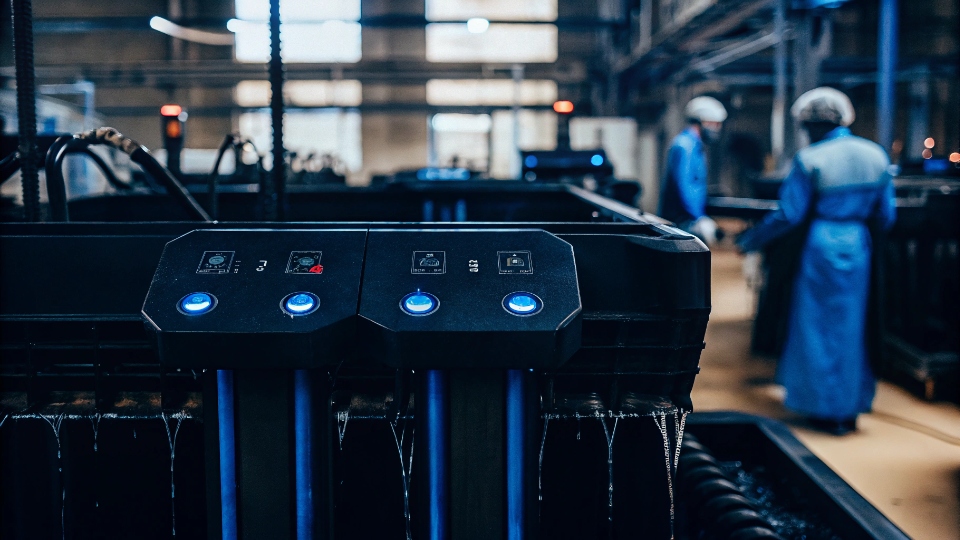
In my factory, we have completely changed the way we wash jeans. Instead of water and bleach, we use ozone gas to lighten denim. Instead of hours of stone washing, we use high-powered lasers to create distressed effects in minutes.
These technologies not only give us more creative control5 but also slash our water and chemical usage. Choosing a sustainable factory might add a small amount to your per-unit cost, but it builds a powerful brand story and is the right thing to do.
With all this effort, is investing in a jeans brand still worth it?
You see the costs, you hear about the competition, and the market feels completely saturated. This makes you doubt if there is any room left for a new brand to succeed.
Yes, it is absolutely worth it if you have a unique point of view. Jeans are a timeless staple, not a fast-fashion trend. Success today comes from creating a high-quality, niche product with a story that connects with a specific customer.
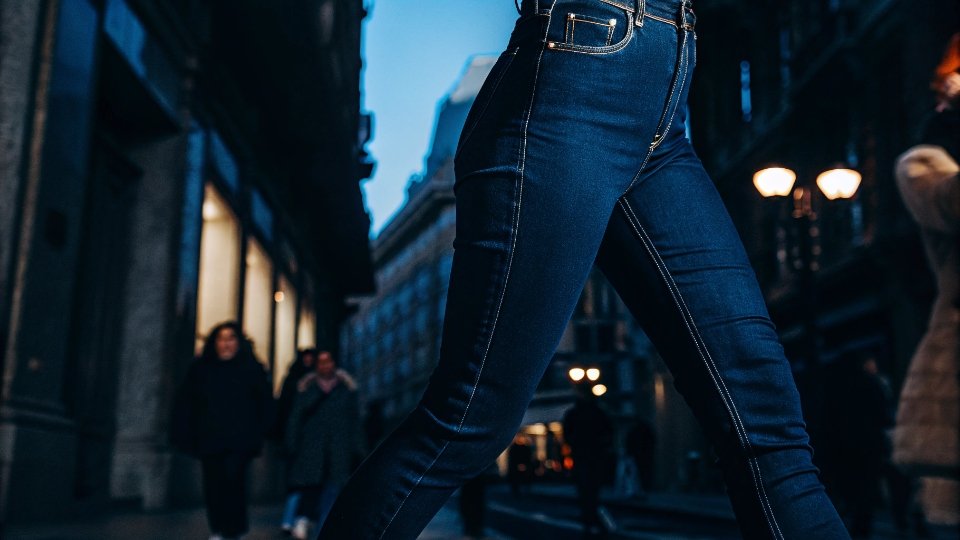
The world does not need another generic, mass-produced jean. But it absolutely needs your jean. The market is not just one big ocean; it is a collection of thousands of smaller lakes.
There are huge opportunities for brands that focus on a specific niche. Maybe it's the perfect fit for cyclists, a line made from 100% recycled materials, or a collection of artistic, hand-painted denim.
People are tired of disposable fashion. They are willing to pay a premium for a product that fits perfectly, is built to last, and has a soul.
I have watched small brands I've worked with grow from a 300-piece test order into internationally recognized names. Your investment is not just in denim and thread; it's an investment in building a durable brand asset.
Conclusion
Starting a jeans brand requires a smart investment, not a massive one. By choosing the right factory partner and focusing on a unique vision, you can build a valuable brand.
-
Explore how partnering with an OEM/ODM factory can streamline your production process and reduce costs. ↩
-
Gain insights into the CMT process and how it affects the cost and quality of your jeans. ↩
-
Understand the realities of water usage in jeans manufacturing and how to mitigate it. ↩
-
Learn about innovative technologies that make denim production more environmentally friendly. ↩
-
Learn about the importance of maintaining creative control in the production process. ↩