Skip to content

You invest in a great pair of jeans, hoping they'll be a wardrobe staple for years. But you worry they might fall apart just like cheaper pairs, making you question if the extra cost was worth it.
A well-made pair of jeans can last from 5 to 15 years, and sometimes even a lifetime. The actual lifespan depends on the quality of the denim1, how they are constructed, how often you wear them, and how you care for them.
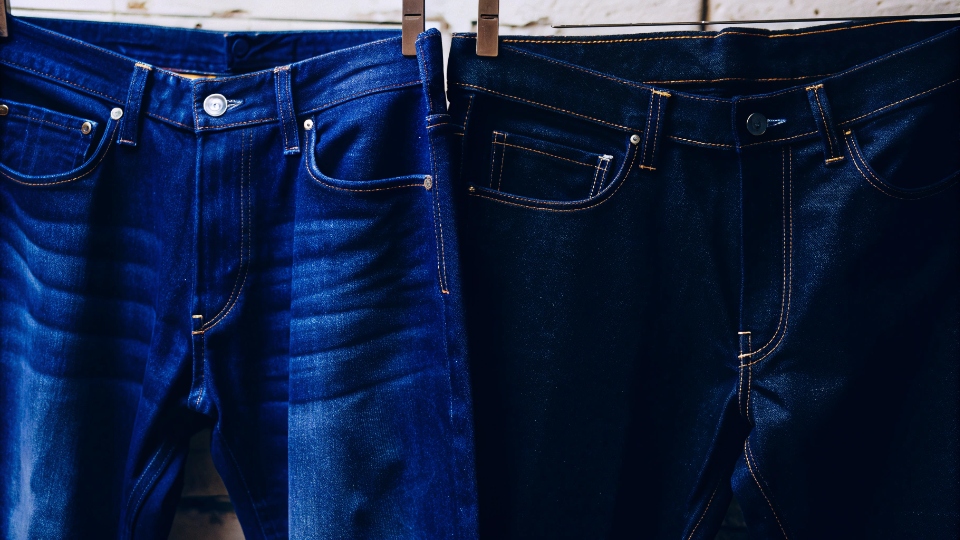
In my two decades of making jeans, I’ve seen it all. I've handled denim from the 1980s that still felt strong and ready to wear.
I've also seen fast-fashion jeans that basically disintegrate after a year of use. The difference isn't magic; it's a combination of good materials and good habits.
A designer like Dean doesn't just look at the style of a jean; he feels the weight of the fabric and inspects the stitching on the inseam. He knows that true value isn't found in a low price tag, but in a garment that gets better with every wear and stands the test of time.
How long should denim jeans last?
You buy a pair of jeans, and you are not sure what to expect. When they wear out in a couple of years, you feel disappointed and wonder if you made a bad choice.
For regular wear (2-3 times a week), a quality pair of jeans should last you a minimum of 5-7 years. If you rotate them with other pairs and care for them properly, that number can easily extend to 10-15 years.
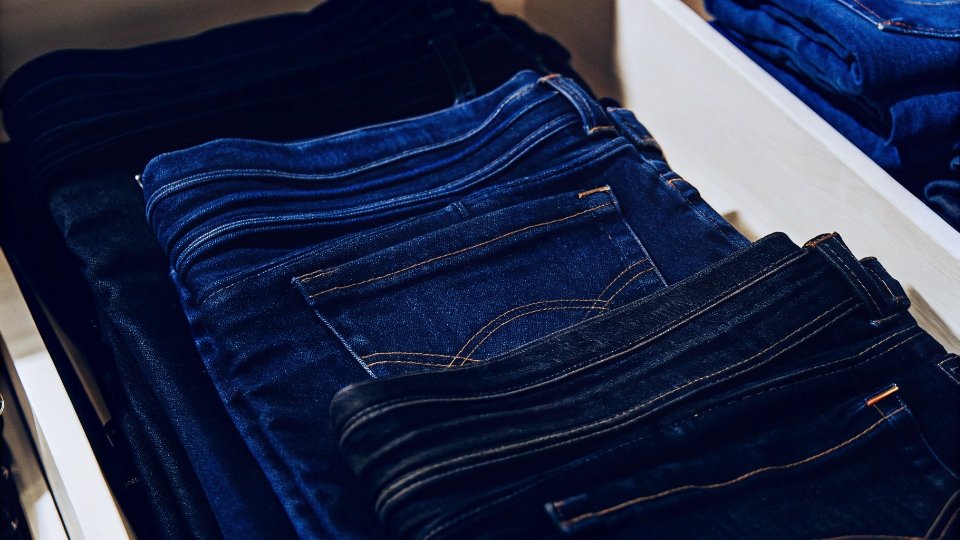
The lifespan of your jeans is a direct result of how you use them. Think of them like tires on a car; the more miles you put on them, the faster they wear out. Wearing the same pair every single day for manual labor will wear them out much faster than wearing them to an office job twice a week.
But the starting point is always quality. At my factory, DiZNEW, we use heavyweight denim2 (12oz and up) and reinforce stress points with bar tacks and double stitching3. This sturdy construction provides a foundation for a long life.
The rest is up to you. By simply having three good pairs of jeans and rotating them, you don't just triple their combined lifespan; you give each pair time to rest and recover between wears, which significantly slows down the aging process.
| Wearing Frequency | Typical Lifespan (with proper care) | Key Factors |
|---|---|---|
| Heavy Daily Wear | 2 - 4 years | Constant stress on seams and fabric. |
| Regular Casual Wear | 5 - 7 years | Balanced wear and rest cycles. |
| Occasional Wear | 10 - 15+ years | Minimal stress, allowing fabric to last longer. |
How long does it take for denim jeans to degrade?
You are cleaning out your closet and wonder what happens to old jeans you throw away. The thought of them sitting in a landfill forever is a real environmental concern.
100% cotton denim is biodegradable and can decompose in about 1 to 5 years in a landfill environment. However, any synthetic fibers4 like elastane (spandex) mixed in and the metal hardware will not break down, slowing the process.
This is an important question for a sustainable brand. The good news is that the core material of your jeans, cotton, comes from a plant.
In the right conditions, microorganisms will break it down and return it to the earth. The problem arises from what we add to the cotton. Many modern jeans contain a small percentage of elastane or polyester to provide stretch.
These are plastic-based fibers that can take hundreds of years to degrade. The same goes for the metal rivets and zippers. While incredibly durable, they will long outlast the fabric they are attached to. This is why care and repair are so vital.
Extending the life of your jeans by just one year can reduce their carbon and water footprint significantly. It's also why recycling old denim into new fabric or insulation is a far better end-of-life solution than throwing them in the trash.
How to tell if denim is bad quality?
You are shopping, faced with a wall of jeans that all look similar. You are terrified of paying a premium price for a pair that will stretch out and fall apart within a year.
Feel the fabric, check the stitches, and inspect the hardware. Low-quality denim often feels thin, overly soft, and flimsy. It will have sloppy, single-thread stitching and cheap, lightweight zippers that feel like they could break easily.
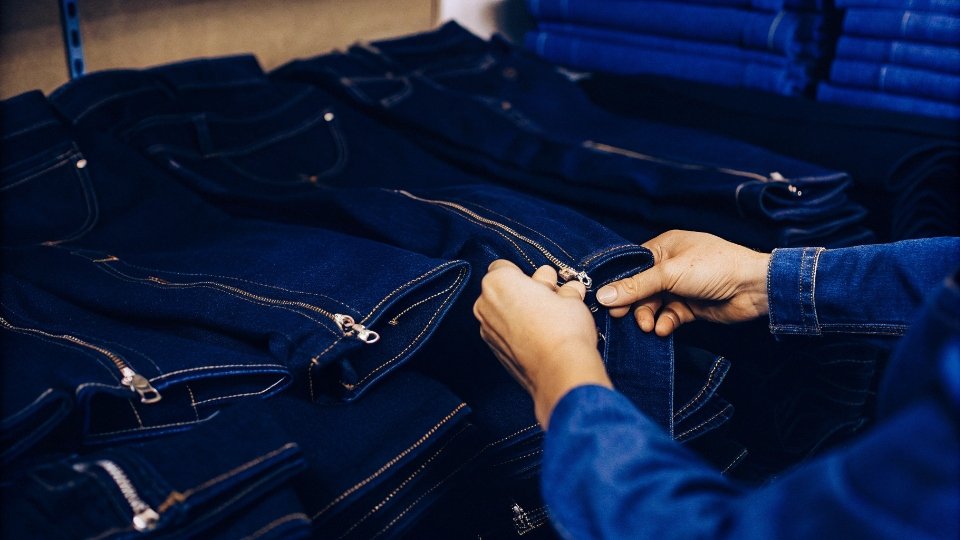
After handling millions of pairs of jeans, you develop a feel for quality. But anyone can learn the basics. The first test is to simply hold them.
Good denim has a substantial, confident weight to it. It might even feel a bit stiff if it's raw or has minimal washing. Bad denim feels weak and is often artificially softened to hide the low-grade cotton.
Next, look closely at the seams, especially along the inseam and on the back pockets. Are the stitches tight, straight, and dense? Or are they loose and uneven? High-quality jeans use strong thread and often have double-stitched or chain-stitched seams for durability.
Finally, check the hardware. A cheap, flimsy zipper is a huge red flag. Brands that care about longevity use trusted suppliers like YKK for their zippers and solid metal for their buttons and rivets.
| Quality Indicator | Look for This (Good Quality) | Avoid This (Bad Quality) |
|---|---|---|
| Fabric | Feels substantial, has some weight (12oz+) | Thin, flimsy, feels like a soft t-shirt |
| Stitching | Dense, straight, even lines; double seams | Loose, crooked, single-thread seams |
| Hardware | Solid metal, brand-name zipper (e.g., YKK) | Lightweight metal or plastic, generic zipper |
| Stretch | Minimal stretch, quick recovery | Overly stretchy, feels like a legging |
When should you throw away jeans?
Your favorite jeans have holes and are looking worn. You are not sure if they are fashionably distressed5 or just completely worn out and ready for the trash.
It is time to retire your jeans when they have major structural failures6. This includes large, irreparable tears in high-stress areas like the crotch or seat, seams that are completely unraveling, or when the fabric itself has become paper-thin and tears with simple movement.
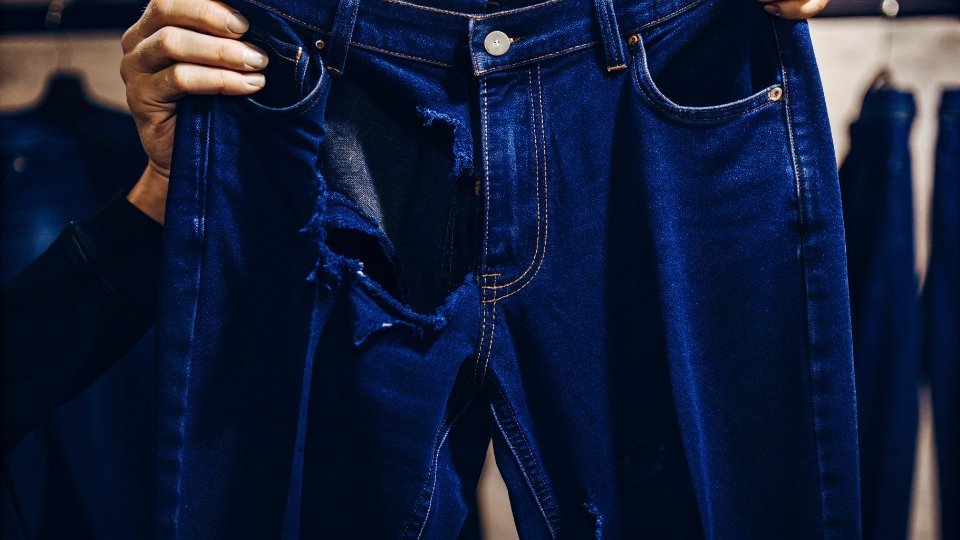
I believe you should almost never "throw away" jeans. Instead, think about when it is time to retire them from regular wear.
A hole in the knee is not a death sentence; it is a character mark. It can be patched, and in styles like Japanese sashiko, the repair itself becomes a beautiful feature.
You should retire a pair when the integrity of the fabric itself is gone. If you hold the denim up to the light in the thigh or seat area and can see right through it, that material is about to fail completely.
A tailor7 can work wonders, but they cannot create new fabric. Once the material is structurally unsound, it is time to move on. But "moving on" does not mean the trash can.
Those retired jeans are the perfect source material for great-looking summer shorts, patches for another pair of jeans, or for donation to a textile recycling program8.
Conclusion
A pair of high-quality jeans is a long-term investment. By choosing well and caring for them properly, you can enjoy your favorite denim for a decade or even longer.
-
Understanding the quality of denim helps you make informed purchasing decisions for long-lasting jeans. ↩
-
Learn about heavyweight denim and its benefits for durability and longevity in jeans. ↩
-
Discover how bar tacks and double stitching enhance the durability of jeans. ↩
-
Learn how synthetic fibers can affect the lifespan and environmental impact of jeans. ↩
-
Explore the concept of fashionably distressed jeans and how to differentiate them from worn-out pairs. ↩
-
Understand the signs of structural failures to know when it's time to retire your jeans. ↩
-
Discover how a tailor can extend the life of your jeans through repairs and alterations. ↩
-
Learn about textile recycling programs and how they contribute to sustainability. ↩