Skip to content

You have amazing designs and a brand vision. But the step from idea to inventory feels like a huge, impossible leap. You need a partner to make your clothes, not just a supplier.
To mass produce your clothing line, you need a manufacturing partner1 who understands your vision. You find them on B2B platforms2, at trade shows, or by directly contacting factories in established production hubs and vetting them carefully.
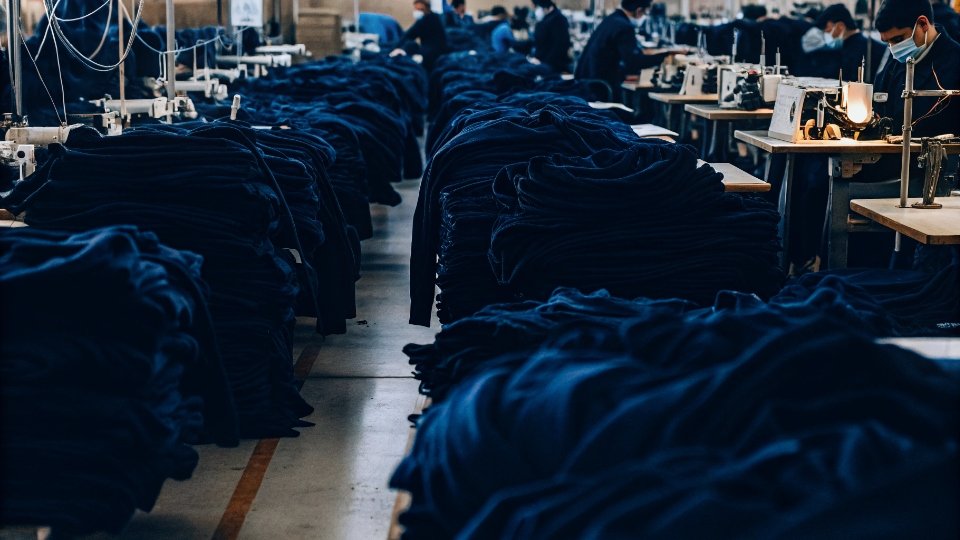
I have spent my entire life in the world of jeans. My factory, DiZNEW, is in Dongguan, China, and for over twenty years, I have helped people just like you turn their sketches into real products that sell.
The biggest mistake I see new brand owners make is thinking they just need to "find someone to make clothes." What they really need is a partner. The process is not as scary as it looks if you know the steps. I am going to walk you through the real process of finding the right help for your brand.
How do I find a manufacturer for my clothing line?
You are searching online, but every website looks the same. You are worried about sending money to a company you have never met and getting back a box of clothes you cannot sell.
Find a manufacturer by defining your needs first, then searching on B2B platforms like Alibaba. Vet them by checking their history, asking for samples, and verifying their certifications. For the best result, visit the factory in person.
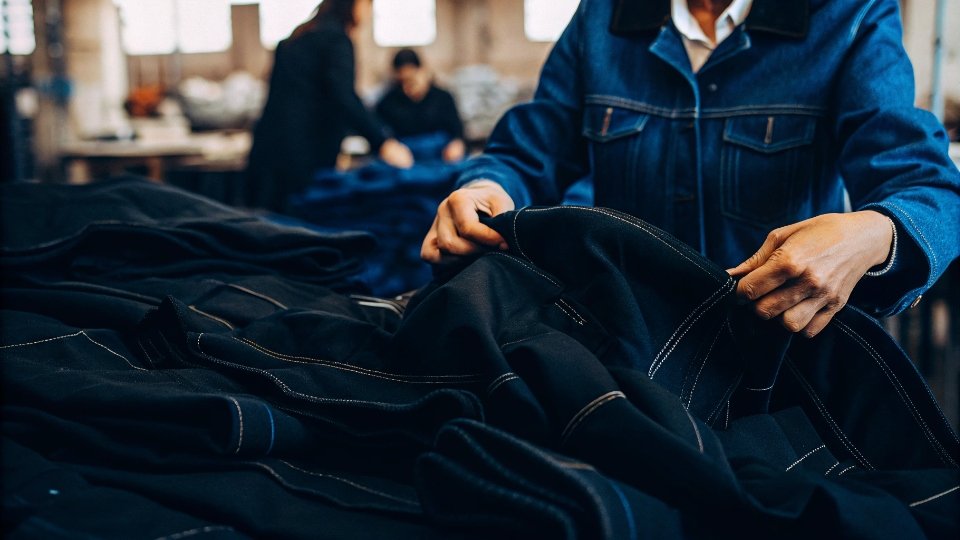
Finding the right partner is the most important decision you will make. This is about more than just price. It is about quality, reliability, and communication.
Before you even start looking, you need to be clear about a few things: what type of clothes are you making? What is your target quality level? What is your budget? And how many pieces do you want for your first order? Once you know that, you can start your search.
The big online platforms like Alibaba are a good starting point. They give you access to thousands of factories. Look for suppliers with good ratings, a long history, and clear pictures of their facility.
The next step is crucial: you must vet them. Ask them for pictures of their production line. Check if they have certifications like ISO 90013, which shows they have a quality management system4.
The most important step is to get a sample. Never, ever place a bulk order without seeing and feeling a sample first. If you can, visit the factory. At DiZNEW, we welcome potential partners to come see how we work. It builds trust and ensures we are the right fit for your brand's future.
What is the 3-3-3 rule for clothing?
You hear about rules and strategies for fashion and feel overwhelmed. There is so much to learn, and you are not sure which advice applies to building a business versus just managing a closet.
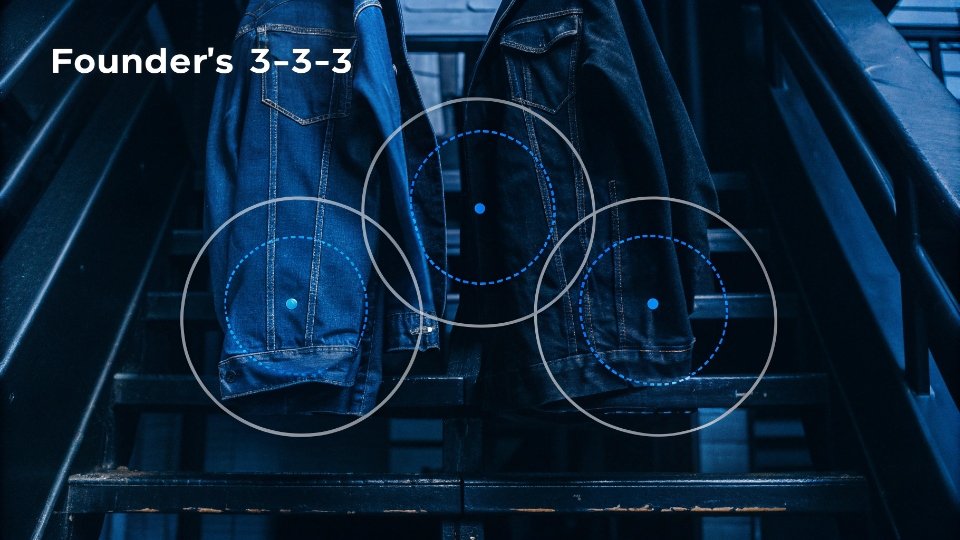
The most common 3-3-3 rule is for consumers (Project 333: 33 items for 3 months). For a new brand, however, a better rule is the "Founder's 3-3-3": launch with 3 core styles, in 3 colorways, focused on 3 key sizes.
Many people know the "3-3-3" rule as a way to simplify their personal wardrobe. While that is useful for consumers, I guide new brand owners to think differently. Starting a brand means managing risk, and the biggest risk is your first inventory order.
You do not want to spend your entire budget on ten different designs that might not sell. Instead, you need a focused, strategic launch. This is where my "Founder's 3-3-3 Rule" comes in. It is a simple framework to help you place your first production order smartly.
The Founder's 3-3-3 Rule
- 3 Core Styles: Do not try to be everything to everyone. Start with your three strongest, most essential designs. This could be one t-shirt, one hoodie, and one pair of jeans. Make them the absolute best they can be. This focuses your design energy and marketing message.
- 3 Colorways: For each style, offer three versatile colors. This usually includes a black, a white or neutral, and one signature brand color. This gives customers choice without overwhelming them or your inventory.
- 3 Key Sizes: Focus your initial size run on the most common sizes (e.g., Small, Medium, Large). You can expand your size range later as you gather sales data. This concentrates your investment where you are most likely to get a return.
Where do boutiques get their stock from?
You see small, independent boutiques with unique, curated collections. You wonder how they find these cool pieces and how you can get your own brand onto their shelves one day.
Boutiques source stock from wholesale marketplaces5 like Faire, attend trade shows to meet brands, buy directly from brand representatives, and work with factories like mine to create their own exclusive private label6 products.
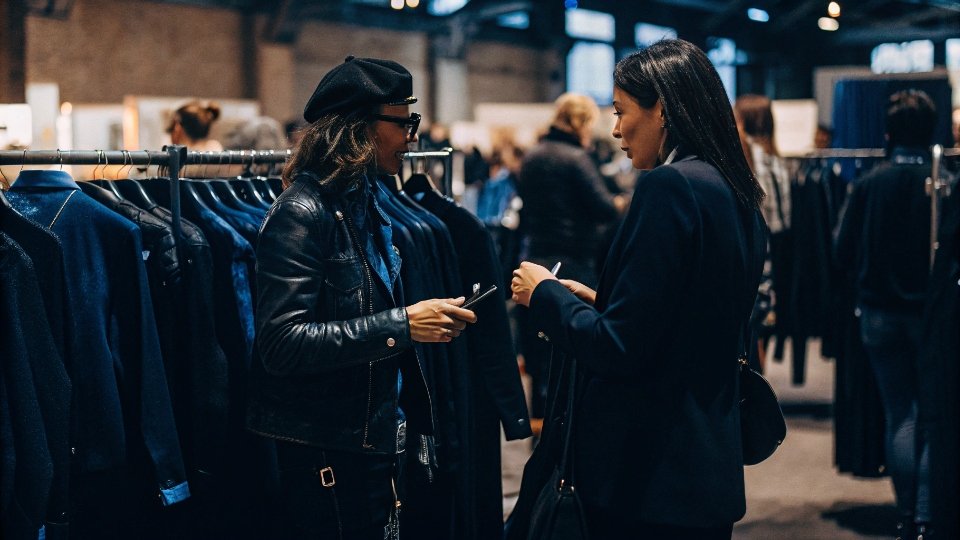
Boutiques have a mix of strategies for filling their racks. Understanding these channels is key if you want them to carry your line. First, they use online wholesale marketplaces.
Websites like Faire or FashionGo have made it very easy for retailers to discover and order from thousands of independent brands with low minimums. It is a great place for new brands to get noticed. Second, they go to industry trade shows7.
Events like MAGIC in Las Vegas or Coterie in New York are where boutique owners go to see new collections in person, feel the fabrics, and place orders for the next season. It is still a very important part of the business.
Third, some larger boutiques buy directly from a brand's sales team. And finally, many boutiques develop their own "private label6" or "in-house" brand. This is where they come directly to a factory like DiZNEW.
We work with them to design and produce a small collection that is exclusive to their store. It gives them better profit margins and a unique product no one else has.
How much would it cost to start a clothing line?
You have a dream, but you also have a budget. You are trying to figure out if you can afford to launch your brand, but the potential costs seem endless and unpredictable.
Starting a clothing line can cost anywhere from a few thousand to over $50,000. Your main costs are product development8 (samples), the first bulk production run (cost per item x MOQ), and marketing/e-commerce setup.
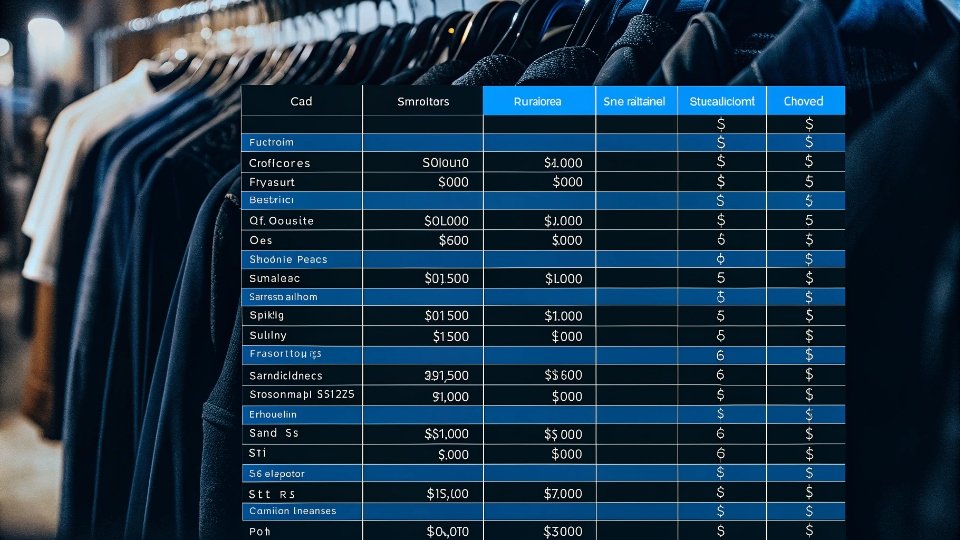
This is the big question, and the honest answer is: it depends. I have seen founders start with $5,000 and I have seen brands launch with a $100,000 investment. The final number depends entirely on your product's complexity, the quality of your materials, and your factory's Minimum Order Quantity (MOQ)9. However, I can give you a realistic breakdown of where the money goes.
| Cost Category | Typical Low End | Typical High End | What It Covers |
|---|---|---|---|
| Design & Development | $500 | $3,000+ | Tech packs, pattern making, first samples. Each sample from a factory can cost $50-$200. |
| First Production Run | $3,000 | $20,000+ | This is your biggest expense. If your cost per jean is $20 and the MOQ is 300 pieces, that's $6,000 for just one style. |
| Website & Branding | $500 | $5,000+ | Logo design, Shopify or other e-commerce platform setup, product photography. |
| Marketing & Launch | $1,000 | $10,000+ | Initial advertising, social media campaigns, sending products to influencers. |
| Business & Legal | $500 | $2,000+ | Business registration, trademarks, basic legal fees. |
The most important factor is your production cost. A good factory partner will be transparent about their pricing and work with you to find a solution that fits your budget without sacrificing the quality your brand needs to succeed.
Conclusion
Starting a clothing line is about finding the right manufacturing partner1. Define your needs, vet your options carefully, and plan your budget wisely to turn your vision into a successful brand.
-
Understanding the role of a manufacturing partner is crucial for successfully launching your clothing line. ↩ ↩
-
Explore top B2B platforms to connect with reliable manufacturers for your clothing line. ↩
-
Understanding ISO 9001 can help you choose a manufacturer with a proven quality management system. ↩
-
Understanding quality management systems can help you choose a reliable manufacturing partner. ↩
-
Find out which wholesale marketplaces can help you get your brand noticed by boutiques. ↩
-
Understanding private labels can open new opportunities for your brand in retail. ↩ ↩
-
Learn how trade shows can provide valuable networking opportunities with potential manufacturing partners. ↩
-
Explore the essential steps in product development to ensure a successful clothing line launch. ↩
-
Learn about MOQ and how it affects your production costs and inventory management. ↩