Skip to content

Remember those iconic horseshoe stitches on the back pockets? True Religion was once the king of premium denim, but its ownership seems as complex as its designs now. Who's pulling the strings?
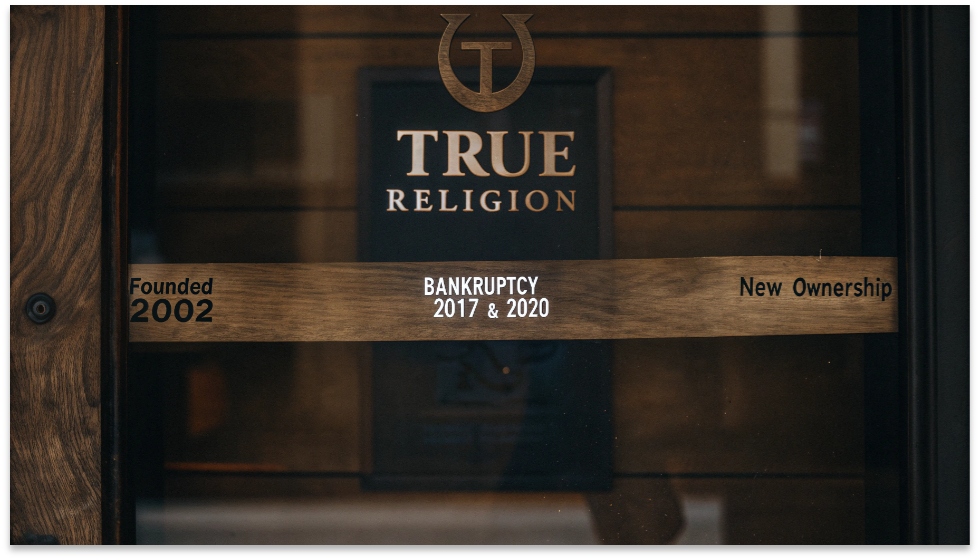
True Religion is primarily owned by a group of its former lenders, including Farmstead Capital Management. The brand emerged from bankruptcy under new leadership and is no longer a publicly traded or founder-owned company, focusing on a strategic turnaround.
Dean, the story of True Religion is a perfect case study in the lifecycle of a brand. It's a lesson I've seen play out from the factory floor many times.
It's not just about who writes the checks now, but about the dramatic journey from a $300 status symbol to a brand fighting for a comeback. Understanding this journey is crucial for any designer navigating the business side of fashion.
Who is True Religion Owned By?
You see the name, but the corporate structure is a mystery. Is it a founder, a big corporation, or a private equity firm that now controls this iconic denim brand?
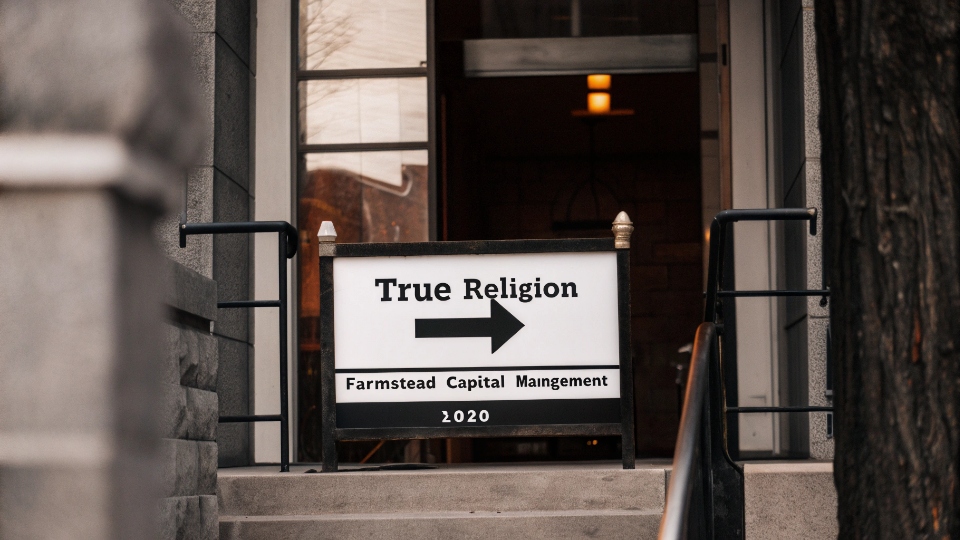
True Religion is owned by a collective of its lenders, led by Farmstead Capital Management, who took control after the brand's second bankruptcy in 2020. It now operates as a privately held company.
This is a classic story in the apparel industry, Dean. A brand loaded with debt eventually gets taken over by the people who lent it money.
It started with founder Jeff Lubell, who sold the company to private equity firm TowerBrook Capital Partners in 2013. The debt from that sale, combined with changing fashion trends, led to two bankruptcies.
The current owners are the financial firms that were left holding the bag. For a designer, this is a critical shift. The conversation in the boardroom changes from being design-led to being finance-led.
The focus moves from creating the most innovative product to creating the most profitable one, which impacts everything from fabric sourcing to the complexity of the washes we're asked to produce.
Who is the CEO of True Religion?
A brand's revival often hinges on its leadership. With such a turbulent history, you have to wonder who is in the driver's seat, steering True Religion through its comeback.
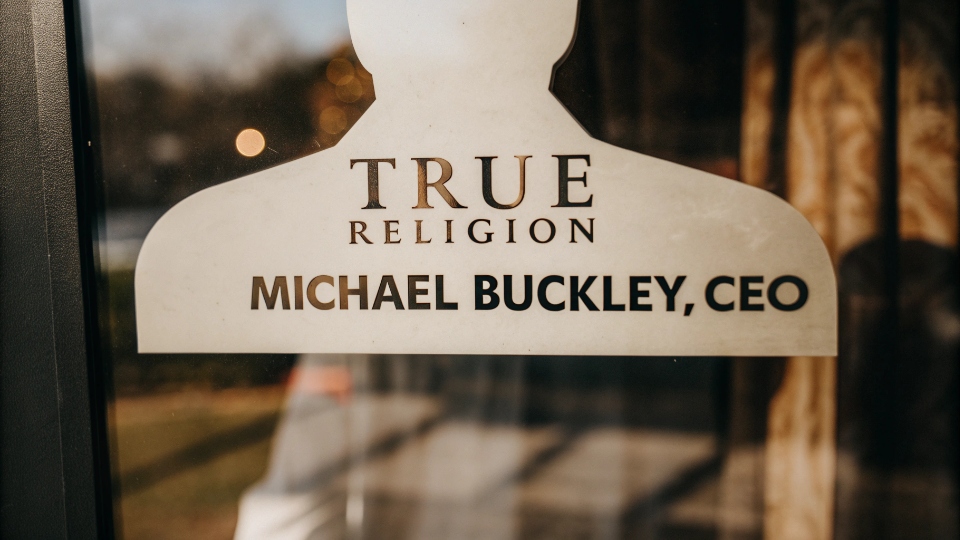
The current CEO of True Religion is Michael Buckley. He was appointed in 2019, just before the brand's second bankruptcy, and has been tasked with leading its modern turnaround strategy and reconnecting with customers.
Bringing in a leader like Michael Buckley is a classic "turnaround" move. His job is fundamentally different from that of a founder. He isn't there to invent a new aesthetic; he's there to stabilize a famous brand, make it financially healthy, and find its place in the modern market.
This often involves a heavy focus on direct-to-consumer e-commerce, smart collaborations, and connecting with a new generation like Gen Z who may only know the brand through nostalgia.
From my perspective in manufacturing, a new CEO like this signals big changes. We might get requests for faster production timelines to react to trends, or a push for more cost-effective washing techniques. It’s a clear sign that the brand's core priorities are shifting from the very top.
Did American Eagle Buy True Religion?
You see True Religion being sold in American Eagle stores and immediately think "acquisition." It's a logical conclusion, but is this a corporate buyout or something else entirely?
No, American Eagle did not buy True Religion. They formed a strategic partnership in 2021 where American Eagle sold a curated collection of True Religion jeans in their stores and online, leveraging their large retail footprint.
This is a brilliant modern retail strategy, Dean, and we're seeing more of it. Think of it as a "brand-as-a-service" model.
True Religion wants to reach American Eagle's massive audience of young shoppers without the enormous cost of opening hundreds of its own stores.
American Eagle gets to add a cool, nostalgic brand to its offerings, which drives excitement and traffic. It's a partnership, not an acquisition. For us as the manufacturing partner, these collaborations can be quite complex.
The product has to meet the quality and compliance standards of both brands, and the logistics of producing and delivering a special collection for a specific retail partner require incredible precision. It’s a win-win for the brands, but it requires a lot of coordination behind the scenes.
Why Are True Religion Jeans So Cheap Now?
You remember them being $300+, a true luxury item. Now you see them at discount retailers for a fraction of that price. What happened to the premium brand you knew?
The price drop is a direct result of two bankruptcies, which forced the mass liquidation of inventory. This flooded the market with discounted products, shattering the brand's premium image and forcing a long-term price adjustment.
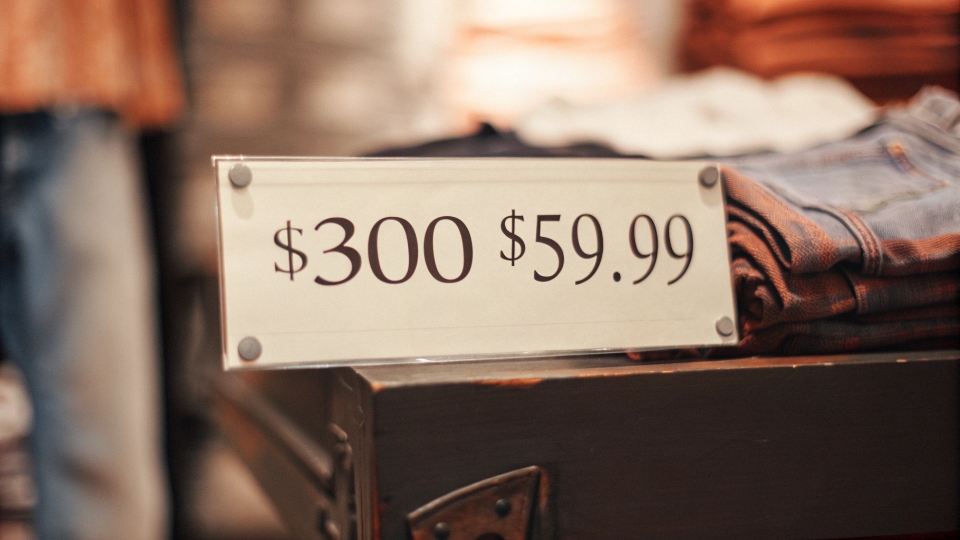
This is the most painful and important lesson in branding, Dean. Brand value is fragile, and nothing destroys it faster than bankruptcy. When a company liquidates, its primary goal is to turn inventory into cash to pay creditors.
This means warehouses full of jeans are sold for pennies on the dollar to off-price channels like TJ Maxx and Marshalls.
The Lifecycle of a Premium Brand's Value
| Stage | Key Factors | Impact on Price |
|---|---|---|
| The Rise (Early 2000s) | Unique, bold design (thick stitches, flap pockets), celebrity endorsements, limited distribution. | High price point ($300+) created exclusivity and status symbol appeal. |
| The Fall (Early 2010s) | Fashion trends shifted to minimalism and skinny jeans. The logo became overexposed and lost its cool factor. | Prices remained high, but sales slowed dramatically as the product lost relevance. |
| The Crash (2017-2020) | Two bankruptcies led to forced liquidation. Inventory was dumped into the off-price market. | The brand's premium perception was destroyed. A customer will not pay $300 for something they saw for $50. |
Once a customer sees that steep discount, it's nearly impossible to convince them to pay the original premium price again. The new leadership had no choice but to adjust to this new market reality.
Conclusion
True Religion's story is a powerful lesson. Now owned by its former lenders, the brand is navigating a tough comeback, proving that a brand's value is about much more than just its design.