Skip to content

You see a Levi's 501 next to an Old Navy jean. The price difference is huge, but are you just paying for the little red tab? It's a question of value versus legacy.
No, an Old Navy jean is not "as good as" a Levi's 501, because they are not trying to be the same thing. The 501 is an icon built for durability with heritage denim. Old Navy jeans are built for affordability and immediate comfort.
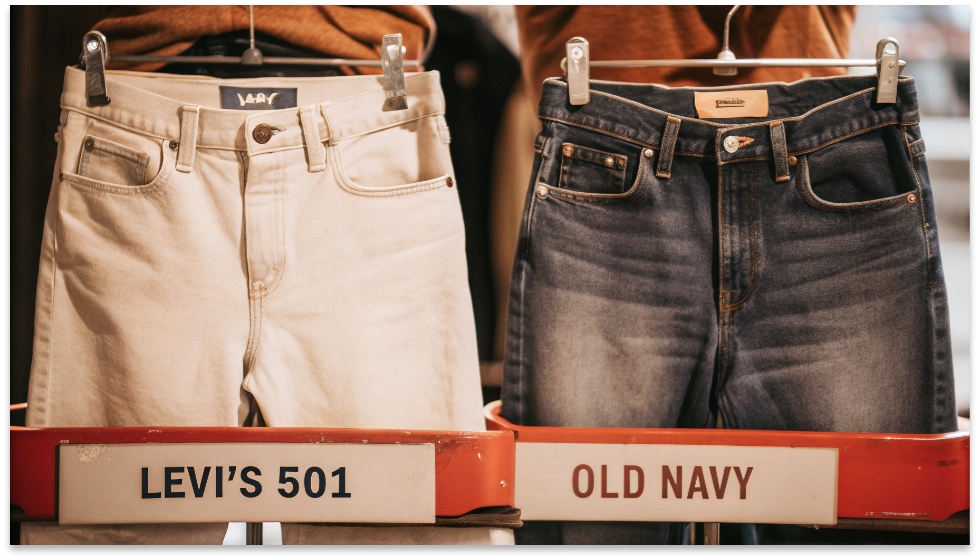
Dean, from my factory floor, I can tell you this comparison is one I see all the time. But it pits a specific, legendary product against a massive value brand's entire category. This isn't a fair fight.
A better way to look at it is through the lens of intent. The Levi's 501 is designed with history and durability at its core. Old Navy is designed with trend, accessibility, and comfort as the primary goals. These different starting points lead to completely different choices in fabric, construction, and finishing.
You're looking at the mass market and see Old Navy's incredibly low prices. You have to wonder if the quality is so poor that they're practically disposable.
Old Navy pants offer good quality for their price point. The brand excels at delivering on its promise of affordability and trend-right styles. The quality is sufficient for everyday wear but is not designed for multi-decade longevity.

As a manufacturer, I define "quality" as fulfilling the brand's promise to its customer. Old Navy's promise is value. They achieve this through massive production volumes, which lowers their cost per unit.
They use lighter-weight denims, often in the 10-11 oz range, that are pre-softened for immediate comfort right off the shelf. Their construction is efficient and standardized. Are they built to be a family heirloom?
No. But they are built to look good, feel comfortable for a reasonable lifespan, and not break the bank. In that regard, the quality is exactly what it needs to be for their target market. They aren't trying to be a premium heritage brand.
Quality Metrics: Price vs. Longevity
| Quality Aspect | Old Navy (Value-Focused) | Levi's 501 (Heritage-Focused) |
|---|---|---|
| Fabric Weight | Lighter (e.g., 10-11 oz) | Heavier (e.g., 12.5 oz+) |
| Fabric Feel | Soft, often with stretch | Stiffer, breaks in over time |
| Construction | Efficient, standardized | More robust, classic methods |
| Design Intent | Trend & Comfort | Durability & Authenticity |
What Jeans Are Better Than Levi's?
You respect Levi's as the originator, but you know the world of denim has evolved. You're searching for the brands that represent the peak of quality in today's market.
Many brands can be considered "better" than standard Levi's, depending on your definition. For raw fabric and construction, Japanese selvedge brands are superior. For fashion-forward washes and fits, designer brands often lead the way.

Dean, this question opens up the entire world of denim. It's not one single brand. "Better" is subjective. If your client wants the absolute best raw denim that will age beautifully, I would point you to Japanese brands like Momotaro or Iron Heart.
They use vintage looms to create incredible selvedge fabrics that are rich with character. If "better" means more innovative washing and finishing, brands in the premium contemporary space push the boundaries with lasers, complex ozone treatments, and hand-finishing. The standard Levi's line is the benchmark for the global mass market.
Many brands have since taken that foundation and elevated one specific aspect—fabric, fit, or finish—to a much higher level, but always at a much higher price.
You notice a certain feel and fit that seems consistent across several big mall brands. This makes you suspect a shared ownership and manufacturing strategy behind the scenes.
Old Navy is owned by Gap Inc. This parent company also owns Gap, Banana Republic, and Athleta. They leverage a massive, shared global supply chain to produce garments for all their brands.
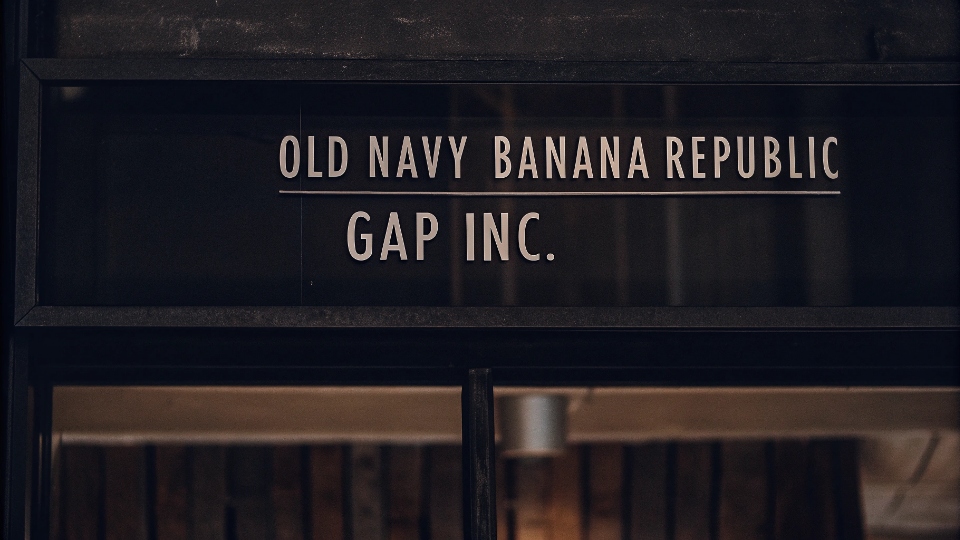
This is a critical piece of the puzzle for a designer to understand. Gap Inc. is one of the largest apparel retailers in the world. When they approach factories, they do so with immense volume and buying power.
This allows them to secure very low production costs. While they share a supply chain, they don't produce the same product for each brand. The process starts with your tech pack. The specs for a Banana Republic jean will call for a higher-grade fabric, more complex stitching, and premium hardware.
The specs for an Old Navy jean will be optimized for value and efficiency. They may even be produced in the same factory, side-by-side, but the final products are engineered to hit very different quality and price targets.
You're designing for a mid-tier customer and need to benchmark against the market leaders. Is there a real, tangible difference between an Old Navy jean and one from its sister brand, Gap?
Gap generally has "better" quality jeans than Old Navy. As the parent company's namesake brand, Gap is positioned slightly higher and typically uses heavier fabrics, more detailed washes, and higher-quality trims and hardware.
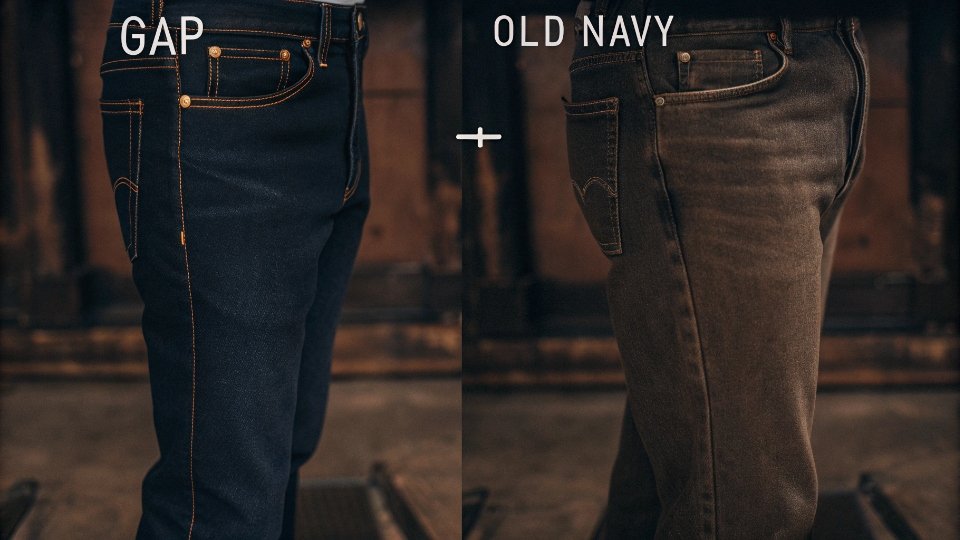
From a production standpoint, the difference is clear and measurable. A basic 5-pocket jean from Gap might be specified with a 12 oz denim. The equivalent style at Old Navy might use an 11 oz denim.
That single ounce changes the feel, drape, and durability of the garment. The wash process for the Gap jean might involve extra steps, like hand-sanding or a tinting spray, to create more depth and a vintage look. The Old Navy wash will be simpler and faster to maximize efficiency.
These are not accidental differences. They are deliberate product engineering decisions made to align with each brand's target price point and customer expectations. The Gap jean is built to be a small step up in quality and price.
A Tale of Two Tech Packs
| Specification | Gap (Mid-Tier) | Old Navy (Value-Tier) |
|---|---|---|
| Denim Weight | ~12 oz | ~11 oz |
| Wash Process | Multi-step (e.g., stone, enzyme, sanding) | Simpler (e.g., stone, enzyme) |
| Hardware | Custom branded shank & rivets | Standardized, simpler hardware |
| Pocket Bags | Heavier twill with print | Lighter weight plain twill |
Conclusion
A Levi's 501 is a durable icon, while Old Navy jeans offer accessible style. True quality lies in understanding a jean's intended purpose, not just comparing price tags or brand names.