

You probably have a favorite pair of jeans. They might be dark and crisp or soft and faded, but chances are, they are blue. Denim comes in every color today, yet blue remains the undisputed classic. Was this a deliberate fashion choice, or was it simply a historical accident?
The answer is pure practicality. The original indigo dye1 was affordable, long-lasting, and brilliant at hiding dirt, making it the perfect choice for the rugged trousers worn by miners and laborers in the American West. The story of blue jeans is a perfect example of function dictating form, creating a fashion icon2 by solving a real-world problem.
The Practical Magic of Indigo Dye
The journey of blue jeans begins not with fashion, but with chemistry and economics. Before the iconic blue took over, the first work pants sold by merchants like Levi Strauss3 were actually made from brown canvas4. While tough, this "duck cloth" was stiff, uncomfortable, and not ideal for the grueling work of miners and ranchers.
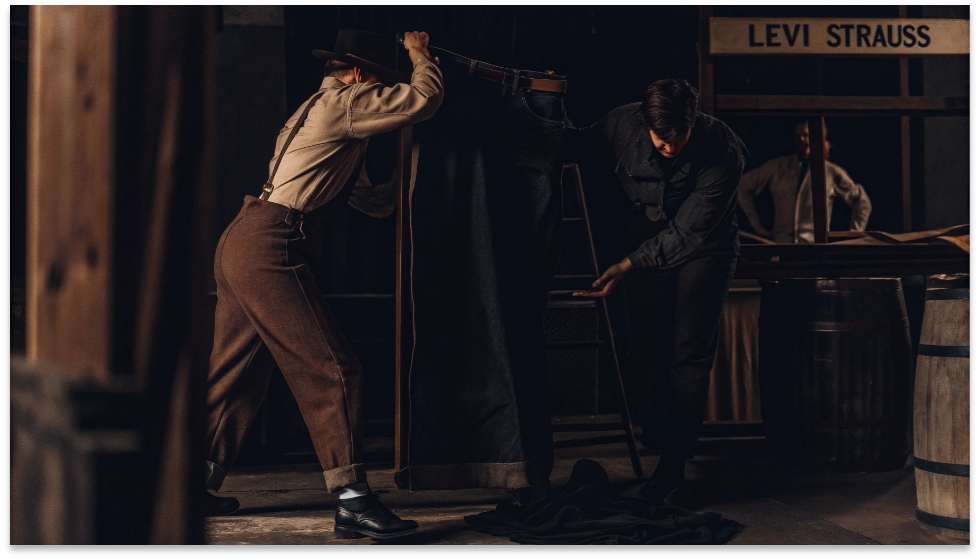
The switch to blue denim5, a sturdy twill fabric from Nîmes, France ("de Nîmes"), was a major upgrade. This material was not only strong but also far more comfortable. The signature color came from indigo, a natural dye with a unique property: it doesn't fully penetrate cotton fibers. Instead, it clings to the surface of the yarn.
This characteristic is the secret to denim's soul. As the fabric is worn and washed, the indigo dye on the surface slowly chips away, revealing the white cotton core of the threads beneath. This process creates the beautiful, personalized fading patterns that denim enthusiasts cherish today. A feature born from function later became denim's greatest aesthetic strength. The dark blue hue was also incredibly effective at camouflaging dirt and stains, a crucial benefit for laborers who couldn't wash their clothes frequently.
Who Invented Blue Jeans and Why?
Every great invention has an origin story, and blue jeans are no exception. The innovation wasn't just about the fabric but also about solving a common and frustrating problem for working men.
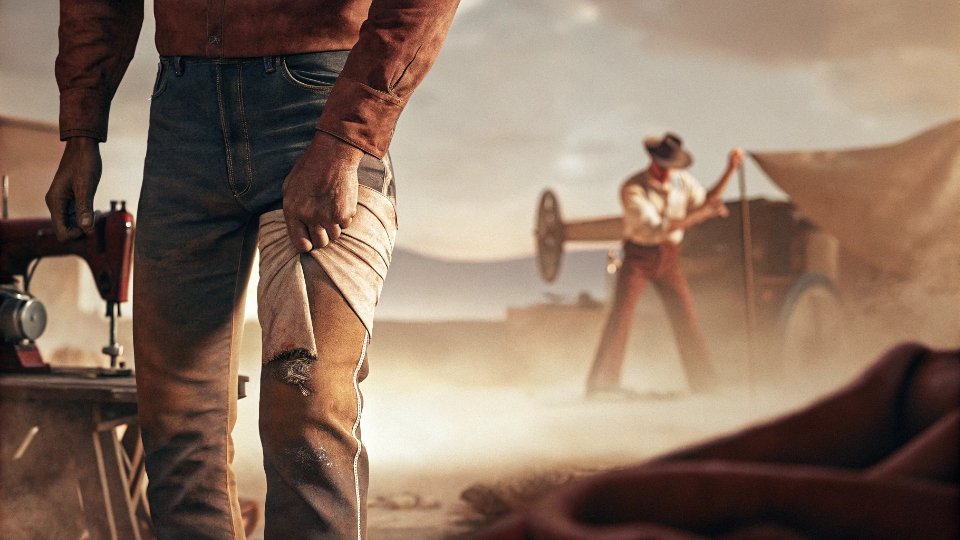
The two key figures are Levi Strauss, a Bavarian immigrant and dry goods merchant in San Francisco, and Jacob Davis6, a tailor based in Reno, Nevada. Davis's customers, many of them miners, constantly complained that their pant pockets would rip open when filled with heavy tools and ore samples.
Davis had a brilliant idea: place small metal rivets at the stress points, like the corners of the pockets and the base of the button fly, to reinforce them. The solution worked perfectly, but Davis lacked the funds to file for a patent. He decided to write to his fabric supplier, Levi Strauss, proposing they partner on the venture.
Strauss, a savvy businessman, immediately recognized the potential. Together, they secured U.S. Patent No. 139,121 on May 20, 1873, for an "Improvement in Fastening Pocket-Openings." Their invention combined the durable, comfortable blue denim with the strength of copper rivets7. They didn't just make a new style of pants; they created a purpose-built tool for laborers that was destined to become an icon.
A Complicated Legacy: Cotton, Indigo, and Slavery
To fully understand the story of this American icon, we must acknowledge a difficult and often overlooked part of its history. While blue jeans were invented in 1873, after the abolition of slavery in the United States, the industry they relied upon was built on an agricultural legacy established by a brutal system.
The two primary raw materials for blue jeans are cotton and indigo8. For centuries, the global textile industry was fueled by cotton harvested by enslaved people in the American South. Similarly, indigo was a major cash crop, particularly in states like South Carolina, produced through the forced labor of enslaved Africans.
By the time Strauss and Davis began their business, the infrastructure and agricultural knowledge for producing these materials on a massive scale had been established by the slave economy. The garment itself is a product of the industrial age, but its core components have a history deeply rooted in exploitation. This somber context is essential for a complete understanding of the heritage behind blue jeans.
From Brown Canvas to Iconic Blue
So, what was the original color of jeans? Before the blue denim that conquered the world, the very first pants Levi Strauss sold to laborers were brown. Made from a heavy-duty, un-dyed cotton canvas, these pants were chosen for one reason: toughness.
However, the transition from stiff brown canvas to flexible blue denim was the pivotal moment when the "jean" as we know it began to take shape. The brown canvas was the prototype, a functional but flawed first draft. The blue denim, reinforced with rivets, was the final product—a perfect blend of durability, comfort, and practicality that was ready to change the world.
A Legacy Woven in Blue
The reason your jeans are blue is a story of practicality. It was never a fashion statement. It was a solution. Cheap, durable, and dirt-hiding indigo dye made it the only sensible choice for the demanding work of 19th-century laborers9. This functional decision, combined with a clever reinforcement system, created a garment so perfect for its purpose that it transcended its origins to become a global symbol of style, rebellion, and casual comfort. The next time you pull on your favorite pair, you'll know the rich history woven into every blue thread.
-
Explore the rich history of indigo dye, its cultural significance, and its impact on the textile industry. ↩
-
Discover the elements that transformed blue jeans from workwear into a global fashion icon. ↩
-
Learn about Levi Strauss's pivotal role in the creation of blue jeans and his lasting impact on fashion. ↩
-
Learn about the transition from brown canvas to blue denim and its importance in denim's evolution. ↩
-
Discover how blue denim evolved from workwear to a fashion essential, shaping style across generations. ↩
-
Uncover Jacob Davis's innovative ideas that transformed denim into a durable and functional fabric. ↩
-
Find out how copper rivets revolutionized denim construction, enhancing durability for laborers. ↩
-
Explore the intertwined history of cotton and indigo in the production of blue jeans and their cultural implications. ↩
-
Understand how the needs of 19th-century laborers influenced the design and popularity of blue jeans. ↩