

You remember the days when we couldn't sew them fast enough. Now, seeing a rack full of super-tight denim feels like looking at a relic. Clients are canceling orders, and customers are complaining.
Skinny jeans are hated today because they represent a restrictive, uncomfortable era of fashion that prioritizes an idealized body type over function. They have become a symbol of an outdated aesthetic, rejected for their lack of breathability and the physical pain they cause.
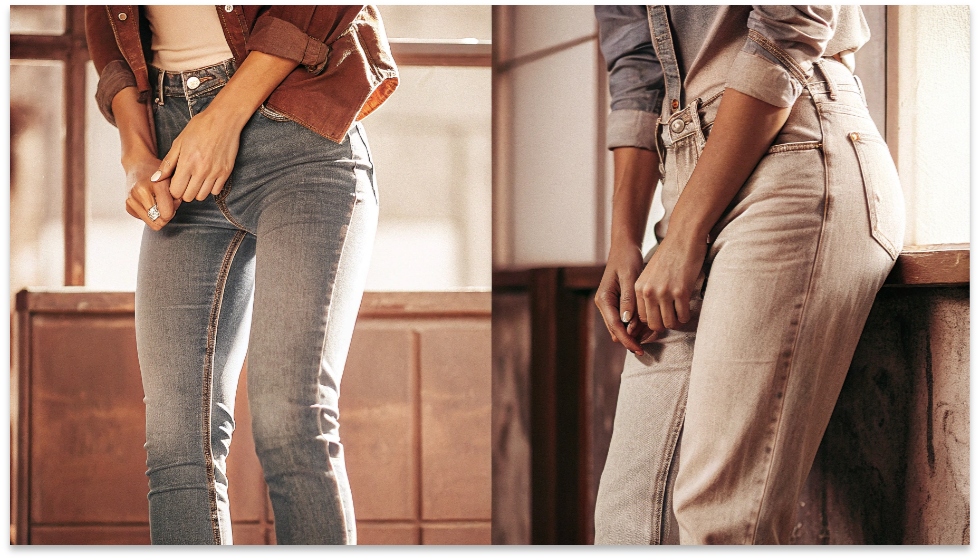
Dean, we made millions of these pairs together. But looking back, I always knew there was a fundamental flaw in the product. To get that "spray-on" look you designed, we had to compromise on the fabric.
We used heavy polyester blends and high-shrinkage weaves. Sure, they looked sleek on a mannequin. But on a real human being moving through their day? It was a different story.
I see the returns coming back to the factory.It’s not a quality issue; it’s a comfort issue. The market has finally admitted that looking like a rock star isn't worth the pain.
What Does Gen Z Think of Skinny Jeans?
You want to capture the youth market, but they are walking right past your skinny silhouettes. It is crucial to understand why they view this style with such disdain.
Gen Z1 thinks skinny jeans are the "millennial uniform2," representing an uncool, try-hard aesthetic. They reject the style to differentiate themselves from the previous generation, viewing the tight silhouette as "cheugy" and preferring the relaxed, authentic vibe of baggy clothes.
Fashion is a pendulum. You know this better than anyone. Millennials grew up swimming in the baggy gear of the 90s, so they ran toward the sharp, tailored look of skinny jeans. Gen Z is doing the exact opposite. They are rejecting the "uniform" of their older siblings and parents. From a manufacturing perspective, I see this shift in the fabric requests.
When we make skinny jeans, we are essentially making leggings that look like denim. We use high-stretch elastane3. It’s synthetic. Gen Z wants "real" pants.
They want rigid cotton or low-stretch fabrics that hold their own shape, rather than clinging to the leg. To them, skinny jeans look like you are trying too hard to be sexy or polished. They value "anti-fashion"—looks that seem effortless and comfortable.
When they see someone in skin-tight pants, they don't see style; they see someone who is stuck in 2012. It represents a culture of perfectionism that they are actively fighting against.
Why Do I Hate the Feeling of Skinny Jeans?
You put on a pair of samples and immediately feel the urge to take them off. It’s not just you; there is a physical reason why this style creates such a visceral, negative reaction.
You hate the feeling of skinny jeans4 because they physically restrict blood flow and trap heat against the skin. The tight fabric creates pressure points at the waist, knees, and crotch, leading to a "burning" sensation and a feeling of being trapped in your own clothes.
Let's get technical about the construction. To make a jean "skinny," we have to reduce the ease—the extra room between body and fabric—to zero or even negative numbers. This means the fabric is constantly pulling against your skin.
I often hear complaints about "burning pain" in the crotch area. This happens because the rise is often cut too short and tight to maintain the silhouette, digging into sensitive areas when you sit down.
Furthermore, skinny jeans are often "stiff and stuffy." To ensure the pants don't lose their shape after an hour, we use fabrics with high "recovery" rates. These fabrics are often dense and don't breathe well.
It creates a greenhouse effect on your legs. In the summer, it is unbearable. Also, think about the mechanics of putting them on. If a guy has athletic calves, pulling skinny jeans up is a battle.
It requires effort just to get dressed. People are realizing that clothing should serve them, not fight them. The feedback I get from wear-testers is clear: they feel "locked in," and not in a good way.
Are Skinny Jeans Not Cool Anymore?
You still see them on the streets, but usually on older demographics. You need to know if this is just a dip in the trend or if the style is genuinely "dead" in the eyes of the fashion world.
Yes, skinny jeans are currently considered uncool because they are viewed as "unforgiving" and tacky. They demand a specific, thin body type to look "right," and often create an unflattering, top-heavy silhouette that clashes with modern standards of inclusivity and proportion.
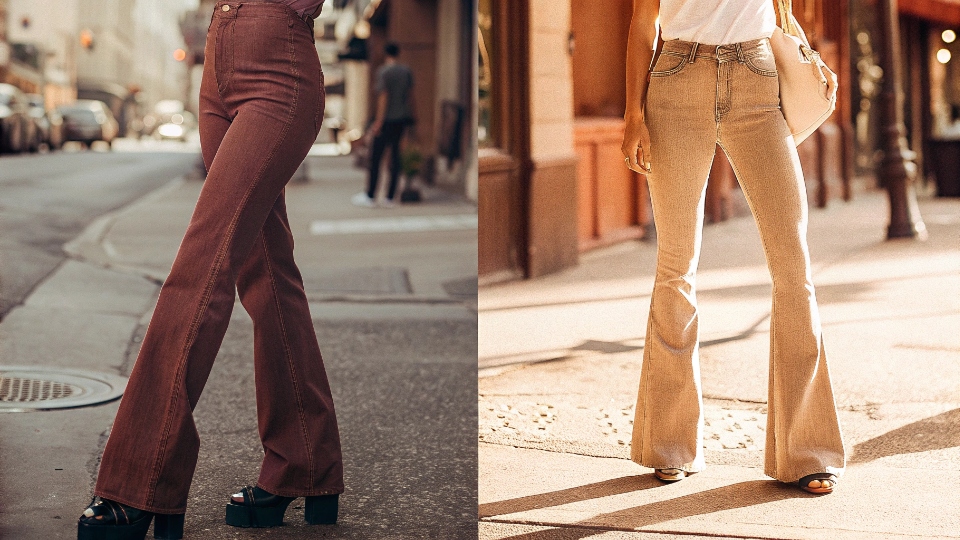
The definition of "cool" has shifted from "exclusive" to "inclusive." Skinny jeans are inherently exclusive. They are demanding. They require a specific body shape—thin legs, narrow hips—to work as intended. If you have a normal body, muscular thighs, or a bit of a belly, skinny jeans highlight every "flaw."
In China, we have a term for a certain type of bad style called "Spirit Guy" (Jingshen Xiaohuo). It refers to young men who wear excessively tight pants, flashy logos, and loafers. It looks tacky.
It looks like they are trying to prove something. This sentiment is global now. The "sausage casing" look suggests vanity. Modern cool is about drape and flow5.
It is about how the fabric moves around the body, not how it clings to it. When I look at the orders from the top streetwear brands, they are all asking for volume.
They want the fabric to have a life of its own. A guy in super-tight jeans looks like he is uncomfortable, and looking uncomfortable is never cool.
What Is Skinny Jeans Syndrome?
We talk about style, but we rarely talk about safety. Is it possible that this garment is actually physically harmful to the people wearing it?
Skinny jeans syndrome, or meralgia paresthetica6, is a real medical condition caused by tight pants compressing nerves in the thigh. It causes numbness, tingling, and pain, proving that the hatred for skinny jeans is based on genuine health risks, not just aesthetics.
It sounds like a joke, but it is serious. I have read reports and spoken to ergonomics experts about this. When denim is that tight, especially around the waist and hips, it compresses the lateral femoral cutaneous nerve. It cuts off sensation. It’s not just nerves, either. It’s your joints.
Think about the knee. A skinny jean acts like a brace. It resists every time you bend your leg. Over a 12-hour day, that adds up to a lot of unnecessary strain on the joint. It also restricts the stomach, causing digestion issues.
We spent years designing jeans that essentially act like mild torture devices. The hatred for skinny jeans isn't just about fashion; it's the body's natural rejection of something that hurts it.
Health vs. Fashion: The Hidden Cost
| Issue | Cause | The Result |
|---|---|---|
| Nerve Damage | Compression at the hip bone. | Numbness, tingling, "burning" thigh pain. |
| Circulation | Tightness behind the knee and calf. | Swelling, varicose veins, cold feet. |
| Digestion | High, tight waistbands. | Acid reflux, abdominal discomfort. |
| Mobility | Zero ease in the pattern. | Altered gait, inability to squat or sit comfortably. |
Conclusion
Skinny jeans are hated because they hurt, exclude average bodies, and represent an outdated culture. The market has moved to styles that prioritize physical and social comfort.
-
Discover Gen Z's perspective on fashion and how it shapes current trends. ↩
-
Learn about the fashion trends that define millennials and how they differ from Gen Z. ↩
-
Learn about the materials used in skinny jeans and their impact on wearability. ↩
-
Explore insights on the cultural shift away from skinny jeans and what styles are now favored. ↩
-
Discover how drape and flow contribute to modern fashion aesthetics and comfort. ↩
-
Explore the medical condition linked to tight clothing and its implications for wearers. ↩