
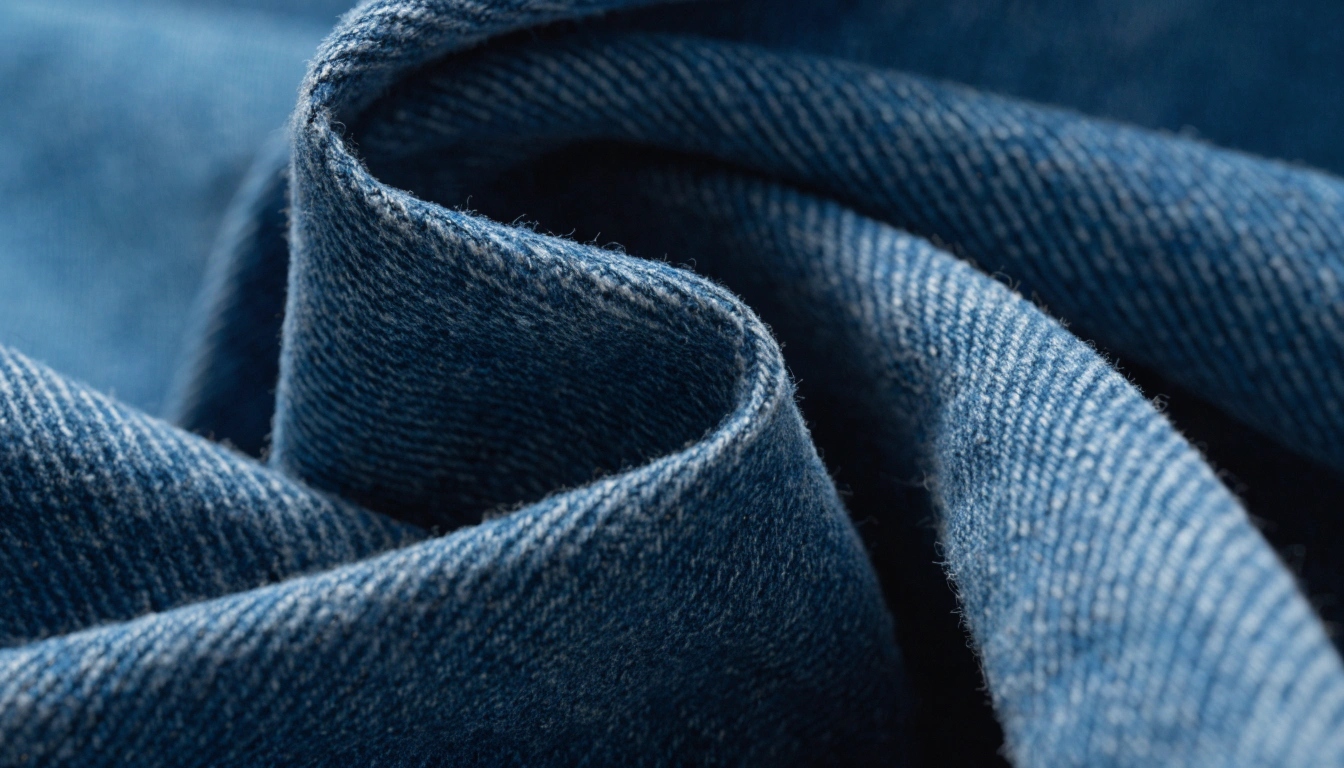
You wear jeans all the time and know they are tough. You probably have not thought about the tiny diagonal lines in the fabric. This pattern is the secret to why your jeans are so durable.
Twill weave1 is used for jeans because it creates an incredibly strong, durable, and flexible fabric. This weaving pattern packs the cotton threads tightly together, making the denim resistant to tears and rips while allowing it to drape well, which is perfect for pants.
In my two decades running the DiZNEW denim factory, I have learned that the weave is the most important choice you can make. It is the foundation of the entire garment.
While there are many ways to weave cotton, the twill weave is the undisputed king for denim. It provides the perfect balance of strength and comfort. Let's break down exactly what that means.
What weave is used for jeans?
You look closely at your favorite pair of jeans. You can see a distinct diagonal pattern running across the surface, and you wonder what this specific weave is called.
The standard weave for almost all jeans is a 3x1 right-hand twill2. This means the horizontal weft thread goes under one and over three vertical warp threads, creating a strong diagonal line from bottom left to top right (↗).
At the factory, we work with many different weaves, but they all start with two sets of threads: the warp (vertical threads) and the weft (horizontal threads). The pattern in which they interlace defines the fabric's character.
While the 3x1 right-hand twill is the classic choice for denim, there are other variations that a designer like Dean might choose for a specific look or feel.
Here are some of the weaves we see in the denim3 world:
| Weave Type | Description |
|---|---|
| Plain Weave | The simplest weave (1x1). It creates a flat, even surface but is less durable and stiffer than twill. Good for lightweight shirts, not heavy pants. |
| Twill Weave | The classic for jeans. Creates a diagonal pattern. It is strong, drapes well, and hides dirt. Can be left-hand (S-Twill ↖) or right-hand (Z-Twill ↗). |
| Satin Weave | Has very few interlacing points, creating a very smooth, soft, and shiny surface. It drapes well but is not as durable and can snag easily. |
| Herringbone | A variation of twill where the diagonal direction reverses every few rows, creating a "V" or fishbone pattern. This helps prevent leg twist. |
| Broken Twill | Invented to stop leg twist. The diagonal weave reverses direction every two warp threads, "breaking" the pattern so there is no continuous diagonal line. |
What makes denim different from twill?
You hear the words "denim" and "twill" used together. This is confusing because it makes you wonder if they are two separate types of fabric or the same thing.
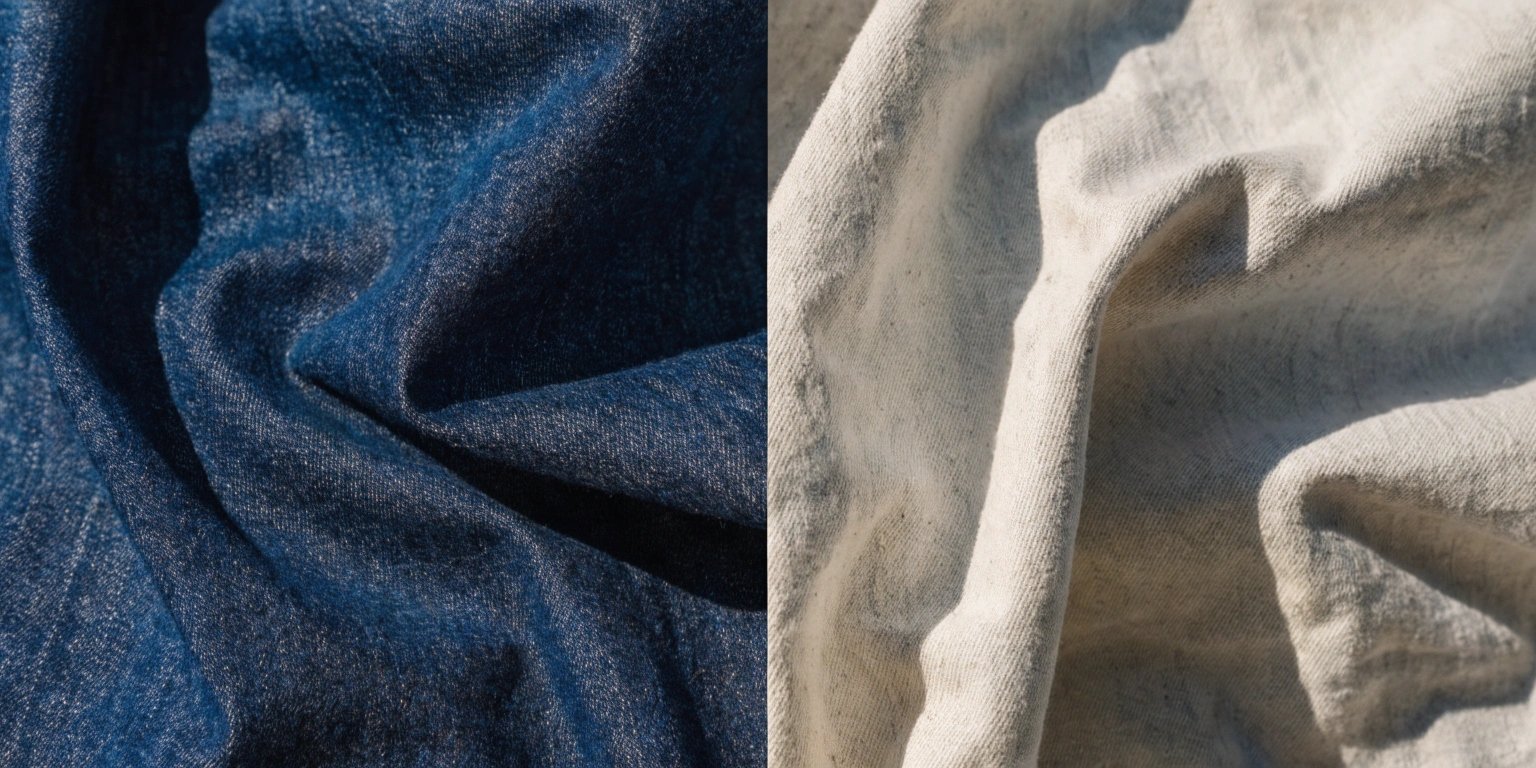
Denim is not different from twill; denim is a specific type of twill fabric. What makes denim unique is the dyeing method4: the vertical warp threads are dyed indigo, while the horizontal weft threads are left white. This creates its iconic look.
This is a fundamental point that explains everything about why your jeans look the way they do. A twill is just a weaving pattern. You can have a wool twill or a silk twill. Denim is specifically a rugged cotton twill made with a special color combination.
Let's break it down. When we prepare to weave denim at my factory, we have huge beams of yarn. The warp yarns, which will run lengthwise down the jean leg, have all been dyed a deep indigo blue. The weft yarns, which will run side-to-side, are left in their natural, undyed white color.
When we weave them in a 3x1 twill pattern, more of the blue warp threads show on the face of the fabric. This is why the outside of your jeans is blue. On the inside of your jeans, you see more of the white weft threads, which is why the inside is lighter.
This unique dyeing process, combined with the twill weave, is the very definition of denim. Other twill fabrics, like chinos, are usually woven with undyed yarn and then dyed as a whole piece, making them the same color on both sides.
What are the disadvantages of twill fabric?
Twill weave sounds like the perfect fabric for pants. It is strong, durable, and looks great. You wonder if there are any downsides to this popular weave.
The main disadvantages of twill fabric are its weight and its tendency to have a slight bias. The dense weave is heavier and less breathable than a plain weave, and the diagonal pattern can cause seams to twist over time if not handled correctly.
No fabric is perfect for every single situation. While twill is amazing for jeans, it does have a few characteristics that can be seen as disadvantages.
First, weight and heat5. That dense weave that provides durability also traps more air and is physically heavier than a simpler weave. This is great for a cool day, but a pair of heavy 14oz twill denim jeans is not very comfortable on a hot and humid afternoon. Lighter fabrics with a plain weave, like chambray, are much more breathable.
Second, cost. Setting up a loom for a twill weave is more complicated than for a basic plain weave. The process is a bit slower and requires more precision, which adds a small amount to the final cost of the fabric.
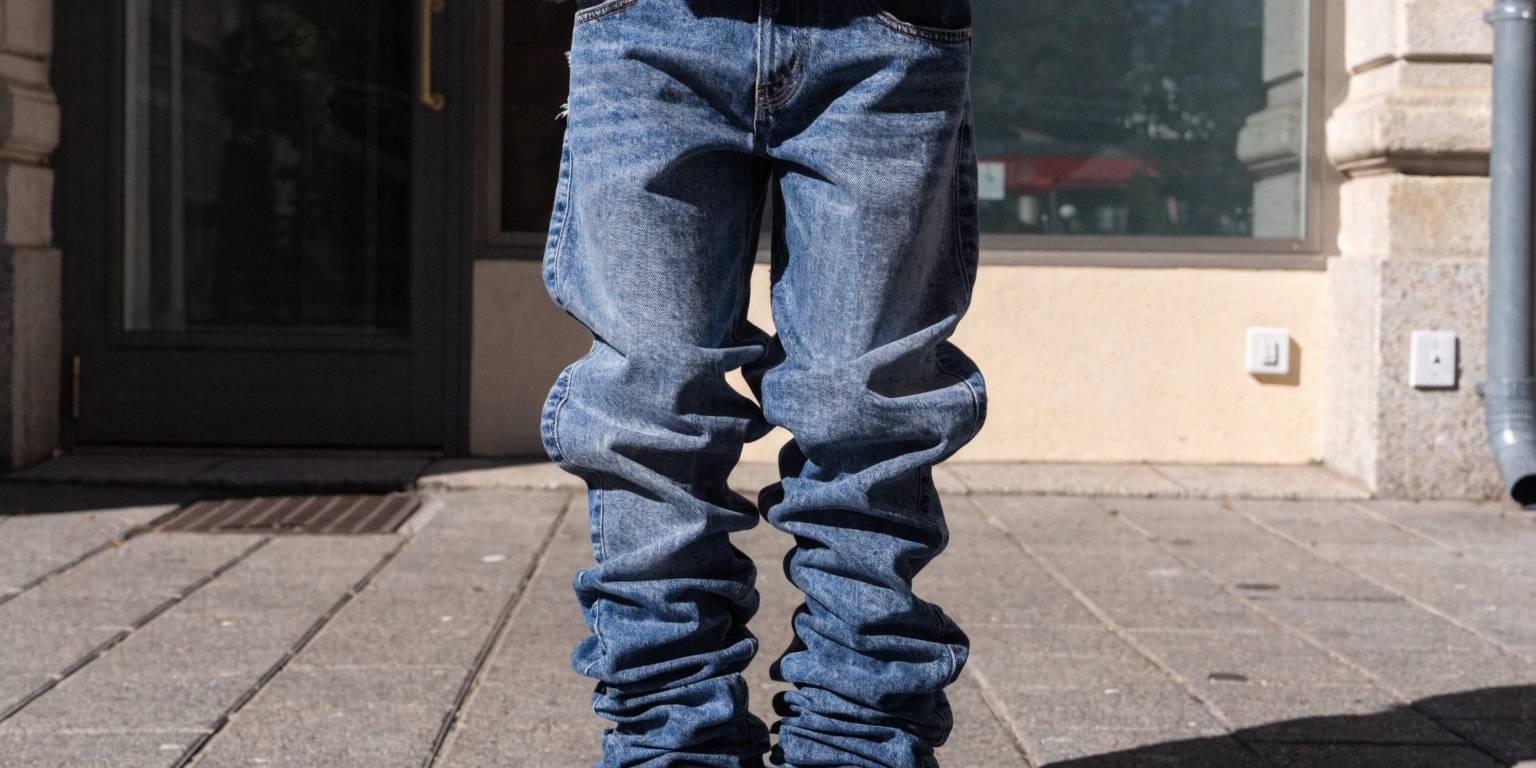
Third, leg twist6. This is a classic issue for denim lovers. The constant diagonal direction of a standard right-hand twill creates a natural torque in the fabric.
After many wash and dry cycles, this torque can cause the side seams on the legs of your jeans to slowly spiral around towards the front. We actually counteract this at the factory by finishing the fabric on a slight skew, but sometimes it still happens. This is the entire reason broken twill was invented—to eliminate leg twist by breaking the diagonal pattern.
Conclusion
The twill weave is the heart of denim. It provides the perfect combination of strength, drape, and character that has made jeans a beloved and durable garment worldwide for over a century.
-
Understanding twill weave is essential for appreciating the durability and comfort of jeans. ↩
-
Learn about the specific twill pattern that gives jeans their strength and unique look. ↩
-
Explore the unique qualities of denim that set it apart from other twill fabrics. ↩
-
Understand the unique dyeing process that gives denim its iconic look and feel. ↩
-
Explore the impact of fabric weight on comfort, especially in warmer climates. ↩
-
Find out about leg twist in jeans and effective solutions to avoid this issue. ↩