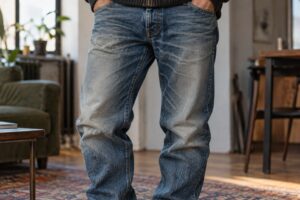

You finally got a perfect pair of raw denim jeans, but now you're afraid to wash them. You worry the beautiful dark color will fade and the perfect fit will be ruined forever. I'm here to tell you that this fear is valid and explain the expert philosophy of washing less.
Denim enthusiasts and experts recommend washing jeans infrequently to preserve their original shape, prevent premature fading, and allow unique wear patterns like "cat whiskers" and "honeycombs" to develop naturally.[^1] This practice, often called "breaking in," creates a truly personalized garment.[^2]
In my 20 years of running the DiZNEW denim factory, I've seen the incredible amount of work that goes into creating the perfect indigo dye and fabric texture. To me, washing all that character away after just a few wears feels like a waste of craftsmanship. This "no wash" idea isn't about being unhygienic; it's about respecting the art of denim. For a designer like you, Dean, understanding this mindset is absolutely crucial for creating products that resonate with true denim lovers. Let's break down why less is more when it comes to washing jeans.
Did Levi's CEO really say you should never wash your jeans?
You've probably heard this famous quote, and it sounds extreme, even a little bit gross. It goes against everything we're taught about doing laundry. I'll clarify what he really meant by that statement.
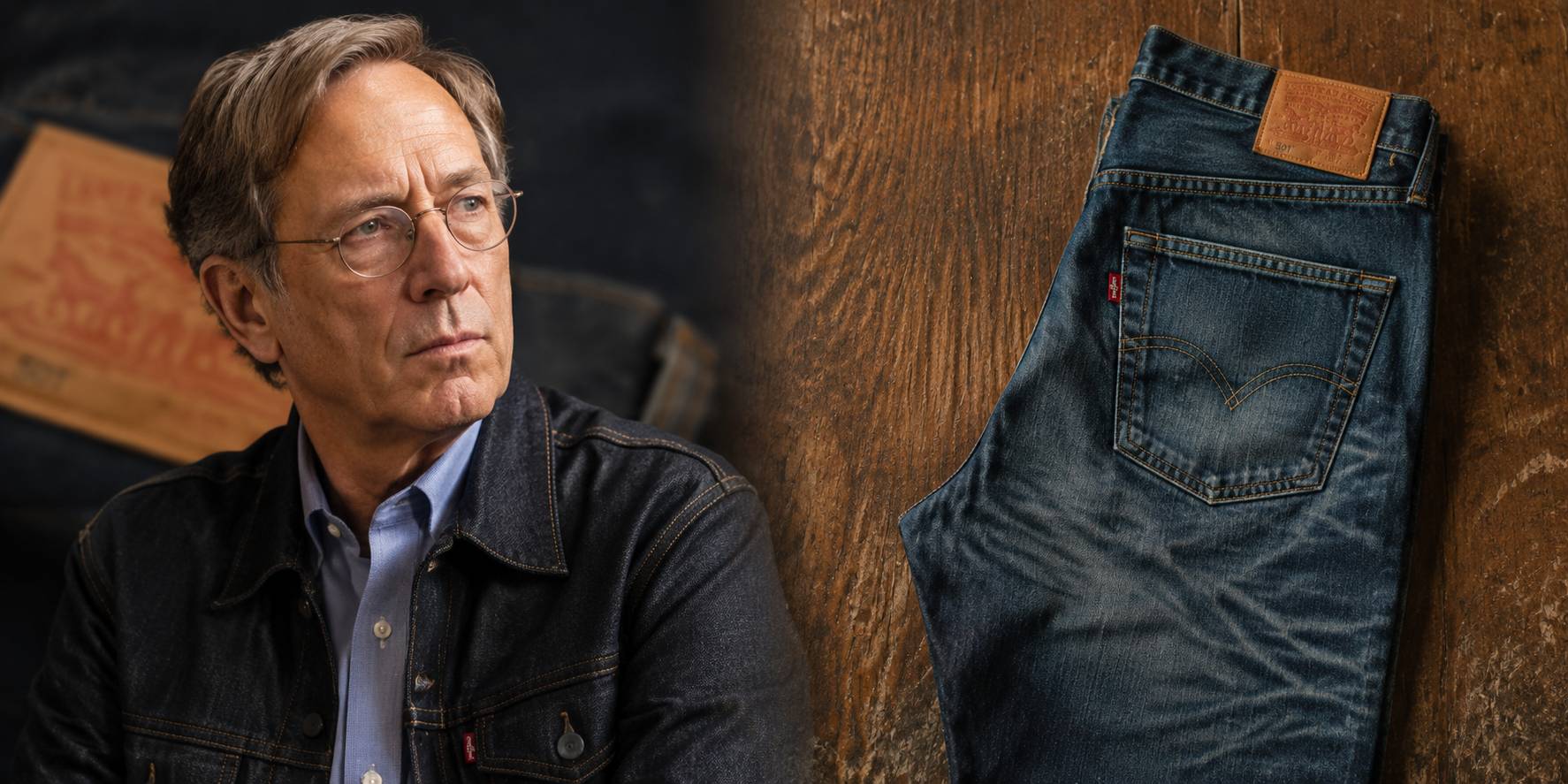
Yes, Levi's CEO Chip Bergh advised against machine washing his favorite pair of jeans to preserve their authentic character and save water. His point wasn't to never clean them. It was to avoid the harshness of a machine, opting for spot cleaning and airing them out instead.
Dive Deeper: The Context Behind the Quote
When Chip Bergh made that comment, he was talking about his own personal, well-worn pair of jeans. He wasn't laying down a universal law. His message was really about two things. First, the washing machine is the enemy of authentic denim. The aggressive tumbling and high-speed spin cycle act like sandpaper, stripping color and weakening fibers.[^3] The high heat of a tumble dryer is even worse, as it can cause irreversible shrinkage and damage.
Second, his message was about sustainability. On my factory floor, I see firsthand how much water it takes to produce a single pair of jeans. By washing them less, the consumer dramatically reduces the garment's overall environmental footprint throughout its life.[^4] As a designer, this is a powerful story to tell. You’re not just creating a piece of clothing; you're promoting a more conscious and sustainable way of living. That "no wash" attitude becomes a core part of the brand's identity.
What really happens if you never wash your jeans?
The idea of not washing your jeans for months or even years can sound unappealing. You might imagine them becoming stiff with dirt and filled with germs. Let's look at the actual results of this extreme denim experiment.
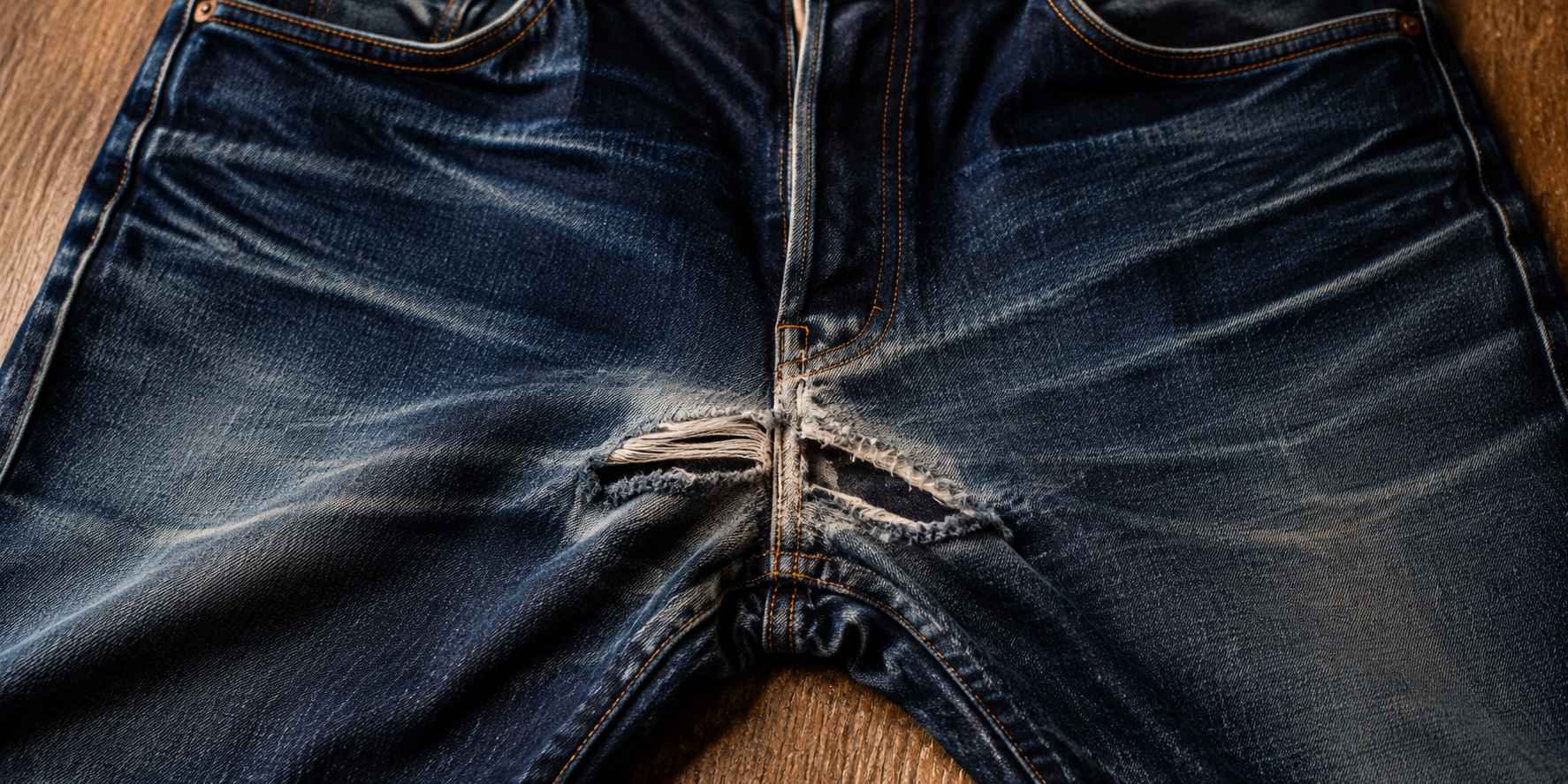
If you never wash your jeans, they will develop very sharp, high-contrast fade patterns that are completely unique to you. However, the buildup of dirt, body oils, and bacteria can eventually weaken the cotton fibers, leading to tears, especially in high-stress areas like the crotch.
Dive Deeper: The Good, The Bad, and The Ugly
Let's be honest about the outcome. The primary benefit of not washing is achieving incredible fades. In my industry, we have specific names for these. The crease lines that form on your lap are called "whiskers." The honeycomb-like patterns that form behind your knees are, well, "honeycombs." Without water washing the indigo dye away evenly, these wear patterns become extremely defined. Your jeans become a visual diary of how you live and move.
However, there is a bad side. Cotton is a natural fiber, and it will absorb your sweat and body oils. This buildup of grime, mixed with environmental dirt, acts like fine-grit sandpaper trapped within the fabric. It slowly grinds away at the cotton fibers from the inside out. Instead of making them tougher, this can lead to premature "crotch blowouts" and other rips. So, the romantic idea of "never washing" isn't entirely practical. The real goal is infrequent, careful washing to balance fades with fabric longevity.
So, is it actually better to wash or not wash your denim?
You are getting conflicting advice from everywhere. Wash them, don't wash them... it's just confusing. You simply want to do what is best for the jeans. I'll give you a straightforward answer from my perspective as a manufacturer.
It is better to wash denim infrequently and correctly. The best approach is a balance. You need to preserve the color and fit, but you also need to remove the dirt and oils that damage the fabric. Minimal washing is far better than frequent washing, but a "no wash" approach can shorten the lifespan.
Dive Deeper: It Depends on the Denim
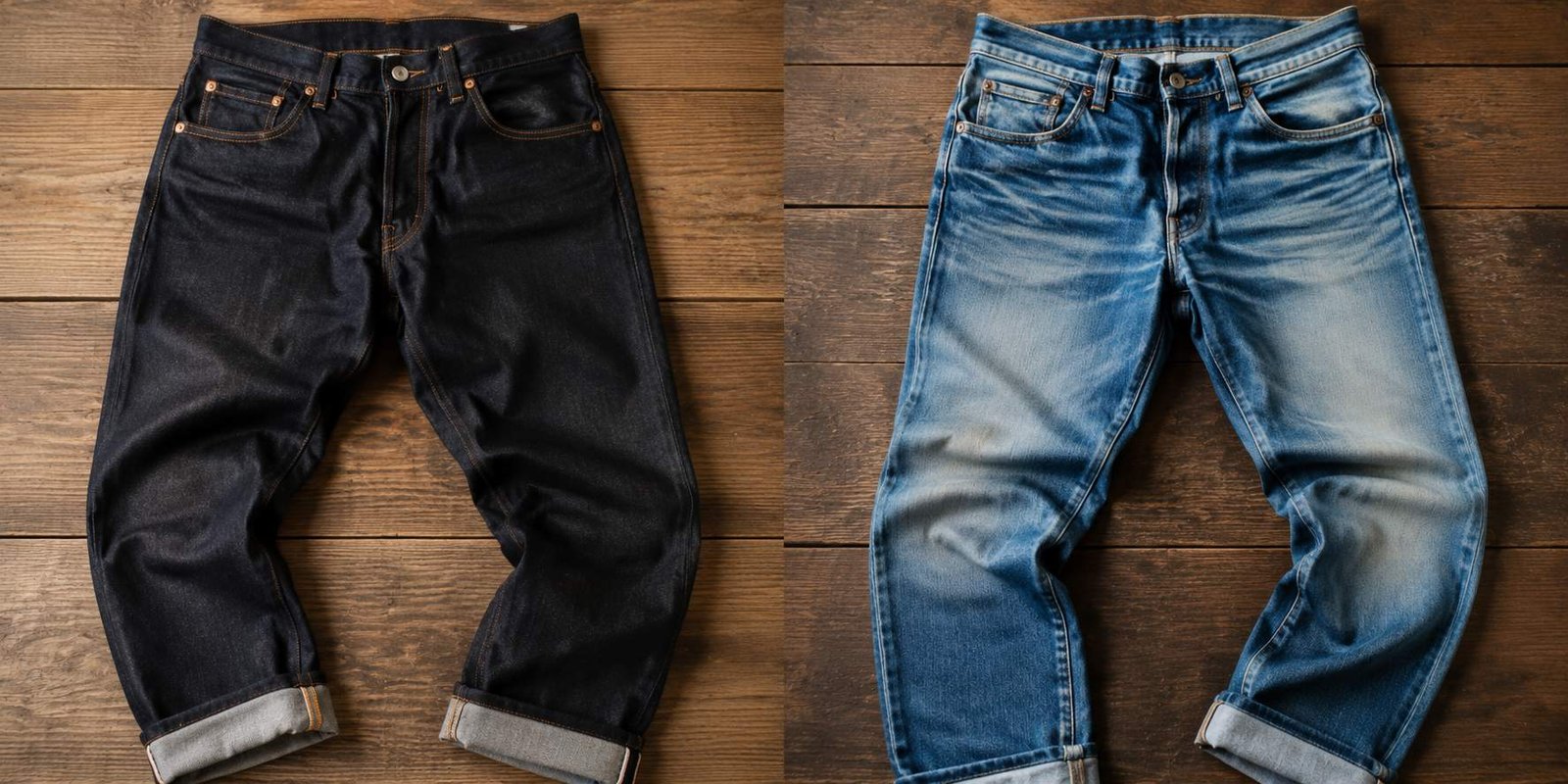
The best method depends completely on the type of jeans you have. From a design and production standpoint, we handle different denim fabrics in very different ways, and so should the customer.
For raw, unwashed denim, the kind denimheads love to "break in," the goal is to create those personal fades. For these, you want to go as long as possible before the first wash—six months is a good starting point. This allows the creases to set firmly. After that, you wash them as rarely as possible.
For pre-washed or stretch denim, the rules are different. These jeans have already been processed in my factory to have a specific look. Their color is more stable. If they contain spandex, washing them in cold water actually helps "reset" the fabric, tightening it back up after it has stretched out from wear.[^5] So, as a designer, you need to provide care instructions that match the specific fabric you’ve chosen.
| Jean Type | Primary Goal | Ideal Wash Frequency | Recommended Method |
|---|---|---|---|
| Raw Denim | Develop personalized fades | Every 6-12 months | Hand wash, cold, air dry |
| Washed Denim | Maintain color & fit | Every 5-10 wears | Gentle cycle, cold, air dry |
| Stretch Denim | Restore shape & elasticity | When they feel stretched out | Gentle cycle, cold, air dry (NO HEAT) |
Should you really wash your jeans after every wear?
Most of us have a habit of throwing clothes in the laundry after wearing them just once. But when you do this with jeans, they seem to lose their magic quickly. I'll explain why jeans are different from your t-shirts.
No, you should absolutely not wash your jeans after every wear. Their rugged, heavy fabric is designed for durability and simply doesn't need it. Washing them that often will accelerate color loss, cause damage to the fibers, and shorten the garment's life for no good reason.
Dive Deeper: Jeans Are Not Underwear
The "wash after one wear" rule applies to items worn directly against the skin, like t-shirts and socks, which absorb a lot of sweat. Jeans are an outer layer. They are built to be tough. In my factory's quality control lab, we test fabric for abrasion resistance. It can take thousands of rubs to show wear. A single aggressive machine wash cycle can equal hundreds of those rubs. Washing your jeans after every wear is like subjecting them to years of wear in just a few months.
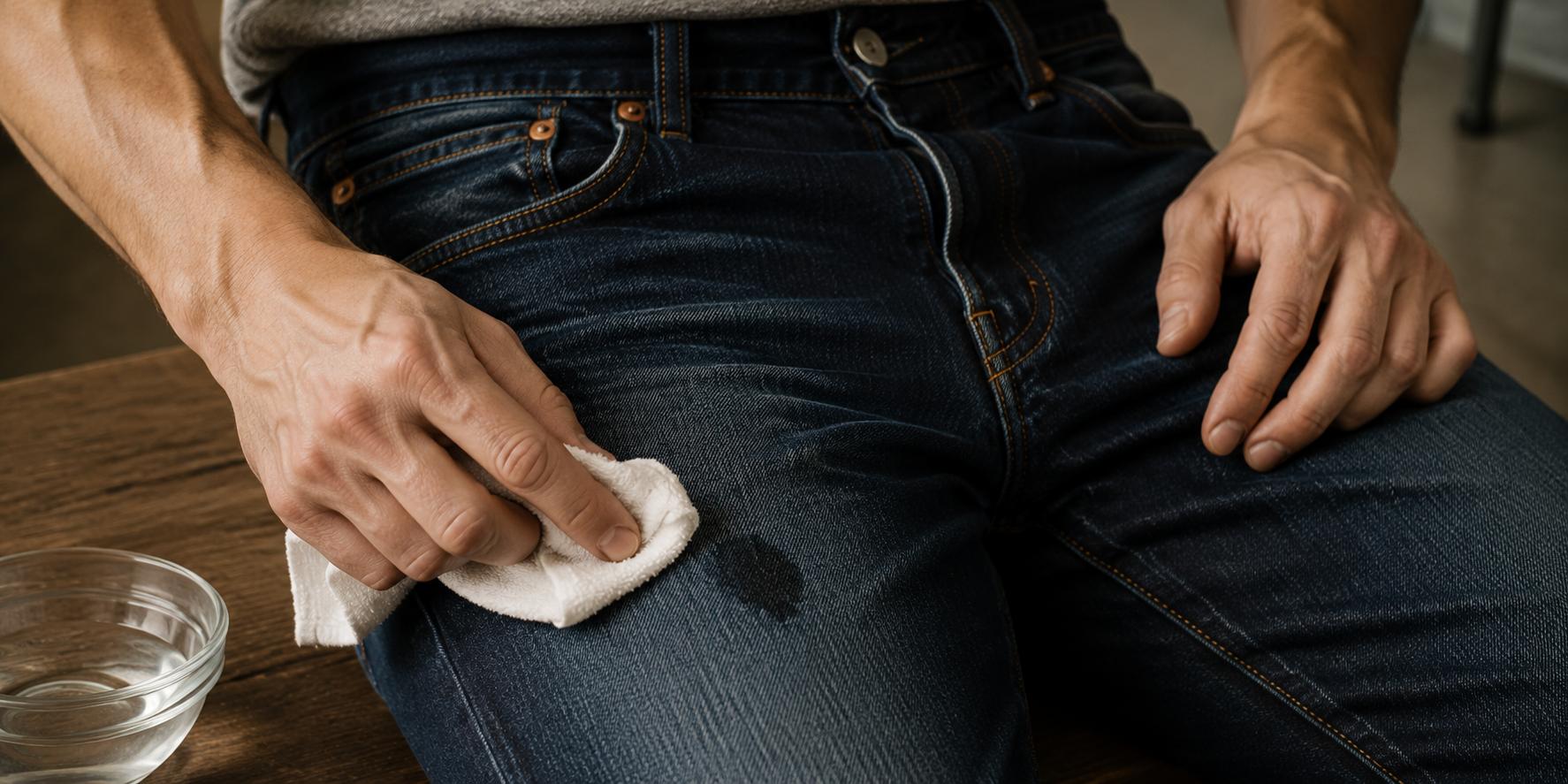
The simple rule is to wash them only when they are visibly dirty or start to smell. For most people, that works out to every 5 to 10 wears, or maybe once a month. If you get a small drop of food on them, don't throw the whole pair in the machine. Just spot clean it. Use a damp cloth and a tiny bit of gentle soap to treat the affected area. This is a much smarter approach that preserves the integrity of the entire garment.
Conclusion
Don't be afraid to live in your jeans. Wash them less, care for them properly, and they will develop a beautiful, unique character that tells your story for years to come.
---

[^1]: "Analysis Of Different Types Of Washing Effect On Denim Fabric ...", https://www.academia.edu/63177226/Analysis_Of_Different_Types_Of_Washing_Effect_On_Denim_Fabric_Using_Different_Concentration_Or_Parameters_And_Find_Out_The_Best_Concentration_Or_Parameter_Which_Gives_Best_Aesthetics_Look_and_Also_Evaluate_The_Strength_Of_Denim_Goods_According_To_The_Physical_and_Wet_Test_Result. A textile-care or garment-science source should support that repeated laundering can alter cotton denim color, dimensions, and surface wear, while noting that specific enthusiast practices vary by fabric, dye, and use conditions. Evidence role: expert_consensus; source type: research. Supports: Denim enthusiasts and experts recommend infrequent washing to preserve shape, reduce fading, and allow wear patterns to develop.. Scope note: This would support the general care rationale, not prove a single ideal wash interval for all jeans.
[^2]: "Denim - Wikipedia", https://en.wikipedia.org/wiki/Denim. A historical or textile-reference source should explain that raw denim is commonly worn before substantial washing so creases and abrasion marks reflect the wearer’s movement, with the caveat that personalization is partly cultural and aesthetic rather than a measurable technical outcome. Evidence role: definition; source type: encyclopedia. Supports: The raw-denim practice of delaying washing is often called breaking in and is associated with personalized wear patterns.. Scope note: The source may describe the practice and terminology without evaluating its desirability.
[^3]: "A comparison of the effect of the mechanical wash action on textile ...", https://www.academia.edu/110851766/A_comparison_of_the_effect_of_the_mechanical_wash_action_on_textile_fabric_deterioration_and_soil_removal_efficiency. A textile-science study on laundering abrasion should support that mechanical action during washing contributes to color loss, fiber damage, or surface abrasion in cotton fabrics; the sandpaper comparison is metaphorical rather than a direct experimental description. Evidence role: mechanism; source type: paper. Supports: Machine-washing action can strip color and weaken denim fibers through mechanical abrasion.. Scope note: The evidence would support mechanical abrasion generally, not necessarily quantify damage from every denim wash cycle.
[^4]: "Critical Review on Sustainability in Denim: A Step toward ...", https://pmc.ncbi.nlm.nih.gov/articles/PMC9909807/. A garment life-cycle assessment should show that the consumer use phase, especially washing and drying, can be a meaningful contributor to jeans’ environmental impacts; the word “dramatically” should be interpreted relative to assumptions about laundering frequency and dryer use. Evidence role: statistic; source type: paper. Supports: Reducing laundering frequency can lower the life-cycle environmental footprint of jeans.. Scope note: Impact reductions vary widely by region, washing machine efficiency, detergent, water temperature, and drying behavior.
[^5]: "Performance Denim: Stretch & Recovery Explained | WiesMade", https://wiesmade.com/blogs/denim/the-rise-of-performance-denim-stretch-and-recovery-explained?srsltid=AfmBOorrj9-Wo6VF_wxH20nb_9IOfwjKfR6qknwRcOhT4mpW8dnGUZBz. A textile source on elastane-blend denim should support that elastic fibers provide stretch recovery and that gentle laundering can help remove deformation from wear, while noting that “reset” is a consumer-care term rather than a standardized technical measure. Evidence role: mechanism; source type: research. Supports: Cold, gentle washing can help stretch denim recover some shape after wear.. Scope note: Evidence may support stretch recovery and care principles but not guarantee full shape restoration in all spandex denim.