Skip to content

You see the Levi's patch, a symbol of American heritage. But you feel the thin fabric and notice the strange fit, wondering if that iconic American quality is gone for good.
No, the vast majority of Levi's jeans are no longer made in the USA. The company closed its last US factories in 2003. Today, production is global, with only a few premium, special-edition collections still manufactured domestically.
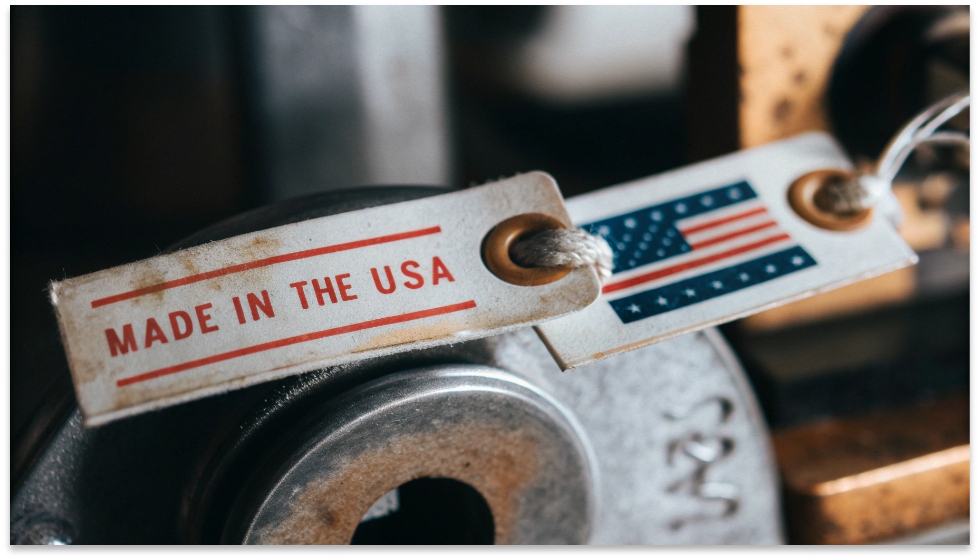
Dean, this question is one I hear all the time. It gets to the heart of what we value in a pair of jeans: authenticity, durability, and a connection to a legacy.
As someone who lives and breathes denim manufacturing, I've watched this change happen in real-time. The story of Levi's production is the story of the entire apparel industry over the last 30 years.
When Did Levi's Stop Being Made in the USA?
You remember a time when every pair of Levi's felt indestructible. Now you're searching for that same quality, but it seems to have vanished from the shelves almost overnight.
Levi's effectively stopped all major US production in 2003. The final closures included their plant in San Antonio, Texas, which produced the iconic 501 Shrink-to-Fit model right until the very end.
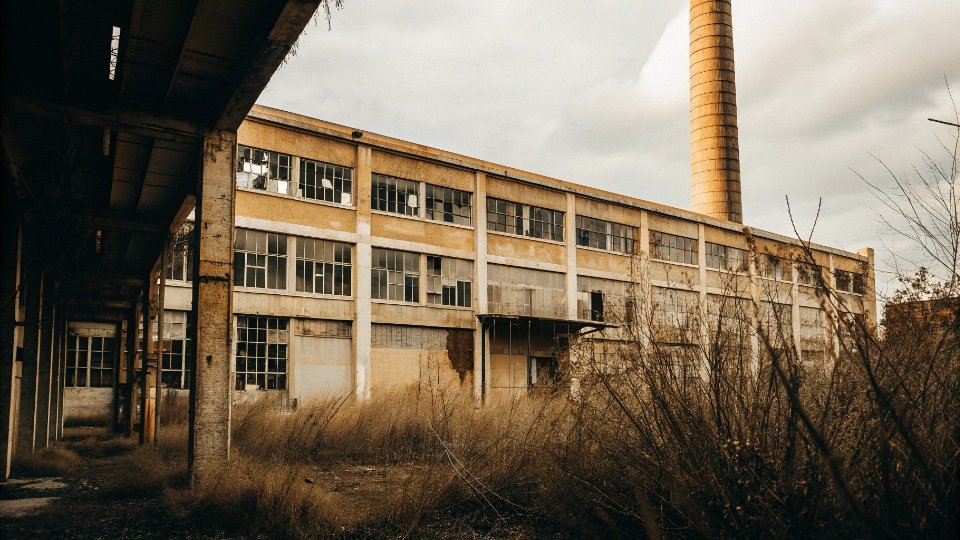
The year 2003 was a landmark for the American apparel industry, and not in a good way. That's when the doors shut on the last big Levi's plants. You're absolutely right to pinpoint that moment.
As a factory owner, I can tell you this wasn't a sudden decision. It was the result of years of economic pressure. Competition from cheaper brands and the lure of lower labor costs overseas were too strong.
Moving production to places like Mexico, and later Asia, allowed the company to keep prices competitive for a mass audience. But this came at a cost that people like you and I can feel in the product.
The focus shifted from making a durable garment to hitting a specific price point. That San Antonio plant closing wasn't just the end of an era; it was a fundamental change in the brand's manufacturing philosophy.
Are Any Jeans Still Made in the USA?
You want to support domestic manufacturing and get that heritage quality. But finding a genuine "Made in the USA" label on a pair of jeans feels like searching for a needle in a haystack.
Yes, absolutely. A dedicated group of premium and small-batch brands are committed to making jeans in the USA. They use high-quality materials, often from historic mills, and focus on craftsmanship over mass production.
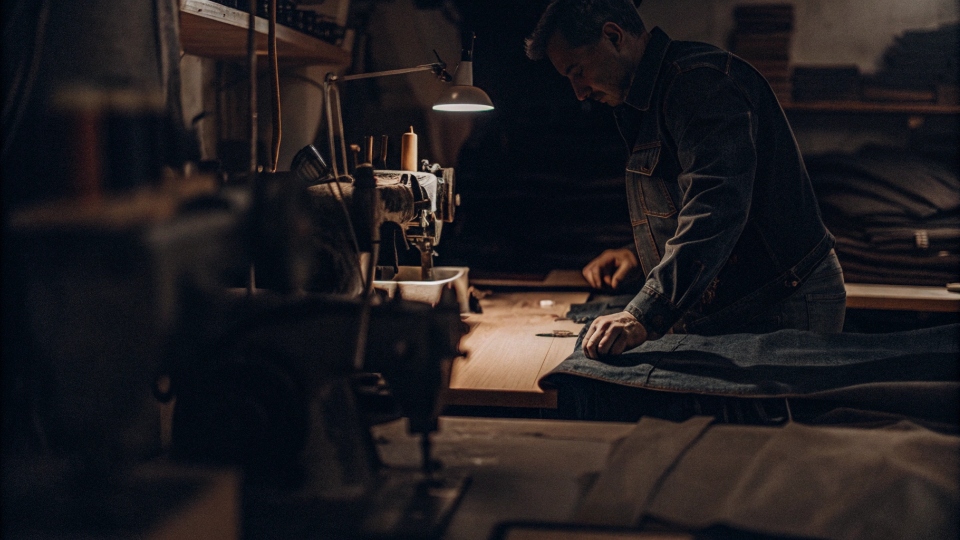
While the big players moved overseas, a new movement was born. This is the world of "heritage denim." These are smaller brands, often started by denim purists who felt the same disappointment you do.
They decided to do things the old way. They source selvedge denim from legendary mills like Cone Mills' old stock (before it closed) or from Japan.
They cut and sew everything in small workshops in places like Los Angeles, San Francisco, or Nashville. This approach is the complete opposite of mass production. It's slower, more expensive, and results in a far superior garment.
Dive Deeper: Mass Production vs. USA Craftsmanship
| Aspect | Mass Offshore Production | Niche USA Production |
|---|---|---|
| Focus | Cost minimization, volume. | Quality, durability, heritage. |
| Denim | Lighter weight, non-selvedge. | Heavyweight, premium selvedge denim. |
| Construction | Automated, simplified stitching. | Detailed, vintage-inspired construction. |
| Price | $50 - $100 | $200 - $400+ |
So yes, you can find American-made jeans. You just won't find them in the same places or at the same prices as the mass-market brands.
Are Any Levi's Made in the USA?
You love the Levi's history and iconic fits. You're holding out hope that somewhere, the brand is still making jeans the way they used to, right here in America.
Yes, a very small number of Levi's are still made in the USA under their premium "Levi's Vintage Clothing" (LVC) and "Levi's Authorized Vintage" lines. These are faithful recreations of historical models, sold at a much higher price.
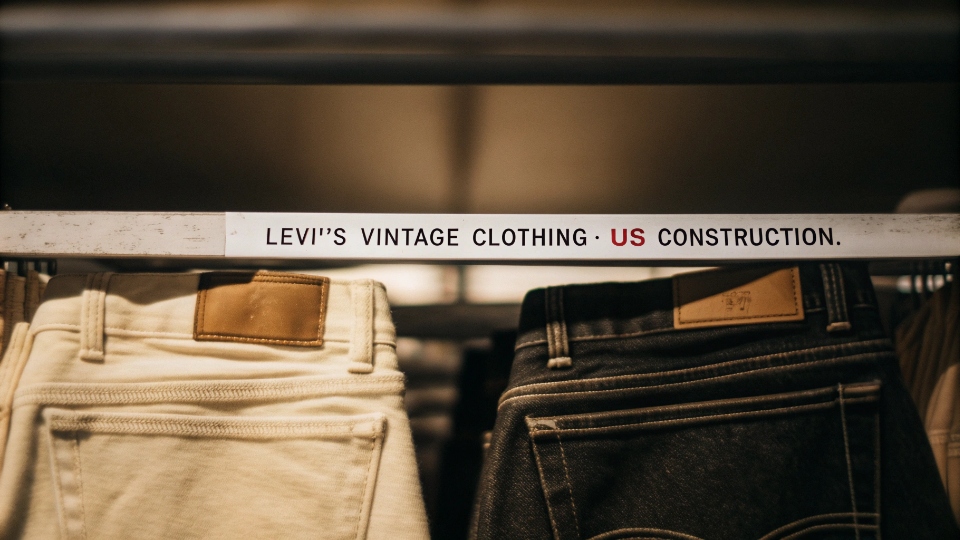
This is where it gets interesting. Levi's knows that customers like you and I miss the old quality. So, they created a special division called Levi's Vintage Clothing, or LVC.
Their entire mission is to reproduce iconic Levi's from specific years, down to the last detail. They study original pairs from their archives and replicate the exact denim, fit, hardware, and stitching. And, to ensure total authenticity for their most prized reproductions, they make them in the USA using premium selvedge denim.
This is why you'll pay more for an old, used pair—you're buying that lost quality. LVC is Levi's way of selling you that same quality back in a new garment.
It's an admission that the mainline product is something entirely different now. It's a fantastic product line for designers like you, Dean, because it's a living archive of denim history.
Are Levi's Made in China Now?
You pick up a new pair of Levi's and the label says "Made in China" or "Egypt." The fit feels off, the denim feels weak, and you wonder if this is the new normal.
Yes, Levi's are made in many countries around the world, including China, Egypt, Turkey, Mexico, and Vietnam. This global production strategy prioritizes cost and logistics over the centralized quality control of their past.

Your gut feeling is right, Dean. As you pointed out, the jeans coming from these global factories just don't measure up. I see it from a technical standpoint.
When production is spread across so many different factories in Turkey, Egypt, and China, consistency is the first casualty. Each factory might source denim from a different local mill. The machinery is different. The skill level of the operators varies.
The fit blocks can be altered slightly to cater to different regional markets. The result is what you described: "horrible fit, horrible denim." It's not that these factories are incapable of making good products. I work with fantastic partners globally.
But when the primary goal given by the brand is to hit a low cost, quality control slips. The rich, durable denim is replaced by a lighter, stretchier fabric that doesn't wear in the same way.
The fit becomes generic. Your preference for even early 2000s pairs from Mexico makes sense; they were closer to the original US production philosophy.
Conclusion
Mainline Levi's are now a global product, no longer made in the USA. This shift changed the quality, but true American-made craftsmanship still exists in premium lines and niche brands.