Skip to content

Bad labor practices at your supplier's factory can destroy your brand overnight. This risk makes trusting overseas partners difficult. We solve this with regular, transparent third-party audits1 to protect your reputation.
We undergo annual third-party social audits like BSCI and Sedex, and we also welcome unannounced inspections. This regular verification ensures we consistently meet international standards for ethical labor, giving you verifiable proof of our commitment.
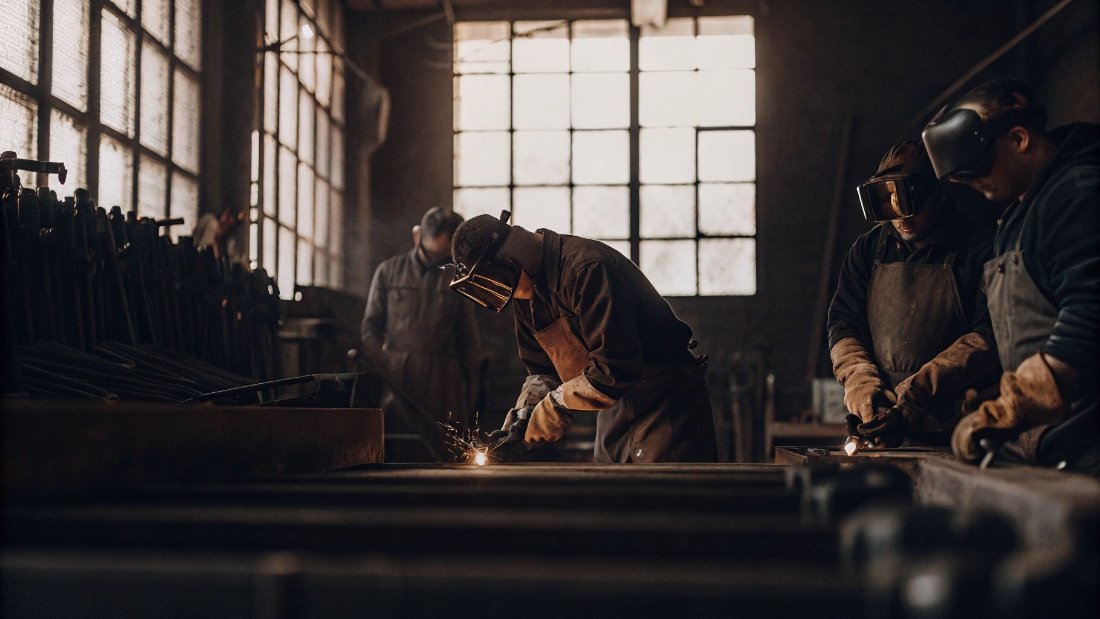
I've been in this industry for over two decades. I’ve seen factories that cut corners, and I know that short-term gains are never worth the long-term cost—not for the workers, and not for the brands.
A factory is a community. We build our reputation on the quality of our jeans, and that quality starts with treating our people with respect.
It's not just about passing an audit. It's about building a sustainable business2 where everyone feels safe and valued. This is the only way to create products you can be truly proud of.
How often are your third-party labor audits conducted?
You hear factories claim they are "ethical," but you have no way to verify it. Without a regular audit schedule, these are just empty words that put your brand at risk.
We are audited at least once a year by globally recognized third-party organizations like Sedex or BSCI. We also expect and welcome unannounced audits to ensure our high standards are maintained every day.
A commitment to ethical practices needs a consistent schedule of verification. It is not a one-time event.
We treat social audits as a regular part of doing business, just like quality control. Our standard frequency is at least one full audit per year.
This is the baseline required by major social compliance initiatives like BSCI3 (Business Social Compliance Initiative) and Sedex. However, the frequency often increases.
For example, when we begin working with a new major client, they will often require their own audit.
Or, if a previous audit identified an area for improvement, a follow-up audit will be scheduled to confirm the issue is resolved. We also fully support unannounced audits.
These are the truest test of a factory's day-to-day operations, as they ensure we are compliant all the time, not just when we are preparing for a scheduled visit.
| Audit Type | Frequency | Purpose |
|---|---|---|
| Scheduled Annual Audit | Once per year | Baseline verification for BSCI/Sedex. |
| Client-Specific Audit | On new client onboarding | Meets the specific code of conduct of the client. |
| Follow-up Audit | As needed | Verifies that a previous finding has been fixed. |
| Unannounced Audit | 1-2 times per year | Confirms real-time, everyday compliance. |
What measures protect your worker health and safety?
A factory accident can halt your production and create a public relations nightmare. You worry about the safety of the people who are making your products every single day.
We protect workers with mandatory Personal Protective Equipment (PPE)4, modern ventilation in all production areas, and machine safety guards. Regular safety training and free annual health check-ups are also standard practice.
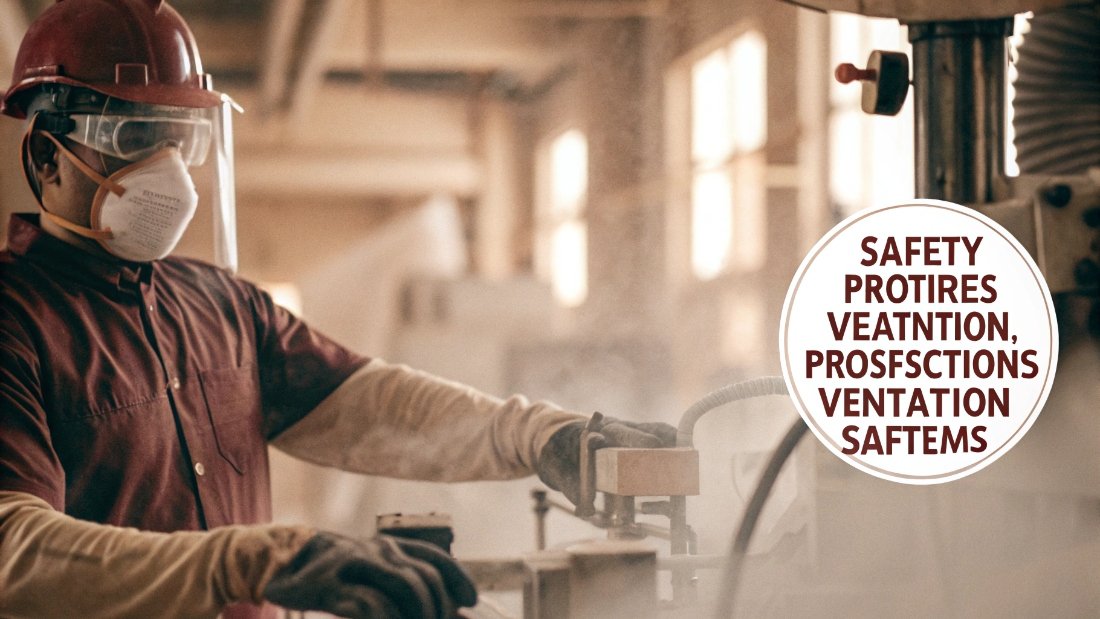
A safe factory is a productive factory. We have built a multi-layered safety system that addresses every aspect of the work environment. First is the physical space.
Our washing and dyeing areas are equipped with powerful ventilation systems to remove chemical fumes and dust.
All wet zones have non-slip flooring, and we have modern fire suppression equipment that is inspected regularly. Second is the equipment. Every machine has the proper safety guards in place.
We also provide mandatory and job-specific Personal Protective Equipment (PPE) to all employees, whether it is gloves for handling materials, masks for finishing processes, or goggles for operating certain machines.
Third, and most importantly, is the people.
All new hires receive extensive safety training, and we run regular safety drills for things like fires or chemical spills.
We strictly adhere to China's labor laws on working hours to prevent fatigue. And to support their long-term well-being, we provide free, comprehensive medical check-ups for every worker, every year.
Many factories hide their audit results, especially if they are not perfect. This lack of transparency makes it impossible to know if they are truly compliant or just saying so.
Yes, absolutely. We provide new clients with summaries of our most recent audits from the last 12-24 months. If any issues were found, we also share the complete Corrective Action Plan (CAP)5.

Transparency is the foundation of trust. We believe that an honest partner is one who is open about their performance, including areas where they are working to improve. We are proud of our audit results and are happy to share them.
When you are considering working with us, we will provide summaries of our most recent third-party social audits. These summaries highlight the key findings, scoring, and overall compliance level.
Hiding from problems doesn't solve them. So, if an audit identifies a non-conformity, we don't just fix it—we document the entire process.
This is called a Corrective Action Plan, or CAP. The CAP outlines the root cause of the issue, the specific steps we took to fix it, who was responsible, and the timeline for completion.
Sharing both the audit summary and any related CAPs gives you a complete, honest picture of our operations and our commitment to continuous improvement.
We share these confidential documents through secure channels to protect everyone's privacy while maintaining full transparency with you, our partner.
How do you address any findings from an audit?
An audit finds a problem at your factory. You are worried that the issue will just be ignored or covered up, putting your brand at risk down the line.
We have a structured, five-step process for every finding. We address critical issues within 72 hours, conduct a root cause analysis, implement a documented solution, and then have the fix verified by auditors.
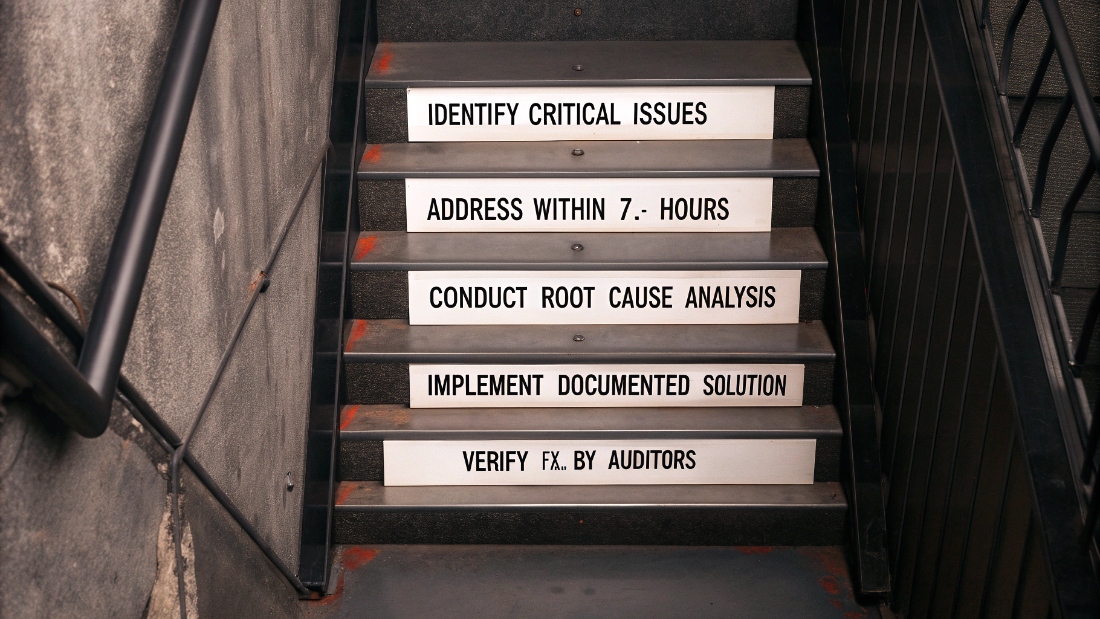
Finding an issue in an audit is not a failure; failing to fix it properly is. We have a very clear and accountable process to ensure every finding is fully resolved. It begins the moment we receive the report.
- Immediate Response: We first classify every finding. Any issue deemed "critical," like a serious safety hazard, is addressed immediately, with a solution in place within 72 hours.
- Root Cause Analysis: A team from HR, production, and safety investigates why the gap occurred. Was it a lack of training? Faulty equipment? An outdated procedure? We have to understand the "why" to create a permanent fix.
- Action Implementation: We execute the Corrective Action Plan. This could involve retraining staff, upgrading a piece of equipment, or changing a workflow. We track all progress against a set timeline.
- Verification: A solution is not complete until it has been verified. We arrange for the third-party auditors to conduct a follow-up visit to confirm that the issue has been fully and effectively resolved.
- Prevention: Finally, we embed the solution into our Standard Operating Procedures (SOPs). This ensures the problem does not happen again and turns a lesson learned into a permanent improvement.
Conclusion
Ethical manufacturing is not just a certificate on the wall. It is a process of transparency, constant improvement, and a deep commitment to our people, protecting both your brand and our integrity.
-
Understanding third-party audits can help you ensure your suppliers maintain ethical practices. ↩
-
Explore the principles of sustainable business to enhance your brand's reputation. ↩
-
Learn about BSCI to understand its role in promoting ethical labor practices globally. ↩
-
Understanding PPE is crucial for ensuring worker safety in manufacturing environments. ↩
-
Learn about CAPs to understand how issues are resolved and documented in audits. ↩