Skip to content

You've designed or bought a pair of jeans that fits perfectly everywhere else, but there's that annoying, unflattering bagginess in the crotch. It ruins the entire silhouette and makes a great pair of jeans look sloppy.
A baggy crotch is almost always a pattern issue related to the rise or the seat. The best permanent fix is a targeted tailorring adjustment, while temporary shrinking methods can offer a quick but less reliable solution.
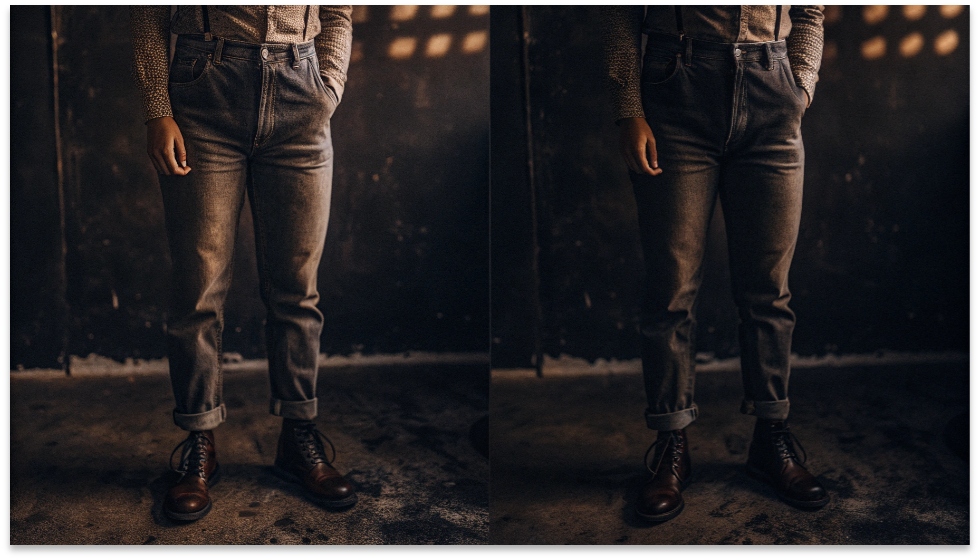
As a manufacturer, I see this issue all the time. It's one of the hardest things to get right in pattern-making because everyone's body is different.
For a designer like you, Dean, I know how frustrating it is when a small detail like this undermines your whole design. A baggy crotch makes the wearer look shorter and throws off the balance of the entire leg.
Understanding why it happens is the first step to knowing how to fix it, either on a sample or for your own wardrobe.
Why Are My Jeans Baggy at My Crotch?
You're looking at your jeans and can't figure out the root cause of the bagginess. The waist fits, the legs are right, but the crotch area has excess fabric that bunches or sags.
Your jeans are baggy at the crotch because the pattern's "rise" is too long for your body, or the "seat" of the pants is too large. This creates excess fabric with nowhere to go, so it pools in the front.
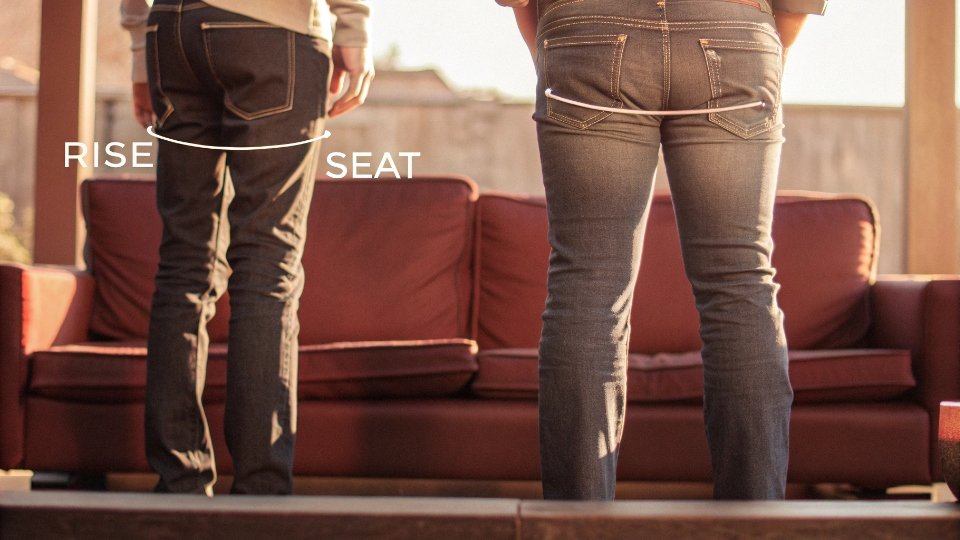
In the factory, we live and breathe by these measurements. The "rise" is the distance from the crotch seam to the top of the waistband. If your torso is shorter than what the pattern was drafted for, you'll get that bagginess.
The "seat" is the curve and width of the pattern designed to cover your glutes. If the jeans have too much room in the seat for your body shape, that extra fabric will often shift forward and sag down, appearing as a baggy crotch.
It's a game of millimeters in pattern design. A fit that's perfect on one person can create this exact problem on another, which is why understanding the cause is so critical.
Dive Deeper: Diagnosing the Problem
| Symptom | Likely Cause | Explanation |
|---|---|---|
| Fabric bunches vertically below the waistband. | Rise is too long. | The waistband sits correctly, but there's too much vertical fabric between the waistband and the crotch point. |
| Fabric sags or droops from the back to the front. | Seat is too large. | There is too much fabric horizontally across the widest part of your hips and rear, causing it to droop. |
| General looseness in the upper thigh and crotch. | Thigh block is too wide. | The pattern is too generous in the upper thigh area, contributing to the overall baggy feeling. |
How Can You Shrink Jeans in the Crotch Area?
You need a quick fix and don't want to go to a tailor. You've heard you can shrink jeans, but you're worried about shrinking the entire pair and making them unwearable.
You can attempt to shrink just the crotch area by spraying it with hot water and applying high heat with a dryer. However, this is a temporary fix with inconsistent results and risks damaging the fabric.
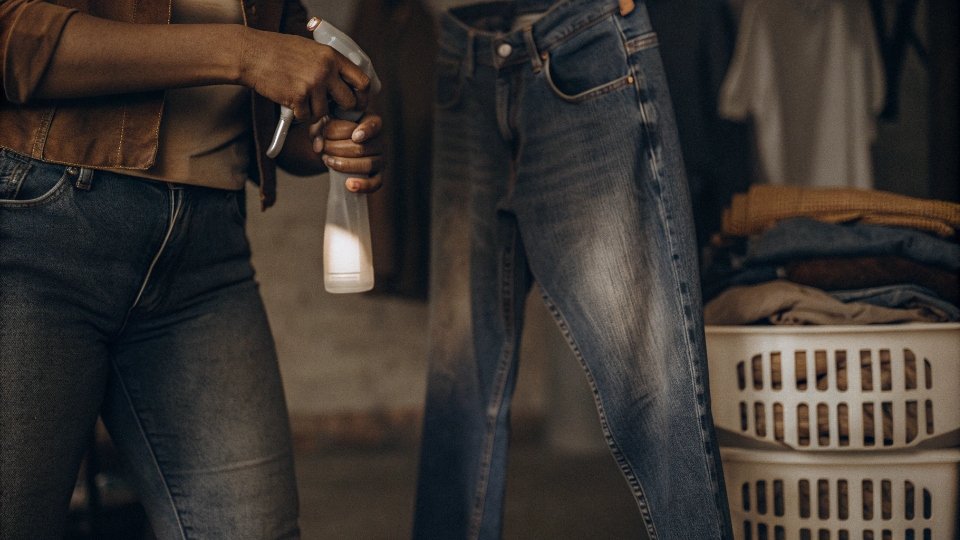
This is a common home remedy that works on a simple principle: cotton fibers contract with heat and moisture. By isolating just the crotch area, you can try to tighten up the fabric there.
To do this, you turn the jeans inside out, spray the baggy area with hot water until it's damp, and then tumble dry on the highest heat setting.The issue is that this is not precise. You risk slight discoloration or, more importantly, damaging any stretch fibers (like elastane) in the denim.
For a pair of 100% cotton jeans, it's safer. For a designer pair with stretch, which you likely work with, Dean, this method can permanently degrade the fabric's recovery. It's a quick fix for a casual pair, but not something I'd recommend for a high-quality garment.
How Can You Fix a Baggy Crotch Without Sewing?
You're looking for a reliable fix but want to avoid a complicated sewing job. You see "no-sew" hacks online and wonder if any of them are legitimate solutions for a well-made garment.
Truly fixing a baggy crotch without sewing is not possible. While temporary solutions exist, the most effective and professional fix is a minor sewing alteration on the outseam, which is simpler than it sounds.
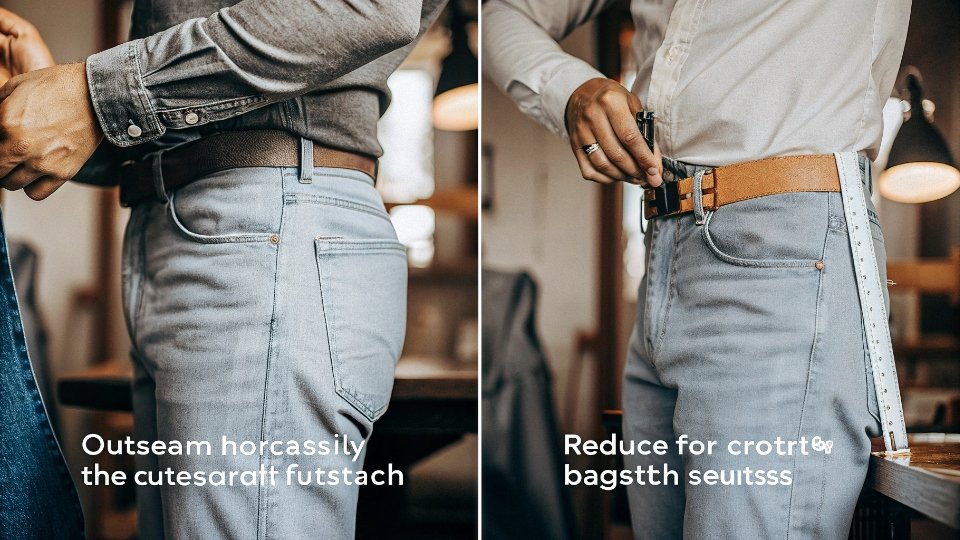
Let's be direct, as one professional to another. The no-sew "fixes" like fashion tape or pins are for photoshoots, not for wearing. The hot water trick is unreliable. The real solution, which is much less intimidating than a full tailoring job, comes from the insight you mentioned.
A skilled tailor—or you, with a sewing machine—can fix this by taking in the outseam, not the inseam. You sew a new seam starting about 1 inch above the widest part of your hip and extending 2-3 inches below it. By taking in just 1/4 inch on each side, you pull the fabric horizontally.
This tension pulls the excess material from the crotch area outwards, smoothing it out without adding a bulky seam on the inner thigh. It’s an elegant solution that attacks the problem from the side. Always do a basting stitch first and test your movement before making it permanent.
How Do You Fix Overly Baggy Jeans?
The problem isn't just the crotch; the entire pair of jeans is too baggy. You're wondering if they can be salvaged or if it's a lost cause.
Fixing overly baggy jeans requires a complete re-tailoring, known as a "recut." This involves tapering the entire leg from the thigh down and often restructuring the seat, a complex and expensive job.
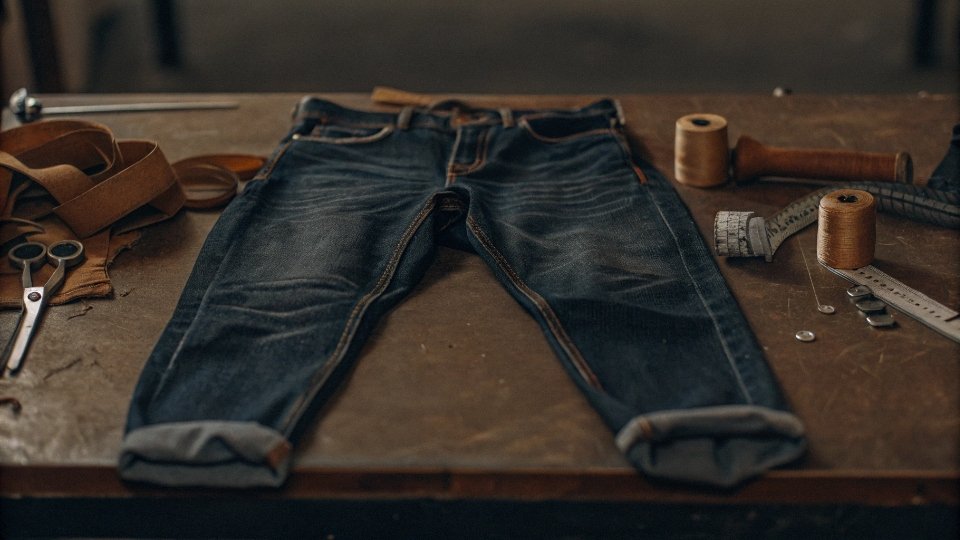
When the entire silhouette is off, a small fix won't work. We are now in the territory of major surgery for garments. A tailor would have to deconstruct the jeans. They would open up both the inseam and the outseam and create a new, slimmer line from the thigh all the way to the ankle.
If the seat is also too large, they may even need to remove the waistband to reshape the top block of the jeans. This is highly skilled labor and can often cost as much as, or more than, a new pair of high-quality jeans.
From a practical standpoint, this is rarely worth it unless the denim itself is exceptionally rare or has sentimental value. For a designer, it's usually more cost-effective to start with a new sample based on a corrected pattern.
Dive Deeper: Alteration Complexity
| Problem | Solution | Complexity | Recommendation |
|---|---|---|---|
| Slightly baggy crotch | Take in the outseam at the hip. | Low | A simple, highly effective fix. Recommended. |
| Legs are too wide | Taper the leg from knee to ankle. | Medium | A standard and common tailoring job. |
| Entire jean is baggy | Full recut of the seat and legs. | High | Very expensive and complex. Usually not worth the cost. |
Conclusion
Fixing a baggy crotch starts with a correct pattern. For existing jeans, a simple alteration on the outseam is the best fix, while major bagginess often requires a costly full recut.