Skip to content

You dream of seeing your designs on a clothing rack with your own label. But the path from an idea to a real brand seems complex, confusing, and completely overwhelming.
To create a private label brand1, you need a clear plan. Start by defining your niche and customer2. Then, design your products, find a reliable manufacturing partner3, and build your brand identity4 and sales channels.
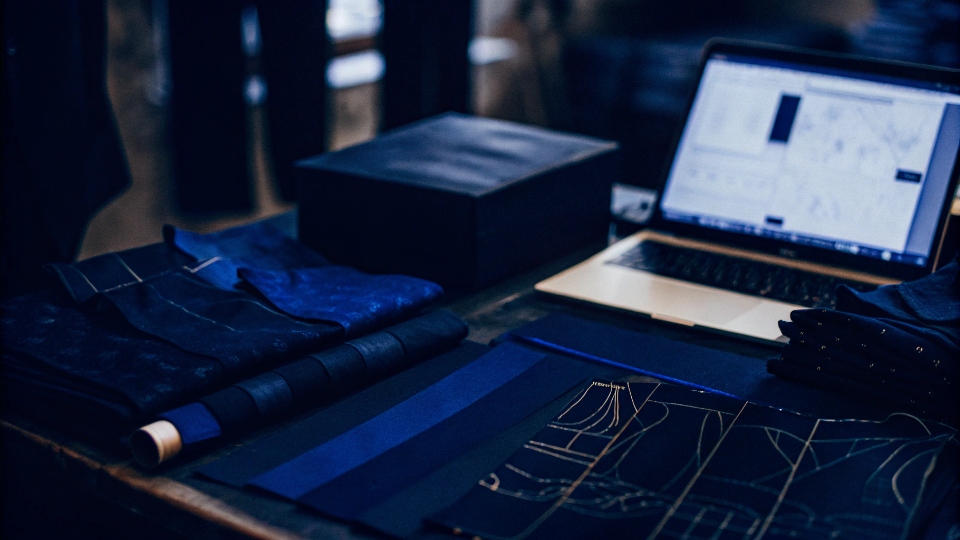
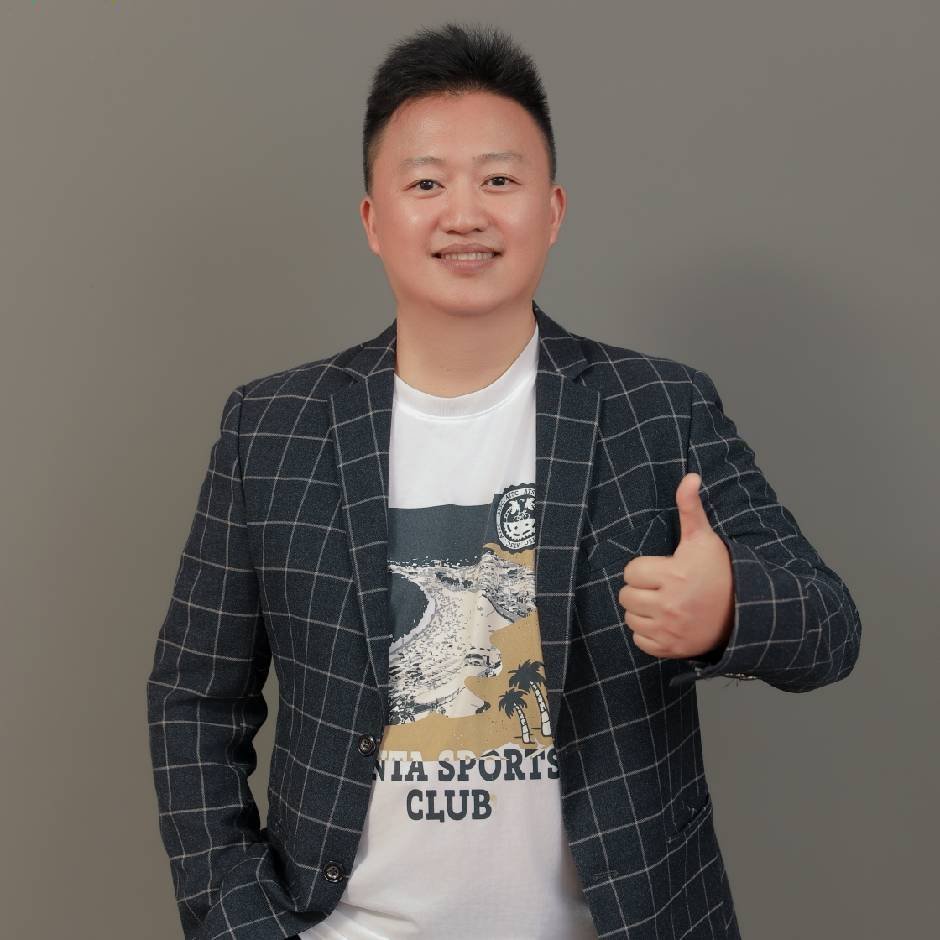
Starting a brand feels like a huge mountain to climb. I have worked with hundreds of designers, like Dean, who have incredible talent but get stuck on the business side of things.
They have the vision, but they don't know the steps. The good news is that it is not as hard as it looks. You can learn as you go. The most important choice you will make is finding a manufacturing partner who can guide you.
At my factory, DiZNEW, we do more than just sew. We help new brands navigate this journey from a simple sketch to a finished product. Let me break down the steps for you.
How do I start my own clothing label?
You have a notebook full of amazing ideas for a clothing line. But turning those drawings into a real, profitable business feels like a mystery. You do not know where to even begin.
You start by creating a solid foundation. First, define your specific niche and customer. Then, develop your designs, handle the legal setup5, and find a manufacturing partner who can produce a small initial run.
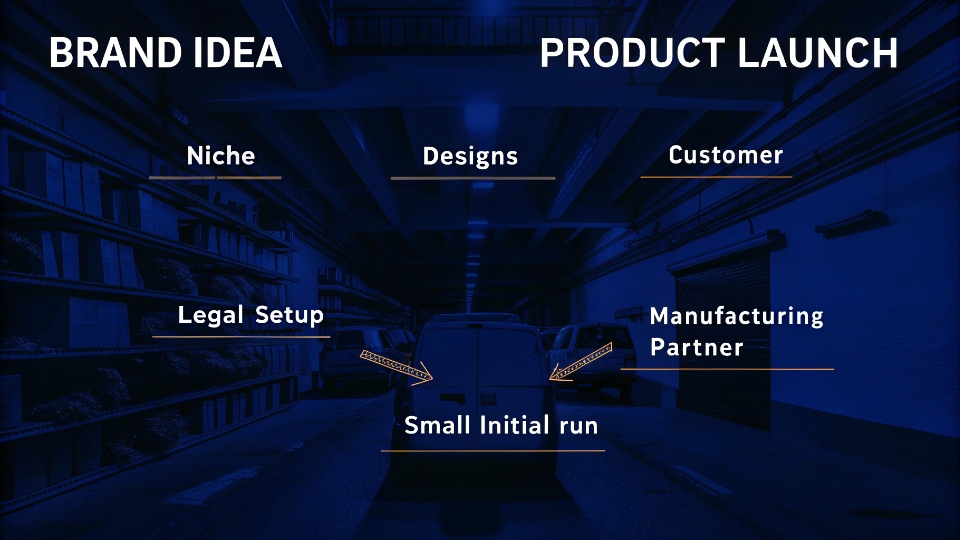
Think of it like building a house. You cannot start putting up walls without a blueprint. I always tell new designers that the first step happens long before you talk to a factory. You must know exactly who you are selling to.
A brand for teenage skaters is very different from a brand for professional women. Once you know your customer, you can create a business plan6. This plan guides everything. It includes your designs, your budget, and how you will sell your products.
Only then should you start looking for a factory. A good partner will ask for this information to understand your vision. We work with you to test your ideas with samples and small production runs to manage your risk.
The 9-Step Brand Creation Path
| Step | Action | Key Goal |
|---|---|---|
| 1. Niche | Define your target audience and brand story. | Find a unique space in the market. |
| 2. Research | Analyze competitors and plan your pricing. | Make sure your idea is viable. |
| 3. Legal | Register your business and trademark your name. | Protect yourself and your brand. |
| 4. Design | Create tech packs7 and source fabrics. | Prepare your vision for production. |
| 5. Production | Find an OEM/ODM partner8 and test samples. | Bring your designs to life. |
| 6. Branding | Design your logo, labels, and packaging. | Create a memorable identity. |
| 7. Sales | Build your website and social media channels. | Create a place for customers to buy. |
| 8. Launch | Market your products and gather feedback. | Start selling and learning. |
| 9. Scale | Manage inventory and grow your product line. | Turn your launch into a real business. |
Do you need an LLC9 to start a clothing line?
You are ready to sell your first batch of jeans. But the thought of legal paperwork is intimidating. You worry that if you skip this step, one business mistake could risk your personal savings.
While you can start as a sole proprietor, forming a Limited Liability Company (LLC) is highly recommended. It separates your business and personal finances, protecting your personal assets like your home and car from business debts.
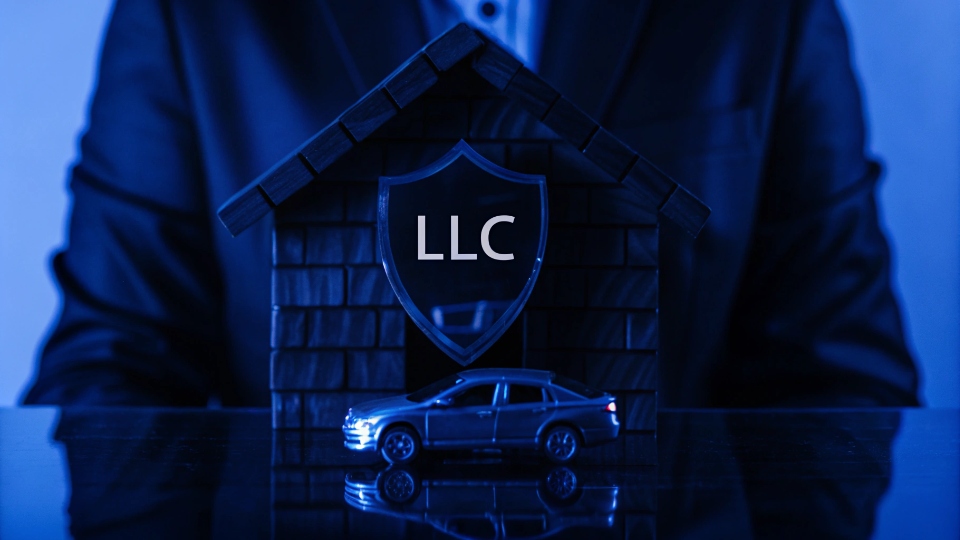
This is one of the most important pieces of advice I give to new entrepreneurs. When you are just starting, it is easy to mix your personal and business money. But this is very risky. Imagine your brand is sued for some reason.
If you are a sole proprietor, they can come after your personal bank account and property. An LLC creates a legal wall between you and your business. The business can have its own debts and legal issues, but your personal assets are safe.
It also makes you look more professional to partners, banks, and even customers. It shows you are serious about building a real company. It costs a little money to set up, but the peace of mind it gives you is priceless.
Is it legal to put your own label on clothing?
You found some great quality blank t-shirts or jeans that are perfect for your brand. You want to put your logo on them, but you are not sure if that is allowed. It feels like you might be breaking a rule.
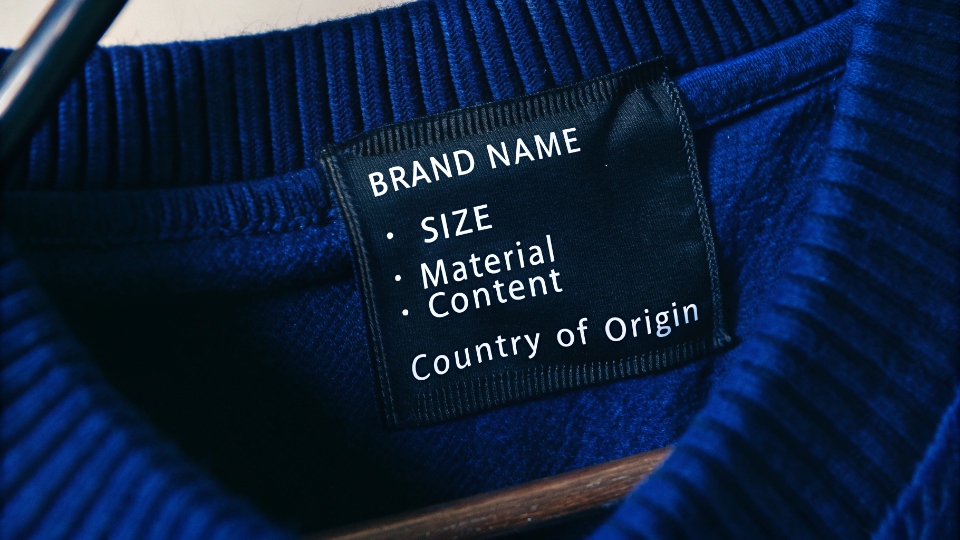
Yes, it is completely legal to put your own label on unbranded clothing. This business model is called private labeling10 or white labeling. But, you must follow federal laws for what information your new label must contain.
This is how thousands of brands get their start. They find a manufacturer that makes a great base product, and then they add their own branding11 to make it unique. This is a core part of what we do at DiZNEW as an OEM/ODM supplier.
Brands come to us with a design, and we produce it for them with their label inside. However, you cannot just sew in a label with your logo.
In the United States, the Federal Trade Commission (FTC) has rules. Your label must clearly state the fiber content (like 98% cotton, 2% spandex), the country of origin (like "Made in China"), and the identity of your company.
A good factory partner knows these rules inside and out. We make sure all the products we ship for our clients are 100% compliant so they do not have to worry about it.
How much does it cost to create your own clothing brand?
You have the vision and the drive to start your brand. But one huge question stops you in your tracks: how much money do I actually need? The fear of unknown and potentially massive costs is a major roadblock.
You can start a small clothing brand for a few thousand dollars, but a more serious launch can cost anywhere from $10,000 to $50,000 or more. The biggest costs are your first inventory order, website development, and marketing.
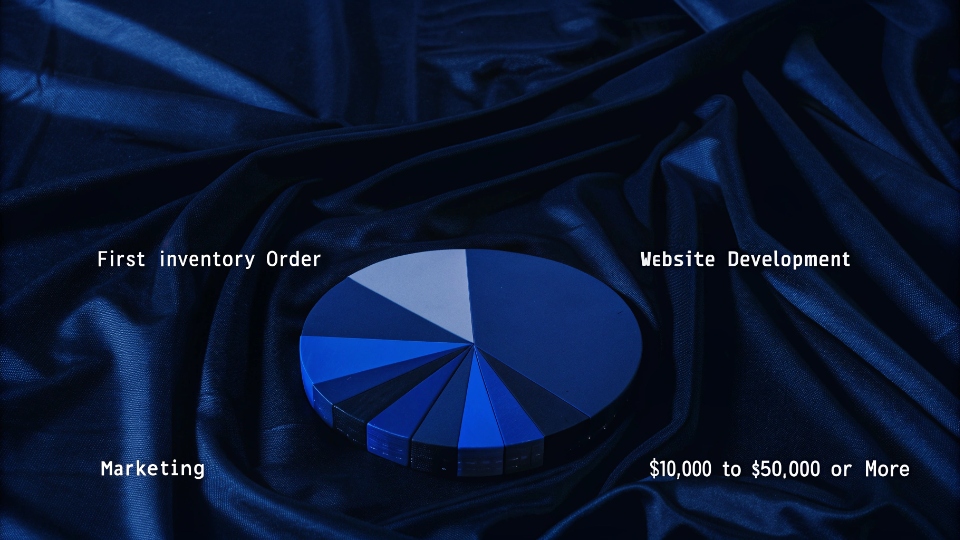
The exact number changes for every brand, but the costs fall into a few main buckets. You will have one-time costs like business registration and logo design. Then you have product costs, which include samples and your first bulk order.
Finally, you have selling costs, like building a website and advertising. By far, the biggest check you will write is for your first batch of inventory. This is also the riskiest part. I have seen countless brands fail because they spent all their money on 1,000 pairs of jeans they could not sell. The key is to start small.
Find a manufacturing partner3 who is willing to do a small Minimum Order Quantity (MOQ). At DiZNEW, we often work with new brands to produce as few as 100 or 200 units per style. This helps you test the market, manage your cash, and grow smartly.
Conclusion
Starting your own clothing brand is a step-by-step journey, not a giant leap. With a clear plan and the right manufacturing partner, you can turn your vision into a reality.
-
Understanding private label brands can help you navigate the complexities of starting your own clothing line. ↩
-
Defining your niche is crucial for targeting the right audience and ensuring your brand's success. ↩
-
A good manufacturing partner can significantly impact the quality and success of your clothing brand. ↩ ↩
-
Building a strong brand identity helps differentiate your clothing line in a competitive market. ↩
-
Knowing the legal requirements can help you avoid pitfalls and ensure compliance in your business. ↩
-
A solid business plan is essential for guiding your brand's development and securing funding. ↩
-
Tech packs are crucial for communicating your design specifications to manufacturers effectively. ↩
-
Understanding OEM and ODM can help you choose the right manufacturing approach for your brand. ↩
-
Understanding the advantages of an LLC can protect your personal assets and enhance your business credibility. ↩
-
Exploring private labeling can open up opportunities for branding and product customization. ↩
-
Strong branding can create a memorable identity and attract loyal customers to your clothing line. ↩