Skip to content

You're shopping for jeans and see them described by weight, like "12 oz denim." This sounds technical and confusing, making you worry you'll choose the wrong pair and end up with something too stiff or flimsy.
No, 12 oz denim is not considered heavy for jeans; it is the perfect midweight. It offers a great balance of durability and immediate comfort, making it the most versatile and popular weight for year-round wear.
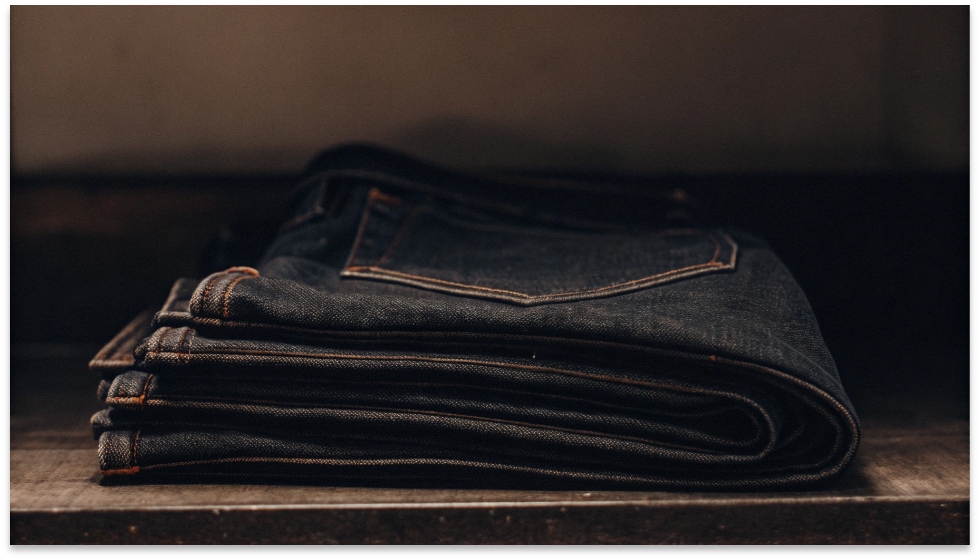
I've been working with denim for over 20 years, and the 12 oz weight is the backbone of the industry. It's the sweet spot. Based on my experience, denim under 10 oz is lightweight, perfect for shirts.
Once you hit 12 oz, you're in that ideal midweight category.It’s strong enough to feel like a real pair of jeans but doesn't require a painful break-in period.
When a designer like Dean is creating a new line for a major brand, 12 oz denim is often the starting point because it works for so many different styles and seasons. It's the reliable standard.
Is 12 oz of denim heavy?
You see the number "12 oz" and immediately think it sounds heavy. After all, a 12-ounce steak is pretty substantial. This makes you question if the jeans will be stiff and uncomfortable.
In the world of denim, 12 oz is considered a perfect midweight, not heavy. It's substantial enough to be durable but light enough for comfortable, everyday wear right from the first day.
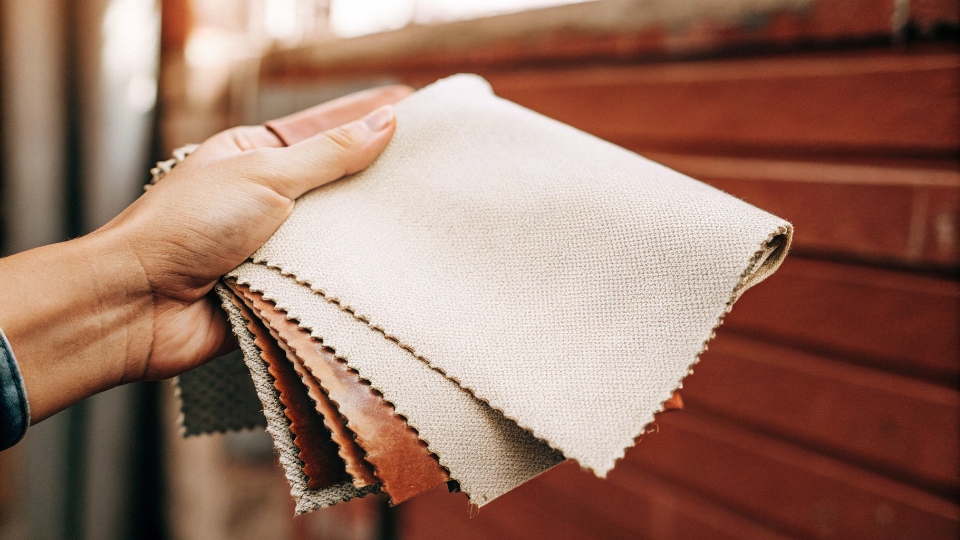
Let's break down the weight classes as we see them in the factory. Anything under 10 oz is what we call lightweight. It's great for denim shirts or very light summer jeans.
From 10 oz up to about 13 oz is the midweight category. This is where the vast majority of jeans on the market live, and for good reason. It drapes well, it's easy for us to apply different washes and finishes, and it provides the durability customers expect.
It’s only when you start getting into 14 oz and above that you truly enter "heavyweight" territory. So, a 12 oz jean is your ideal all-rounder, not a heavy piece of equipment that needs taming.
Dive Deeper: Denim Weight Classes Explained
| Weight Category | Ounces (per sq. yard) | Common Uses & Feel |
|---|---|---|
| Lightweight | Under 10 oz | Denim shirts, light summer dresses, very soft jeans. Feels more like a standard twill fabric. |
| Midweight | 10 oz - 13 oz | The industry standard for most jeans (e.g., Levi's 501). Perfect balance of durability and comfort. |
| Heavyweight | 14 oz and up | Premium raw denim, selvedge jeans. Stiff at first, requires a break-in period, very durable. |
What is considered heavy denim jeans?
You're a fan of durable, substantial clothing and want to find jeans that can really take a beating. You hear about "heavy denim" but aren't sure what specific weight you should be looking for.
Jeans made from denim that weighs 14 oz or more per square yard are considered heavy. These jeans are prized for their rugged feel, pronounced fading potential (patina), and exceptional durability.
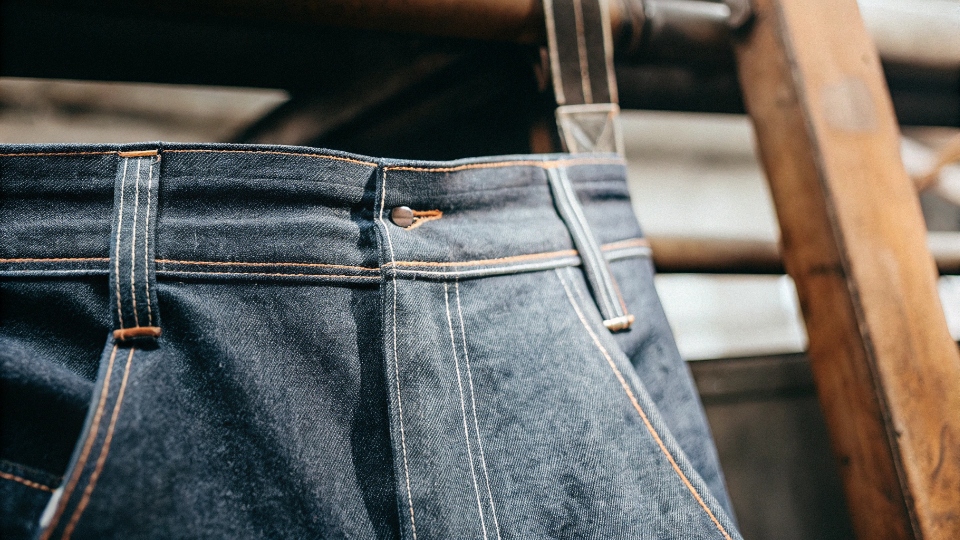
Now we're getting into the territory of true denim enthusiasts. In my factory, when we get an order for 14 oz, 15 oz, or 16 oz denim, we know the client is serious about quality and texture.
Consumers love these fabrics because the resulting jeans feel incredibly substantial. They are stiff initially, no doubt about it, but over time, they mold to your body perfectly. The fades you get on heavyweight denim are often more dramatic and high-contrast because the thick, starchy fabric creates sharper creases.
While a 12 oz jean is about everyday comfort from the start, a 15 oz jean is about building a personal history with the garment. It's a commitment that pays off beautifully in character and longevity.
Is 12 oz of fabric heavy?
Putting denim aside, you wonder if 12 oz is a heavy weight for fabric in general. You want to understand how it compares to other materials you might find in your closet.
Yes, for fabric in general, 12 oz is considered quite heavy. For comparison, a typical men's dress shirt is made from 3-4 oz fabric, and a standard t-shirt is around 5-6 oz.
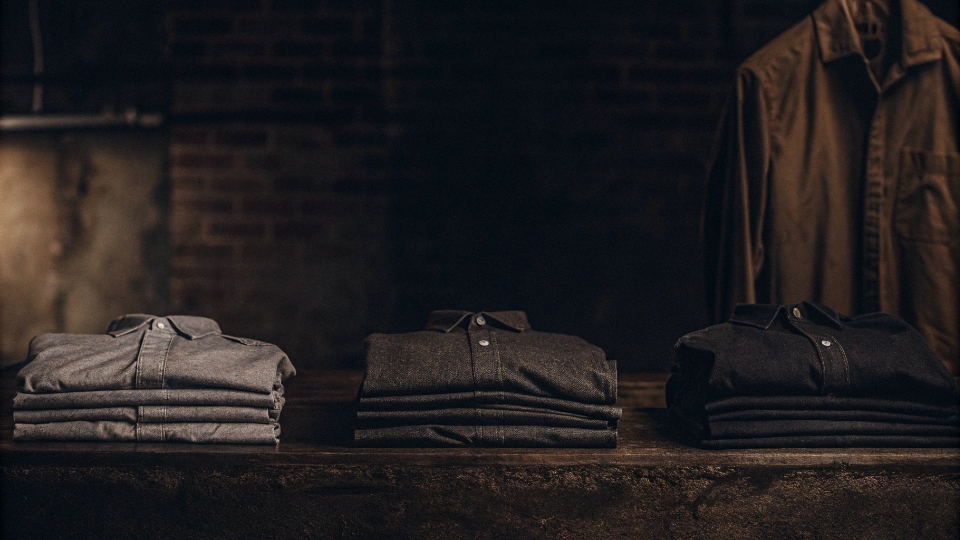
This is a great question because it puts denim into perspective. The reason denim is so much heavier is because of its history and purpose. It was designed as workwear for miners and laborers.
It needed to be tough, abrasion-resistant, and long-lasting. You simply can't achieve that with a flimsy, lightweight fabric. A 12 oz cotton twill—which is what denim is—is a true workhorse material.
So while a 12 oz wool for a winter coat might be normal, and a 12 oz canvas for a tote bag is expected, it's far heavier than the fabric used for about 90% of other clothing items. This inherent heft is what gives jeans their unique character and makes them so durable.
Dive Deeper: A Broader Fabric Weight Context
| Fabric Weight | Common Garment | Typical Feel |
|---|---|---|
| 3-5 oz | T-shirts, dress shirts, blouses | Very light, breezy, drapes easily. |
| 6-9 oz | Chinos, flannel shirts, lightweight jackets | Light to medium weight, has some structure. |
| 10-13 oz | Standard Jeans, canvas pants, sweatshirts | Midweight, substantial, durable but comfortable. |
| 14 oz+ | Heavy Jeans, heavy canvas work coats, upholstery | Heavy, stiff, extremely rugged and durable. |
How heavy are regular jeans?
You walk into any store and grab a standard pair of jeans off the rack. You want to know what the average weight is for these everyday, mass-market jeans.
Most "regular" jeans from major brands like Levi's, Wrangler, or Gap are made from midweight denim, typically falling in the 11 oz to 13 oz range. 12 oz is the most common average.
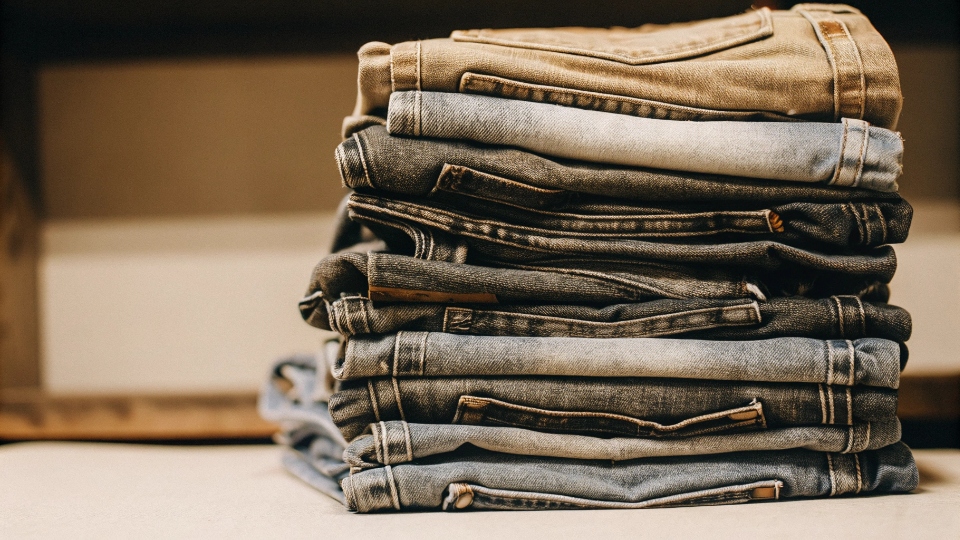
This has been the industry standard for decades. As a manufacturer, we produce millions of pairs of jeans in this weight range. It hits every target perfectly.
For a brand, it's cost-effective and easy to work with for washing and finishing. For the customer, it delivers on the promise of what a jean should be: durable enough for weekend chores but comfortable enough for a casual dinner.
But there is a world beyond the standard. This is where selvedge denim comes in.
While you can find selvedge in midweight, the truly special stuff starts at 15 oz and can go to 18 oz, 22 oz, or even higher. It's for the person who wants the absolute best.
Dive Deeper: Beyond the Standard to Selvedge
Selvedge denim, often called "red-edge" , is different. It's woven on old-style shuttle looms, and the fabric width is about half that of the modern, wide looms we use for regular denim.
This slower, traditional process creates a denser, more character-rich fabric. The result is a jean that is more expensive upfront, no question. But its durability is on another level. It lasts so much longer that the overall cost-per-wear can actually be better.
For a designer like Dean, using a heavyweight Japanese selvedge is a statement. It says the brand values craftsmanship, history, and uncompromising quality.
Conclusion
12 oz denim is the ideal midweight for jeans, balancing durability with comfort. It's the industry standard, while heavyweight and selvedge options starting at 14 oz offer a more rugged, premium experience.