Skip to content

You see fast-fashion jeans selling for almost nothing, and you question your own strategy. Is investing in quality a waste when consumers seem to prioritize low prices above all else?
Building a brand on cheap jeans is a short-term strategy that leads to customer dissatisfaction. Quality issues and poor durability will ultimately damage your brand's reputation and long-term viability.
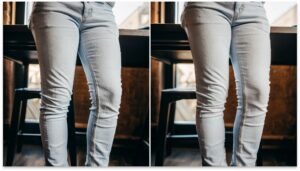
Dean, your insight that fit determines how good a jean looks is 100% correct.Fit is king. But as a manufacturer, I can tell you that achieving a consistently great fit with cheap materials and rushed production is nearly impossible.
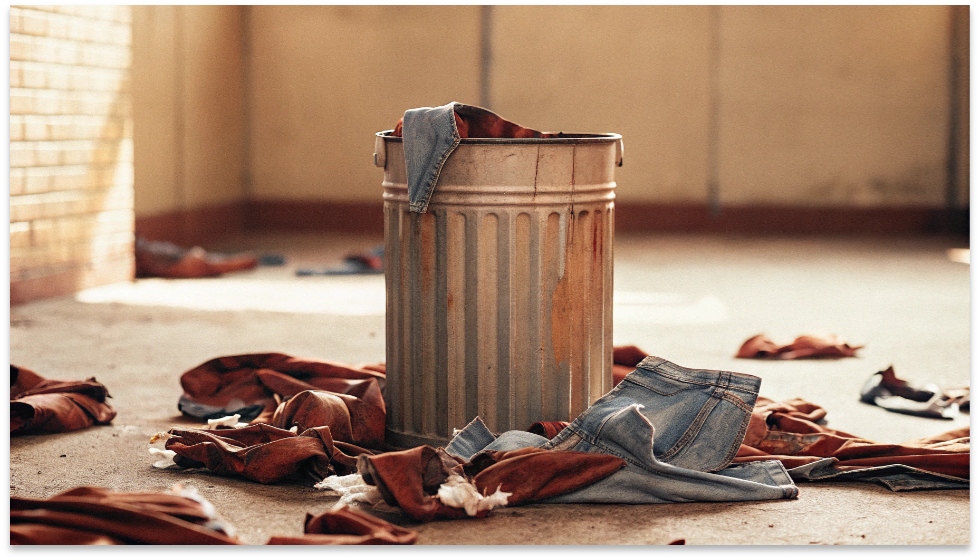
A customer might be happy with the price and the initial look of a cheap pair of jeans, but that happiness fades quickly. When the seams start to unravel and the fabric bags out after three washes, they don't blame the price—they blame your brand.
Building a respectable brand is about making a promise of quality to your customer, and cheap jeans break that promise every time.
Are More Expensive Jeans Better?
You're sourcing materials and your costs are adding up. You wonder if the customer will actually notice the difference between a $10 denim and a $25 denim, justifying the higher retail price.
Yes, more expensive jeans are almost always better. The higher price pays for superior fabric, more precise construction, and durable hardware, which results in a product that fits better and lasts longer.
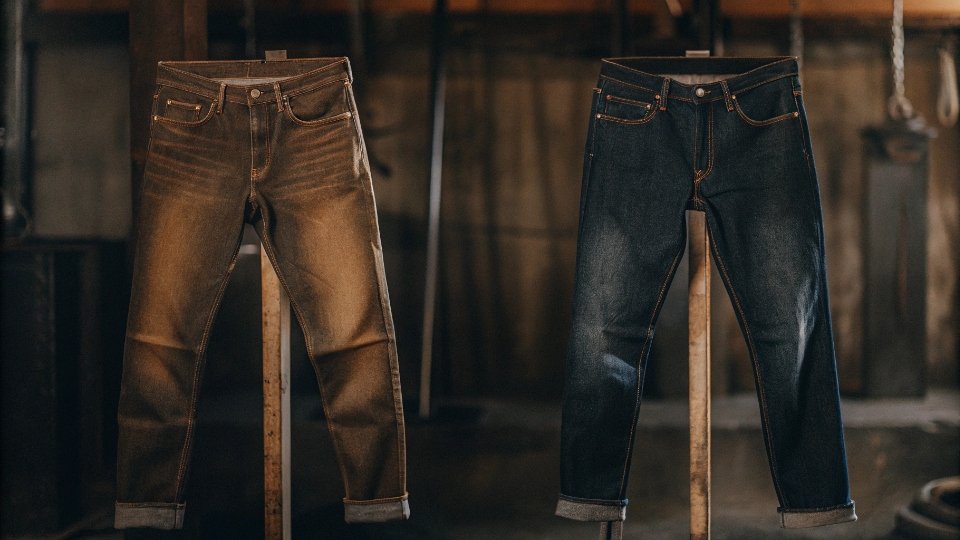
Your example of a designer piece versus a Zara copy is exactly what I see from a production standpoint. When a brand orders a cheap jean, they are telling me to cut corners everywhere.
We use a thin denim with a lot of polyester so it stretches to fit, even though we know it will lose its shape. We use a lower stitch count to save time, even though the seams will be weaker.
We use plated iron buttons that will fade and cheap faux leather patches that will crack and peel. With an expensive jean, the instructions are the opposite. We use dense, all-cotton denim that molds to the body.
We use high-density stitching for durability. We use solid copper rivets that will outlast the fabric itself. One is designed to survive a season; the other is designed to last a decade. The customer definitely feels that difference.
What Is a Reasonable Amount to Spend on Jeans?
You need to establish a price point for your collection. Go too high, and you alienate customers. Go too low, and you signal that your product is low-quality.
For a consumer, a reasonable amount is between $150 and $250. This price range typically ensures the use of high-quality materials and ethical manufacturing without an excessive luxury brand markup.
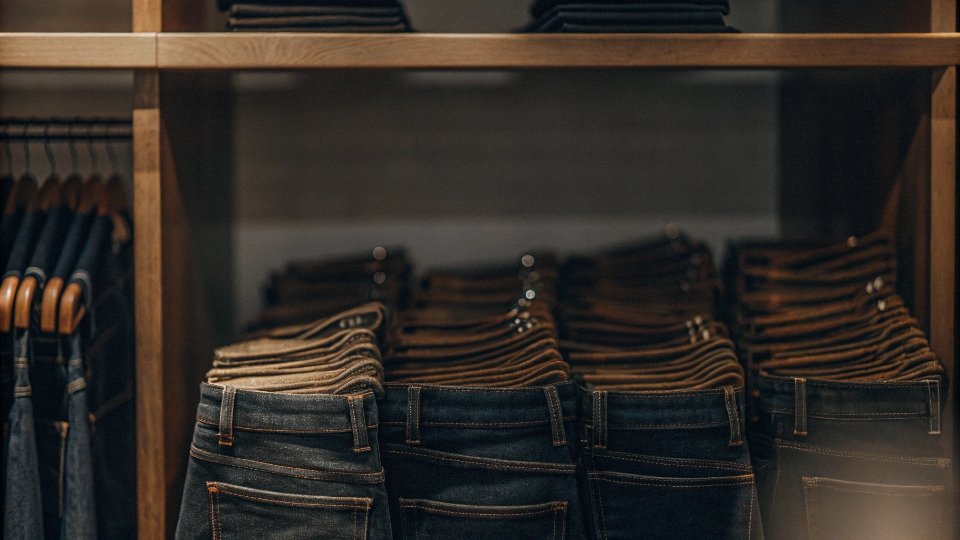
From my position as a manufacturer, I can tell you what it costs to make a good pair of jeans. Once you factor in quality denim from a reputable mill, skilled labor (not the cheapest available), sturdy hardware, and a proper wash process, it becomes very difficult to sell that jean at retail for under $100 without someone in the supply chain getting squeezed.
The $150-$250 sweet spot is where true value lives. In this range, a brand isn't just selling a name; it's selling the actual product. The money is going directly into the quality of the materials and the skill of the people making it.
For your brand, this is the most honest and sustainable price point. It allows you to deliver a genuinely superior product that the customer will feel is worth the price, building trust and repeat business.
Do Expensive Jeans Last Longer?
Your brand's reputation depends on the longevity of your products. You need to know if paying for premium materials truly translates into a longer-lasting garment for your customer.
Yes, without a doubt. Expensive jeans are made with more durable denim, stronger stitching, and better hardware. They are designed to withstand years of wear, while cheap jeans are built to be disposable.
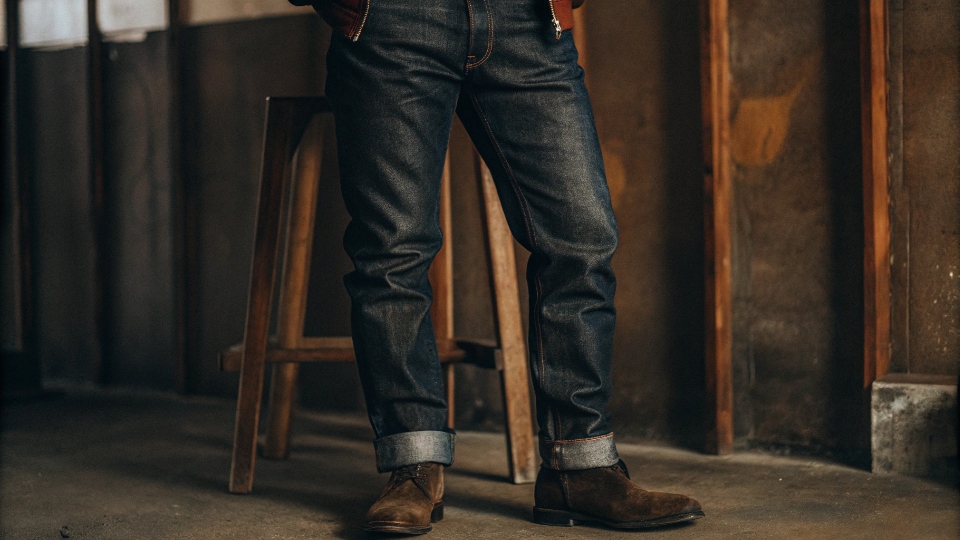 "The Longevity and Character of Well-Made Expensive Jeans")
This is the simplest question to answer from the factory floor. The lifespan of a jean is determined by its weakest point. On cheap jeans, there are many weak points.
The fabric itself is often the first thing to fail; thin denim will rip and bag out quickly. If the fabric holds, the stitching will go next.
We use thick, strong thread for our premium clients, but for cheap jeans, it's thin polyester thread that can snap under stress. If the stitching holds, the hardware will fail.
I've seen zippers break and cheap buttons pop off after just a few months. Expensive jeans are built like a tank in comparison. The heavy denim fabric gets better with age.
The high-density stitching holds firm. The solid metal hardware will likely outlive you. You're not just selling a pair of pants; you're selling a product that can be a companion for years.
How Can You Tell if Jeans Are High Quality?
As a designer, your credibility is on the line with every fabric and trim you select. You must be able to identify quality instantly to protect your brand's standards.
You can tell if jeans are high quality by feeling the fabric's weight, checking the stitching density, examining the hardware for solid materials (like copper), and looking for a genuine leather or premium patch.
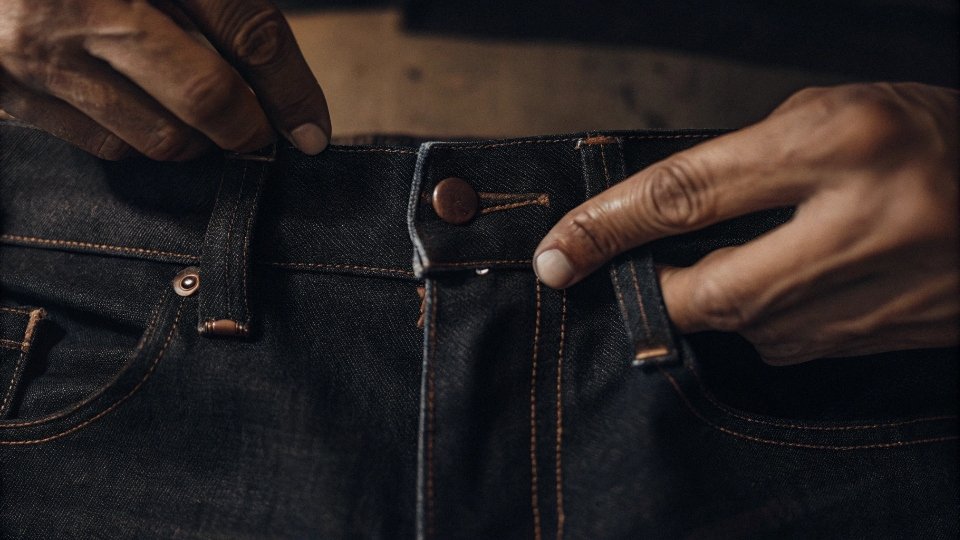
When I evaluate a jean, I use my hands more than my eyes. Here is my four-step physical inspection process:
- The Fabric Test: I grab a handful of the denim on the thigh. Does it feel solid, dense, and substantial? Or does it feel thin, flimsy, and overly soft, like a jegging? Quality denim has a reassuring weight and structure.
- The Stitching Test: I look at the inseam and the back pockets. The stitches should be tight, close together, and consistent. If you see long, loose stitches with loose threads, it was made in a hurry to save money.
- The Hardware Test: I tap the main button. A solid "clink" means it's likely brass or copper. A hollow "tink" sound suggests cheap plated metal. I check the zipper; a trusted name like YKK is a non-negotiable sign of quality.
- The Patch Test: I feel the patch on the back waistband. A quality jean will use genuine leather that feels supple or a thick, premium jacron paper that feels durable. A cheap jean will use a thin, cardboard-like material that will disintegrate in the wash.
These four simple tests will tell you 90% of what you need to know about the jean's construction quality.
Conclusion
It is not good to build a brand on cheap jeans. Prioritize quality materials and construction. This creates durable, well-fitting products that build customer loyalty and a strong brand reputation.