Skip to content

You see "stove pipe" on trend reports, but the silhouette looks like just another straight-leg jean. Is this a real, distinct cut or just clever marketing jargon you need to decipher?
Stove pipe jeans are typically high-waisted and fitted through the hip and upper thigh, then fall in a straight line from the knee to the ankle. This creates a clean, columnar leg shape that isn't skinny or baggy.
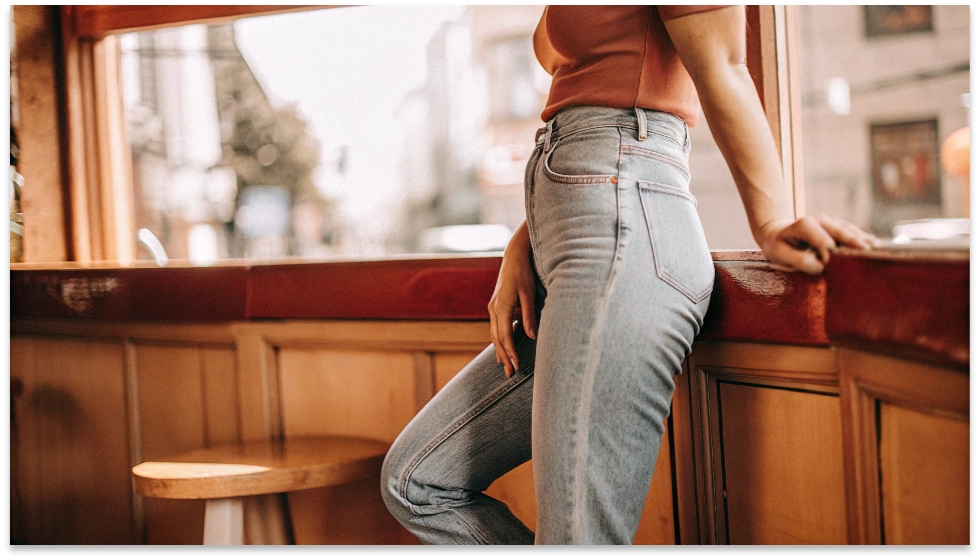
Dean, this silhouette is a game of millimeters. On the factory floor, we can immediately tell when a designer understands the stove pipe. It's not a lazy straight leg.
The beauty of this cut is in the balance—it provides the comfort and trendy look of a wider leg while keeping a structured, flattering fit around the hips and thighs.
It's the perfect solution for the customer who wants a modern shape without feeling lost in fabric. Getting the pattern right is everything.
What Is the Difference Between Straight and Stovepipe Jeans?
Your tech pack specifies a "straight leg," but the sample you get back has a different feel. This confusion costs time and money in sampling, and you need precision.
A classic straight-leg jean has a consistent width from the hip or thigh down to the ankle. A stove pipe jean is specifically fitted and snug through the hip and thigh before falling straight from the knee.
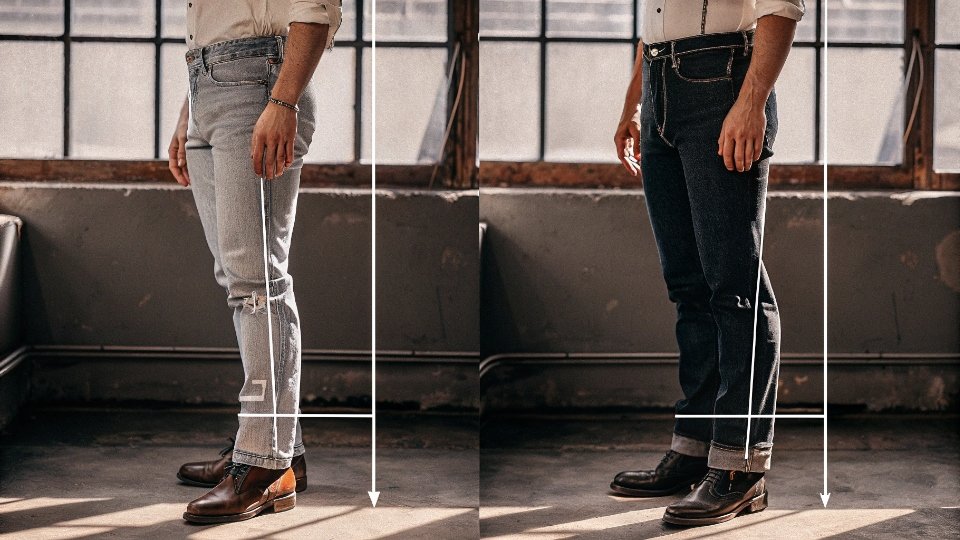
The difference is all in the top block and the thigh. When you send me a tech pack, these are the measurements that tell me what you're truly trying to create. A traditional straight leg is about a uniform, boxier fit. It gives the wearer room throughout.
The stove pipe is a more modern, hybrid design. It borrows the snug, body-contouring fit of a slim jean at the top and combines it with a straight, non-tapered leg from the knee down.
It’s a deliberate choice to accentuate the waist and hips while creating a long, straight leg line. This subtlety is what makes it a premium, high-fashion silhouette.
The Pattern-Maker's View
| Fit Area | Classic Straight Leg | Stove Pipe Jean |
|---|---|---|
| Top Block | Roomy, sits off the body | Fitted, contours to the hip |
| Thigh | Straight, consistent with hip | Snug, follows the leg shape |
| Knee to Hem | Falls straight from the hip | Falls straight from the knee |
What Does Stove Pipe Mean in Jeans?
The name "stove pipe" itself sounds a bit clunky and old-fashioned. It's hard to get excited about a design when the name doesn't immediately sound chic or modern.
The name "stove pipe" is a literal, visual description. It refers to the way the leg of the jean falls straight and uniform from the knee down, resembling the shape of a classic, cylindrical metal stovepipe.
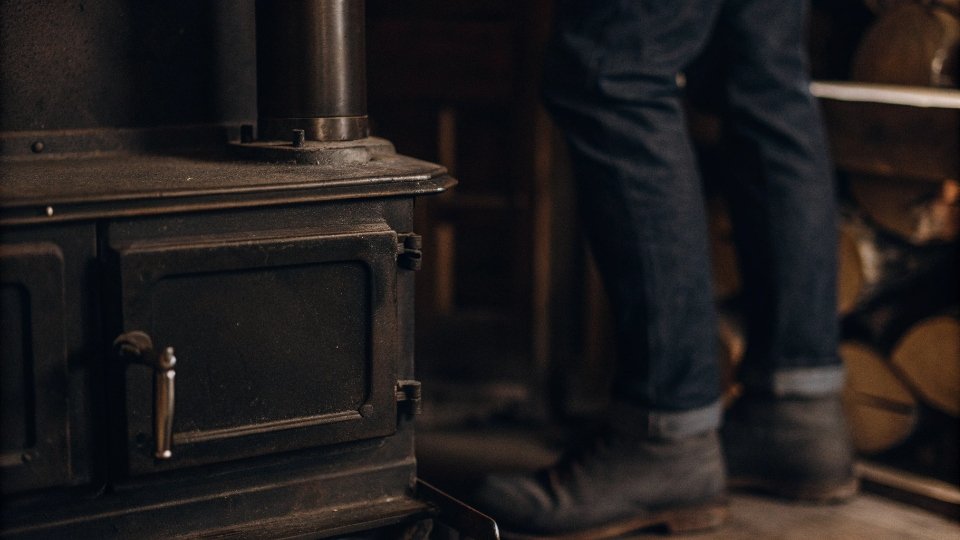
The name is actually very precise, Dean. It’s an engineering term, not a marketing one. Think about the function of an actual stovepipe: it's a perfectly straight, rigid tube. That's exactly the effect this cut aims for on the lower leg.
It doesn't taper like a skinny jean, and it doesn't flare out. It creates a strong, architectural column of denim. This is why the insight you mentioned is so accurate. It gives that "trendy leg look" because it has structure.
Unlike a baggy or barrel jean that creates volume with curves, the stove pipe creates its look using a straight, clean line. For many customers, this feels safer and more flattering, as it elongates the leg without adding bulk where they don't want it.
What's the Difference Between Stovepipe and Wide Leg Jeans?
You want to offer a jean with more leg room, but you're afraid of creating a baggy, overwhelming silhouette. You need to know when to specify stove pipe versus a full wide leg.
Stove pipe jeans have a fitted top block and a straight, moderately wide leg. True wide-leg jeans are designed to be loose and have significant volume from the hip all the way down to the hem.

This is a crucial distinction in terms of both fabric consumption and target customer. It all comes down to where the volume is placed. The stove pipe is about controlled volume.
The fit is anchored to the body at the waist, hip, and thigh. The width is only introduced from the knee down. A wide-leg jean is about total volume. The intention is a loose, flowing effect that starts right from the hip.
As a manufacturer, this changes everything. A wide-leg jean often requires a softer, drapier denim to move correctly. A stove pipe works best with a more rigid, structured denim that can hold the straight "pipe" shape and highlight the contrast with the fitted top block.
Volume and Fit Points
| Fit Point | Stove Pipe Jean | Wide Leg Jean |
|---|---|---|
| Hip & Thigh | Fitted and snug | Loose and roomy |
| Knee | Leg falls straight | Leg continues to widen |
| Overall Shape | Columnar, structured | Triangular, flowing |
What's the Difference Between Drainpipe and Stovepipe Jeans?
You hear older, fashion-history terms like "drainpipe" and wonder if it's just another word for "stovepipe." Using the wrong term could result in a sample that's completely wrong for the modern market.
Drainpipe jeans are very narrow, slim-fitting pants that hug the leg from thigh to ankle, essentially another name for skinny jeans. Stovepipe jeans are wider from the knee down and not tight on the calf.
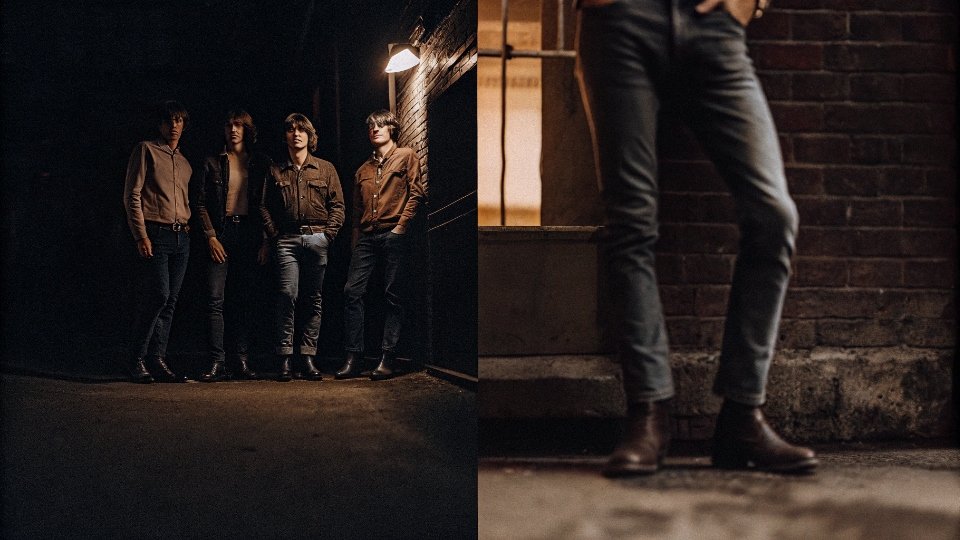
These two "pipe" styles come from completely different eras and serve opposite functions, Dean. "Drainpipe" is a term from the 1950s and 60s. It described the ultra-slim trousers worn by rock-and-roll rebels and mods.
The entire point was to be as narrow and tight as possible, like a water drainpipe. The silhouette was about rebellion and showing off a skinny frame. The stove pipe jean is a modern response to that. It keeps the flattering fit on the thigh but releases the leg from the knee down.
This is far more comfortable and accessible for a wider range of body types. One is about constricting the leg, the other is about creating a straight, clean line.
Conclusion
The stove pipe jean is a smart, modern silhouette. It blends a flattering, fitted top with a straight, columnar leg, offering a highly commercial alternative to both skinny and baggy styles.