Skip to content

You found an amazing pair of jeans1, but the fit isn't quite right. You're afraid a tailor might ruin them, leaving you with an expensive mistake and a broken heart.
Most parts of jeans can be altered, including the length, waist, and leg width. However, structural elements like the rise (the distance from the crotch to the waistband) and the placement of the back pockets2 are extremely difficult and often impossible to change correctly.
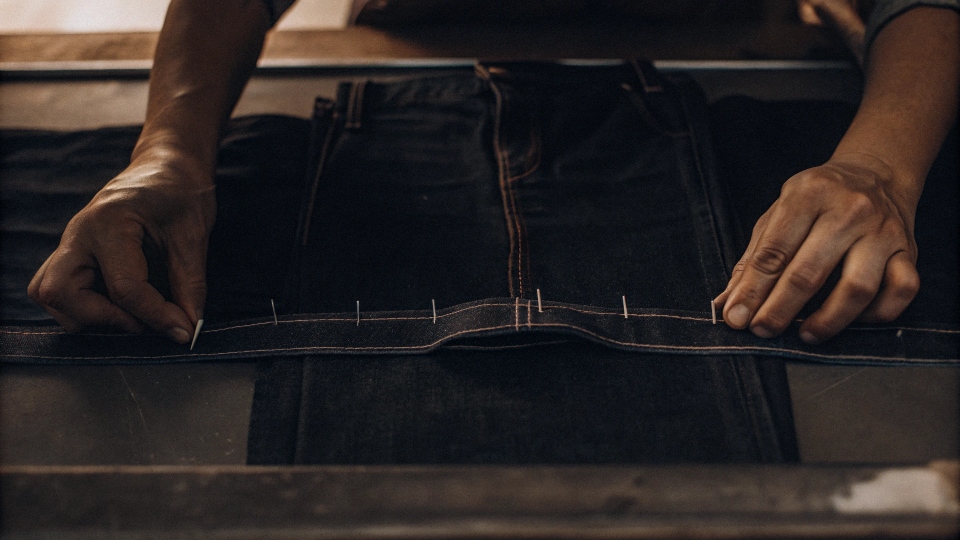
Every day in my factory, we work with patterns that are precise down to the millimeter. We know that changing one measurement can throw off the entire balance of the garment.
When a designer like Dean sends me a tech pack, the pocket placement and the curve of the seat are intentional. A good tailor understands this. They know how to work with the original design of the jeans, not against it.
But there are limits to what even the best tailor can do. Let's look at what's possible and what you should avoid.
What Parts of Jeans Can Be Altered?
Your jeans are a little too long or a bit loose in the waist. You want to know exactly what a tailor can fix to make them fit perfectly.
A good tailor can easily alter the length (hemming), take in the waist, and taper the legs from the knee down. These are the most common and successful alterations that can dramatically improve the fit of your jeans.
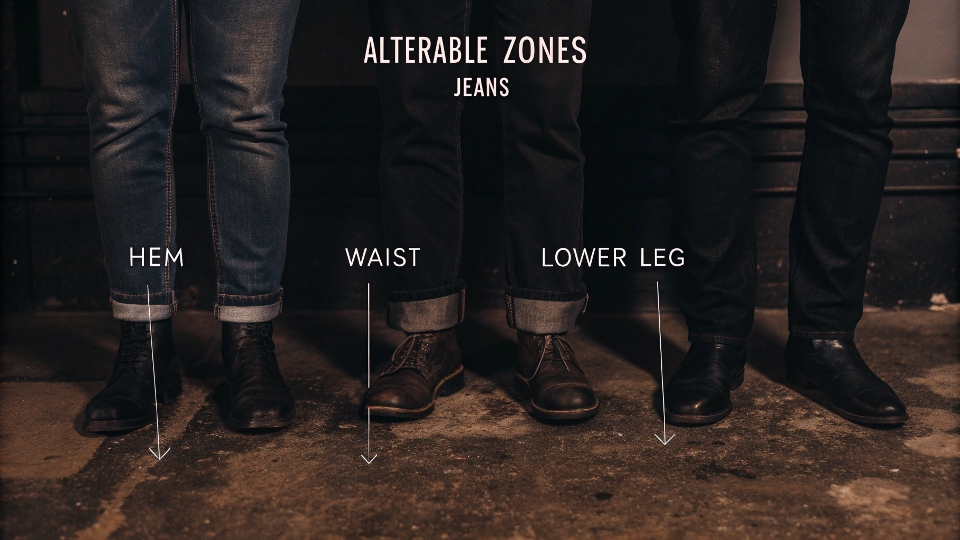
When we make jeans, we build them in a specific order that makes some areas easy to change and others very difficult. The final assembly steps are the easiest to reverse. Here are the "green light" alterations that are almost always successful.
The Hem (Length)
This is the easiest fix. But don't just let a tailor chop the bottom off and fold it over. They will cut away the original factory hem with its unique wear pattern.
A skilled tailor will perform a "hem transplant" or "original hem." They cut off the original hem, shorten the jean leg, and then reattach the original hem. This preserves the look perfectly. Pro tip: Always wash your jeans at least once before hemming, as they can shrink in length.
The Waist
Taking in the waist is also very common. A tailor can do this in two ways:
- Add Darts: For small adjustments, they can create two small, vertical seams (darts) on the back of the waist3band.
- Recut the Yoke: For a larger adjustment, they can open the center seam in the back, remove excess fabric, and resew it. This is a cleaner, more professional method.
The Leg (Tapering)
If you want to make a straight-leg jean into a slim-fit, a tailor can taper them.
They will usually work on the inseam (the seam running down the inside of your leg). This slims the leg from the knee down to the ankle without affecting the outseam, which is especially important if you have selvedge denim.
What Are Common Jean Alteration Mistakes?
You're worried about taking your expensive jeans to just any tailor4. You've heard horror stories about alterations gone wrong and want to know what to watch out for.
The biggest mistakes are cutting the jeans too short without pre-washing them, using a thin, weak thread that will break, and trying to change the fundamental structure of the jeans, like the rise, which ruins the garment's balance.
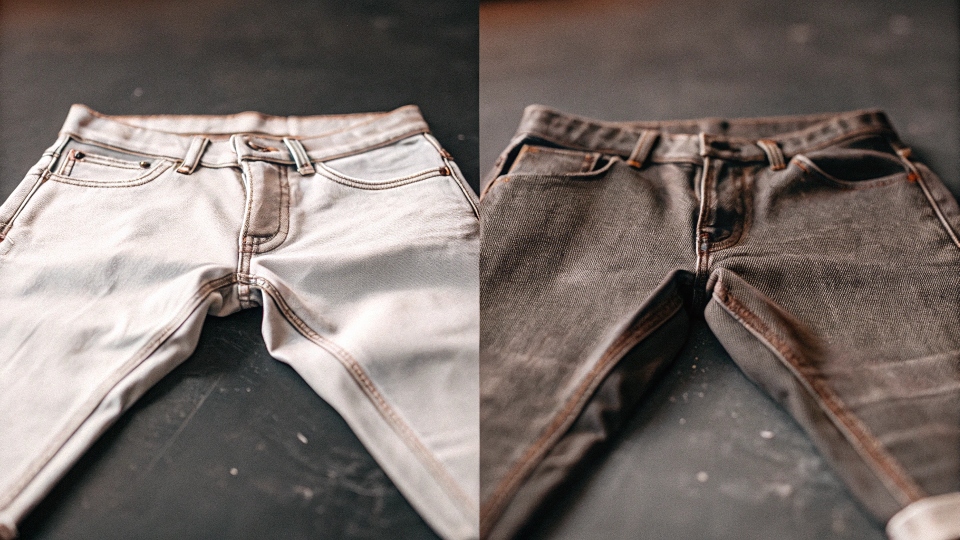
I've seen samples from other factories and poorly altered returns that make me cringe. The mistakes are almost always the same. They happen when someone treats denim5 like a simple dress pant instead of the tough, unique fabric it is.
The Shrinkage Mistake
This is the most common one. Someone gets their new raw denim jeans hemmed, then they wash them for the first time. The cotton shrinks, and now their pants are two inches too short. Always wash your jeans how you plan to care for them before you let any tailor with scissors near them.
The Wrong Tools Mistake
Denim is thick. It requires a heavy-duty sewing machine, a strong needle (size 16/100 or larger), and thick thread. Many standard tailors will use the same thread they use for suits.
That thread will snap under the tension of denim, and your seams will fall apart within a few weeks. A good denim tailor will have gold or copper-colored thread that matches the original.
The Over-Alteration Mistake
You can't turn a flare jean into a skinny jean. Trying to alter a pair of jeans by more than one or two sizes in the waist or dramatically changing the leg shape is a recipe for disaster.
The pockets will end up in the wrong place, the fabric will pull in strange ways, and the original proportions of the design will be completely lost.
What Can Tailors Do for Jeans?
You have a favorite pair of jeans with a ripped knee or a broken zipper. You're wondering if a tailor can save them or if it's time to say goodbye.
Beyond fit adjustments, a skilled tailor can perform many repairs. They can patch holes, darn torn areas, replace broken zippers and buttons, and even add new belt loops. They can give an old, beloved pair of jeans a second life.

A tailor who specializes in denim is more than just a fitter; they are a restorer. At my factory, we have a repair station for fixing minor issues that happen during production, and the techniques are the same ones a good tailor will use.
| Service | What It Is | Best For |
|---|---|---|
| Darning | Weaving new thread over a hole or thinning area to rebuild the fabric. | Small holes, crotch blowouts, and reinforcing areas before they tear. |
| Patching | Sewing a new piece of denim over or under a large hole. | Large knee rips or stylistic repairs. Patches can be simple or decorative. |
| Hardware Replacement | Removing a broken zipper, button, or rivet and installing a new one. | Broken button shanks, stuck or broken zippers, and lost rivets. |
| Belt Loop Repair | Re-stitching or completely rebuilding a belt loop that has been torn off. | A common issue from pulling your jeans on by the loops. |
A good tailor can be your partner in making your jeans last longer. For a simple zipper fix or a patch, it's almost always worth repairing a pair you love.
Can Levi's Be Altered?
You own a classic pair of Levi's and they don't fit perfectly. You're hesitant to alter such an iconic brand, especially if they are a special or vintage pair.
Absolutely. Levi's are made to be worn and lived in, and altering them for a better fit is part of that process. A standard pair can be altered by any competent tailor. For vintage or selvedge pairs, seek out a denim specialist.
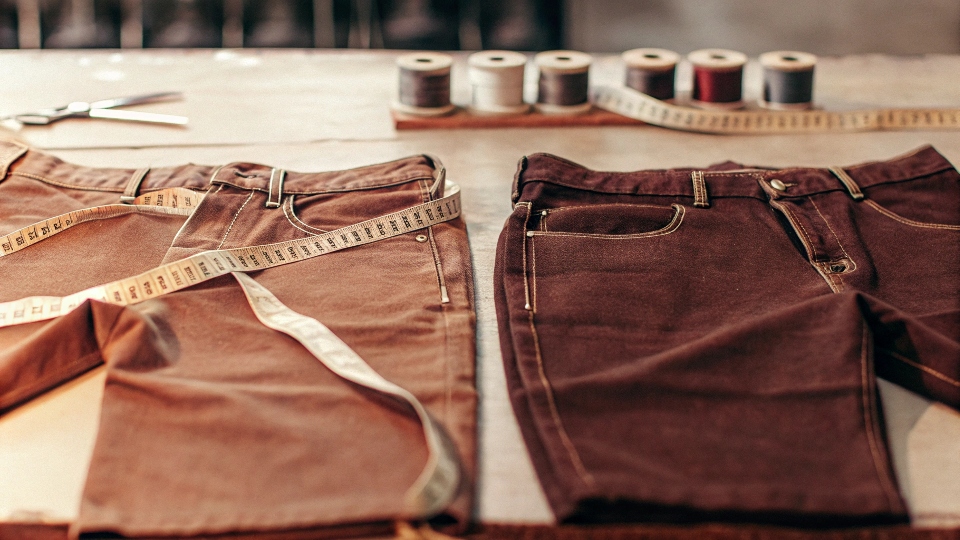
Levi's are the original blue jean. They were built as workwear, designed to be tough, and often repaired and patched for years.
Altering a modern pair of Levi's is no different than altering any other well-made pair of jeans. All the rules we've discussed apply. You can hem them, take in the waist, and taper the legs. A standard pair from a department store doesn't require a high-priced specialist.
However, the game changes if you have a special pair. For instance, Levi's Vintage Clothing (LVC) models are exact replicas of historical jeans. They are often made from raw selvedge denim.
If you alter these, you absolutely must find a specialist. A denim expert will know to use a chain stitch on the hem to preserve the "roping" effect and how to carefully taper the inseam to save the selvedge outseam.
A bad alteration can drastically reduce the value and authenticity of a collectible pair. So, yes, alter your Levi's to make them fit you. Just be sure to match the tailor's skill level to the value of the jeans.
Conclusion
Tailoring your jeans for a perfect fit is almost always a good idea. Stick to adjusting the length, waist, and lower leg, and always use a tailor who understands denim.
-
Explore expert tips on how to alter jeans for the perfect fit without compromising their quality. ↩
-
Explore the challenges of altering pocket placement on jeans and why it's often not recommended. ↩
-
Understand the methods a tailor uses to adjust the waist for a better fit in jeans. ↩
-
Learn how to select a skilled tailor who understands denim and can provide quality alterations. ↩
-
Explore the unique properties of denim that affect how it should be altered and cared for. ↩