Skip to content

You have a perfect design for a clothing line, but finding a factory to make it feels impossible. You are afraid of choosing the wrong partner, getting poor quality, and losing all your investment.
The best way is a step-by-step process. First, define your needs. Then, research factories on B2B sites1, verify their quality with samples, and build a relationship through clear communication and a solid contract.
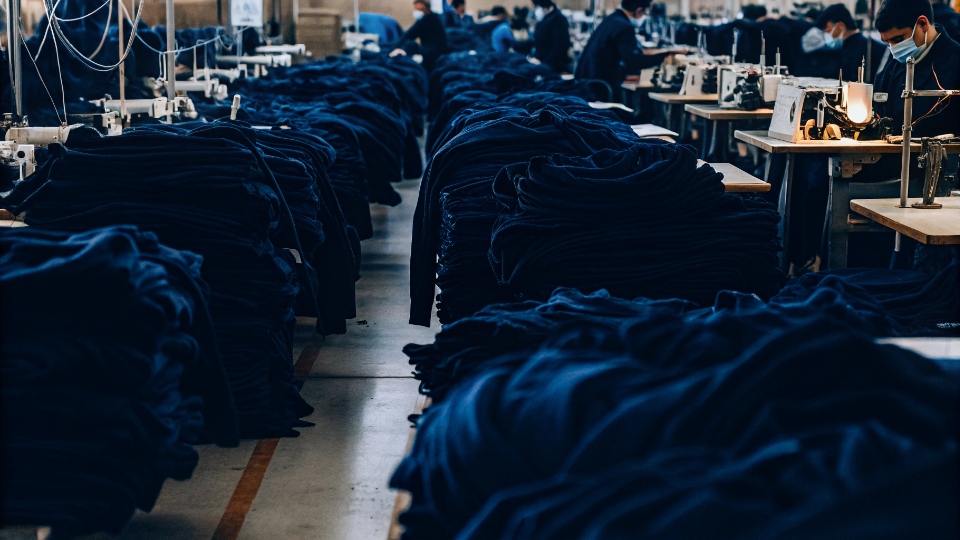
For over two decades at my denim factory, DiZNEW, I have seen brands succeed or fail based on one thing: their manufacturing partnership. It is the most important decision you will make.
Finding a great partner is not about a single Google search; it is about building a foundation for your business. It requires a clear strategy to sort through the noise and find a factory that can reliably bring your vision to life. Let's walk through that strategy together.
How do I find a manufacturer for my clothing line?
You are scrolling through endless websites, and every factory claims to be the best. The sheer number of options is overwhelming, and you do not know who is a real factory and who is just a middleman.
Start by narrowing your search. Focus on manufacturing hubs like Guangzhou for diverse styles or Southeast Asia for lower costs. Use B2B platforms like Alibaba2 to filter for verified suppliers, then order samples to compare quality firsthand.
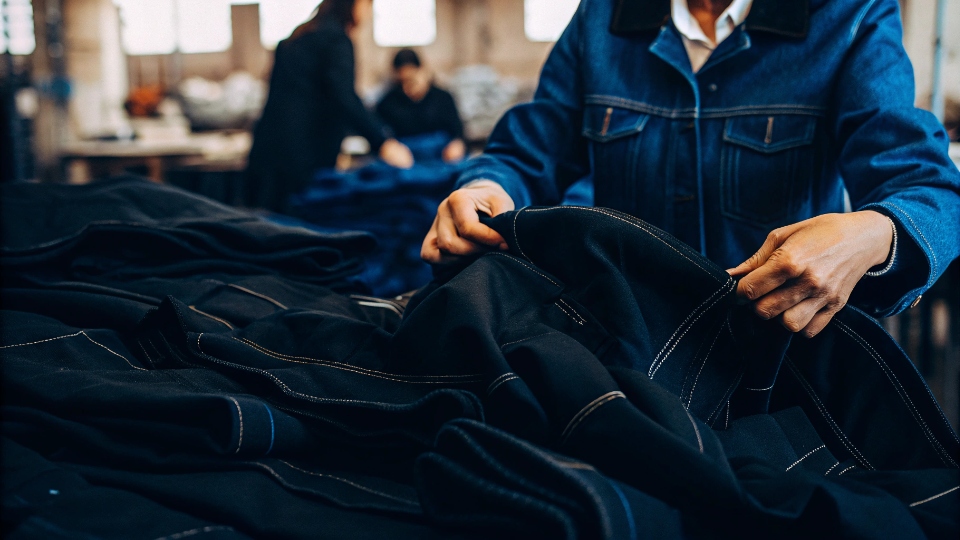
The first step is to stop looking for "a manufacturer" and start looking for "the right manufacturer for your product." A factory that makes great t-shirts might be terrible at making jeans.
Being specific is the key to cutting through the clutter and finding a true specialist who can deliver the quality you need. From my experience, the brands that succeed follow a clear vetting process.
A Three-Step Vetting Process
- Define and Research: Before you contact anyone, know exactly what you need. What type of clothing? What quality level? What is your budget and target quantity? With this information, you can search more effectively. Look in regions known for your product. The Pearl River Delta in China, where my factory is, is a world-class hub for all types of garments, especially complex ones like denim.
- Verify with Proof: Do not trust promises; verify with evidence. Look for certifications like ISO3 or OEKO-TEX4, which show a commitment to quality and standards. Read reviews from other clients. Most importantly, always order a physical sample5. This is the only way to truly judge the fabric quality6, the stitching, and their ability to follow your design.
- Communicate and Collaborate: Your manufacturer is a partner, not just a supplier. Are they easy to communicate with? Do they understand your feedback and design changes? A good partner offers suggestions and helps solve problems. This is why many brands choose to work with us at DiZNEW; we support them from sketch to final product, even with small orders starting at 30 pieces.
What is the 3-3-3 rule for clothing?
You have probably heard about minimalist wardrobe challenges like the "3-3-3 rule." It sounds like a personal fashion trend, and you are not sure how it applies to building a business.
The 3-3-3 rule is a consumer challenge: wear only 3 tops, 3 bottoms, and 3 pairs of shoes for 3 months. For a new brand, this concept is a powerful strategy for planning a focused and affordable launch collection.
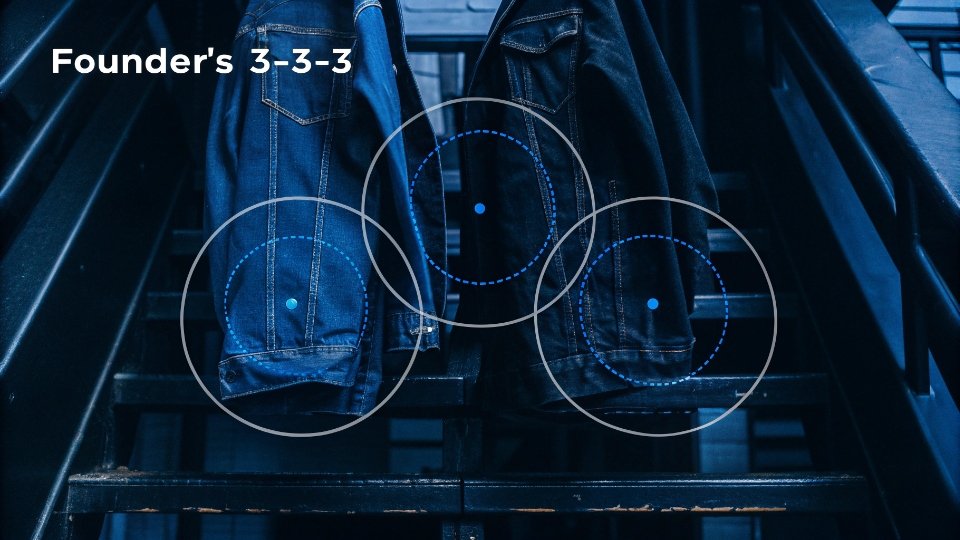
As a factory owner, I see new brands make the same mistake all the time. They try to launch with too many different styles. This creates huge costs, complex production, and a high risk of unsold inventory. The "3-3-3 rule7" is not just for cleaning out your closet; it is a smart business plan that helps you start small, manage your budget, and test the market effectively.
Using the 3-3-3 Rule to Launch Your Brand
- Launch with 3 Core Products: Instead of creating a dozen different items, perfect just three. For a denim brand, this could be one signature jean fit, a classic t-shirt, and a denim jacket. This focus allows you to invest in higher quality for each piece and simplifies your production.
- Offer in 3 Core Colorways: Provide some choice without creating too much complexity. For the jeans, you could offer a raw, a light wash, and a black version. This keeps your fabric orders simple and your inventory manageable.
- Focus on Your 3 Main Goals: Your initial goals should be simple. 1) Prove your concept with sales. 2) Get customer feedback. 3) Build a relationship with your manufacturer. Starting with a small, focused collection makes achieving these goals much easier and less expensive.
Where do boutiques get their stock from?
You walk into a cool local boutique and see unique clothes you cannot find anywhere else. You wonder how they find these items and how you could get your own brand onto their shelves.
Boutiques get their stock from three main sources. They buy from large wholesale marketplaces, they stock products from independent designers, or they work with custom manufacturers to create their own exclusive private label8 brand.
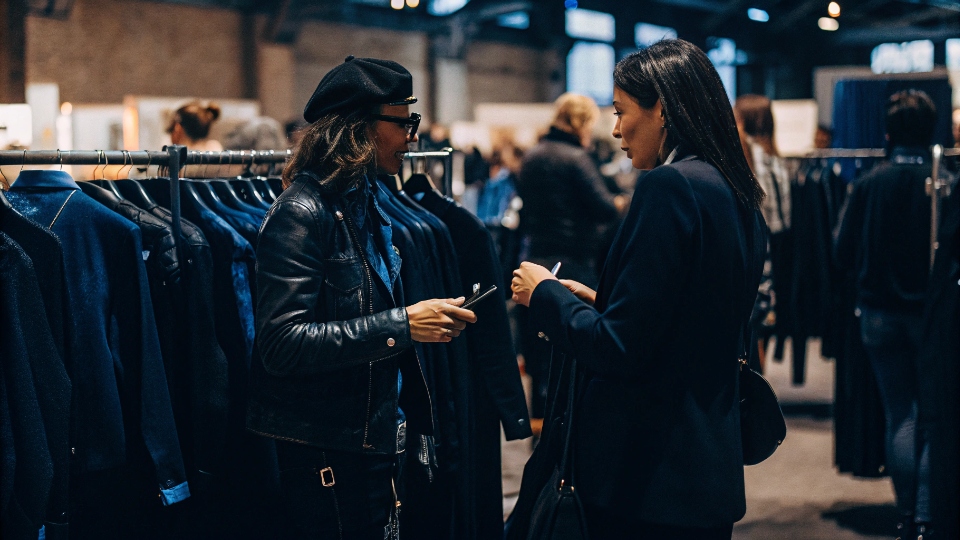
Many people think boutiques just buy from big, famous brands, but that is only a small part of the story. The most successful boutiques create a unique identity, and they do that by sourcing products that are not available everywhere.
As a manufacturer, I work directly with many entrepreneurs who started as boutique owners and decided to create their own line. This "private label" approach is often the most profitable.
The Three Sourcing Methods for Boutiques
| Sourcing Method | How It Works | Pros & Cons |
|---|---|---|
| Wholesale Marketplaces | The boutique buys finished clothing from distributors or brands at a wholesale price (e.g., 50% of retail). | Pro: Fast and easy to get stock. Con: Low profit margins, and other stores can sell the same items. |
| Independent Designers | They buy small batches directly from other small brands. | Pro: Unique and curated products. Con: Can be hard to restock popular items; still buying from a middleman. |
| Private Label (Custom) | The boutique designs its own clothes and hires a factory like mine to produce them exclusively. | Pro: Full control over design, highest profit margins, and 100% exclusive products. Con: Requires more initial investment and effort. |
Creating a private label is how a small shop transforms into a real brand. It is a big step, but finding a flexible manufacturing partner can make it possible.
How much does it cost to start a custom clothing brand?
You dream of starting your own brand, but the price tag feels like a huge, scary mystery. You are afraid that you do not have enough capital and that unexpected costs will sink you before you start.
Realistically, you can start a small custom clothing brand with a budget between $5,000 and $15,000. The largest expense by far will be your first production run, so finding a factory with a low minimum order quantity (MOQ)9 is essential.
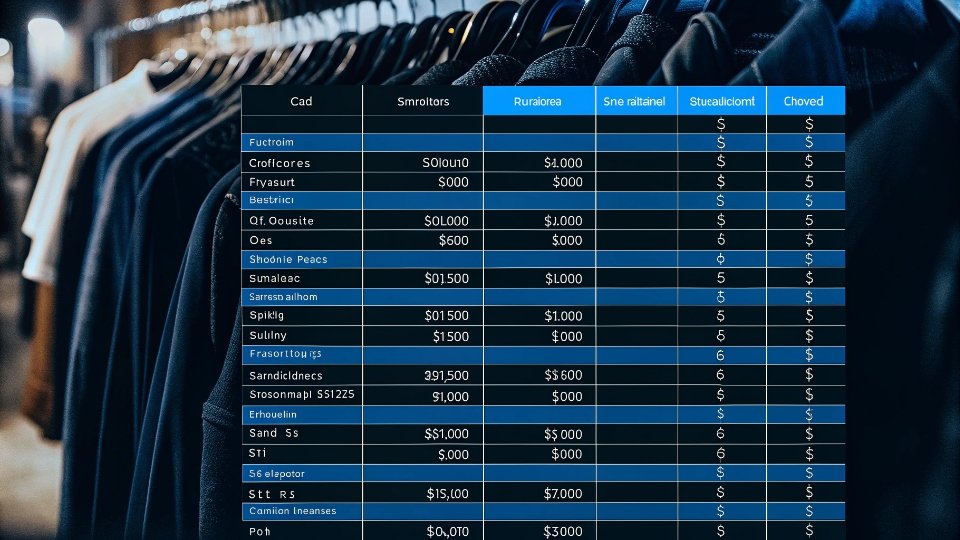
I have helped dozens of entrepreneurs launch their first line, so I have seen the real numbers up close. The final cost depends heavily on the complexity of your product and, most importantly, the manufacturer you choose. A factory with a high MOQ of 500 pieces per style will require a much larger investment than a factory that supports new brands with smaller orders.
Here is a look at a typical budget for a small launch10.
| Cost Category | Estimated Cost | Why It's Important |
|---|---|---|
| Design & Development | $500 - $1,500 | This includes your tech packs11 and patterns, which are the blueprints for your factory. |
| Samples | $300 - $1,000 | Never skip this. You need to test your design and the factory's quality before ordering in bulk. |
| Initial Production Run | $3,000 - $10,000+ | This is your biggest cost. The price depends entirely on your product cost and MOQ. |
| Website & Branding | $500 - $2,000 | Your online store, logo, and basic marketing materials. |
| Shipping & Logistics | $500 - $1,500 | The cost to get the finished products from the factory to your warehouse or home. |
The key to starting on a smaller budget is to control the production cost. Finding a partner like DiZNEW that offers an MOQ of just 30 pieces can reduce your biggest upfront investment by a huge amount.
Conclusion
Finding the best custom manufacturer is a strategic journey. It requires clear planning, careful research, and building a strong partnership. This foundation is the key to turning your design vision into a successful brand.
-
Explore top B2B platforms to connect with verified clothing manufacturers and streamline your search. ↩
-
Learn tips for navigating Alibaba to find trustworthy suppliers and compare quality. ↩
-
Understand the importance of ISO certification in ensuring quality and standards in manufacturing. ↩
-
Find out how OEKO-TEX certification guarantees safe and sustainable textiles for your brand. ↩
-
Learn why testing a physical sample is essential for assessing quality before bulk orders. ↩
-
Discover key factors to evaluate fabric quality and ensure it meets your standards. ↩
-
Explore how the 3-3-3 rule can simplify your product launch and enhance market testing. ↩
-
Discover how private label options can help boutiques create unique, exclusive products. ↩
-
Understand how MOQ affects your startup costs and production strategy. ↩
-
Get insights into budgeting for a small launch to ensure financial feasibility. ↩
-
Learn how tech packs serve as blueprints for your designs and ensure accurate production. ↩