Skip to content

You’re a designer, not a chemist. But the chemicals used on your jeans can become a huge problem. You worry about compliance issues that could trap your shipment at customs.
You must demand a complete, up-to-date Safety Data Sheet (SDS)1 for every chemical used. Verify it meets your country's standards, like US OSHA2, and is used to ensure worker safety. This simple check protects your product, your brand, and your timeline.

For over 20 years, I've seen designers' brilliant ideas get tangled in red tape. Chemical compliance is not the most glamorous part of making jeans, but it's one of the most important. An SDS is more than just a piece of paper.
It is a factory’s promise of safety and transparency. As a factory owner, I view our SDS management not as a burden, but as a core part of my commitment to my clients and my team.
You need a partner who thinks this way. Let's walk through the exact questions you need to ask to ensure your partner is as serious about safety as you are about design.
Can they supply an SDS for each wash chemical used?
You assume one document covers the "wash." But a single finish can use dyes, fixatives, and softeners. Each chemical has its own risks and needs its own specific document.
Yes, a professional factory must provide a separate SDS for every single chemical. This is not negotiable. A generic document for a "wash process" is a huge red flag and does not meet international compliance standards.
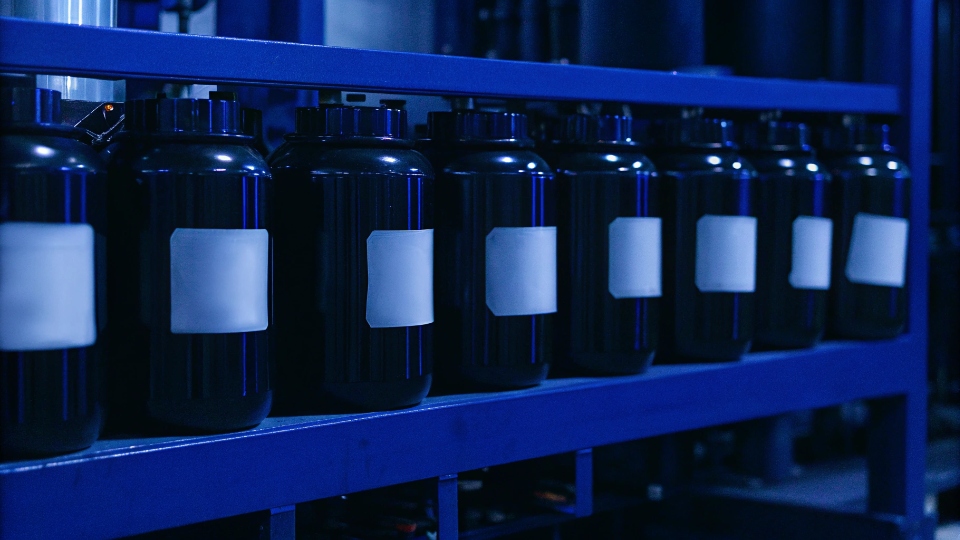
When we create a unique wash, we are like chefs combining different ingredients. Each ingredient needs to be understood. The same is true for the chemicals in your jeans.
You cannot accept a single SDS for a complex process like a "vintage wash." That wash might contain a half-dozen different substances. I insist on having a complete, 16-section SDS for every chemical that enters my factory.
This is the global standard. This document tells my team exactly what's in the drum, what the hazards are, and how to handle it safely. It's the foundation of a safe and compliant product. When you talk to a supplier, be specific.
The Chemicals in Your Jeans
Ask for the SDS for all of these common substances if they are used in your product:
- Dyes: Indigo, sulfur, reactive dyes.
- Fixatives: Agents that lock color into the fabric.
- Oxidizing/Reducing Agents: Potassium permanganate, used for fading.
- Enzymes: Cellulase enzymes for "bio-washing" and softening.
- Softeners: Silicone or cationic softeners for hand-feel.
A factory that hesitates or can't provide these individual documents is not in control of its supply chain. This is a risk you cannot afford to take.
How do they ensure worker safety handling these chemicals?
You focus on the safety of the final garment for your customer. But the people making your product are exposed to these chemicals daily. Unsafe practices are unethical and hurt your brand.
A good factory uses the SDS as a safety manual. Ask to see their worker training logs, evidence of Personal Protective Equipment (PPE) use, and clearly marked emergency stations like eyewash areas. This proves they take safety seriously.
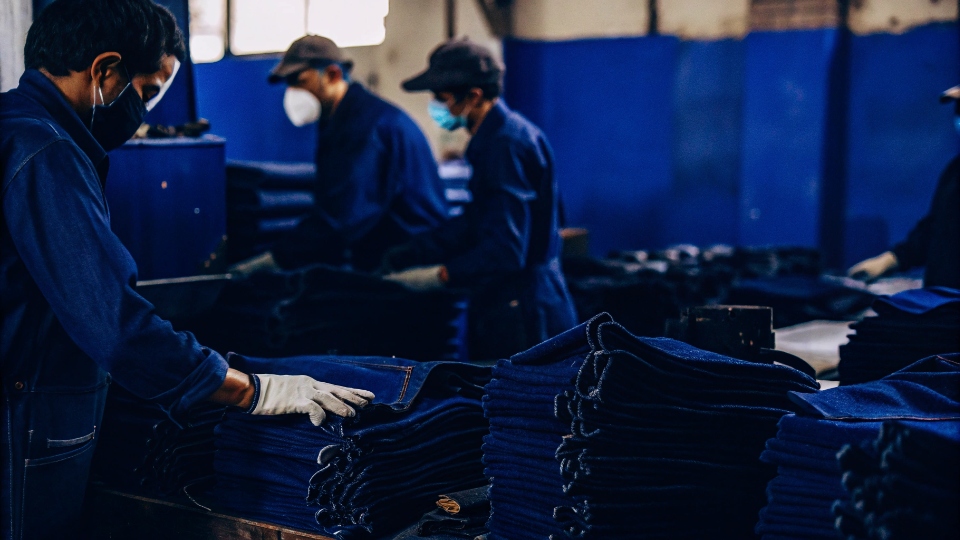
I walk through my factory floor every single day. The safety of my team is my personal responsibility. An SDS is useless if it just sits in a binder in an office.
It must be a living document that guides our daily work. For you as a designer, seeing how a factory implements its safety procedures tells you everything about their level of professionalism.
The SDS specifies exactly what PPE is needed. For some chemicals, it's just gloves. for others, it's splash goggles and respirators. Look for evidence that workers are actually using the right gear.
What to Look For:
- Training: Workers should be trained on how to read an SDS and understand the risks of the chemicals they handle.
- PPE3 Availability: Are there stations with clean, accessible gloves, masks, and goggles?
- Emergency Preparedness: Look for eyewash stations, safety showers, and spill containment kits. Ask what their procedure is in case of an accident.
A factory that is proud of its safety record will be happy to show you these things. It shows a culture of care and discipline that will also be reflected in the quality of your jeans.
Are international hazard labels4 applied correctly?
You see symbols and warnings on chemical drums, but they might as well be in another language. Incorrect labels can lead to dangerous accidents in the factory or major fines at the port.
Verify that all chemical containers, from large drums to small spray bottles, use the Globally Harmonized System (GHS)5 labels. These labels must have the correct pictograms and warnings that match the information on the SDS.
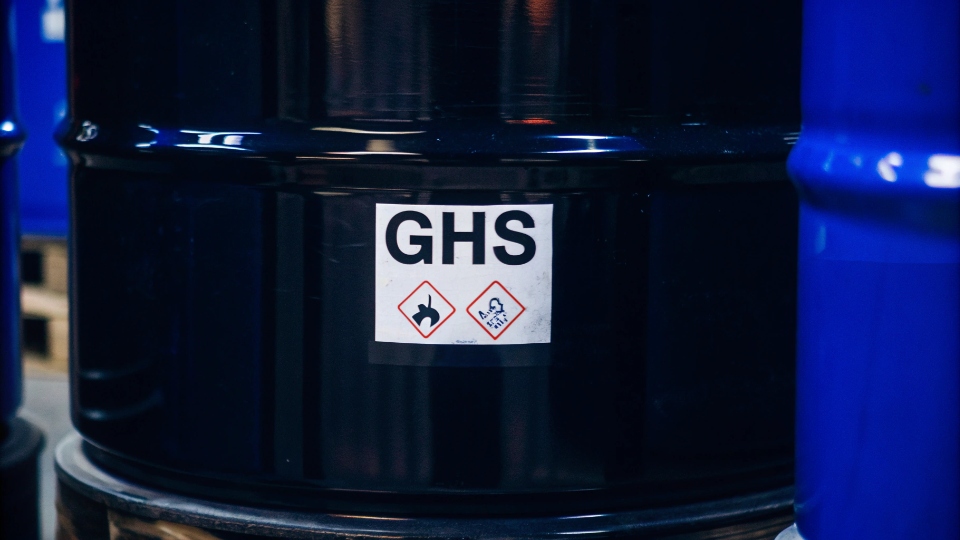
The Globally Harmonized System (GHS) created a universal language for chemical safety. Think of it like international road signs.
Everyone, everywhere, should understand what a skull and crossbones pictogram means. This system is critical for safety. When I see a factory with handwritten labels or unlabeled containers, I know their process is sloppy.
It signals a lack of discipline that will surely affect product quality. The label is the first line of defense. It must be clear, correct, and on every single container.
You should know some of the basic GHS pictograms to spot-check a facility:
| Pictogram | Hazard | Meaning |
|---|---|---|
| Flame | Flammables | The chemical can ignite. |
| Corrosion | Corrosion | Can cause skin burns, eye damage, or corrode metals. |
| Health Hazard | Carcinogen/Mutagen | May cause or be suspected of causing serious health effects. |
| Exclamation Mark | Irritant | Can cause skin or eye irritation or be harmful if swallowed. |
Also, a professional factory will have a system for re-labeling. When a worker pours a chemical from a large drum into a smaller bottle for use, that new bottle must be labeled with the same GHS information. This is a critical detail that many factories miss.
How often are SDS updated and reviewed?
You get the SDS, check the box, and move on. But you could be holding an outdated document. Chemical formulas and safety regulations change, making an old SDS a useless compliance risk.
A compliant factory reviews its SDS library at least annually and anytime a new chemical is introduced or a regulation changes. Ask what their review process is and check the "revision date" on the documents they provide.

An SDS is not a "one and done" document. It's a snapshot in time. New scientific data can reveal that a once "safe" chemical is actually a health risk.
Your import market could ban a substance. A responsible factory has a system to stay on top of these changes. In my factory, we have a dedicated Environmental, Health, and Safety (EHS) officer.
Part of their job is to manage our entire library of SDS documents. They track revision dates and communicate with our chemical suppliers to ensure we always have the most current information.
This proactive approach protects our clients. A few years ago, the EU changed the rules for a certain type of finishing agent.
Our EHS manager was aware of the pending change months in advance. We worked with our suppliers to source a new, fully compliant chemical and had the updated SDS on file before the new rule even took effect.
Our clients who import to the EU never had to worry. There were no delays, no compliance failures, and no last-minute panics. That is the kind of invisible service that a true partner provides.
Conclusion
Don't just ask for an SDS. Dig deeper. Question its completeness, its use in worker safety, its labeling, and its update process. This protects your brand, assures compliance, and builds a better product.
-
Understanding SDS is crucial for compliance and safety in chemical handling, ensuring your products meet regulations. ↩
-
Explore US OSHA standards to ensure your factory complies with safety regulations and protects workers. ↩
-
Understanding PPE is essential for ensuring safety in chemical handling and compliance with health regulations. ↩
-
Explore the requirements for hazard labels to prevent accidents and ensure compliance in your factory. ↩
-
Learn about GHS to ensure proper labeling and safety in your manufacturing processes. ↩