Skip to content

Getting the perfect wash is key, but you worry about the hidden risks of solvents and enzymes. These chemicals can affect feel, safety, and compliance, creating huge problems for your brand.
Ask about the specific types of enzymes and solvents used, like cellulase1 for bio-washing. Verify their residue removal processes and demand third-party lab reports. Also, confirm compliance with your market's regulations, such as Oeko-Tex, before starting production.
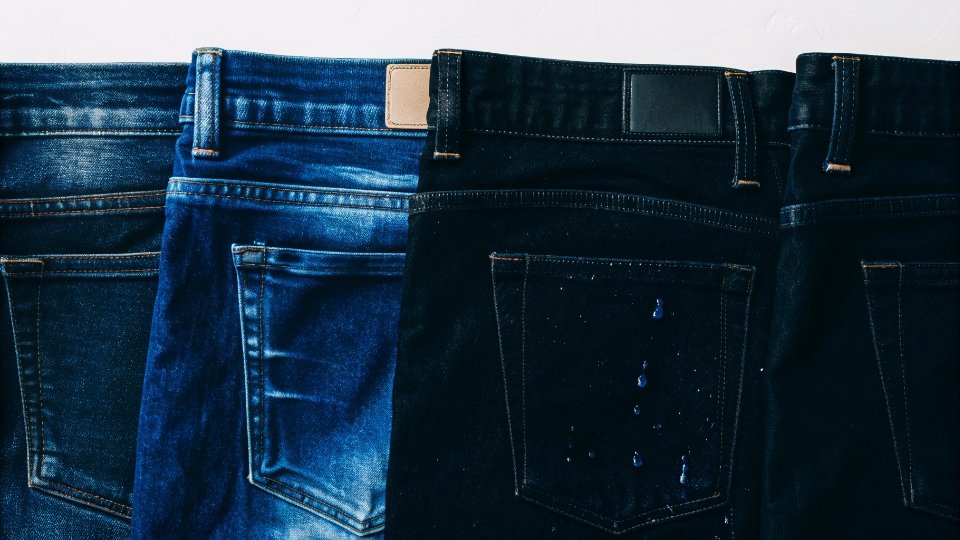
I have spent two decades perfecting denim washes. I know that the 'magic' of a great finish comes from a deep understanding of chemistry.
Many designers have a clear creative vision but struggle to translate it into technical instructions for a factory. As a designer, you need a partner who can turn your idea into a tangible, safe, and beautiful product.
It all starts with asking the right questions about the tools we use, especially solvents and enzymes. Let's break down exactly what you need to know to protect your vision and your customers.
What enzymes are used for bio-washing effects?
You love the soft, worn-in feel of an enzyme wash. But you are not sure if the factory is using the right kind to achieve your specific look safely.
For a classic stone-wash look without actual stones, factories use cellulase enzymes. Amylase is used for desizing, and laccase can be used for eco-friendly bleaching. Always ask for the specifics to ensure the effect and safety meet your standards.
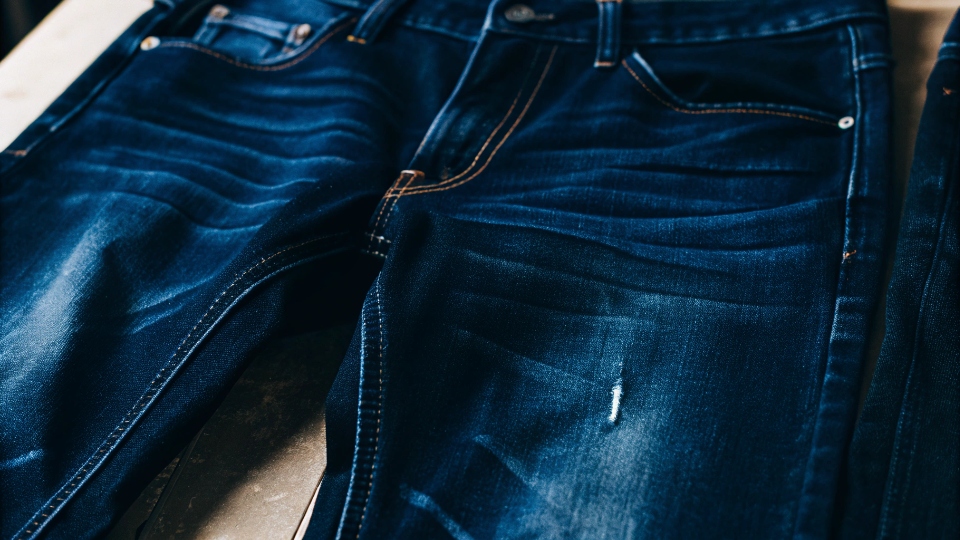
"Bio-washing" is an industry term for using enzymes to achieve texture and fading. It’s a much more controlled and fabric-friendly alternative to using pumice stones. But not all enzymes do the same thing. The type, concentration, temperature, and time all dramatically change the final look.
A good factory fine-tunes these variables to hit your target wash. In my factory, we treat it as a science. We use specific enzymes for different jobs.
After the treatment, a thorough rinsing and neutralization process is essential. This deactivates the enzymes and ensures there is no residue left on the garment that could cause skin irritation. You should ask about these rinsing steps as well.
| Enzyme Type | Primary Function | Resulting Effect |
|---|---|---|
| Cellulase | Breaks down cellulose in cotton | Creates a soft feel and a faded, "stone-washed" look. |
| Amylase2 | Breaks down starch | Removes the stiff sizing agent applied to warp yarns before weaving. |
| Laccase3 | Oxidizes indigo dye | An eco-friendly alternative to chemical bleaching for lightening denim. |
| Protease | Degrades protein fibers | Used on wool or silk blends to prevent pilling, but less common for 100% cotton denim. |
Are solvents fully removed before shipping?
Solvents can create unique finishes. But you worry about harmful chemical residues left on the final garment. This could pose a risk to your customers and destroy your brand's reputation.
Yes, they absolutely must be. A reputable factory uses a controlled drying and rinsing protocol to fully evaporate and remove all solvent residues. Ask for their specific removal process and request third-party lab reports to verify compliance.
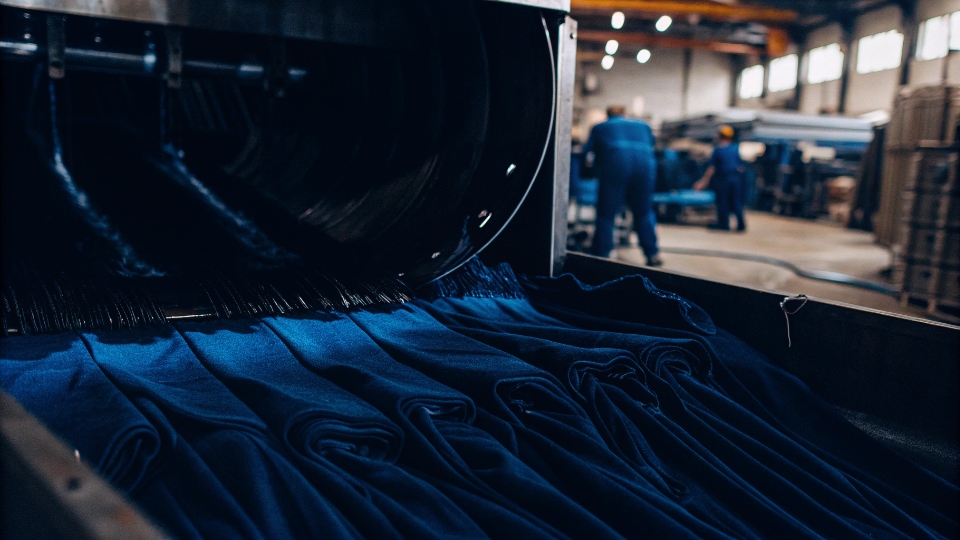
Solvents are powerful chemicals. They might be used for certain types of cleaning or to apply special coatings. Historically, harsh chemicals like perchloroethylene (PERC) were common, but today, responsible factories have moved to safer, modern alternatives like specialized hydrocarbons.
No matter the type, the key question is about removal. Any solvent left on the finished jeans is a major compliance failure and a health risk. The removal process is critical.
It typically involves tumbling the jeans in large industrial dryers at a specific temperature for a set amount of time. This ensures the solvents fully evaporate and are vented safely.
Ask your supplier to be specific. What temperature do they use? How long is the drying cycle? A factory that can't answer these questions isn't in control of its process.
This isn't just about a "chemical smell." Trace amounts of residue, known as Volatile Organic Compounds (VOCs)4, can be completely odorless but still fail to meet international safety standards like California's Proposition 655.
How do they test residue levels on finished jeans?
The factory promises all chemicals are removed. But without proof, you are just taking their word for it. This is a huge risk for your business and your customers.
Top-tier factories do not test this in-house. They send finished garments to accredited third-party labs like SGS, Intertek, or Bureau Veritas. These labs test for specific chemical residues against standards like Oeko-Tex 100 or your brand's Restricted Substances List (RSL).
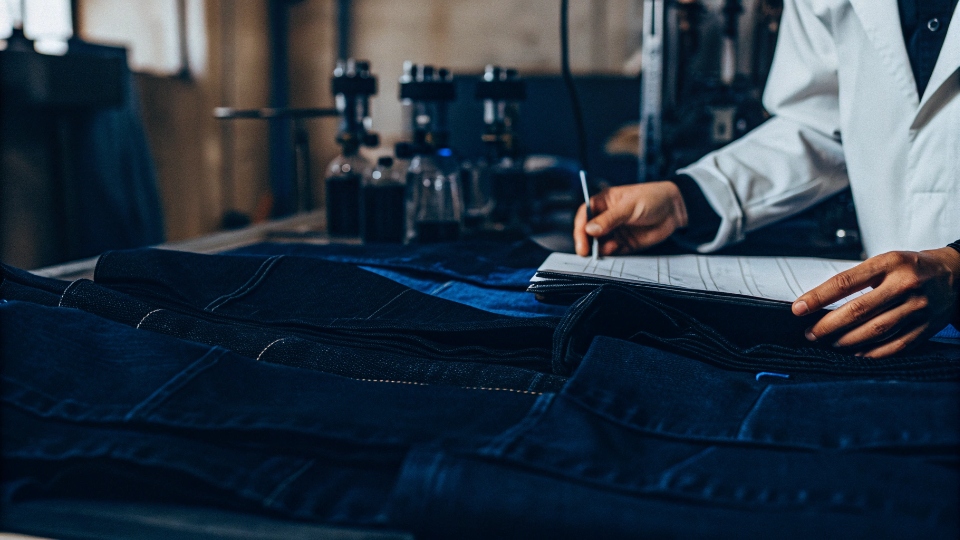
Trust, but verify. This is the golden rule of chemical compliance. You cannot rely on a factory's internal quality control to check for chemical residues.
The testing requires expensive, specialized equipment like Gas Chromatography-Mass Spectrometry (GC-MS)6 machines, which can detect chemicals at the parts-per-million level. The process is simple: the factory sends a random sample from your production run directly to a certified laboratory.
The lab tests for a list of restricted substances based on the import regulations for your country. The lab then issues an official report showing that your product passes.
You should always ask for and keep a copy of this report for every order. It is your proof of due diligence and your protection against any compliance claims.
Key Testing Standards to Know:
- Oeko-Tex7 Standard 100: A global standard that tests for a wide range of harmful substances. It ensures a garment is safe for direct skin contact.
- EU REACH8: European regulations that restrict a long list of chemicals.
- US CPSIA9: Governs product safety in the United States, especially for children's products.
Can I choose between enzyme and chemical processes?
You have a specific wash and aesthetic in mind. But you are not sure if it needs a traditional chemical process or a modern enzyme one, or even how to ask for it.
Absolutely. A good factory is a technical partner that will explain the pros and cons of each method for your desired look. Enzyme processes are gentler and more eco-friendly, while certain chemical processes can achieve harsher, more specific effects.
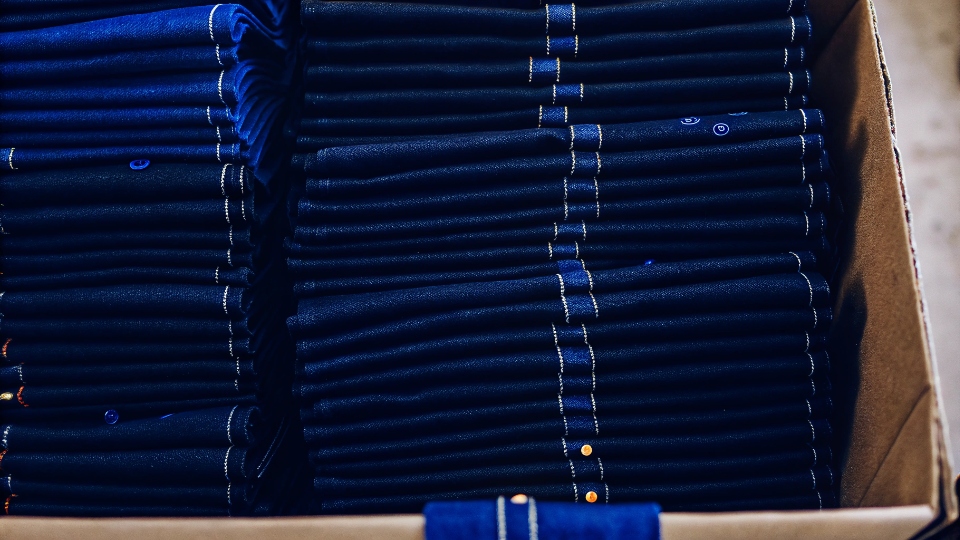
This choice is at the heart of our collaboration. You bring the creative vision; I provide the technical pathway to get there safely and consistently.
Many designers don't realize the range of options available. You are not just limited to one or the other. Often, the best results come from combining methods.
For example, we might use a base enzyme wash for overall softness and then apply a very light, targeted spray of a chemical agent like Potassium Permanganate (PP)10 to create localized, high-contrast wear patterns.
The right partner will lay out the options for you, explaining the impact of each choice on the final look, feel, durability, cost, and environmental footprint. This is a conversation, not just an order.
| Process Type | Pros | Cons |
|---|---|---|
| Enzyme Wash | Gentler on fabric, eco-friendly, creates soft hand-feel, great for all-over vintage looks. | Less effective for sharp, high-contrast fades. |
| Chemical Wash | Can create very sharp, bright fade patterns, works quickly. | Can weaken cotton fibers if overused, requires strict safety and environmental controls. |
Conclusion
Ask about specific enzymes and solvents, demand third-party residue reports, and collaborate on the best process. This ensures your custom jeans are safe, compliant, and beautifully made every single time.
-
Understanding cellulase's role can help you ensure the right enzyme is used for your denim's desired finish. ↩
-
Learn how Amylase is used in denim to achieve the desired softness and texture. ↩
-
Discover Laccase's benefits for sustainable denim bleaching and its environmental impact. ↩
-
Learn about VOCs to understand their risks and ensure compliance in your denim production. ↩
-
Understand Proposition 65 to ensure your products meet safety standards in California. ↩
-
Explore GC-MS to see how it detects harmful substances in textiles at minute levels. ↩
-
Discover the significance of Oeko-Tex certification for ensuring safety in textile products. ↩
-
Learn about EU REACH regulations to ensure compliance in your denim production. ↩
-
Understand CPSIA to ensure your products are safe, especially for children's clothing. ↩
-
Explore how Potassium Permanganate can create unique fading effects in denim. ↩