Skip to content

You have a vision for a denim brand, but finding a factory you can trust feels like searching for a needle in a haystack. You do not know who is good and who will just take your money.
You can find reputable jeans manufacturers1 on B2B platforms2 like 1688, in major production hubs like Guangzhou, China3, and by researching the suppliers used by top brands. The best lists are those you build yourself through careful vetting and sampling.
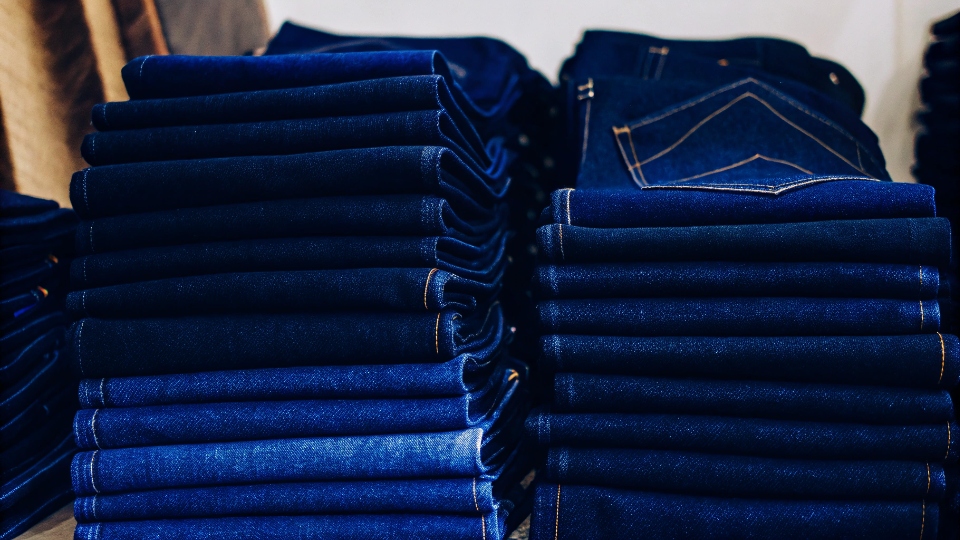
I have spent my whole life making jeans. In my factory, DiZNEW, we have seen hundreds of designs come to life. The truth is, there is no single master list of "the best" manufacturers. The best partner for a luxury brand making selvedge denim4 is different from the best partner for a fast-fashion brand making stretch jeans. The key is to know where to look and what to look for. I can share my experience to help you find the right factory for your specific needs, whether it's in China, Turkey, or the USA.
Which company has the best quality jeans?
You see brands like Levi's or Armani and think they must have the best quality. But you suspect that price and quality are not always the same thing, and you want to know what truly matters.
"Best quality" is not a brand, but a combination of three things: premium fabric (like from Candiani, Italy), expert construction (from factories that produce for top brands), and artistic washing techniques5.
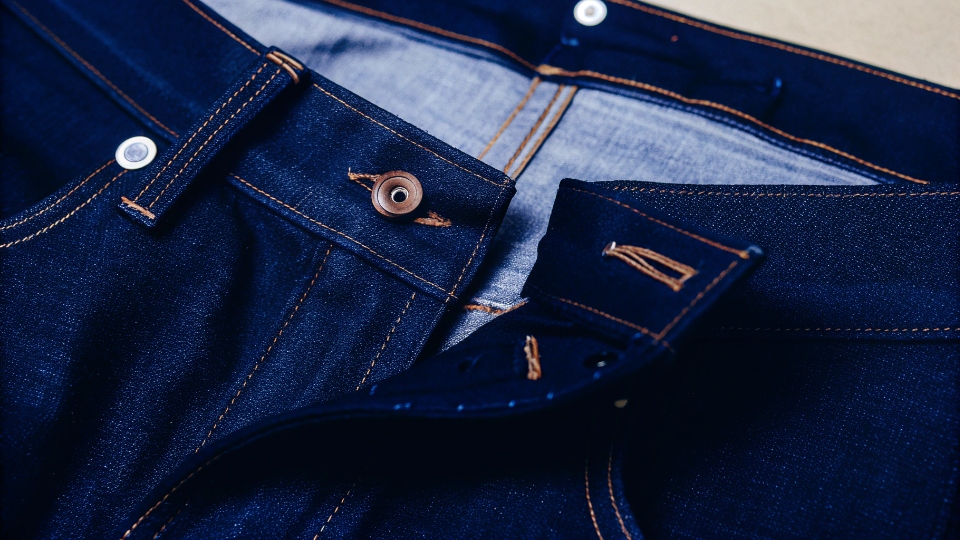
In my 20 years of experience, I can tell you that "quality" in jeans is something that is built, not branded. A famous name can put their tag on a poorly made product. A new brand can create an amazing product if they focus on the right things. Quality is a recipe with three main ingredients. If you understand them, you can demand them from any factory you work with, including my own.
The Three Pillars of Denim Quality
- 1. The Fabric (The Soul): Quality starts with the denim itself. The best mills in the world are famous for a reason. Candiani Denim6 in Italy supplies many luxury brands with beautiful, sustainable fabrics. Isko7 in Turkey is known for its innovation and incredible stretch technology. The fabric determines how the jeans will feel, fade, and last over time.
- 2. The Construction (The Body): This is how the jeans are put together. A good factory, whether it is Artistic Milliners8 in Pakistan or a specialized workshop here in Guangdong, focuses on the details. Strong, clean stitching, perfectly placed hardware, and precise pattern cutting are signs of an expert maker. This is why companies like Levi's and Uniqlo use experienced factories like Wuxi Leji9 in China.
- 3. The Wash (The Personality): This is my area of expertise. The wash is what gives the jeans their character, from a dark, raw look to a faded, vintage feel. It is a highly technical and artistic process. A great wash has depth and looks authentic. A bad wash looks flat and cheap. This final step can make or break a pair of high-quality jeans.
What jeans brands are made in the USA?
You are interested in the "Made in USA" label. You know it stands for quality and heritage, but you are not sure which brands still manufacture there and if it is a realistic option for you.
Legacy brands like Levi's and Lee still have some production in the USA, alongside many smaller, high-end selvedge denim brands. However, the majority of their large-scale production is done overseas due to cost.
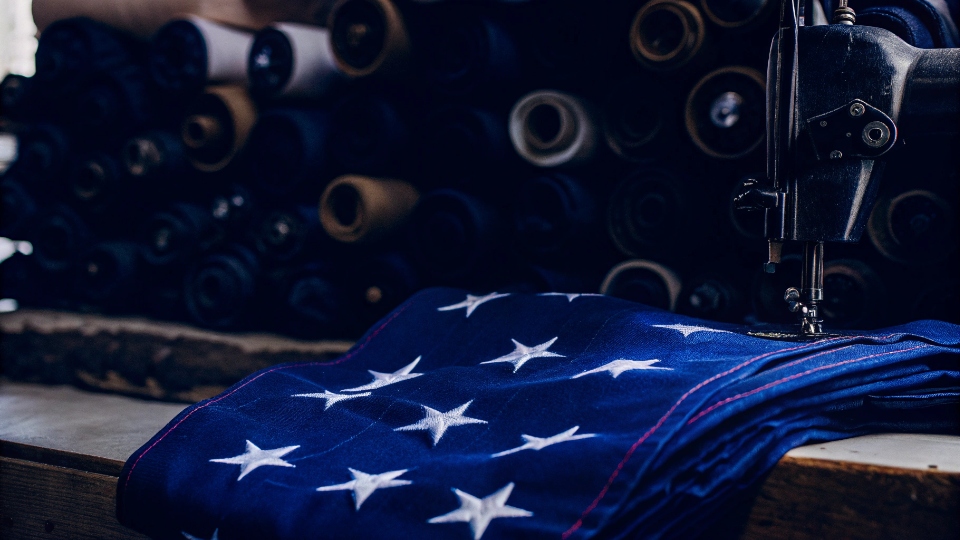
The "Made in USA" label carries a lot of weight. It suggests a commitment to local manufacturing and often a very high standard of quality. Many small, dedicated brands have built their entire identity around it. However, the reality of the global apparel industry is that producing in the USA is a specific choice that comes with its own set of pros and cons, mainly centered around cost.
For big, iconic American brands like Levi's or Lee, they may have a few premium or heritage lines that are made domestically to honor their history. But to offer products at a competitive price globally, the vast majority of their jeans are made in experienced manufacturing countries10 like China, Bangladesh, or Pakistan.
When clients come to me, we often discuss this trade-off. They admire the American-made quality, and our job is to deliver that same level of quality and attention to detail from our factory here in Dongguan, but at a price that allows their business to grow.
| Factor | Made in USA11 | Made in China |
|---|---|---|
| Cost | Very High | Very Competitive |
| Quality Perception | High (Heritage, Craft) | High (Technical Skill, Modern Machinery) |
| Scale | Best for small, premium batches | Excellent for both small and large scale |
| Speed | Can be fast for local market | Very fast due to mature supply chain |
How much does it cost to manufacture a pair of jeans?
You need to create a budget for your first production run. But you have no idea what a fair price is, and you are worried that factories will overcharge you because you are new.
A pair of jeans can cost anywhere from $15 for a very simple style in large quantities to over $50 for a complex jean with a premium wash12. The price depends on fabric, wash complexity, and order quantity.
This is the most common question I get from new designers. The final price, what we call the FOB (Free on Board) price, is not just one number. It is built by adding up the costs of several key components. Understanding these components is the best way to control your budget. When you know what drives the cost, you can make smart design decisions.
Here is a simple breakdown of what goes into the price of a single pair of jeans:
- Fabric: This is usually the biggest part of the cost. A standard 12oz denim might cost a few dollars per yard. A premium Japanese selvedge denim could easily be three or four times that price.
- Cut, Make, Trim (CMT): This is the labor and the "trim" (buttons, rivets, zippers, labels). A simple 5-pocket jean is straightforward. If you add extra seams, complex pockets, or other design features, the labor time and cost go up.
- Washing & Finishing: This can be a huge variable. A simple dark rinse is fast and cheap. A complex vintage wash that requires hand-sanding, grinding, color tinting, and other special treatments takes a lot of time and skill, which adds significant cost. This is where a factory's expertise really matters.
- Quantity (MOQ): The more you make, the cheaper each pair becomes. A small order of 100 pieces will have a much higher unit cost than an order of 1,000 pieces because all the setup costs are divided over fewer units.
How to find good quality jeans?
You are looking at samples or finished products. They all look like jeans, but you need to know how to spot the difference between a pair that is built to last and one that will fall apart.
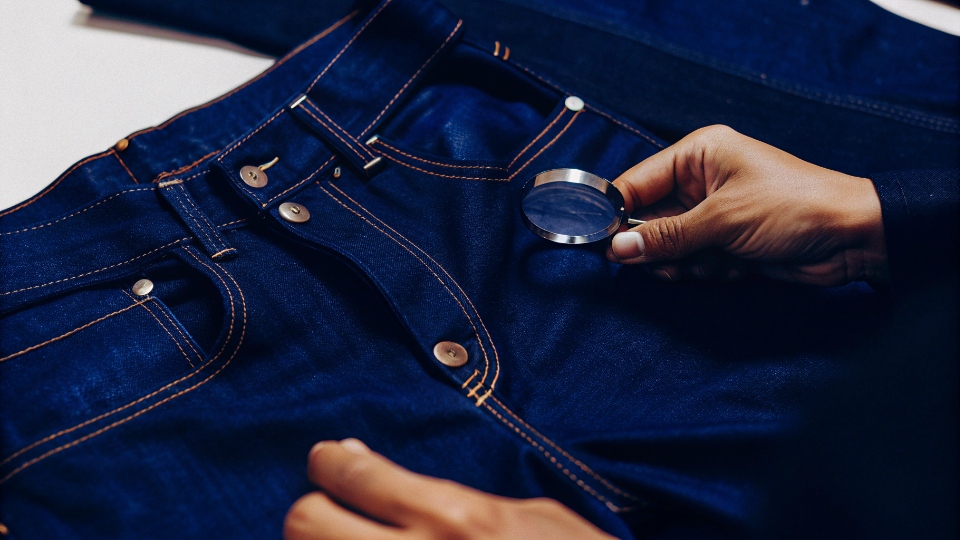
To find good quality jeans, inspect the three key areas. Check the fabric's weight and feel, look for high stitch density and clean finishing inside, and test the hardware to ensure it is sturdy and secure.
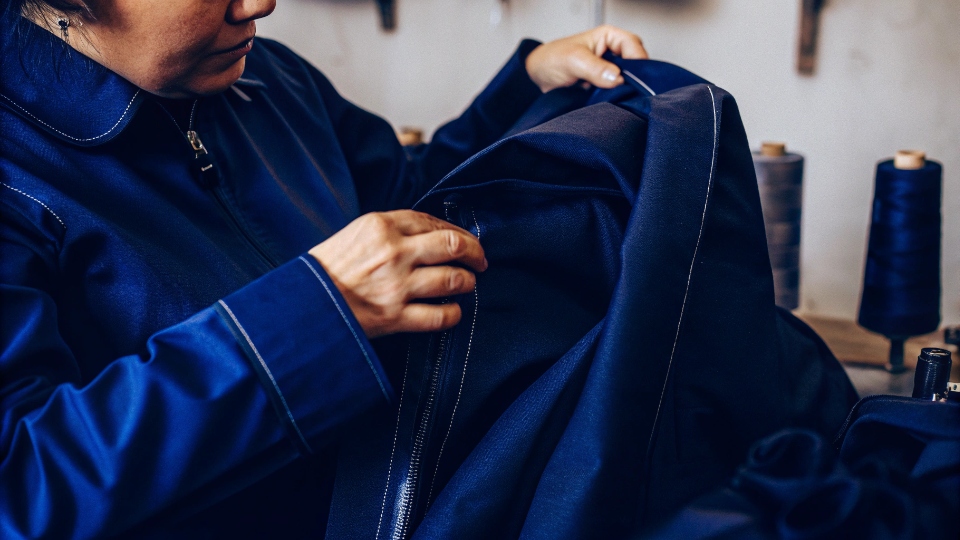
When I review a new sample at my factory, I have a mental checklist I go through. These are the details that separate a truly high-quality garment from an average one. You can use the same checklist when you evaluate samples from potential manufacturing partners. It will help you see beyond the surface and judge the real quality of the work.
A Manufacturer's Quality Checklist
| Feature | What to Look For (Low Quality) | What to Look For (High Quality) |
|---|---|---|
| Fabric Feel | Feels thin, overly soft, or stiff like cardboard. | Has a solid, substantial feel. Good denim feels better with wear, not worse. |
| Stitching | Loose, uneven stitches. Low stitches per inch (SPI). Messy threads inside the jean. | Tight, straight, and dense stitching. Check for bar tacks (small, tight reinforcement stitches) at stress points like belt loops and pocket corners. |
| Hardware | Flimsy, generic zipper. Buttons and rivets feel lightweight and can be bent or scratched easily. | A brand-name zipper like YKK. Buttons and rivets are solid, securely attached, and have a clean finish. |
| Seams | Single-stitch seams on the inseam or yoke. | A flat-felled or double-stitched inseam for durability. Cleanly finished seams throughout the inside of the garment. |
| The Wash | The fading looks flat, printed-on, and unnatural. Whiskers (creases at the hip) are too perfect and symmetrical. | The fading and distressing looks organic and has depth. The color has subtle variations, showing a more complex, hands-on process. |
Conclusion
Finding a reputable jeans manufacturer means knowing what quality looks like. Define your standards, look in established production hubs, and partner with a factory that understands your vision for an excellent product.
-
Explore this link to discover trusted platforms that connect you with reliable jeans manufacturers. ↩
-
Learn about the leading B2B platforms that can help you find quality jeans manufacturers. ↩
-
Find out why Guangzhou is a key location for sourcing high-quality jeans manufacturers. ↩
-
Learn about selvedge denim and its significance in the world of high-quality jeans. ↩
-
Learn about various washing techniques that can enhance the character of denim jeans. ↩
-
Discover the unique qualities of Candiani Denim that make it a favorite among luxury brands. ↩
-
Explore Isko's innovative technologies that enhance denim quality and performance. ↩
-
Learn about Artistic Milliners and why they are a trusted name in denim manufacturing. ↩
-
Find out about the factories trusted by major brands like Levi's and Uniqlo for quality jeans. ↩
-
Learn about the top countries recognized for their expertise in jeans manufacturing. ↩
-
Explore brands that proudly carry the 'Made in USA' label and their commitment to quality. ↩
-
Discover how a premium wash can enhance the quality and appeal of denim jeans. ↩