Skip to content

You want the perfect material for your designs. Leather seems luxurious, but denim is classic. Choosing the wrong one can limit your brand's appeal and success.
Neither leather nor denim is better; they serve different purposes. Denim offers unmatched versatility and comfort for everyday wear. Leather provides superior durability and warmth, ideal for outerwear and statement pieces. The best choice depends on your design's function and style.
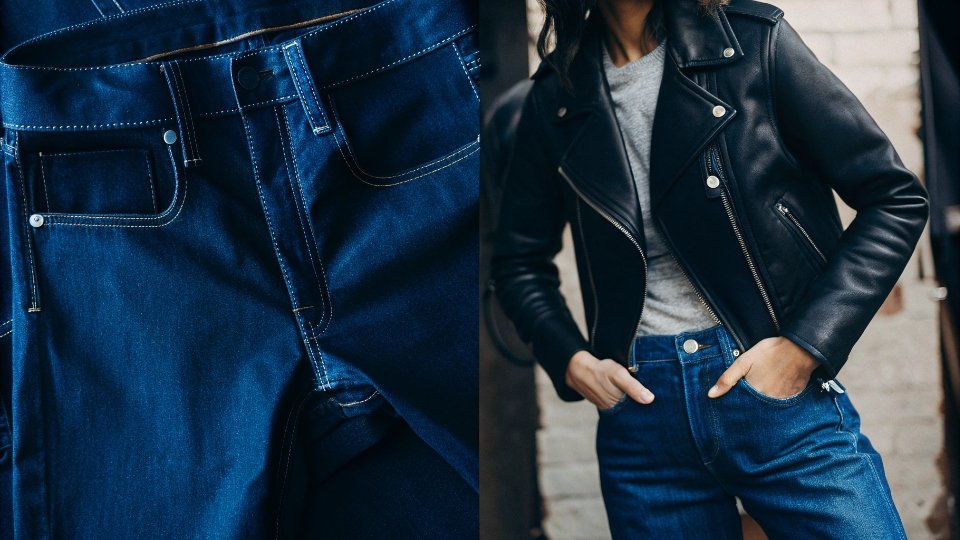
I've worked with denim for over two decades, but I have a deep respect for leather. Designers often get stuck on this choice. They see it as a simple aesthetic decision, but it goes much deeper than that.
You are choosing a material that defines the fit, the function, and the very soul of your garment. It is a decision that tells your customer what your brand is all about. I always advise designers to stop asking "which is better?" and start asking "which is right for this specific purpose?".
Is one fabric truly better, denim or leather?
You need a fabric that defines your brand. Leather feels premium, while denim is universally loved. Picking the one that best fits your customer's life is a huge, make-or-break decision.
Denim is better for versatility and everyday comfort as it adapts to any style or body shape. Leather is better for protection and creating a bold, structured look. The "better" fabric is the one that best matches your design's purpose and your target customer.
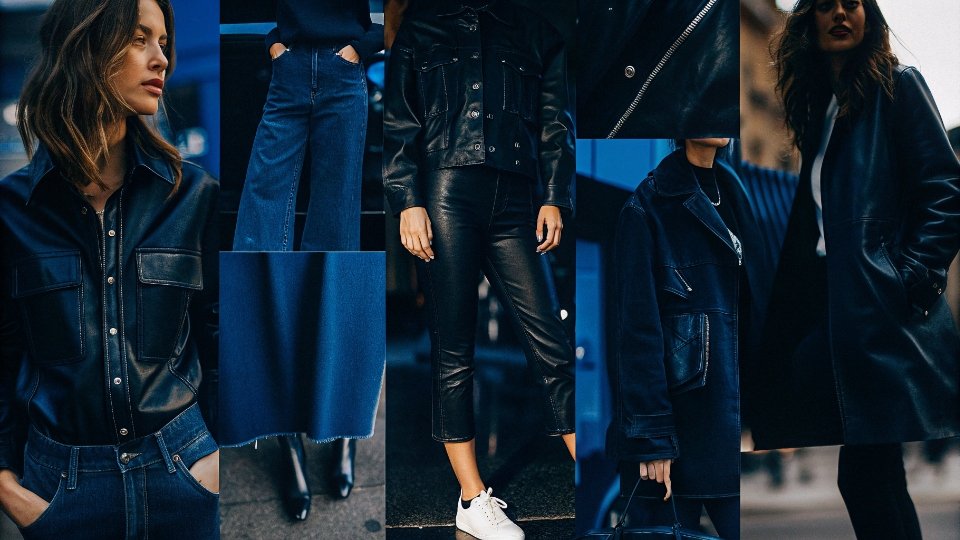
The most important question is: what are you trying to create? Denim is the ultimate blank canvas. As a denim manufacturer, I can take a raw, rigid fabric and transform it.
I can make it soft and faded for a vintage feel or keep it dark and crisp for a modern look. A pair of well-made jeans fits in almost anywhere, from a casual weekend to a creative office. It is democratic. Leather, on the other hand, makes an immediate statement.
It is bold, structured, and demands attention. You do not just wear a leather jacket; you announce your arrival in it. I often tell designers, "Denim is a conversation, but leather is a declaration." Neither is better, but they speak very different languages. Your job is to choose the language your brand wants to speak.
| Attribute | Denim1 | Leather2 |
|---|---|---|
| Versatility3 | Extremely High | Moderate to High |
| Comfort | High (softens with wear) | Low to Moderate (needs break-in) |
| Durability4 | Good | Excellent |
| Audience Appeal5 | Universal, Everyday | Niche, Fashion-Forward/Rugged |
What are the real downsides of using leather?
Leather looks tough and luxurious, a perfect signature for your brand. But you've heard it is difficult, expensive, and comes with ethical concerns that could turn customers away.
Leather's main disadvantages are its high maintenance, initial stiffness, and cost. It requires special cleaning and is less breathable than denim. Also, the ethical and environmental impact of animal hides and chemical tanning is a major concern for many modern consumers.
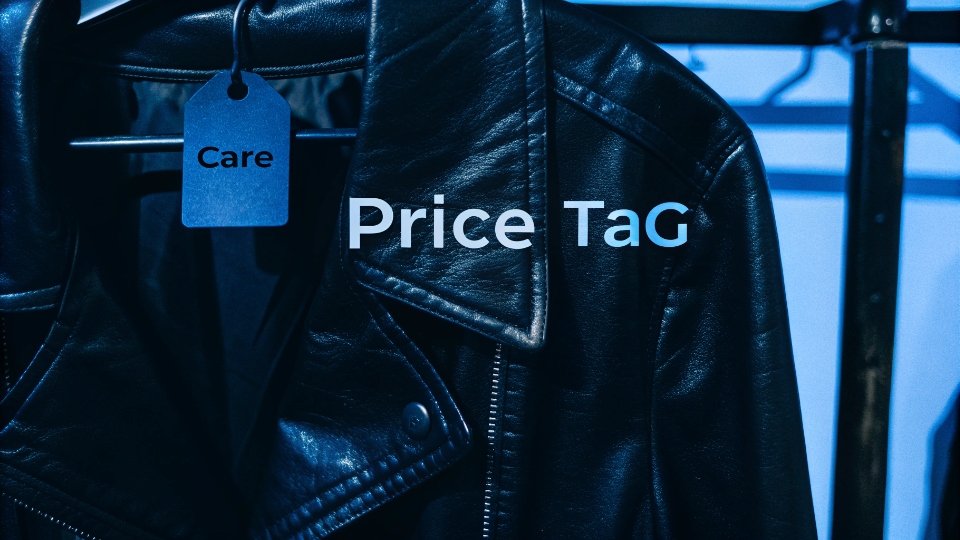
Let’s be practical. Full-grain leather, the best and most durable kind, is stiff. It requires a significant "break-in" period before it molds to the wearer's body. This is a big ask in a world of instant gratification, where the softness of a well-washed jean is immediately appealing.
Then there is the upkeep. You cannot throw a leather piece in the washing machine. It needs specialized cleaners and regular conditioning to prevent it from drying out and cracking.
This is a level of commitment some customers are not prepared for. But the biggest challenge for brands today is the ethical question. The tanning process can involve harsh chemicals, and the use of animal products is a major issue for a growing number of consumers.
While vegan leathers exist, many are essentially plastic and lack the durability and breathability of the real thing, creating a different set of environmental problems.
Denim is the workhorse of your collection, reliable and loved by all. But you worry about its environmental impact and whether it is durable enough to represent a high-quality brand.
Denim's main disadvantages are its tendency to fade and wear out over time. Traditional production uses massive amounts of water and can involve polluting dyes. It also offers poor insulation and is not protective against wind or rain compared to leather.
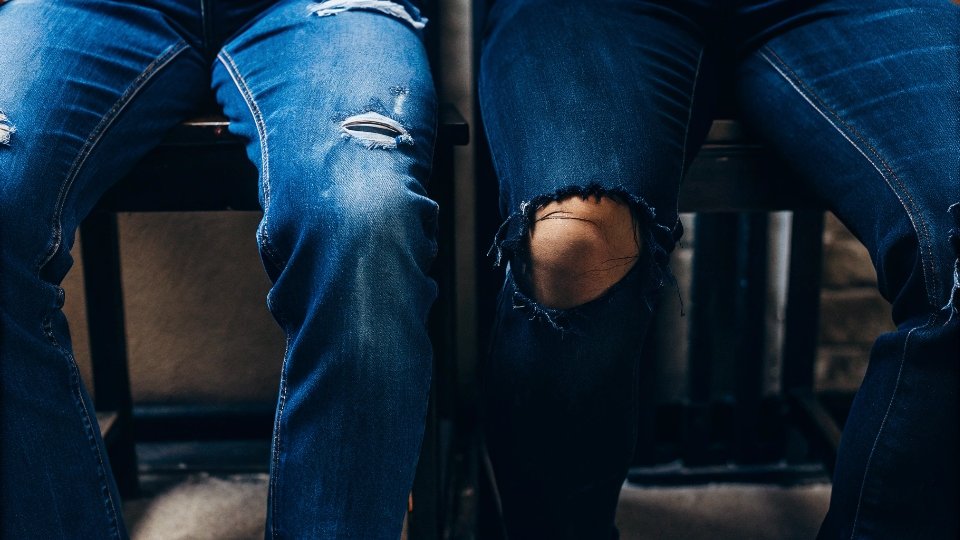
The most famous feature of denim is also its primary "flaw": it ages. The indigo dye is designed to chip away with wear, creating a unique fade pattern.
For denim heads, this is the entire point. But for a brand that needs a consistent, uniform look, this can be a problem. While denim is strong, it is still a cotton fabric. Over time, it will wear thin at stress points like the knees and inseam.
A great leather jacket can be passed down through generations; a great pair of jeans has a shorter, though still respectable, lifespan. The biggest historical disadvantage has been its environmental footprint.
Growing cotton and traditional indigo dyeing used enormous amounts of water. I am proud that this is changing. At my factory, we have invested millions in technology like ozone and laser finishing, which drastically cut water usage.
Choosing a modern, responsible factory like ours is no longer optional; it is essential for a brand’s reputation.
When it gets cold, which is warmer, leather or denim?
Your customers need functional outerwear for cold weather. You need to know which material will actually keep them warm, protecting them and your brand's reputation for quality.
Leather2 is significantly warmer than denim. As a non-porous material, it is an excellent windbreaker and traps body heat effectively. Denim1 is a breathable woven cotton, which allows wind and cold air to pass through easily, making it a poor choice for insulation.
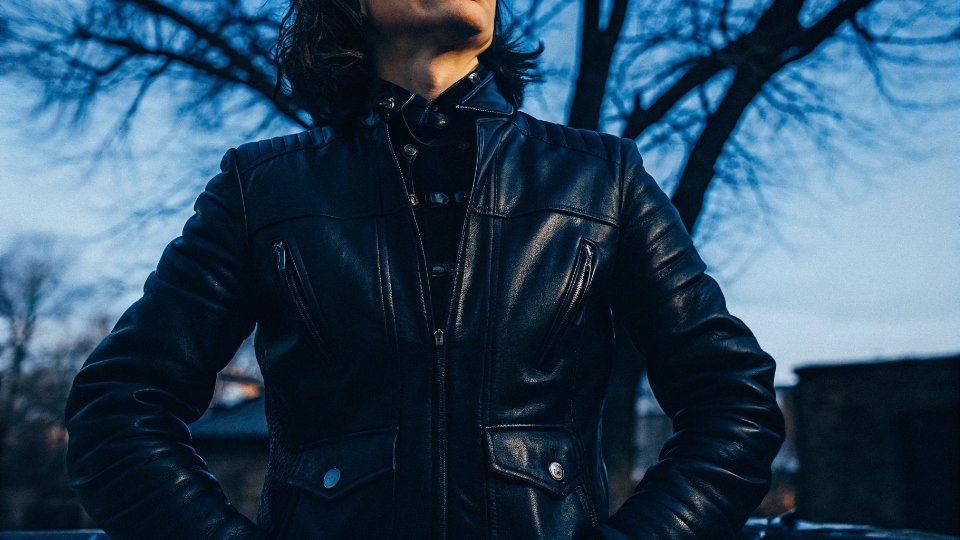
This is one of the easiest questions to answer. Leather wins, and it is not even close. The difference comes down to the basic structure of the material. Leather is a solid hide from an animal.
It has very few pores, which makes it an incredible barrier against the wind. This is why motorcyclists have worn leather for a century—it blocks the wind that is rushing past them. This same property allows it to trap your body heat, keeping you insulated. Denim is a woven cotton fabric.
If you hold it up to a light, you can almost see the tiny gaps in the weave. Wind can easily pass through these gaps. This breathability is fantastic for comfort in spring or fall, but it becomes a major liability in the cold. Of course, we can make denim warmer.
We build denim jackets with sherpa, wool, or flannel linings all the time. But the denim shell itself is not providing the insulation; the lining is.
Conclusion
Denim's versatility makes it the practical choice for most collections. Leather excels in specific uses. The best brands often use both, letting each material shine for its unique strengths.
-
Explore the versatility and comfort of denim, a fabric that adapts to various styles and body shapes. ↩ ↩
-
Discover why leather is favored for its durability and ability to create bold, structured looks. ↩ ↩
-
Learn how versatility in fabric can enhance your designs and appeal to a broader audience. ↩
-
Find out the key factors that contribute to fabric durability and how it affects garment longevity. ↩
-
Explore how fabric choice can influence your brand's appeal to different customer demographics. ↩