Skip to content

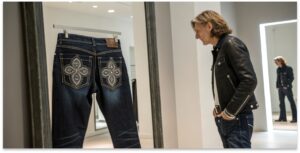
You see a pair of Diesel jeans priced at $250 and pause. It's not mass-market pricing, but it's also not luxury-level. You're left wondering what justifies that specific, in-between price point.
Diesel jeans are expensive because they are a premium brand, not a mass-market or luxury one. Their price reflects high-quality Italian denim, innovative and labor-intensive washing and distressing techniques, and a strong, design-driven brand identity.
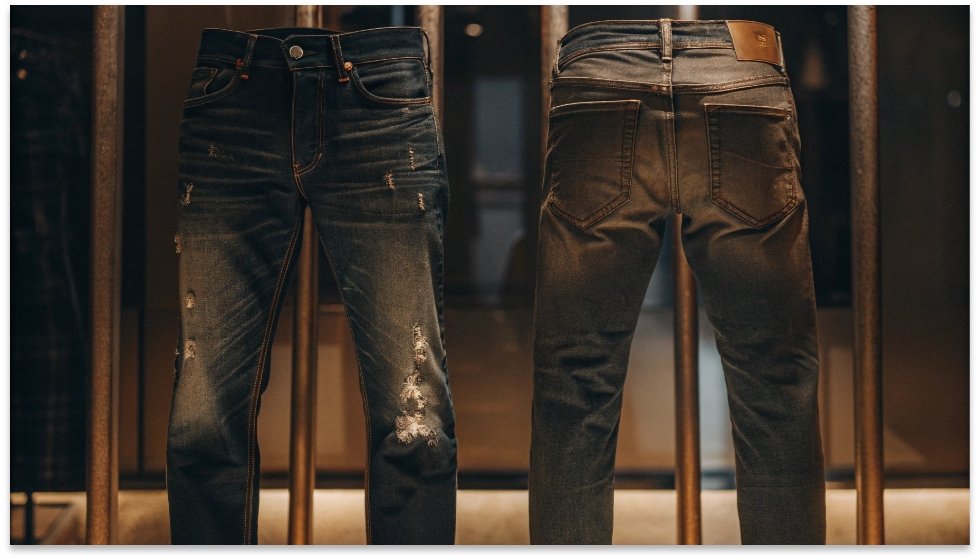
Dean, your insight about brand positioning is spot-on. In my two decades running a denim factory, I've seen firsthand how a brand's place in the market dictates its price. Diesel carved out a unique space for itself.
They weren't just selling jeans; they were selling a rebellious attitude, baked right into the fabric through groundbreaking treatments. This isn't about slapping a logo on a basic garment.
It's about a deep investment in the product itself, especially the finishing. Let's break down where that money really goes.
Is Diesel Jeans a Luxury Brand?
You see Diesel sold alongside high-end labels in stores like SSENSE, which makes you wonder. Is it considered a true luxury brand, or is it something else entirely?
No, Diesel is a premium or "accessible luxury" brand, not a true luxury house. While it sits in high-end retail spaces, its price point and focus on denim place it a tier below brands like Gucci, Dior, or Saint Laurent.
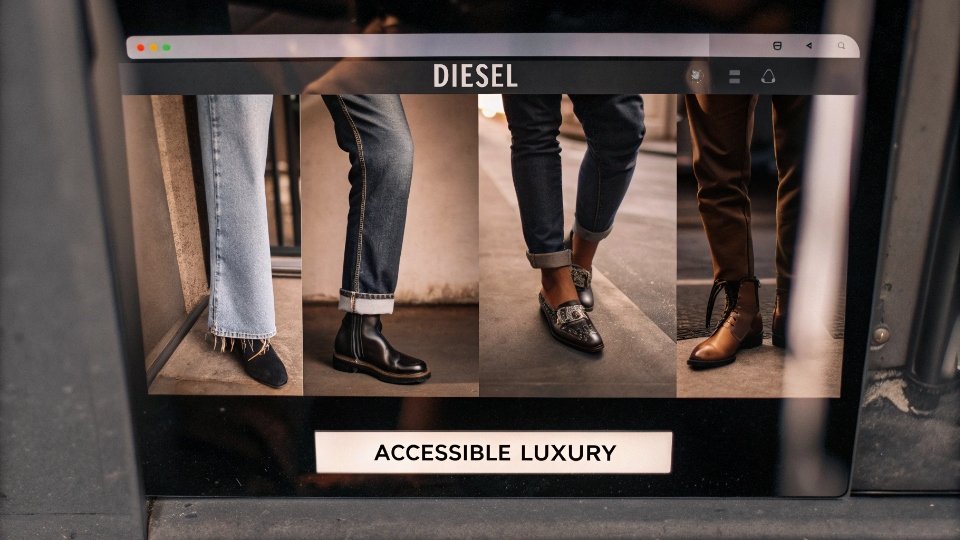
You made a perfect point, Dean. If you go on a luxury site and sort by price, Diesel is often what you see first. This doesn't mean it's "cheap"; it means it's the entry point into that world.
True luxury brands often have a history in couture, a much broader product range, and a price ceiling that is astronomically higher. Diesel’s identity is built almost entirely on high-end denim.
They are specialists. They occupy a crucial space for consumers who want to graduate from standard brands like Levi's but aren't ready to spend $1,000 on jeans from a Parisian fashion house. They are at the top of the denim world, not the top of the luxury world.
Are Diesel Jeans Premium?
The word "premium" can feel meaningless, often used as a marketing buzzword. What tangible qualities actually elevate Diesel jeans into the premium category?
Yes, Diesel jeans are definitively premium. This is justified by their pioneering use of complex, multi-step wash processes, high-quality Italian-sourced denim, and intricate construction details that go far beyond standard jeans.
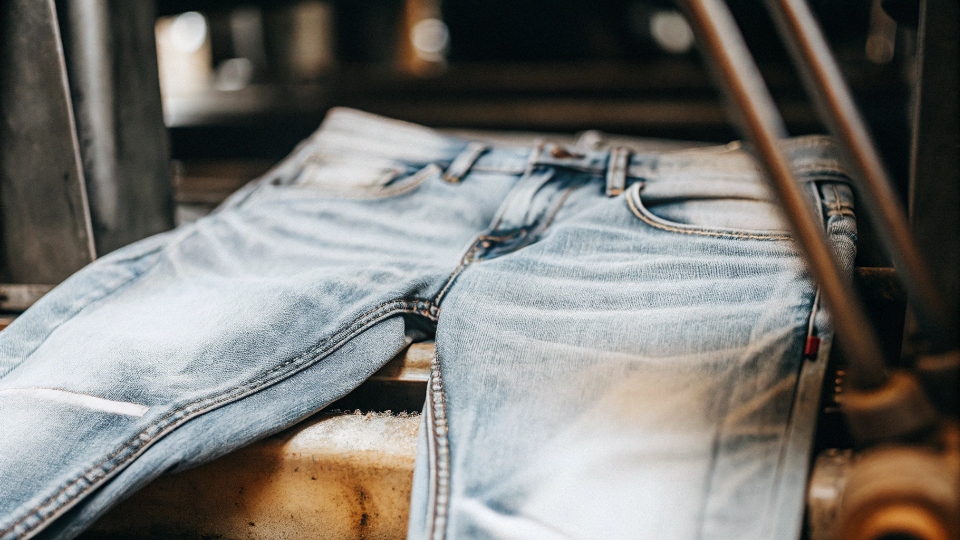
This is where my expertise comes in. The cost of a "premium" jean is built in the factory. It’s not just about better cotton. It’s about the art of the wash. Diesel became famous because they were among the first to sell jeans that looked aged and lived-in, and doing that convincingly is expensive.
Dive Deeper: The Cost of a "Look"
| Manufacturing Step | Standard Jeans | Diesel Premium Jeans |
|---|---|---|
| Material | Standard denim, often from mass-production mills. | High-quality denim, often from renowned Italian mills like Candiani. |
| Washing Process | Simple rinse or a single stone wash. A one or two-step process. | Multi-step process: stone washing, enzyme treatments, hand-sanding for whiskers, laser-etched patterns, and sometimes tinting or coating. |
| Labor | Highly automated process. | Requires skilled artisans for hand-finishing details. This labor is expensive. |
| Hardware & Trim | Standard buttons, rivets, and patches. | Custom-designed and branded buttons, rivets, and often unique leather or metal patches. |
Every one of those extra steps in the Diesel column adds time, requires specialized machinery, and demands skilled labor, directly increasing the final cost of the garment.
Is Diesel a High-Quality Brand?
You've seen diffusion lines from famous designers that have a big name but lack quality. You're right to be skeptical and ask if Diesel's quality truly matches its price.
Yes, specifically in their core category of denim, Diesel is a high-quality brand. Unlike diffusion lines that dilute a luxury name, Diesel's reputation is built on and sustained by the quality and innovation of its jeans.

Your analysis of the Armani brand hierarchy is perfect. An Armani Exchange t-shirt is mostly selling the "Armani" name, with the quality being secondary.
This is a common strategy where a luxury name is licensed for lower-quality, mass-produced goods. Diesel is the opposite. It is a product-first company. Their entire brand legacy was built on making a better, more interesting pair of jeans than anyone else.
They don't have a "Giorgio Armani" tier to fall back on; their reputation lives or dies with their main product line.
This focus ensures that the materials, construction, and especially the finishing of their denim are consistently at a high standard to justify their premium position. They're not selling a famous designer's name; they're selling Diesel denim.
What Jeans Cost $10,000?
Hearing about five-figure price tags for jeans sounds insane. What could possibly make a pair of denim trousers cost more than a car? Is it a marketing gimmick or something else?
Jeans that cost $10,000 or more are not fashion items; they are collector's pieces, wearable art, or historical artifacts. The price comes from extreme rarity, precious materials, or hundreds of hours of artisanal labor.
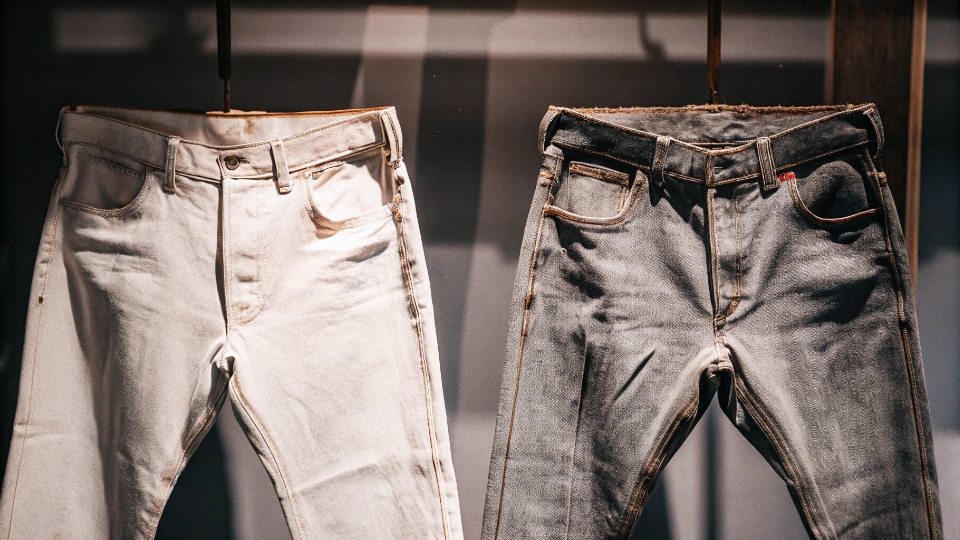
This is a completely different universe from premium brands like Diesel. We are no longer talking about clothing meant for regular wear. The price of these jeans is determined by factors outside of normal apparel manufacturing.
There are three main categories:
- Historical Artifacts: The most expensive jeans ever sold are usually 19th-century Levi's found preserved in abandoned mines. These are purchased by collectors and museums for their historical value, like a rare painting.
- Jewelry and Embellishments: Some brands create "stunt" pieces for publicity, featuring details like diamond buttons, gold rivets, or platinum zippers. You are essentially buying jewelry that happens to be attached to a pair of jeans.
- Artisanal Masterpieces: In Japan, some master craftsmen use ancient, natural indigo dyeing techniques and hand-operate old shuttle looms to create denim. A single pair can represent months of work by a master artisan, making it a piece of functional art.
These are fascinating but exist outside the normal fashion industry. They are one-of-a-kind items, while Diesel's goal is to produce high-quality, innovative jeans at scale.
Conclusion
Diesel's price is a direct reflection of its identity: a denim-focused innovator. They command a premium price through superior materials, complex Italian craftsmanship, and a design-led approach that sets them far above the mainstream.