Skip to content

You see a pair of Mother jeans1 and love the style, but the price tag makes you pause. You wonder if they are truly worth the investment or if you are just paying for a trendy LA brand name.
Mother jeans are expensive because they combine three key elements: proprietary "butter-like" soft fabrics, expert pattern-making2 focused on a flattering fit, and a powerful brand image built on A-list celebrity endorsements. You're paying for a proven formula of comfort, style, and status.
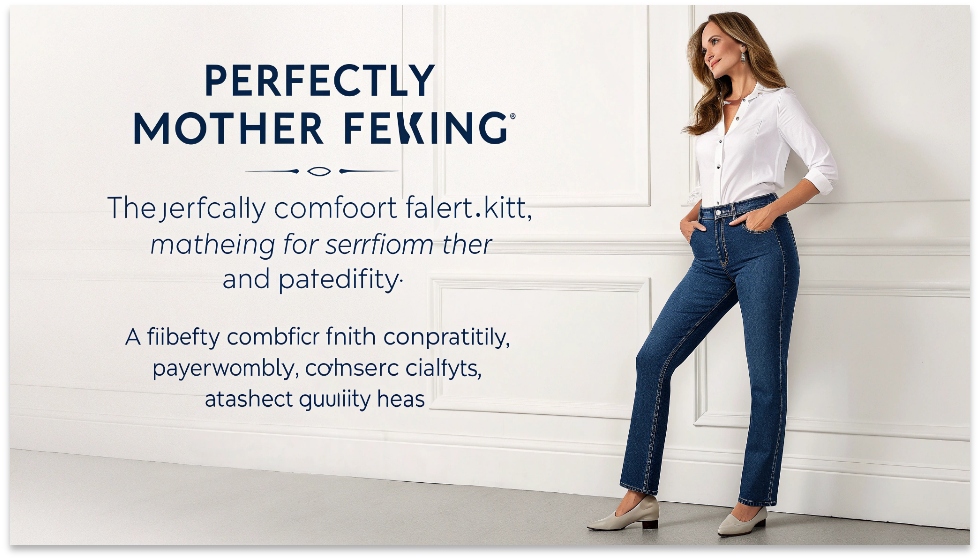
I have seen countless denim brands launch over the last 20 years. Some chase trends, while others focus on pure, rigid denim for the purists. Mother found a very specific and very profitable lane. They mastered the art of making jeans that feel as comfortable as leggings but look like high-end, structured denim.
From a factory standpoint, this is the holy grail. Creating a fabric with high stretch that doesn't bag out after a few hours is a real technical challenge. They invested heavily in fabric development, and that investment is reflected in the final price you see on the tag.
What is the most expensive jeans brand?
You think Mother's $250 price tag is high, but then you hear about jeans that cost thousands. It makes you wonder what the absolute peak of the denim market looks like.
The "most expensive" jeans brand varies. For retail, high-fashion houses3 like Gucci or specialty brands like Chrome Hearts can charge over $10,000 for embellished pairs. For collectors, a rare 19th-century vintage Levi's holds the title, fetching over six figures at auction.
This is a great question that shows how diverse the denim market is. A brand like Mother sits in what we call the "premium" category. Its price is based on superior daily wear: better fabric, better fit, better feel.
Above this, you have two other worlds. First is the "high-fashion" world. Here, a brand like Balenciaga takes a pair of jeans and uses it as a canvas. The cost comes from hours of hand-distressing, custom embroidery, or the addition of precious materials. You are buying the designer's name and artistic vision.
The second, more fascinating world is "collectible" denim. The most expensive pair of jeans ever sold was an authentic pair of Levi's from the 1880s, found in an old mine. It's a historical artifact. Its value lies in its story and rarity, not its fit or comfort.
What celebrities wear Mother jeans?
You see stylish celebrities in paparazzi photos and want that same effortless look. You wonder if Mother is one of the brands they are consistently choosing for their daily life.
Mother jeans are a true celebrity staple. They are frequently spotted on A-listers known for their style, including Meghan Markle, Jennifer Lopez, Gigi Hadid, Miranda Kerr, and Jennifer Garner. Their consistent presence on celebrities solidifies their status as a desirable luxury brand.
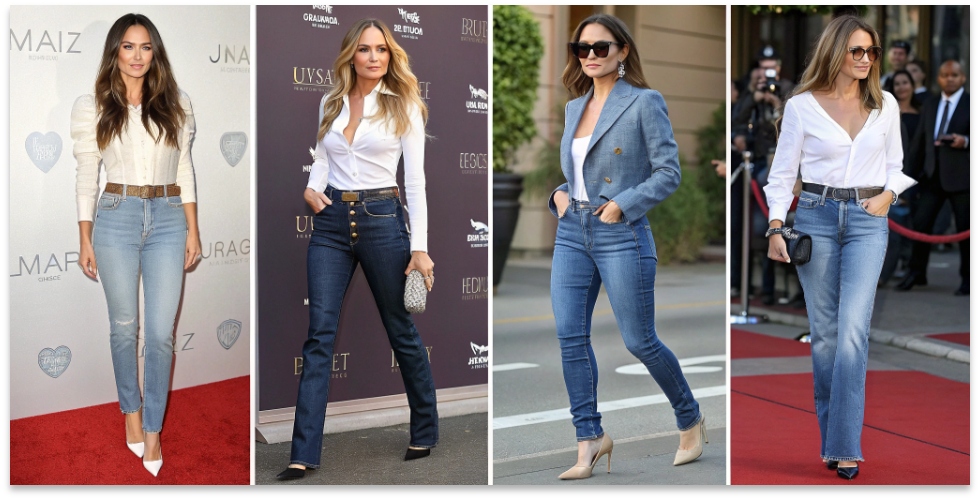
Celebrity and influencer marketing is the backbone of the premium denim business model. It is not an accident; it is a very deliberate and expensive strategy. When a celebrity with global influence, like Meghan Markle, wears a specific style, that jean can sell out across the world within hours.
From a business perspective, this is more effective than any billboard or magazine ad. It provides what we call "social proof4." It sends a clear message to the customer: "This is what fashionable people wear." The brand builds an aura of effortless cool.
So, when you buy a pair of Mother jeans, you are not just buying the fabric and fit; you are also buying into that carefully crafted image. The high price helps pay for the massive marketing engine that makes the brand so desirable in the first place.
What jeans not to wear after 40?
As you get older, you want your style to evolve. You want to look modern and chic in your jeans, but you worry about choosing a style that seems outdated or like you're trying too hard.
After 40, it's less about avoiding specific styles and more about prioritizing excellent fit and high-quality fabric5. Generally, it's wise to avoid trends that compromise on sophistication, like extremely low-rise waists, excessive distressing, or thin, unstructured "jeggings."
I've worked with designers creating jeans for every age group, and the best advice is always the same: wear what makes you feel great. However, some guidelines can help. The biggest mistake is not the style, but the fit and fabric.
A cheap pair of jeans with poor stretch recovery will look unflattering at any age. After 40, the value of a brand like Mother becomes even clearer. Their high-quality fabrics hold their shape, providing support and smoothness. This creates a more polished silhouette.
Instead of focusing on what not to wear, focus on what to look for: a flattering rise6 (mid or high is often best), a classic wash, and a fabric with enough structure to make you feel supported and confident.
A Quick Guide for Timeless Denim
| Style to Reconsider | The Issue | A Better Alternative |
|---|---|---|
| Ultra Low-Rise | Can be uncomfortable and create a muffin top. | A classic mid-rise or a modern high-rise. |
| Overly Trendy Washes | Acid wash or extreme patterns can date quickly. | A timeless dark indigo or clean vintage wash. |
| Thin, Cheap Stretch | Lacks support and can highlight imperfections. | Premium denim with high-recovery stretch. |
Why are MOTHER Superior jeans so expensive?
You understand Mother's reputation for soft, stretchy denim. Then you see their "Superior" line, which is often even pricier, and wonder what makes it a step up.
Mother's "Superior" line is expensive because it features their rigid, 100% cotton denim. This requires more skilled pattern-making to achieve a great fit without stretch, uses premium non-stretch cotton, and undergoes more complex, labor-intensive wash processes to create an authentic vintage look.
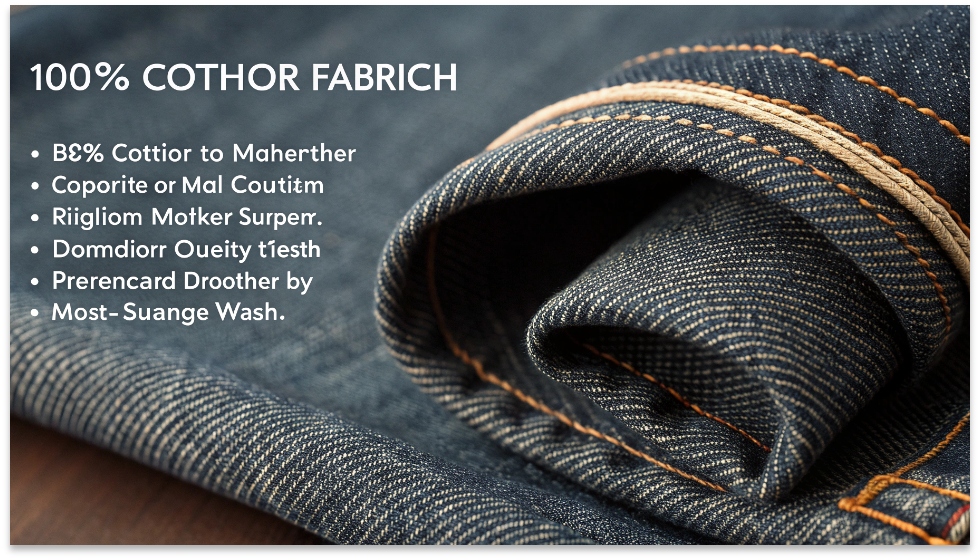
This is where Mother proves they are true denim experts. Making a comfortable jean with lots of stretch is one type of skill. But making a flattering jean from 100% cotton is a completely different art form. It's a nod to denim purists. A designer like Dean would tell you that without the forgiving nature of elastane, every line of the pattern must be perfect.
The curve of the hip, the angle of the back yoke, and the precise placement of the pockets are all that stand between a perfect fit and an awkward one. Furthermore, creating that soft, "worn-for-a-decade" look on new rigid denim is a multi-step, artisanal process in the wash house.
It involves stonewashing, hand-sanding, and other techniques that add significant labor costs. So while their stretch denim is expensive for its fabric technology, the Superior line is expensive for its old-school craftsmanship.
Conclusion
Mother jeans are expensive because they deliver a complete package: innovative soft fabrics, a famously flattering fit, and a powerful brand image. You are paying for a reliably great long-term experience.
-
Explore the unique features and benefits of Mother jeans that make them a favorite in the denim market. ↩
-
Discover the importance of pattern-making in achieving a flattering fit in denim. ↩
-
Explore the world of high-fashion denim and see how it compares to premium brands. ↩
-
Discover how social proof influences consumer behavior and brand loyalty. ↩
-
Explore the characteristics of high-quality denim fabrics and their benefits. ↩
-
Get insights on choosing the right rise in jeans for a flattering look at any age. ↩