Skip to content

You see a pair of jeans covered in loud, intricate embroidery with a shocking price tag. You know quality denim, but this doesn't look like it. The value seems completely disconnected from the product itself.
Red Monkey Jeans (RMC) are expensive due to their business model, not just their materials. Their price is driven by extremely detailed embroidery, limited production runs that create scarcity, and their cult status as a collectible from the 2000s streetwear boom.
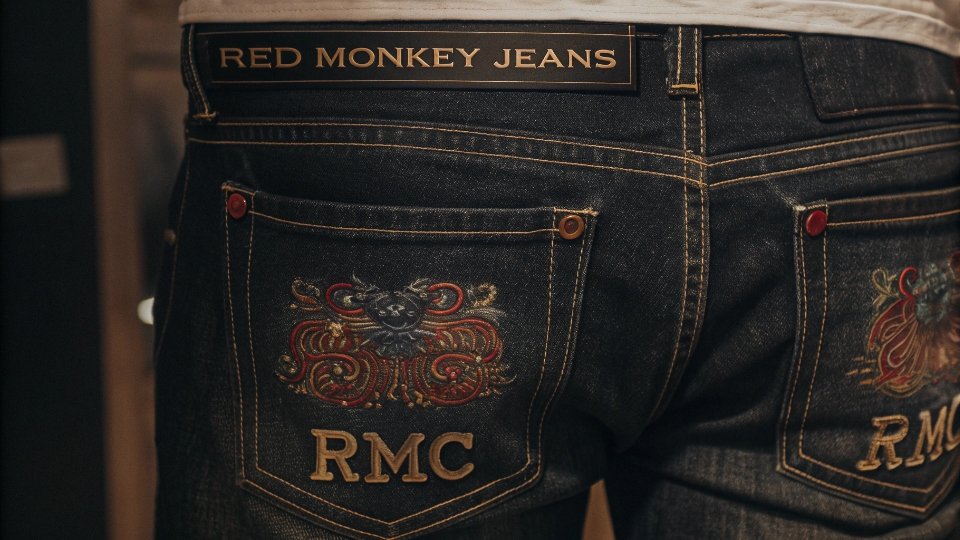
From my factory floor, I see value created in two ways: through craftsmanship in the material, and through branding applied to the material.
Red Monkey is a masterclass in the second category. When I look at them, I don't see the subtle art of a perfect wash that a designer like Dean and I appreciate. I see a different kind of art—wearable, maximalist embroidery. The jeans themselves are a canvas.
The high price comes from the hours of detailed stitching, the deliberate scarcity, and the cultural moment they represent. It's less about the denim and more about the statement.
When were red monkey jeans popular?
You see a style this bold and specific, and it feels like a throwback. Was there a time when this over-the-top look was the height of fashion, or was it always a niche product?
Red Monkey Jeans reached their peak popularity in the mid-to-late 2000s. They were a staple of the "bling era" streetwear scene, famously worn by hip-hop artists and celebrities who favored flashy, ostentatious designs.
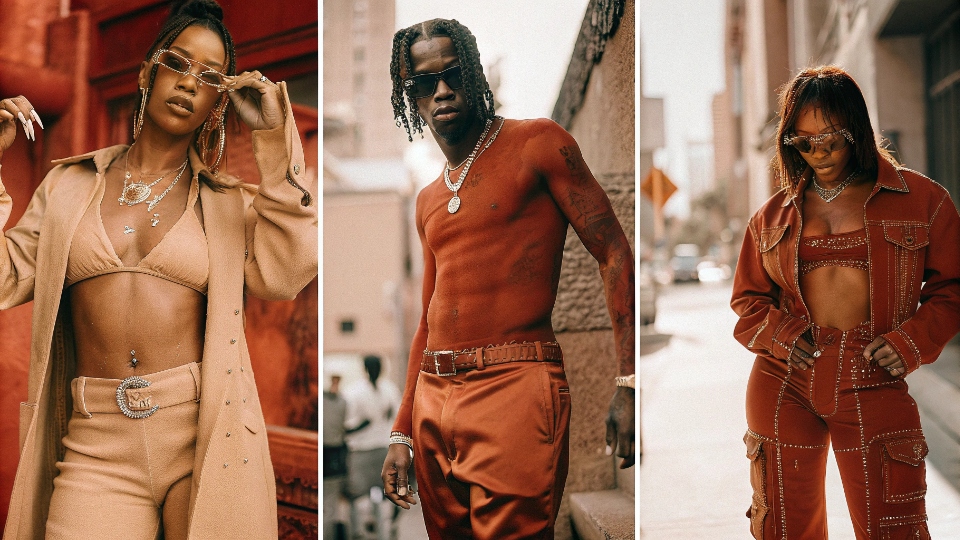
The mid-2000s were a wild time for fashion. In the denim world, it was the absolute opposite of the quiet, minimalist aesthetic that is popular today. The trend was about being seen. Brands like Ed Hardy, Evisu, and Red Monkey dominated.
From a manufacturing perspective, our clients wanted more. More embroidery, more crystals, more graphics. Red Monkey was arguably the most intricate of them all.
They took the detailed embroidery concept from Japanese souvenir jackets and applied it to high-quality selvedge denim. This created a product that was undeniably a status symbol.
Owning a pair meant you were in the know and had the money to prove it. It was the perfect product for its time.
Dive Deeper: A Tale of Two Eras
The values that made RMC popular in the 2000s are the opposite of today's mainstream trends. This is why they now appeal to a nostalgic or collector's market.
| Fashion Value | Mid-2000s (The RMC Era) | 2020s (The Modern Era) |
|---|---|---|
| Aesthetic | Maximalist & Loud | Minimalist & Understated |
| Branding | Overt, logo-heavy branding. | Subtle or no-logo branding. "Stealth wealth." |
| Fit | Generally looser, baggier fits. | A wide variety, but clean straight-legs are key. |
| Status Symbol | Displaying wealth through visible, expensive items. | Displaying taste through well-crafted, timeless pieces. |
Today, the appeal of Red Monkey isn't about being on-trend. It's about owning a piece of fashion history, a collector's item from a very different and memorable time in streetwear.
What is the most expensive type of jeans?
Seeing a four-figure price on a pair of RMC jeans makes you wonder what the absolute ceiling is. What defines the world's most valuable and expensive denim?
The most expensive jeans are not couture items but historical artifacts. Pristine, original pairs of Levi's from the late 1800s can sell at auction for over $100,000, their value derived from extreme rarity and historical significance.
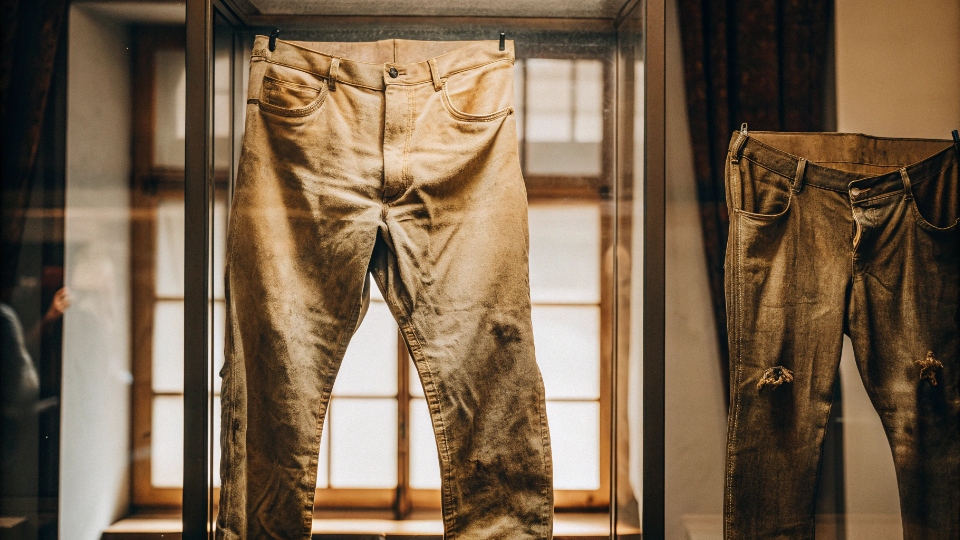
In the world of high-value denim, there are a few distinct categories. It’s important for a designer like Dean to understand what creates this value. It’s rarely just about the garment itself.
- Historical Artifacts: This is the top tier. A pair of jeans found in an old mine from the 1880s is a piece of American history. Its value is like that of a rare coin or stamp. It's not meant to be worn; it's a collector's item.
- Haute Couture/Bespoke: This is where brands use denim as a canvas for luxury. Think of a pair of Balmain or Gucci jeans embellished with real gold thread, diamonds, or exotic materials. The value is in the precious materials and the brand name, not the denim itself.
- Artisanal Japanese Selvedge: This is where the value is truly in the craft of the fabric. These jeans are made on old, slow shuttle looms, often dyed by hand with natural indigo. The process is incredibly time-consuming, and the resulting fabric has a unique character that gets better with age. This is the category that most denim purists, and many designers, respect the most.
Red Monkey Jeans create their own category: "Wearable Art," where the value is in the embroidery and the brand's cult status.
How to tell if red monkey jeans are real?
With a high price tag and a cult following, the market is flooded with fakes. For a brand defined by its details, how do you spot a genuine pair from a cheap imitation?
To tell if Red Monkey Jeans are real, focus on the embroidery quality—it should be dense, multi-layered, and feel 3D. Also, inspect the custom-branded hardware, the high-quality leather patch, and the unique selvedge ID on the outseam.
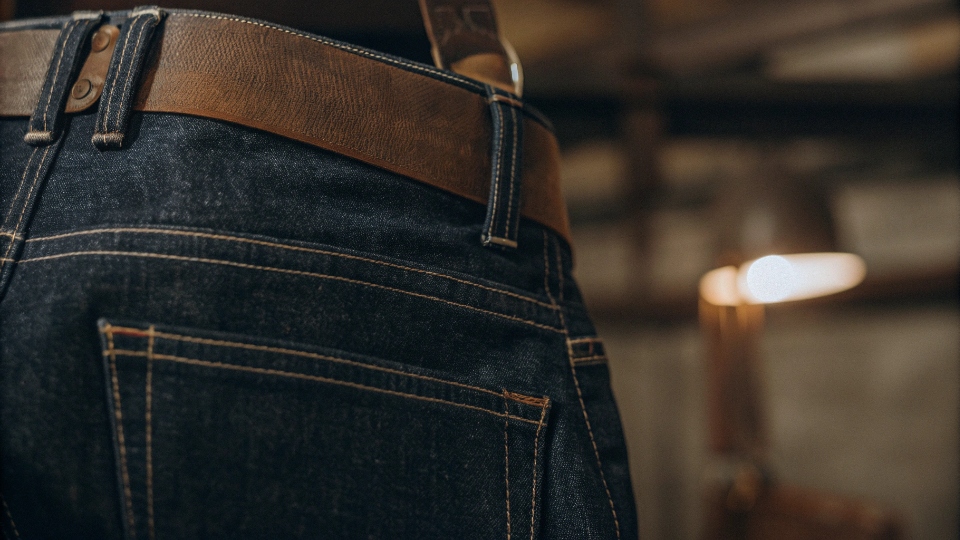
As a manufacturer, I know that fakes always cut corners on the most expensive and time-consuming parts of production. For RMC, that is the embroidery. It's the first place you should look.
A genuine pair has an incredible stitch count; the designs are complex with layers of color and texture. A fake will look flat, sparse, and simple. Beyond that, there are technical details that counterfeiters often get wrong.
RMC prides itself on using high-quality Japanese selvedge denim. If you cuff the jean, you should see that clean, finished selvedge edge. The rivets and waistband button should also have custom "RMC" branding.
Dive Deeper: Your Authenticity Checklist
Use this table as a quick guide when examining a pair.
| Feature | Authentic Red Monkey (Real) | Counterfeit (Fake) |
|---|---|---|
| Embroidery | Dense, high stitch count, multi-layered, feels raised and textured. | Sparse, low stitch count, flat, often uses shiny, cheap thread. |
| Denim Quality | Made from heavy, high-quality Japanese selvedge denim. | Usually thin, cheap non-selvedge denim that feels flimsy. |
| Selvedge ID | A clean, finished edge inside the outseam, often with a unique colored thread. | No selvedge edge; just a messy, overlocked seam. |
| Hardware | Rivets and buttons are custom-stamped with the brand's logo. | Hardware is generic, plain, and feels lightweight. |
| Leather Patch | Made of thick, high-quality leather with clear, deep embossing. | Made of thin, fake leather (pleather) with a blurry or shallow print. |
Who owns Red Monkey jeans?
A brand with such a unique and uncompromising style usually has a singular vision behind it. Who is the founder and creative force that created this iconic look?
Red Monkey Company (RMC), also known as RMC Martin Ksohoh, was founded by English designer Martin Ksohoh in Hong Kong in 2002. He is the owner and the creative mind behind the brand's famously intricate designs.

Understanding the founder is key to understanding the brand. Martin Ksohoh was deeply influenced by Japanese craftsmanship and the bold aesthetics of traditional art. He saw an opportunity to merge the quality of Japanese selvedge denim with the highly decorative style of "Sukajan" or souvenir jackets.
He wasn't trying to make a jean for everyone; he was making a statement piece. This is why the brand feels so different from mainstream denim. It's not a product designed by a marketing committee to appeal to the widest possible audience.
It's the specific, unfiltered vision of its founder. For a designer like Dean, it’s a case study in how a strong, niche identity—even one that some find tacky—can create a powerful and lasting brand.
Conclusion
Red Monkey Jeans are expensive because they are sold as wearable art. Their value comes from complex embroidery, limited availability, and their iconic status from the 2000s streetwear scene.