Skip to content

You pull on a pair of skinny jeans, expecting a sleek, smooth silhouette. Instead, you see distracting wrinkles and bunching around your thighs and knees. It ruins the clean line you wanted and makes you question the fit and quality.
Skinny jeans wrinkle on your legs primarily because of an improper fit—they are either too tight, causing compression wrinkles, or too loose, allowing excess fabric to bunch. The fabric's stretch and recovery properties also play a crucial role.
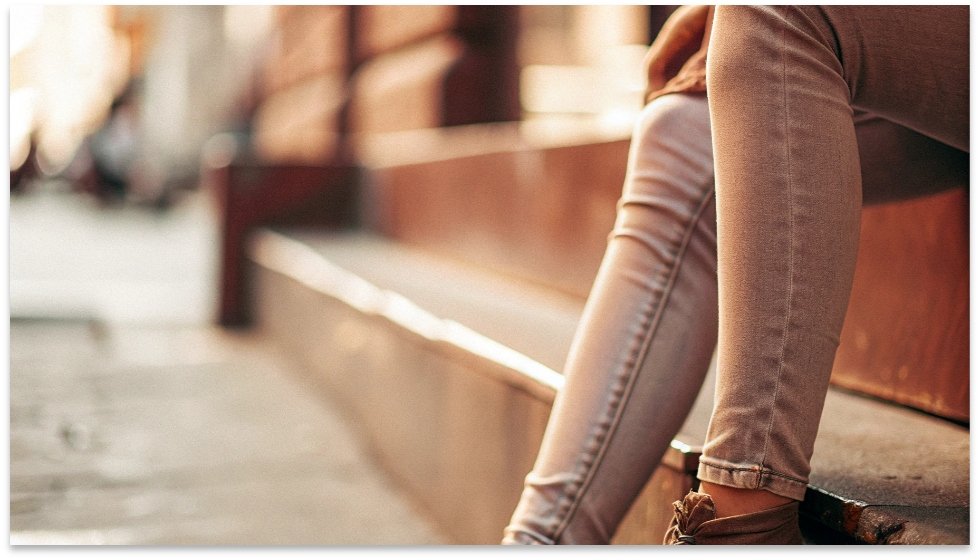
In my two decades of making jeans, this is one of the most common complaints I hear. The frustrating part for most people is that the cause isn't always obvious. Everyone assumes the jeans are just too tight. Sometimes that's true, but it's often more complicated.
The issue can be the cut, the length, or the fabric itself. As a manufacturer, solving this is about balancing the designer's vision with the technical realities of pattern-making and textile science. Getting that perfectly smooth, second-skin look is a real art.
Why do my jeans wrinkle on my legs?
You try on pair after pair, but the same annoying wrinkles appear. It's frustrating when you can't figure out the root cause, making jean shopping feel like a hopeless task.
Jeans wrinkle on your legs for a few key reasons. Horizontal wrinkles across the thigh mean they are too tight. Vertical bunching near the ankle means they are too long. Wrinkles that appear after sitting down mean the fabric has poor recovery.
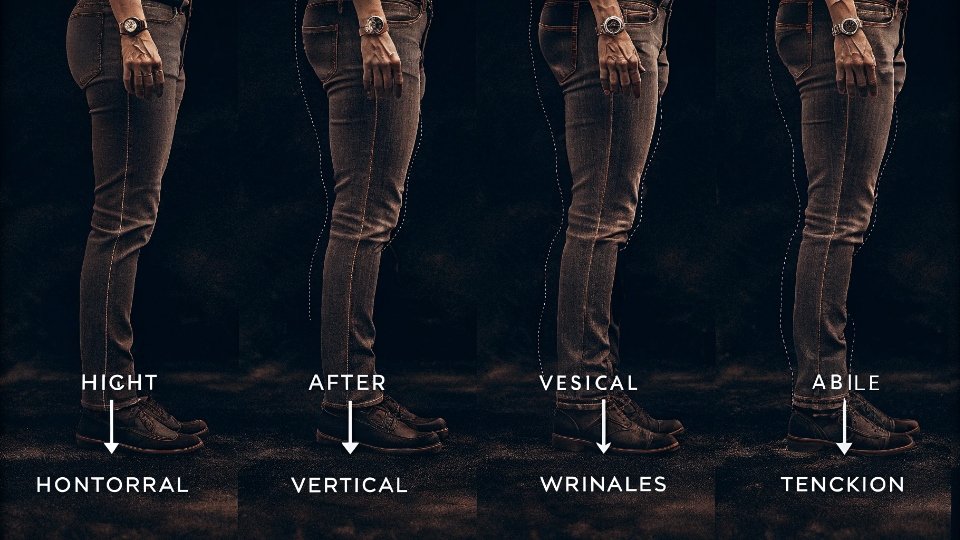
When a client like Dean comes to me with a fit issue, we break it down into three potential problems. First, we look at compression. If the jean is too tight, the fabric has nowhere to go, so it creates tiny horizontal folds.
Second, we check for excess fabric. This could be an inseam that's too long for the wearer, or a leg opening that isn't slim enough, causing the denim to stack up.
Third, and most importantly from my perspective, we test the fabric itself. A good stretch denim needs excellent "recovery"—the ability to snap back into shape. If it uses cheap elastane, it will stretch out during wear and stay stretched out, causing bagging and wrinkles, especially behind the knees.
Dive Deeper: The Three Main Culprits of Wrinkling
| Cause | Description | How to Identify It |
|---|---|---|
| 1. Compression (Too Tight) | The fabric is stretched so tightly over the body that it creates small, horizontal stress lines. It's fighting to contain the body. | Look for sharp, tight horizontal lines across the widest parts of your hips, thighs, and crotch area. |
| 2. Excess Fabric (Too Loose/Long) | There is more fabric than space, so it bunches up. This is common when the inseam is too long or the leg isn't tapered correctly. | See vertical or diagonal folds of loose fabric, most often around the lower leg and ankle. Feels baggy, not snug. |
| 3. Poor Recovery (Fabric Quality) | The fabric's elastic fibers (like spandex) stretch out with movement but fail to return to their original shape. | The jeans look fine when you first put them on, but get baggy and wrinkled behind the knees and in the seat after a few hours. |
How to tell if skinny jeans are too small?
You think you found the right size, but something just feels off. It's hard to tell the difference between "perfectly snug" and genuinely too small, risking discomfort and an unflattering look all day.
If skinny jeans are too small, you'll see horizontal stress lines pulling across the hips and thighs. The pocket bags may peek out, the fly won't lie flat, and the waistband will dig in uncomfortably.
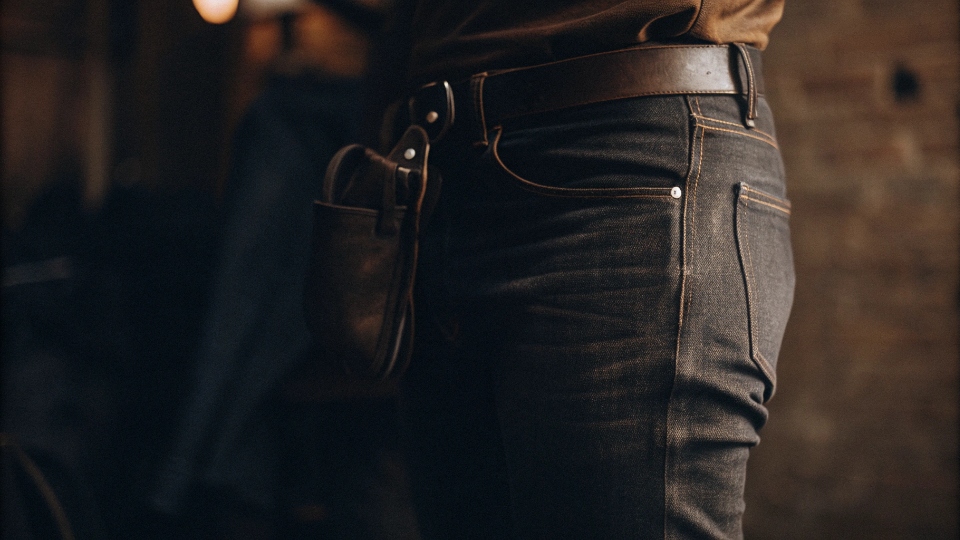
One of the biggest fit challenges we see in manufacturing comes from different body shapes. A common issue is a large difference between the hip and waist measurement. People often buy jeans to fit their waist, but then the jeans are far too tight on their hips and thighs.
The rule should always be to fit the largest part of your lower body first. You can always have a tailor take in the waist, but you can never add more room to the hips.
For designers, addressing this means creating different fit blocks, like a "curvy fit," which has a proportionally smaller waist and more room through the seat and thighs. It's a technical solution to a very common problem.
Dive Deeper: A Fit-Check Guide
| Sign of a Poor Fit | What It Looks Like | What It Means |
|---|---|---|
| Horizontal Pull Lines | Tight, horizontal wrinkles pulling across the front of your hips and thighs. | The jeans are too narrow for your body. The fabric is under extreme tension. |
| Pocket Bag Flare | The front pocket linings are visible or bulge out at the sides. | The hips are too tight, pulling the pockets open and distorting the front of the jean. |
| "Smiley" Crotch | U-shaped wrinkles curving up from the crotch. | The seat is too tight or the rise is too short, causing the fabric to pull upwards. |
| Waistband Dig-In | The waistband cuts into your skin, creating a "muffin top" even if you're slim. | The waist is simply too small. A good fit should sit comfortably without pinching. |
What is skinny jean leg syndrome?
You have probably heard jokes about tight jeans being unhealthy, but it sounds like a myth. You might ignore the warning signs of tingling or numbness, but this can lead to real, lasting nerve discomfort.
"Skinny Jean Leg Syndrome" is the informal name for Meralgia Paresthetica. This is a medical condition where a sensory nerve in your outer thigh gets compressed, often by overly tight clothing, causing numbness, tingling, and pain.
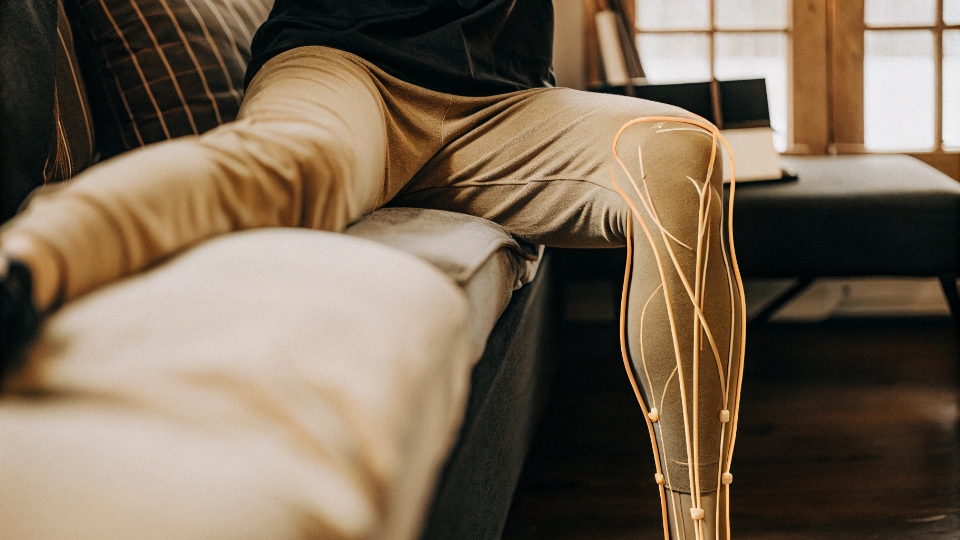
This is something we take seriously in the industry. It's not just about comfort; it's about safety. The condition happens when the lateral femoral cutaneous nerve, which provides sensation to your outer thigh, gets squeezed.
Ultra-tight, low-rise skinny jeans made from rigid, non-stretch denim are the classic culprits. The constant pressure, especially when you sit or bend, can lead to that pins-and-needles feeling, numbness, or even a burning pain.
From a manufacturing standpoint, this is why fabric selection is so important. We always advise our clients to use fabrics with adequate "comfort stretch." A jean should hug the body, not constrict it. Pushing for an extreme, painted-on look with the wrong, unforgiving material is a risk we don't recommend taking.
Are skinny jeans supposed to wrinkle?
You want that perfectly smooth look from waist to ankle, but some wrinkles always seem to appear. You're not sure which wrinkles are a normal part of wearing jeans and which ones signal a problem.
Yes, all jeans, including skinny jeans, are supposed to wrinkle at natural flex points. Wrinkles at the hips ("whiskers") and behind the knees ("honeycombs") are normal. However, excessive horizontal pulling or vertical bunching points to a fit issue.
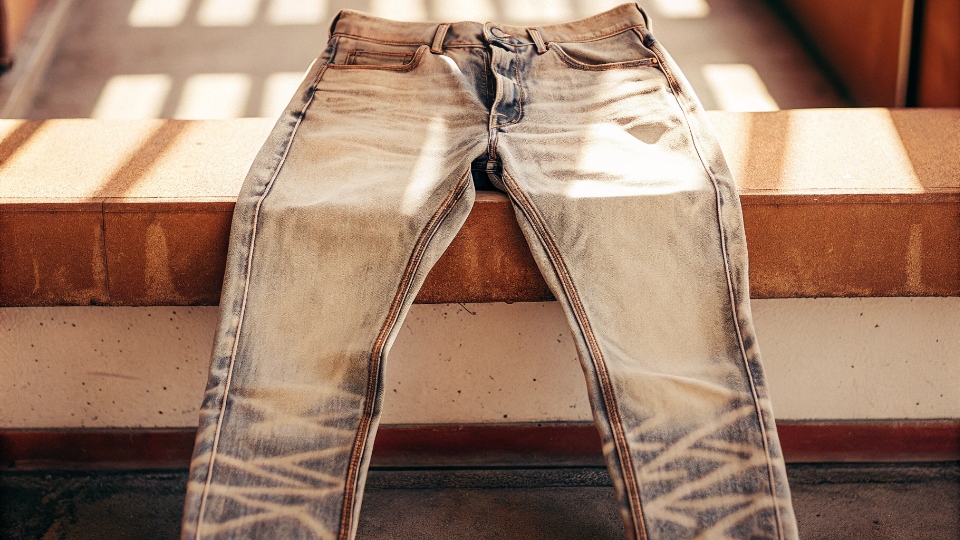
In my line of work, we actually spend a lot of time creating wrinkles. The natural creases that form from everyday movement are considered desirable. They add character to the denim. In the laundry, we use techniques like hand-sanding, resin application, and lasers to replicate these "wear patterns" on new jeans.
These are what we call "good wrinkles." They follow the body's natural movement. "Bad wrinkles," on the other hand, are the ones that show up because the garment is fighting your body.
These are the wrinkles caused by a poor fit, and they look awkward and unflattering. They don't tell a story of wear; they tell a story of a garment that just doesn't fit.
Dive Deeper: Good Wrinkles vs. Bad Wrinkles
| Wrinkle Type | Where They Form | What They Mean |
|---|---|---|
| Good: Whiskers | Faint, horizontal lines fanning out from the crotch across the lap. | Natural creasing from sitting and flexing your hips. A sign of a well-loved pair of jeans. |
| Good: Honeycombs | A honeycomb-like pattern of creases that forms behind the knees. | Caused by the constant bending of your leg when walking or sitting. Highly desirable in raw denim. |
| Bad: Pull Lines | Sharp, tight horizontal lines across the widest part of your thighs or hips. | A clear sign that the jeans are too small and the fabric is under too much stress. |
| Bad: Stacking/Bunching | Messy, vertical or diagonal folds of fabric, usually on the lower leg. | A sign that the jeans are too long or not tapered correctly for your leg shape. |
Conclusion
Skinny jeans wrinkle from a bad fit or poor-quality fabric. Natural creases at the joints are normal, but constant bunching means the jeans are fighting your body. Prioritizing the right fit is key.