Skip to content

You see someone with a badge and a gun on their hip, but they're wearing a pair of blue jeans. It's a confusing image that doesn't fit the traditional picture of a police officer in a crisp, formal uniform. This mismatch can make you question their role and authority.
Police officers, typically detectives or those in undercover or specialized units, wear jeans to blend in with the public, appear more approachable, and for practical comfort during long hours of investigation. It is a functional choice for non-patrol duties.
The power of denim is something I’ve seen firsthand for over 20 years. Jeans are the unofficial uniform of the modern world. I once heard a story about a New York City Transit Cop back in the day who worked undercover in the subways.
His whole job was to look like an everyman, so he wore jeans, sweatshirts, and khakis. He needed to disappear. Law enforcement's use of jeans for this purpose is the ultimate testament to the garment's cultural status.
It’s a tool for blending in, a piece of clothing that says "I'm one of you," which is a powerful message, whether you're trying to sell a lifestyle or solve a crime.
Why do police wear jeans?
It seems unprofessional to see an officer of the law in casual denim. You might wonder if it undermines their authority or if there are official rules that allow for such a relaxed dress code.
Police wear jeans as a strategic part of their "uniform" for specific roles. It helps them blend in during undercover work, makes them more approachable in community roles, and provides comfort and durability for detectives.
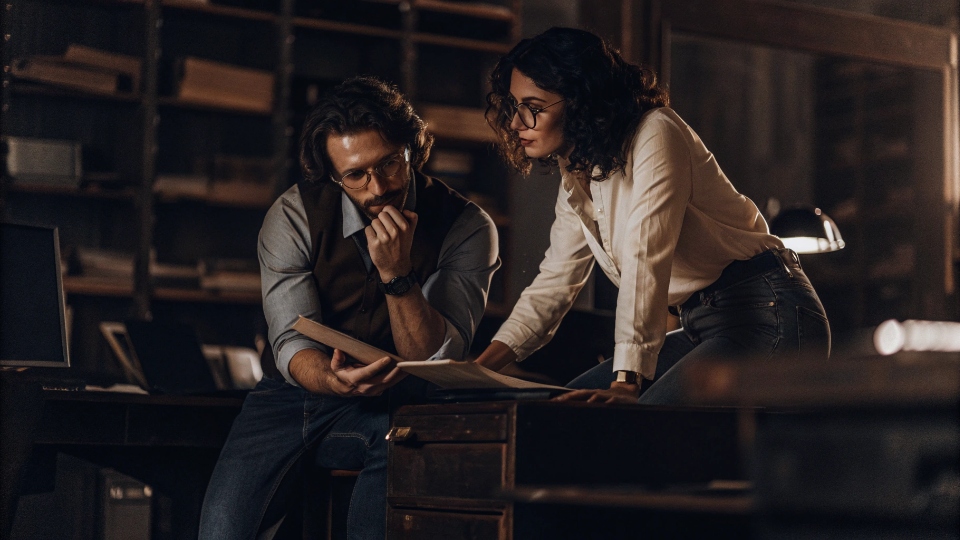
From a garment manufacturing perspective, this makes perfect sense. The traditional police uniform is designed to command respect and project authority. It’s stiff, imposing, and instantly recognizable.
But that's not always the goal. Jeans serve the opposite function. For a detective trying to interview a reluctant witness, a formal uniform can be a barrier. Jeans break down that wall. For an undercover officer, they are essential camouflage.
We've even supplied denim to companies that outfit various agencies. The jeans they order are specific: usually a dark, solid wash, made from durable fabric with good stretch, but without any trendy distressing. They are work pants that happen to be made of denim, chosen for function over high fashion.
Dive Deeper: The Right Uniform for the Mission
| Police Role | Reason for Wearing Jeans | Desired Outcome |
|---|---|---|
| Undercover Officer | To blend in seamlessly with a specific environment or social group. | Anonymity and the ability to observe or interact without being identified as law enforcement. |
| Detective/Investigator | For practicality, comfort during long hours, and to appear less intimidating. | Building rapport with victims and witnesses; functionality for varied tasks (desk work to crime scenes). |
| Community Policing Officer | To seem more approachable and relatable to the public, especially youth. | Fostering positive community relations and trust at non-enforcement events like fairs or school talks. |
| Specialized Units | Task forces (e.g., gang, narcotics) often adopt plainclothes to operate discreetly. | Enhanced operational effectiveness by not announcing their presence with a uniform. |
How to spot a fake police officer?
The idea of someone impersonating a police officer is terrifying. When they aren't in a standard uniform, it feels even harder to know if the person you're dealing with is legitimate.
Look for glaring inconsistencies. A fake officer often has a cheap, generic-looking badge, low-quality gear (holster, belt), an unprofessional demeanor, and may demand things real officers won't, like cash payment for a ticket.
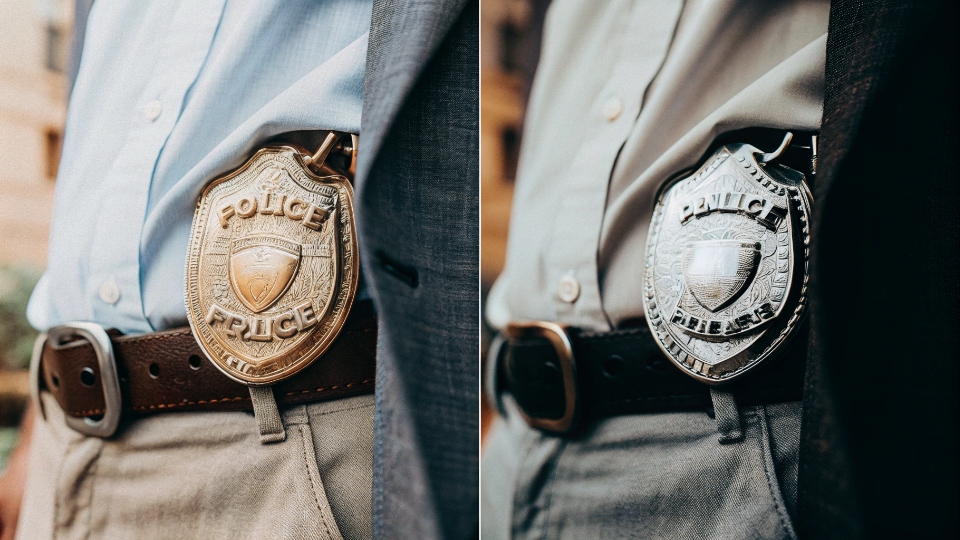
As someone who spends their life focused on the details of clothing and construction, my advice is to look at the quality of their "kit." A real plainclothes officer, even in jeans, will have professional, high-quality equipment.
Their holster, belt, badge, and ID are tools of their trade, not cheap costume pieces. The fit and finish will be solid. A fake will often have gear that looks flimsy, like an airsoft holster or a badge that says "Security" or has no specific jurisdiction.
Beyond their clothes, their behavior is a huge giveaway. Real officers are trained professionals. Imposters are often playing a role, and they tend to over-act, becoming overly aggressive or making strange demands. Your intuition is a powerful tool; if something feels wrong, it probably is.
Dive Deeper: Red Flags of an Impersonator
| Category | Authentic Officer | Potential Impersonator |
|---|---|---|
| Equipment | Professional-grade leather or kydex holster. Real, detailed badge. Official ID card. | Flimsy nylon holster. Generic badge. No ID or a fake-looking one. |
| Vehicle | Official marked cruiser or a professional unmarked car with integrated, subtle lights. | Personal vehicle with a single, cheap dash light. Strange or temporary markings. |
| Behavior | Calm, professional. Will provide their name and agency when asked. | Overly aggressive, emotional, or erratic. Evasive when asked for identification. |
| Requests | Issues official citations. Will not ask for cash on the spot. | Asks you to get in their car for a minor issue. Demands cash payment for a fine. |
What are the red flags when dating a cop?
Dating anyone in a high-stress job has its challenges. With a police officer, it can be difficult to tell the difference between job-related personality traits and genuine behavioral red flags that could harm a relationship.
Significant red flags include extreme controlling behavior disguised as protectiveness, an inability to emotionally connect or be vulnerable, and a rigid "us vs. them" worldview that isolates you from others.

This is a bit outside my area of denim, but it relates to the idea of a "uniform." A police officer wears a uniform for work, but they also develop a "mental uniform"—a mindset to cope with stress and danger.
A healthy person knows how to take that uniform off at home. A red flag appears when they can't. The need for control on the job is a survival skill; in a relationship, it's toxic. If they are tracking you, questioning your friends, or dictating your life, they haven't switched out of "cop mode." Similarly, seeing trauma can build emotional walls.
While some professional distance is expected, a complete inability to be vulnerable or empathetic with a partner is a sign of a deeper issue that can make a true partnership impossible.
Can police detectives wear jeans?
Your image of a detective might come from movies—all suits and trench coats. So, seeing a real-life detective in jeans can make you wonder if they're bending the rules or if it's accepted practice.
Yes, absolutely. Most police departments have a business casual dress code for detectives, and clean, dark-wash jeans are widely accepted as part of this. They are practical for the varied demands of investigative work.
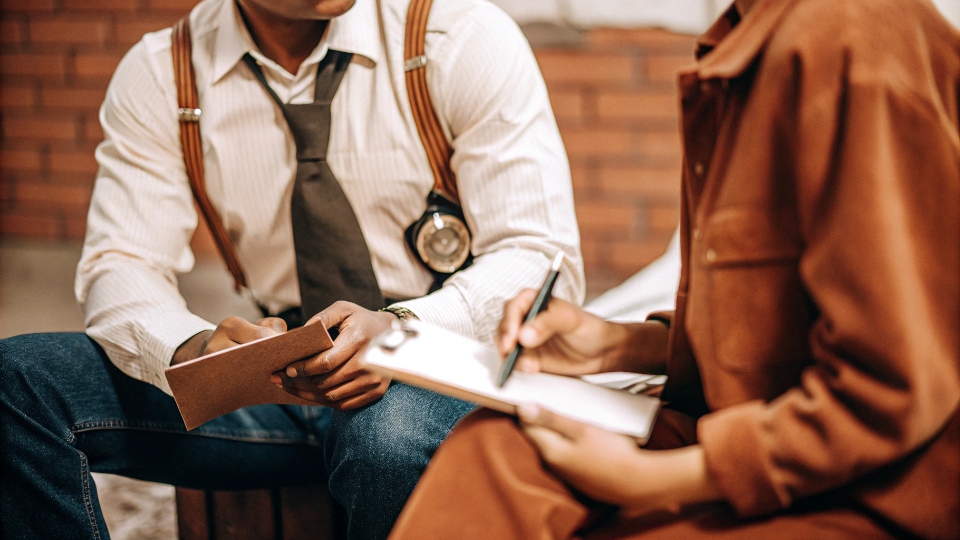
Detectives are the perfect case study for the professionalization of jeans. Their job isn't about the ceremonial authority of a patrol uniform. It's about long hours of paperwork, sudden calls to messy crime scenes, and building rapport with people from all walks of life.
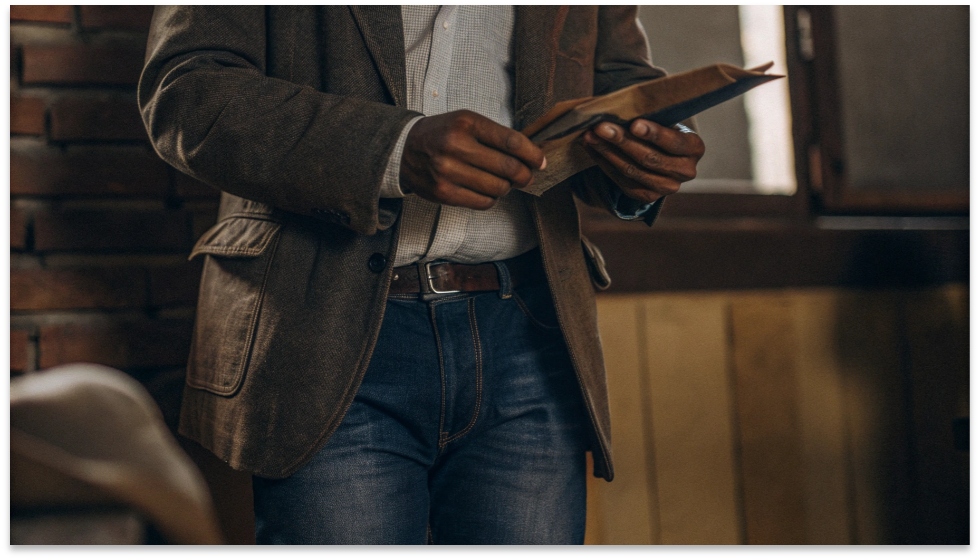
A suit is impractical for that. Dark, well-fitting jeans paired with a button-down shirt or a blazer strike the perfect balance. They look professional and authoritative enough for court but are comfortable and practical enough for fieldwork.
When a designer like Dean creates a "smart" or "professional" jean, this is the exact end-user. It’s not about trends; it’s about creating a durable, versatile garment that functions as a reliable part of a modern professional's working wardrobe.
Conclusion
Police wear jeans for tactical and practical reasons, choosing them to blend in or for comfort in non-patrol roles. This shows how jeans have become a key part of the modern professional's functional wardrobe.