Skip to content

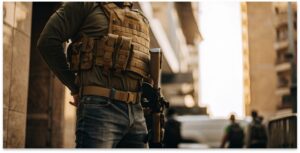
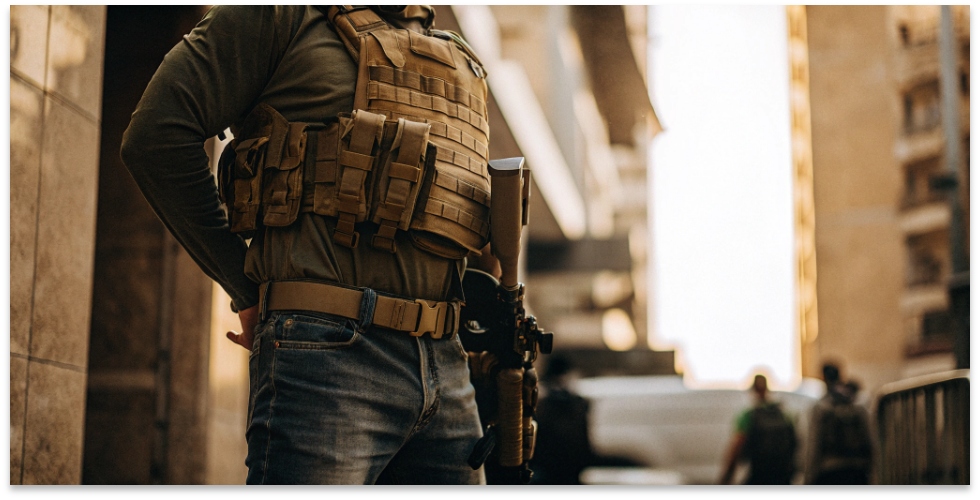
You see a photo of an elite soldier in a war zone, armed with high-tech gear, but wearing a simple pair of blue jeans. It seems out of place and contradicts everything you know about military uniforms1.
Special Forces wear jeans for two primary reasons: speed and stealth. In an emergency recall, they wear what they have on, and jeans are fast. More importantly, jeans allow them to blend in with civilian populations, avoiding identification as high-value military targets.
As a denim manufacturer, my world is focused on fabric, durability, and construction. When I see an operator in jeans, I don't just see a fashion choice. I see a practical decision based on the unique properties of denim.
The same toughness that I build into jeans for a construction worker serves a different, but equally critical, purpose for a soldier. It's a fascinating intersection of civilian apparel and tactical application2, and there are very specific reasons why this simple cotton pant is trusted in the most dangerous places on earth.
Why do special ops wear jeans?
You imagine soldiers only wearing camouflage, so seeing them in denim feels like a break in protocol. Is it for comfort, or is there a deeper tactical advantage at play?
Special ops wear jeans to operate under the radar. In many environments, a group of men in full military camouflage stands out, making them instant targets. Jeans and civilian clothing provide crucial anonymity, allowing them to move and gather intelligence without drawing attention.
This strategy is often called the "Gray Man" theory. The goal is to be unnoticeable, to fade into the background. From a manufacturing perspective, a pair of dark, non-distressed jeans3 is the perfect "gray man" tool. They are globally ubiquitous. You can find someone wearing jeans in a market in Kabul, a cafe in Paris, or a town in South America.
But there is another critical reason: durability. Standard-issue camo pants are often made from a lightweight poly-cotton ripstop blend. It is great for breathability, but it can tear. I know from experience that a quality pair of jeans made from 12oz or 14oz denim is incredibly tough. It resists abrasion from rocks, rubble, and rough surfaces far better than many lightweight synthetics. It offers a layer of protection and durability4 that is hard to beat, especially when you need to look like a civilian.
| Feature | Tactical Camo Pants | Standard Blue Jeans |
|---|---|---|
| Anonymity | Low (Instantly recognizable) | High (Blends into civilian life) |
| Durability | Good (Ripstop design) | Excellent (Heavyweight cotton) |
| Functionality | Many pockets, specialized features | Basic, but universally accepted |
| Environment | Best for jungle/forest/desert | Best for urban/civilian areas |
You have heard stories or seen photos from decades past of Navy personnel in denim. Was this an early form of tactical gear, or just what was available at the time?
During World War II, the U.S. Navy issued blue denim trousers (dungarees) as standard work uniforms. The fabric was inexpensive, extremely durable, and its blue color was consistent with the Navy's traditional color palette, making it a practical choice for sailors performing hard labor.
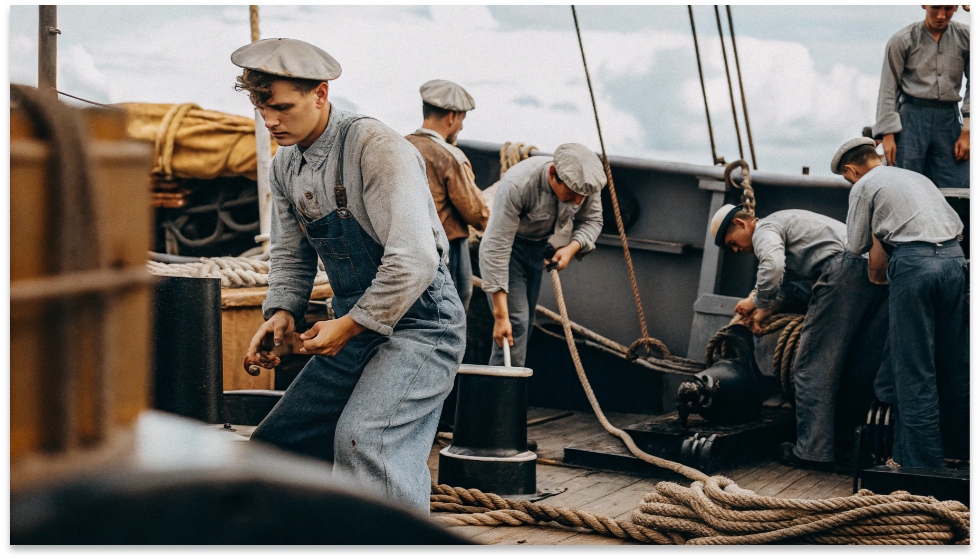
This is a fascinating piece of denim history5 that I love. The connection between the military and jeans goes way back. During WWII, the demand for tough, cheap clothing was enormous. As a denim manufacturer, I can tell you that producing heavyweight denim is a straightforward and cost-effective process. The US government recognized this.
They designated jeans as official uniforms for various branches, but especially the Navy. Sailors needed pants that could withstand grease, salt water, and constant friction against steel ship decks. Denim was the perfect answer. These were not fashion items; they were pure utility. This established a long-standing relationship between the military and denim. So, when modern Navy SEALs are seen in jeans, they are, in a way, continuing a tradition that is almost a century old, choosing a fabric proven by their predecessors to be tough enough for the job.
Why do guys go commando in jeans?
You hear about this trend and it sounds incredibly uncomfortable. Is there a practical reason for it, or is it purely a personal preference?
Guys often go commando in jeans for a feeling of freedom and less restriction, or to reduce laundry. However, from a practical standpoint, it can lead to chafing, hygiene issues, and faster wear and tear on the jeans themselves as they absorb sweat and oils directly.
While my expertise is in making jeans, not wearing them without underwear, I can speak to the impact on the garment. The inside of a pair of jeans, especially raw denim, is not designed to be next-to-skin intimate apparel. The seams are thick and rough. The heavy cotton twill6, while durable on the outside, can be abrasive.
Going commando means all your body's sweat and oils are absorbed directly by the denim. This will require you to wash your jeans much more frequently. As I have told my clients for years, frequent washing is the enemy of denim's longevity and color. The friction and moisture can also weaken the cotton fibers in the crotch area over time, potentially leading to blowouts faster than if you were wearing a protective layer. While some may find it comfortable, from a garment care and hygiene perspective, it is generally not the best practice.
What jeans do special forces wear?
If you were to choose a jean for a tactical situation, what would you look for? What specific brands or features make a pair of jeans "operator-ready"?
Special forces typically choose durable, straight-fit or relaxed-fit jeans from established American brands like Levi's or Wrangler. They prioritize function over fashion, opting for darker washes, no distressing, and tough, heavyweight denim7 (12oz or heavier) that allows for a full range of motion.
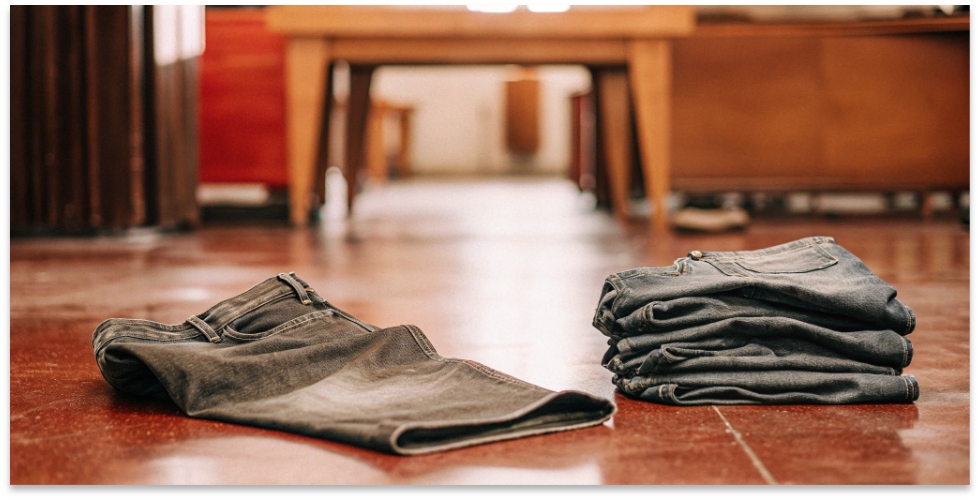
An operator is not looking for the latest fashion trend. They are looking for a tool. Based on the requirements of their job, the ideal "tactical" jean has a few key features that I would focus on if I were producing them:
- Fabric: It has to be heavyweight denim, at least 12oz, but preferably 14oz. It needs to be 99% or 100% cotton. A little bit of stretch (1%) is acceptable for mobility, but too much will compromise durability.
- Fit: Not skinny. A skinny fit restricts movement and screams "fashion." They need a classic Straight Leg or a Relaxed Fit. This allows them to wear a concealed holster, move athletically, and not have the fabric bind up. Think Levi's 501 or 505.
- Color & Finish: Dark indigo or black. No trendy acid washes, rips, or heavy distressing. The goal is to be unmemorable. A clean, dark pair of jeans is professional and anonymous.
- Brand: They often stick to the classics. Brands like Levi's and Wrangler are known for their heritage and durability. They are globally recognized as workwear, not high fashion, which fits the "gray man" profile perfectly.
Conclusion
Special Forces wear jeans not for style, but as a tactical tool for blending in and surviving tough conditions. It is the ultimate crossover of durable civilian workwear into the world of elite military operations.
-
Explore the evolution of military uniforms and the role of civilian clothing like jeans in modern warfare. ↩
-
Understand how civilian apparel, like jeans, is adapted for tactical use in military operations. ↩
-
Find out why non-distressed jeans are preferred for military applications and their practical advantages. ↩
-
Explore the significance of durability in military clothing and how it impacts performance in the field. ↩
-
Explore the fascinating history of denim in military uniforms and its evolution over the years. ↩
-
Learn about cotton twill fabric and its application in making durable jeans for various uses. ↩
-
Discover the characteristics of heavyweight denim and its role in creating durable military clothing. ↩