Skip to content

You invest in a great pair of jeans that fits you perfectly. But after a few months, the fabric in the crotch becomes thin and tears, forcing you to retire your favorite pair way too soon.
The crotch of your jeans wears out from a combination of two forces: constant friction from your thighs rubbing together as you walk, and high tension from the fabric stretching with every movement. This is especially common in tight-fitting jeans.
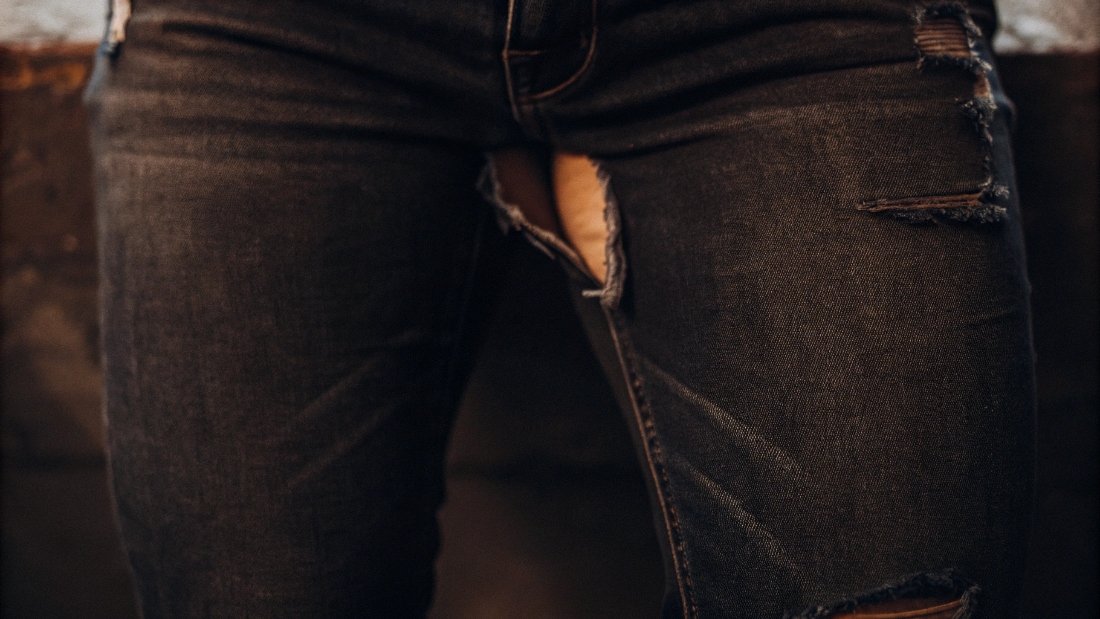
As a factory owner, I see the "crotch blowout" as one of the most common points of failure in jeans. It's a classic engineering problem. A designer like Dean can create a beautiful, form-fitting silhouette, but that design puts an incredible amount of stress on one specific area. The crotch is the intersection of four seams and the point of maximum movement. It's a perfect storm of friction and tension. Understanding exactly why it happens is the first step for a designer to create a more durable product, and for a consumer to choose the right pair.
Why do my jeans wear out in the crotch so fast?
You love the sharp look of your slim-fit jeans, but they seem to self-destruct in the same spot every time. The rest of the jeans are fine, but the crotch is gone in no time.
Your jeans wear out in the crotch so fast because a tight fit creates constant, high-level stress. Every step you take grinds the fabric between your legs, while every time you sit or bend, you pull the seams taut.
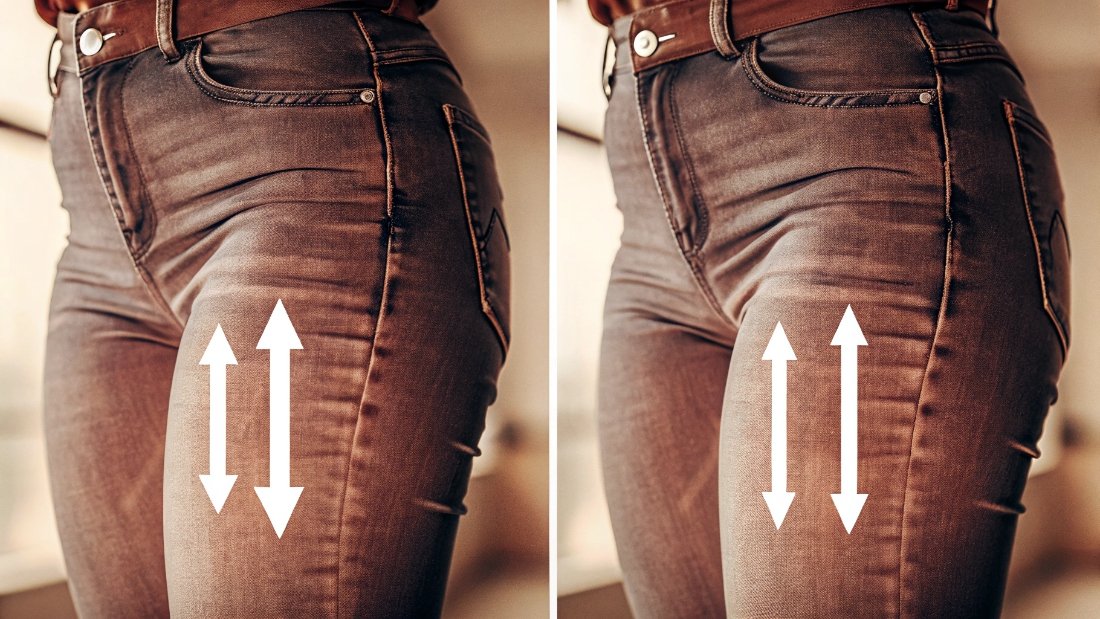
When we analyze garment failure, we look at stress points. For jeans, the crotch is ground zero. The friction from your thighs rubbing together acts like fine-grit sandpaper, slowly but surely wearing away the cotton fibers. At the same time, the fit itself creates tension. If the jeans are snug around your thighs and seat, the fabric has no room to give when you move. All that force concentrates right at the crotch seam. It’s not a defect in the fabric; it’s a consequence of the design. The closer the fit, the faster the wear. It’s a trade-off between style and durability that every designer has to consider.
Dive Deeper: The Two Villains - Friction and Tension
Understanding these two forces is key to understanding why blowouts happen. They work together to destroy the fabric.
| Force | Description | Impact on Denim |
|---|---|---|
| Friction | The rubbing motion between your thighs with every step. | Acts like sandpaper, abrading the cotton fibers until they become thin, fuzzy, and eventually break. |
| Tension | The pulling force on the fabric when you sit, squat, or lift your legs. | Stretches the already-weakened fibers to their breaking point, causing the seams to burst or the fabric to rip. |
In my experience, 100% cotton, non-stretch denim that is too tight is the most likely to fail from tension. A fabric with a little bit of stretch can help alleviate tension, but it can sometimes wear out from friction even faster if the fibers are less durable. The perfect jean has to balance fit, fabric, and construction to fight both of these forces.
How to fix crotch wear on jeans?
You've discovered thinning fabric or a small hole in the crotch of your favorite jeans. You don't want to throw them out. Is there a simple and effective way to repair them?
You can fix crotch wear by reinforcing the area from the inside with an iron-on denim patch. For the strongest repair, add darning stitches over the patch and the weakened area to blend it in.
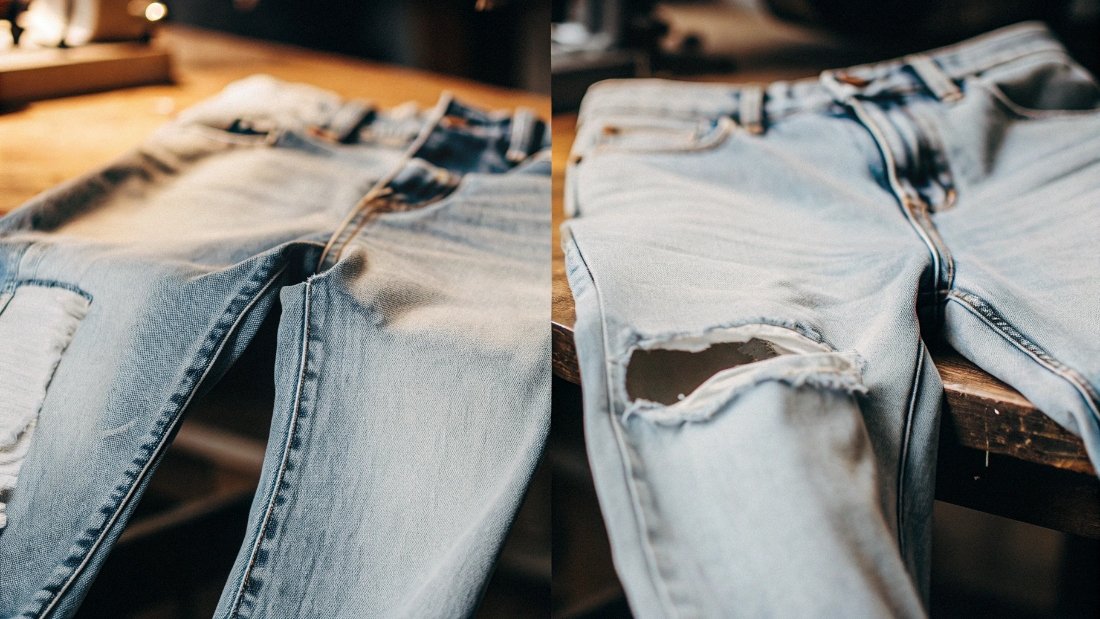
A good repair is all about reinforcement. The goal isn't just to cover the hole, but to support the weak fabric around it. Start by getting an iron-on patch that is slightly larger than the worn-out area. Turn the jeans inside out and apply the patch with a hot iron. This is your foundation. For a much stronger, more permanent fix, you need to add stitching. Using a sewing machine to "darn" the area means sewing back and forth over the patch and the original fabric with a matching thread color. This integrates the patch and prevents the edges of the hole from fraying further. It's a technique we sometimes use to create decorative repairs, but it's incredibly practical for saving a beloved pair of jeans.
Dive Deeper: DIY Repair vs. Professional Help
You can do a lot at home, but sometimes you need an expert.
- When to DIY: If the wear is minimal (the fabric is just getting thin) or the hole is very small (less than a half-inch), an internal iron-on patch is a great proactive or reactive solution. It's quick, easy, and requires no special skills.
- When to see a tailor: If you have a major blowout where the seams have ripped apart or the hole is large and gaping, it's best to see a professional. A denim repair specialist can often rebuild the entire section, sometimes using yarn from an unseen part of the jeans for a perfect color match. They have specialized darning machines that make the repair nearly invisible. A DIY fix on a large hole often looks messy and won't hold up for long.
How to prevent crotch blowout jeans?
You are tired of your jeans failing in the same place every time. You want to make smarter choices when buying new jeans so they will actually last. What should you look for?
The best way to prevent crotch blowouts is to choose a fit with more room in the seat and thighs. Sizing up is the simplest solution. For superior durability, look for jeans with a gusseted crotch.
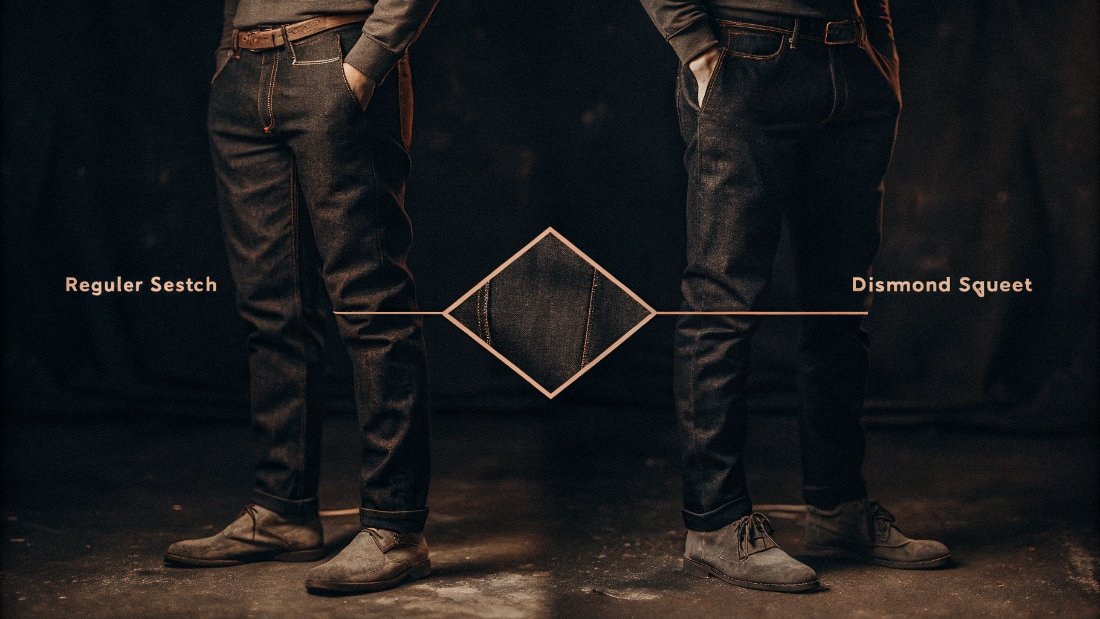
This is a conversation I have with designers like Dean all the time. The most effective solution is to relieve the tension. If your skinny jeans keep blowing out, try a slim fit. If your slim-fit jeans are failing, try a straight fit or simply go up one size. Giving the fabric even a half-inch of extra space can make a huge difference. Another fantastic, though less common, solution is a gusset. This is a diamond-shaped piece of fabric sewn into the crotch. It’s common in climbing pants and athletic wear because it completely changes the geometry of the stress points, allowing for a full range of motion without straining a single seam. It’s a brilliant piece of functional design that can make jeans virtually blowout-proof.
Dive Deeper: Designing for Durability
A designer can make specific choices to build a more robust pair of jeans.
- Fit is #1: As I mentioned, a less restrictive fit is the most important factor.
- Fabric Choice: A heavier-weight denim (14oz or more) will naturally resist friction better than a lightweight one.
- Add a Gusset: This is the ultimate solution. It adds cost to manufacturing but creates a vastly superior product for durability in high-stress areas.
- Reinforced Seams: Using a felled seam (where the raw edges are folded and stitched down) in the crotch and inseam creates a stronger, more durable construction than a standard overlocked seam.
How to stop jeans wearing between legs?
The fabric between your thighs isn't torn yet, but it's getting thin and fuzzy. You want to act now to stop the damage before it turns into an embarrassing hole.
To stop jeans from wearing out between the legs, you must reinforce the area proactively. Apply a thin, flexible iron-on patch to the inside of the jeans as soon as you notice the first signs of wear.
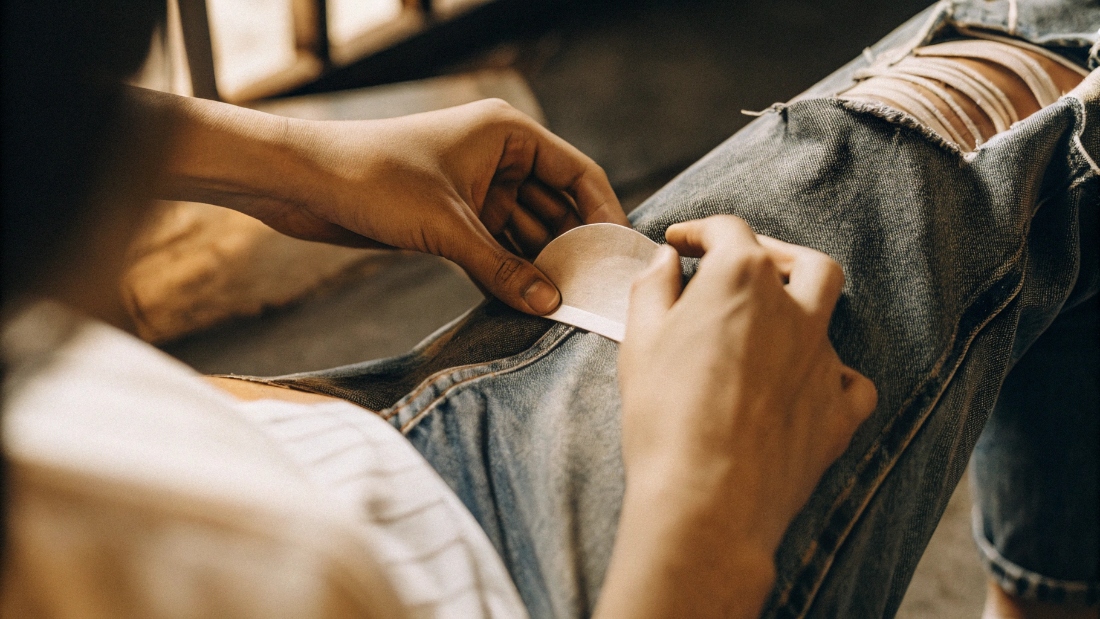
The key is to act early. Don't wait for the hole. The moment you see that the deep indigo color is fading to white and the fabric feels softer or looks fuzzy, that’s your signal. This is the fabric crying for help. By applying a patch to the inside, you are creating a sacrificial layer. This new layer will now take the brunt of the friction, protecting the original denim. It's like putting a screen protector on your phone; you do it to prevent damage, not to fix it. This single, proactive step can easily double the life of the crotch area. Also, try not to wear the same pair of jeans every single day. Giving the cotton fibers a day or two to rest and regain their shape can also help prolong their life.
Dive Deeper: Proactive Reinforcement and Care
Stopping wear before it starts is all about early detection and simple maintenance.
| Action | When to Do It | Why It Works |
|---|---|---|
| Inspect Regularly | After every few wears. | Look for thinning, fuzziness, or color loss in the high-friction thigh area. Early detection is crucial. |
| Apply Internal Patch | As soon as you spot wear. | The patch becomes the new wear surface, absorbing friction and shielding the original denim from further damage. |
| Rotate Your Jeans | Don't wear the same pair daily. | Cotton fibers need time to rest and decompress. Constant wear keeps them stretched and weakens them over time. |
| Wash Less & Hang Dry | Wash only when necessary. | Less washing means less agitation and friction. Always hang dry to avoid the fiber damage caused by high heat. |
Conclusion
Crotch wear is caused by friction and a tight fit. The best prevention is choosing a roomier style, but you can fix and prevent damage by reinforcing the area with patches before it's too late.