Skip to content

You see a pair of jeans with a three-figure price tag and wonder what could possibly justify it. Is it just for the label, or is there something more?
Designer denim is expensive due to a combination of superior raw materials like selvedge denim1, more complex and time-consuming construction and washing processes, and the significant costs of brand marketing and storytelling.
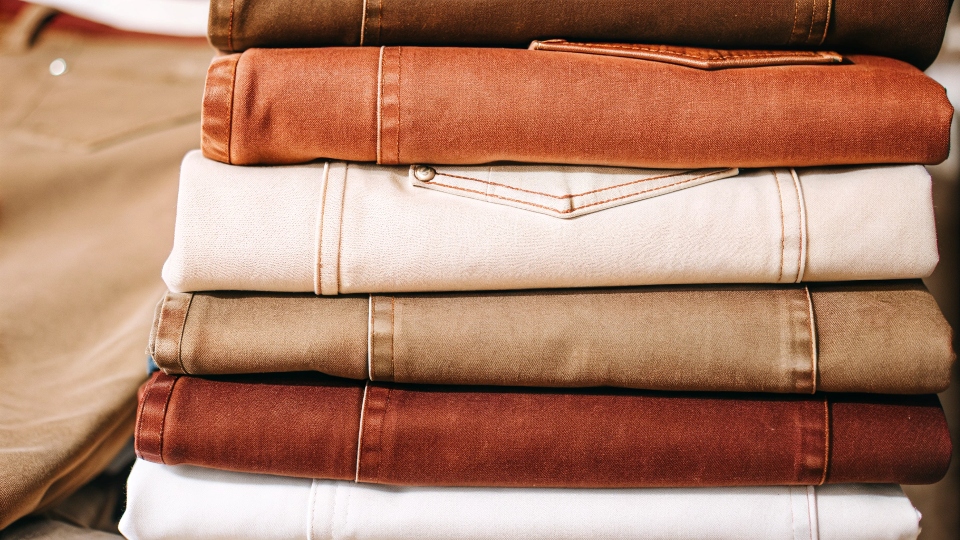
As someone who has run a denim factory for over 20 years, I see the difference firsthand. A pair of jeans isn't just fabric and thread; it's a series of decisions. Every choice, from the cotton farm to the type of rivet used, adds to the final cost.
While some of the price is definitely about the brand name on the back pocket, a lot of it is rooted in tangible things you can see and feel. Let's break down exactly what you're paying for when you buy a premium pair of jeans.
What Makes Designer Jeans Expensive?
You're comparing two pairs of jeans that look similar, but one costs ten times more. You want to know what hidden factors are driving up that price tag so dramatically.
The high price of designer jeans comes from three main areas: premium fabrics, meticulous construction with complex washes, and the intangible value built through branding, marketing, and retail presentation.
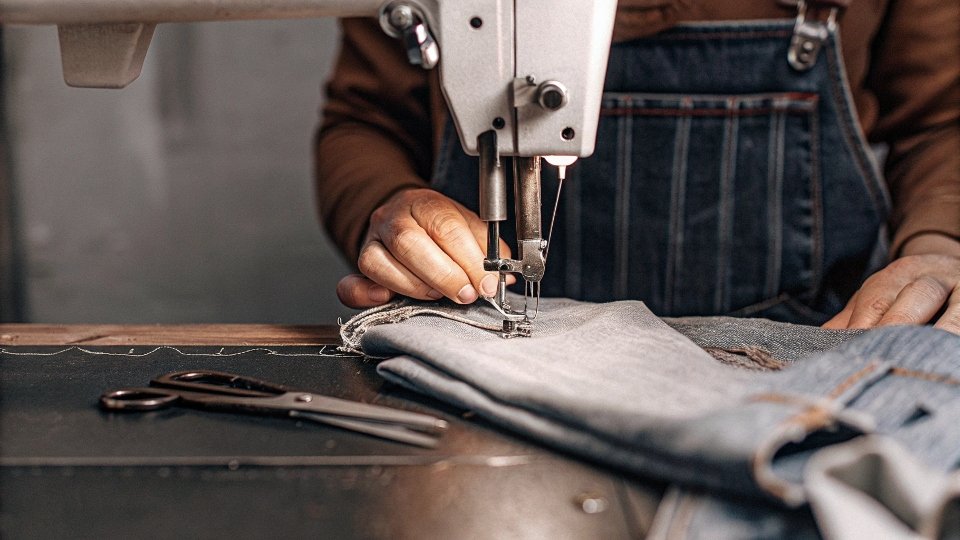
In my experience, the cost builds up at every single step. It's a story of small, expensive choices that lead to a premium product.
The Fabric: The Heart of the Jean
The starting point is the denim itself. Mass-market brands use open-end denim made in huge quantities to keep costs low.
Designer brands often source their fabric from renowned mills in Japan or Italy. They might use rare selvedge denim woven on old-school shuttle looms, which is slower to produce but results in a denser, more durable fabric with a signature self-finished edge.
They may also develop custom fabrics with unique weaves or dyes that don't exist anywhere else. This level of quality and exclusivity in the raw material is the first major cost factor.
The Construction and Finish: Where Skill Shows
Next comes the making of the jeans. A cheap pair is designed to be made as fast as possible. A designer pair is made to be perfect.
This means more a complex pattern, more stitches per inch, and specialized sewing techniques that require more skilled workers and more time. The washing process is another huge cost.
A simple rinse is quick and cheap. But a complex vintage wash2 with hand-sanding, whiskering, and targeted distressing can take hours of manual labor for a single pair.
As a factory owner, I can tell you that intricate washing is an art form, and that artistry costs money.
The Brand Story: Marketing and Perception
Finally, you’re paying for the brand. This includes everything from the design team's salary to expensive runway shows, glossy magazine ads, and prime retail locations in major cities.
A brand like Acne Studios built its reputation by creating a cool, minimalist identity and associating itself with art and culture. That brand image creates desire, and that desire allows them to charge a premium that goes far beyond the physical cost of the jeans.
What Is So Special About True Religion Jeans?
You see the distinctive thick stitching and horseshoe logo of True Religion jeans. They have a high price tag and a unique look. What makes this brand stand out?
True Religion jeans3 are special because of their revolutionary and instantly recognizable "Super T" stitch. This bold, five-needle thread process created a unique, high-fashion look that defined the premium denim boom of the 2000s.
[^4] on the back pocket](https://diznewjeans.com/wp-content/uploads/2025/09/true-religion-jeans-are-special-because-of-their.jpg "Iconic Stitching of True Religion Jeans")
True Religion didn't just make another pair of five-pocket jeans; they reimagined what denim could look like. Back in the early 2000s, most jeans had thin, discreet stitching. True Religion came in with a completely different philosophy.
The Signature Stitching
The most defining feature is their stitching. To create that thick, rope-like stitch, they had to modify their sewing machines. Standard machines couldn't handle the thick thread.
This innovation was a manufacturing challenge and a significant cost driver. Producing that stitch takes more time and skill than standard sewing, which is a major reason for their premium price.
It wasn't just a design choice; it was an engineering one that became their visual signature. People could spot a pair of True Religions from across the room.
A Symbol of an Era
Beyond the construction, True Religion became a cultural icon. They were synonymous with the Y2K celebrity-driven fashion scene. Their bold design, flashy pocket logos, and premium price point made them a status symbol. Owning a pair was a statement.
While fashion has evolved, the brand remains special because it perfectly captures the spirit of that time. They weren't just selling jeans; they were selling a very specific, confident, and luxurious identity.
What Is the Real Difference Between $30 Jeans and $300 Jeans?
You can buy a pair of jeans for the price of a few cups of coffee or for the price of a fancy dinner. What justifies that huge gap?
The primary difference between $30 and $300 jeans lies in the quality of the fabric, the complexity of construction and washing, the durability of the hardware, and the cost of branding and marketing.
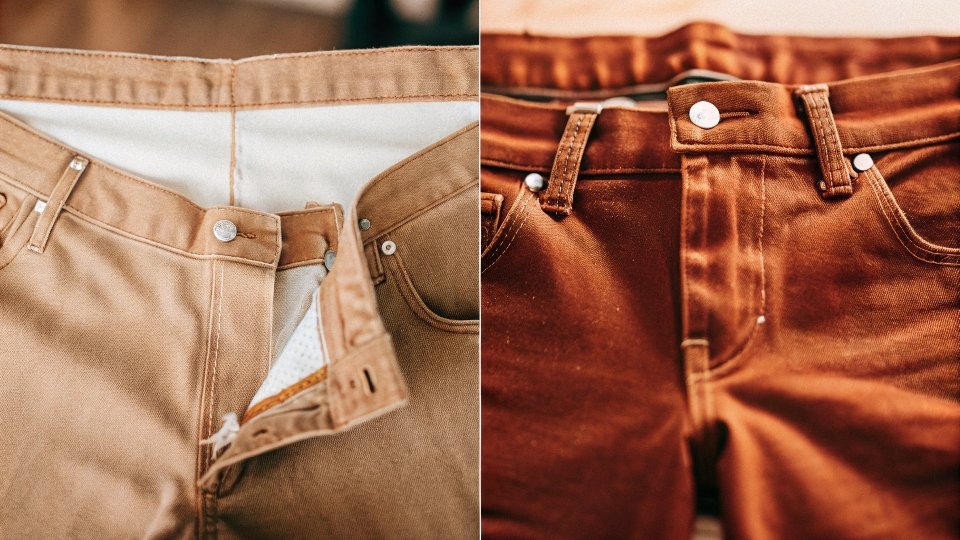
From my factory floor, I see these differences in every detail. A $30 pair is about efficiency and volume. A $300 pair is about quality and detail. While you can't always see the entire price difference, it's there in the materials and the labor. Here’s a simple breakdown of what changes as the price goes up.
| Feature | $30 Jeans | $300 Jeans |
|---|---|---|
| Fabric | Basic, open-end denim; thinner; often high in synthetics. | Premium selvedge or custom-milled denim; heavier; ages well. |
| Construction | Simple, fast stitching; fewer stitches per inch. | Complex seams; reinforced stitching like flat-felled seams. |
| Hardware | Generic, cheap metal alloy buttons and rivets. | Custom-branded, solid copper or steel hardware. |
| Wash/Finish | Simple, automated rinse or basic spray. | Complex, multi-step wash; often includes hand-finishing. |
| Fit/Pattern | Basic, generic pattern for mass appeal. | Meticulously designed pattern for a more sculpted, precise fit. |
| Lifespan | May lose shape and color after a few washes. | Designed to last for years, often improving with age. |
Essentially, with the $30 jean, the goal is to make a product that looks good on the shelf for a low price. With the $300 jean, the goal is to create a product that feels great, fits perfectly, and lasts for a very long time, all while carrying the prestige of its brand name.
Who Makes the Highest Quality Denim?
If you want the absolute best fabric for your jeans, price no object, where should you look? Who is making the gold standard of denim material in the world?
The highest quality denim fabric is widely considered to come from artisanal mills4 in Japan. These mills use vintage shuttle looms to produce selvedge denim with unmatched texture, durability, and indigo-dyeing5 character.
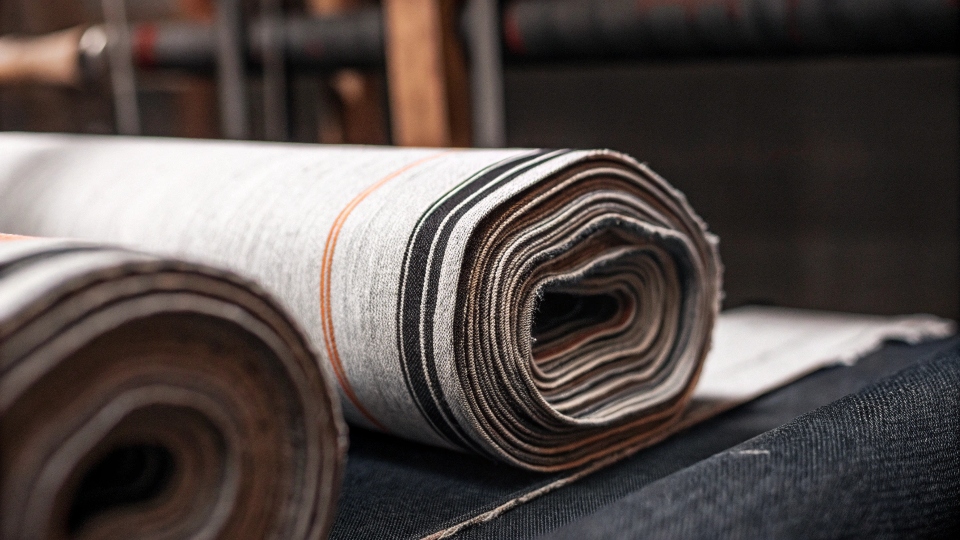
When designers and denim fanatics6 talk about the "best" denim, they aren't usually talking about a specific clothing brand. They are talking about the fabric mills that create the raw material. While many countries produce excellent denim, a few stand out as the undisputed leaders.
Japan: The Artisans of Denim
Japanese mills are legendary. After World War II, they bought old American shuttle looms and perfected the art of making vintage-style denim.
Mills like Kaihara, Kuroki, and Collect are famous for their deep indigo dyeing techniques and the incredible character of their "slubby" fabrics, which have an uneven, textured feel. They specialize in selvedge denim, which is coveted for its durability and the beautiful way it fades over time.
Italy: The Innovators
While Japan masters tradition, Italian mills like Candiani are known for innovation. They are masters of creating high-quality stretch denim that is comfortable without sacrificing a premium look. They are also pioneers in sustainable production methods, creating eco-friendly fabrics that are both beautiful and responsible.
USA: The Heritage
We can't forget the heritage of American denim. For over a century, the Cone Mills White Oak7 plant in North Carolina was the gold standard, supplying Levi's for decades. While the plant has closed, its legacy defines authentic American denim. Today, a few smaller mills carry on this tradition.
So, the "highest quality" isn't made by a single brand. It's made by a handful of legendary mills. The best jeans brands are the ones that know to source their fabric from these masters.
Conclusion
Designer denim's high price comes from better materials, detailed craftsmanship, and a powerful brand story. You are paying for both the tangible quality and the intangible identity of the jeans.
-
Explore the unique qualities of selvedge denim that make it a premium choice for jeans. ↩
-
Find out about the labor-intensive process of creating vintage washes for premium jeans. ↩
-
Explore the distinctive features and cultural significance of True Religion jeans. ↩
-
Learn about the craftsmanship and techniques used by artisanal mills to produce premium denim. ↩
-
Explore the traditional dyeing process that gives denim its iconic color and character. ↩
-
Explore the preferences and insights of denim enthusiasts when choosing jeans. ↩
-
Learn about the legacy of Cone Mills and its influence on denim manufacturing. ↩