Skip to content

You finally found jeans with the perfect wash and color. But after a few cycles in the laundry, you see faint white streaks and the rich color looks duller, ruining the look you loved.
Washing jeans inside out is crucial to protect the fabric's surface. It minimizes friction on the colored exterior, drastically reducing fading, and prevents metal buttons and zippers from scraping and damaging the denim during the wash.
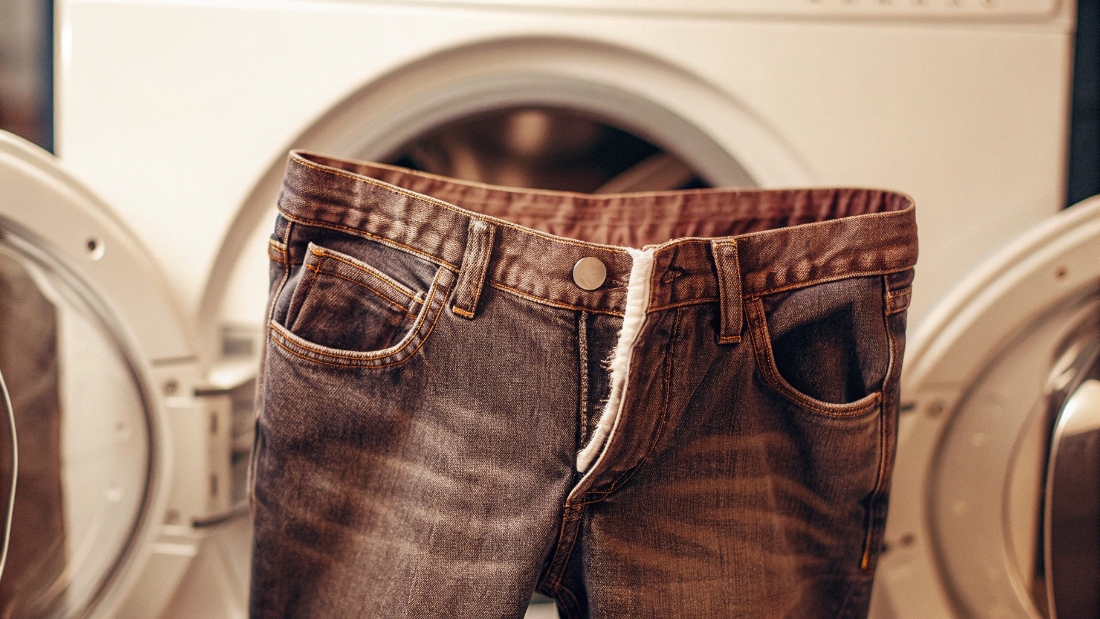
In my two decades of running a denim factory, I've learned that abrasion is both a tool and an enemy. We use controlled friction with stones and enzymes to create beautiful, faded designs. At home, that same friction is your enemy, and it's happening inside your washing machine. A washing machine is just a metal drum creating friction to get clothes clean. Turning your jeans inside out is the single best defense you have against this uncontrolled process. It's a simple step that preserves the hard work and design that went into your jeans.
Are you supposed to wash jeans inside out?
You've probably heard this advice before, but it might feel like an unnecessary step. Is this a genuine laundry hack or just an old myth that doesn't really make a difference?
Yes, you are absolutely supposed to wash jeans inside out. This isn't a myth; it's a fundamental rule of proper denim care that directly protects the color and texture of the fabric from the harsh washing process.
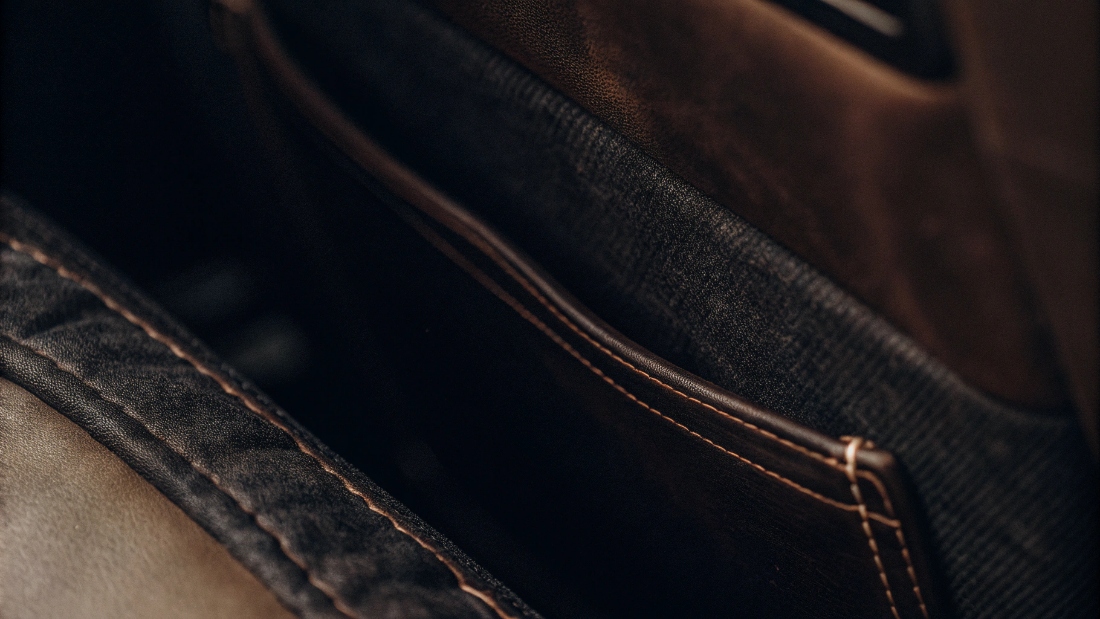
The reason this is so important comes down to how denim is dyed. Indigo dye, which gives blue jeans their iconic color, sits on the surface of the cotton yarns. It doesn't penetrate all the way to the core. This is why jeans fade in the first place—the dye is designed to be rubbed off over time. When you wash jeans right-side out, the colored surface is directly exposed to the tumbling action of the machine and friction from other clothes. By turning them inside out, you make the tougher, undyed interior of the jeans take all that abuse, saving the delicate, color-rich exterior.
Dive Deeper: The Science of Denim Care
This simple action has a direct impact on the two most important aspects of your jeans' appearance.
| Protected Element | The Problem Without Protection | The Inside-Out Solution |
|---|---|---|
| Color (Indigo Dye) | The dye particles on the surface are scrubbed away by friction, causing rapid, uneven fading. | The durable interior fabric acts as a shield, absorbing the friction and preserving the dye on the outside. |
| Fabric Texture | The fabric surface can become fuzzy or pilled. Metal hardware can snag and abrade the cotton fibers. | The smooth exterior is protected from snagging. The metal hardware tumbles against the soft interior. |
What happens if you don't turn jeans inside out?
You're in a rush and just toss your jeans into the machine as-is. It's just one wash, what's the worst that could happen? The damage is more significant and happens faster than you might think.
If you don't wash jeans inside out, you will cause accelerated fading. You'll also see white streaks along the seams and fly, and the metal hardware can scrape the fabric, causing damage and premature wear.
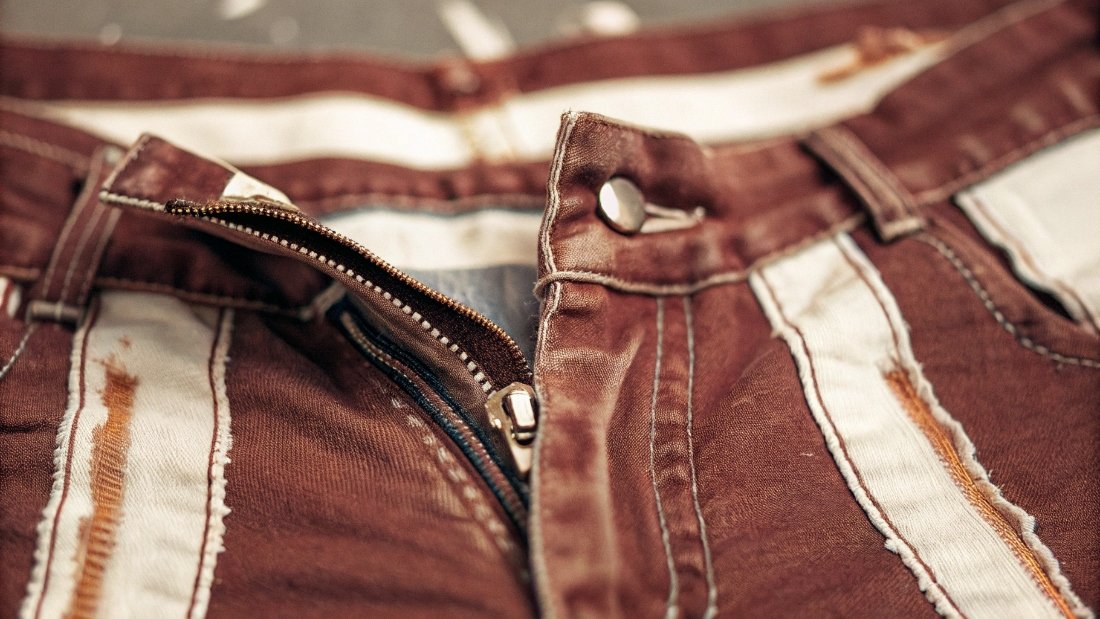
Think about the metal button on the waistband and the teeth of your zipper. When the jeans are tumbling in the wash, that hardware is like a handful of small stones. It constantly scrapes against the fabric of your jeans and any other clothes in the load. This is especially damaging along the thick seams of the fly, pockets, and hem, where it creates those ugly white lines. In our factory, we sometimes use this effect on purpose to create a vintage look, but it's a very controlled process. At home, it's just random damage that makes a quality garment look old and cheap before its time.
Dive Deeper: The Anatomy of Wash Damage
The damage from washing jeans right-side out manifests in several distinct ways.
- Color Bleeding: More of the surface dye is released into the wash water, which can stain lighter-colored items in the same load.
- Marbling: This is the term for those random white or light-colored streaks that appear, especially after a spin cycle. It happens when the fabric creases and the high points of the fold get abraded more intensely.
- Hardware Scuffing: The metal hardware itself can get scratched and lose its finish, while also causing pilling and fraying on the denim fabric.
- Pocket Bag Damage: The relatively thin cotton of the pocket bags can get snagged and torn by the exposed zippers and rivets of other garments.
Is it better to wash pants inside out?
Okay, the rule is clear for jeans. But what about all the other pants in your closet? Does this trick apply to chinos, corduroys, or dress pants, or is it just a denim-specific thing?
Yes, it is better to wash almost all types of pants inside out. This practice protects the color and texture of any fabric, from dark-colored chinos to soft corduroys, making it a universal rule for good laundry care.
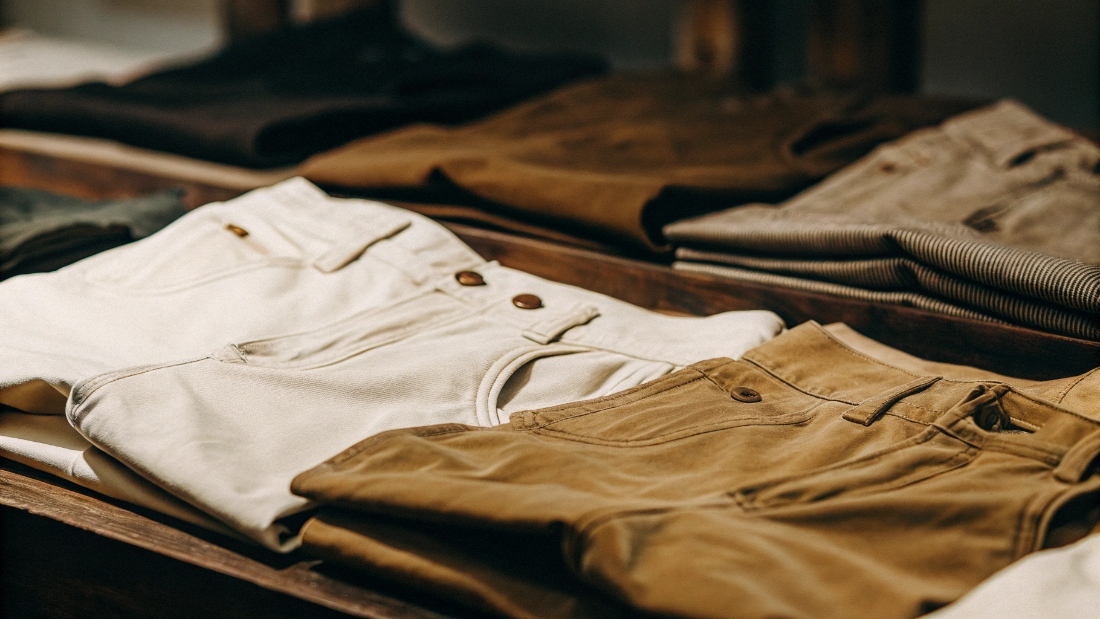
While it's most critical for denim because of the surface-level indigo dye, the benefits apply broadly. Any dark-colored fabric will hold its color longer if you reduce surface friction. Any fabric with a texture, like corduroy or twill, will be less likely to pill or look worn out. It's a simple, zero-cost habit that extends the life and appearance of your entire wardrobe. For a designer like Dean, who works with all sorts of fabrics, recommending this care instruction is a simple way to ensure his creations look good long after they leave the showroom. It's about preserving the integrity of the design, no matter the material.
Dive Deeper: Extending the Rule Beyond Denim
| Pant Type | Primary Benefit of Washing Inside Out | Why It Matters |
|---|---|---|
| Denim Jeans | Color Preservation | Prevents indigo dye from rubbing off the surface of the cotton yarns. |
| Dark Chinos/Twill | Fade Prevention | Protects the dye on any dark-colored garment from friction-based fading. |
| Corduroys | Texture Protection | Prevents the delicate wales (the fabric's ribs) from being flattened or getting fuzzy. |
| Printed/Patterned Pants | Print Integrity | Protects screen prints or patterns from cracking, peeling, or fading from abrasion. |
| Wool Trousers | Pilling Prevention | Reduces surface friction that can cause the wool fibers to ball up and form pills. |
Conclusion
Washing jeans inside out is the easiest, most effective way to protect their color and fabric from the harshness of the washing machine. It’s a simple step for long-lasting denim.