Skip to content

You have a killer new design, but factories demand a 1,000-piece order. High MOQs block creativity and drain your cash, stopping your brand before it even starts.
To negotiate a lower MOQ1, propose a trial order, offer to pay a surcharge, or combine styles. The best strategy is to find a flexible factory that supports smaller, test-based production runs.
I've talked to hundreds of designers like you. They feel trapped by the industry standard MOQ of 500 or 1,000 pieces.
It's an old model that stifles innovation. That is why at DiZNEW, we built our factory differently. We support test orders as low as 30 pieces. Let's explore how you can approach this conversation with any factory.
How Can I Request a Lower MOQ for My Initial Test Design?
You want to test your new design in the market. But a huge upfront order feels like a massive gamble. A failed test could be a financial disaster for you.
Propose it as a paid 'development sample2' or a 'trial run.' Offer to cover a surcharge for the small batch. This shows you are serious and value the factory's setup costs.
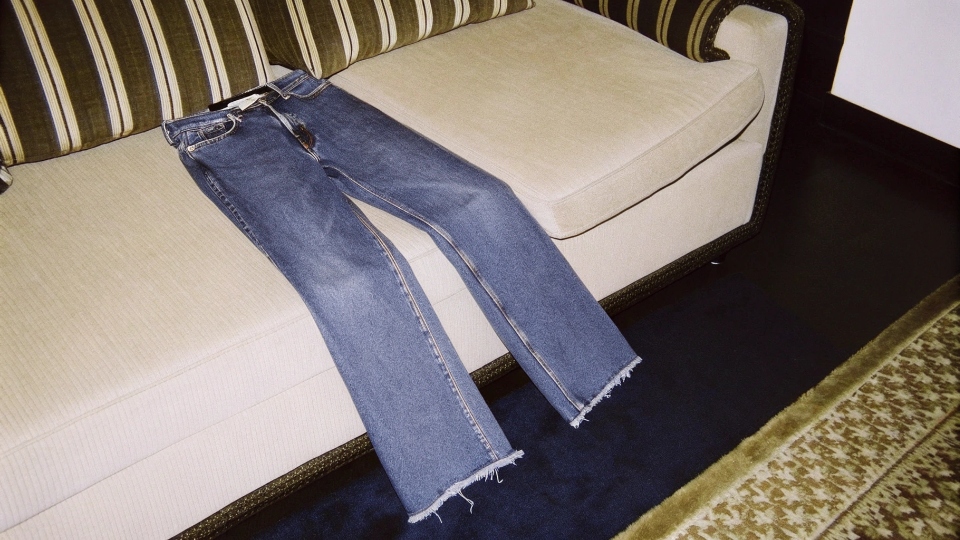
Big factories are not set up for small orders. Their entire workflow is built for volume. Setup costs for cutting patterns3, mixing wash chemicals4, and configuring sewing lines are the same for 50 pairs as they are for 500.
So, a small order is not profitable for them. You need to change their perspective from a one-time low-profit order to the beginning of a long-term partnership.
Frame It as a Partnership
Present the small order as the first step in a bigger plan. Don't just ask, "Can you make 50 pairs?" Instead, say, "I want to start our partnership with a 50-piece test run.
If it sells well, our next order will be 500 pieces." Share your business plan and sales forecast. This shows them the future value.
Offer to Pay a Premium
Acknowledge their higher cost for a small run. Offer to pay a surcharge of 10-20% on the per-unit price. This shows respect for their business and makes the small order financially viable for them.
It's a small price to pay to avoid being stuck with hundreds of pairs that don't sell. At DiZNEW, we eliminated this entire negotiation. Our system is built for small test runs, like our 30-piece starting MOQ, without penalties.
What Volume Breaks Reduce My Per-unit Cost?
You know ordering more should cost less per piece. But factories are vague about their price tiers. You feel like you're leaving money on the table without clear numbers.
Ask for a tiered pricing chart5. Typically, significant price drops occur at key fabric and production efficiency levels, like 300, 500, and 1,000 pieces. Get these numbers in writing before you place your order.
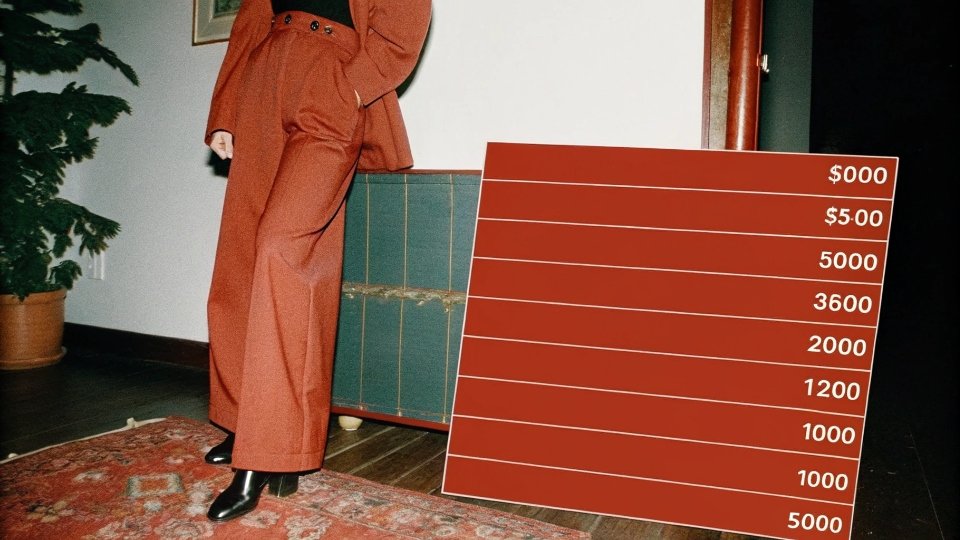
The per-unit cost of your jeans is directly tied to manufacturing efficiency. The more you make, the cheaper it gets. This is not arbitrary; it is based on specific operational factors.
The biggest factor is fabric. Denim mills have high MOQs. Buying enough fabric for 300+ pairs allows us to purchase a full dye lot at a wholesale price. Below that, we are often buying at a higher cost.
Other factors include cutting efficiency—cutting 500 pairs' worth of fabric at once is much faster per unit than cutting 50. The same goes for the washing process.
A washing machine can handle a certain capacity, and running a full load is always more cost-effective. A transparent factory partner should provide you with a clear pricing table so you can make an informed decision.
Sample Pricing Tiers
| Order Quantity | Per-Unit Cost (Example) | Reason for Discount |
|---|---|---|
| 30-299 pcs | $20.00 | Higher setup cost per unit, fabric bought at premium. |
| 300-499 pcs | $18.00 | Wholesale fabric purchase from mill is possible. |
| 500-999 pcs | $16.50 | Optimized cutting and sewing line efficiency. |
| 1000+ pcs | $15.00 | Maximum efficiency, bulk hardware discounts. |
Is Combining Multiple Styles Acceptable to Meet MOQ Requirements?
You have three great designs, but can't meet the MOQ for each one individually. You're forced to choose just one, limiting your collection's diversity and potential sales.
Yes, but only if the styles share key elements. Combining styles with the same fabric, wash, and thread color is often acceptable. This allows the factory to treat it as one larger, more efficient production run.
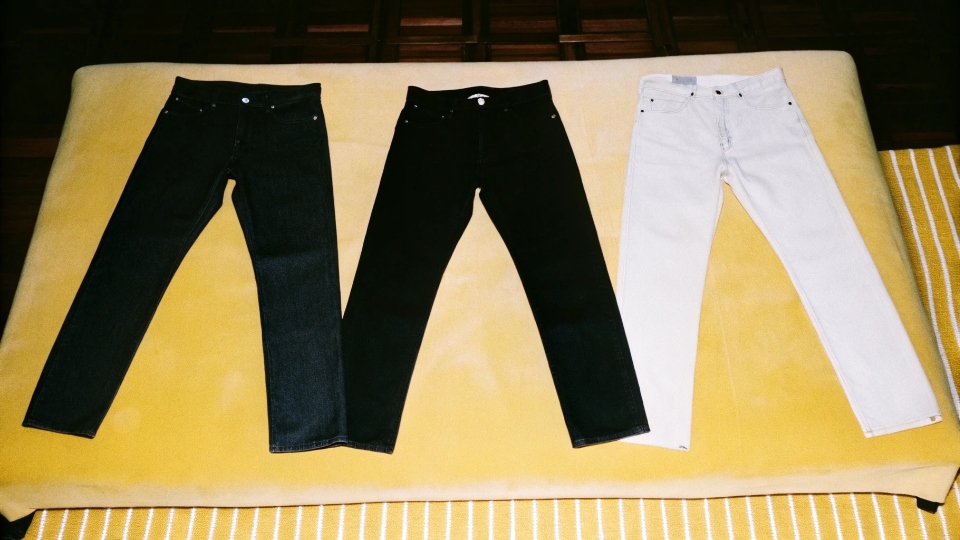
This is a very smart strategy, but it only works if you understand the factory's process. The goal is to make the different styles seem like one single order from our perspective.
The most important factor is the fabric. If you use the exact same denim for all styles, we can order and cut the material in one large batch.
This is a huge efficiency gain for us. The second factor is the wash. If all styles get the same wash recipe, we can process them together in the laundry.
What Can Be Shared vs. What Can Be Different
- Must Be the Same: The fabric and the wash recipe. It also helps if the main thread color and primary hardware (like the zipper) are the same.
- Can Be Different: The fit or pattern (e.g., Slim, Straight, Bootcut), the pocket stitching design, and the branded leather patch or hangtag.
For example, you can order 150 pairs of a slim fit and 150 pairs of a straight fit to meet a 300-piece MOQ. This works perfectly as long as they all use the same dark indigo denim and get the same vintage stone wash.
How Do Seasonal Demand Fluctuations Affect MOQ Flexibility?
You're ready to order during the busiest season. Suddenly, factories are less flexible and an already high MOQ becomes completely non-negotiable. You risk missing your market window.
Factories are less flexible on MOQs during peak seasons when they are at full capacity. Conversely, you have the most negotiating power and will find more flexibility during the off-season months.
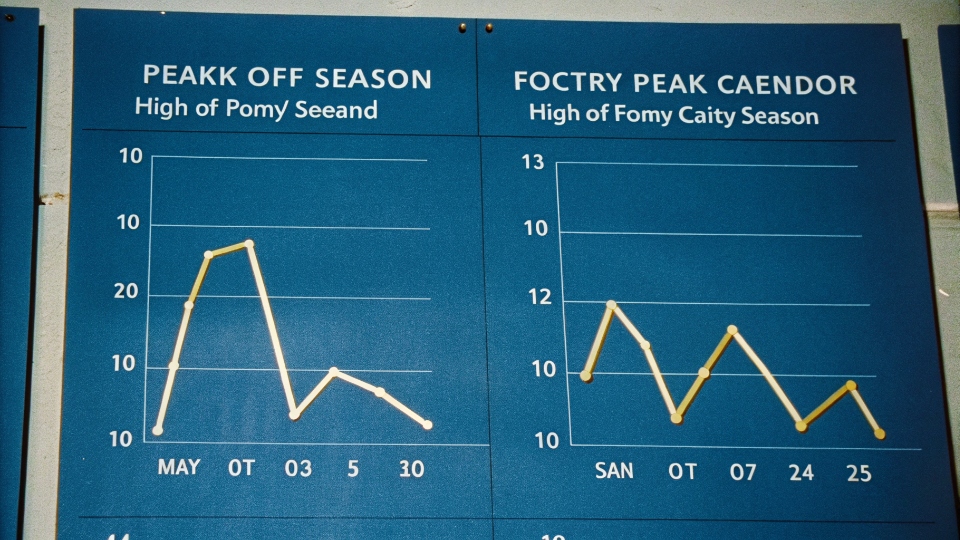
Like any industry, we have busy times and slow times. Understanding this calendar gives you a strategic advantage.
When a factory's production lines are completely full with big orders from major brands, they have no incentive to squeeze in a small, complex order.
It disrupts their workflow. However, during the slow periods, they are looking for work to keep their skilled workers busy.
The Denim Factory Calendar
- Peak Seasons (Less Flexible): August to November is the busiest time, as we produce for the holiday and fall seasons. March to May is also very busy for summer and back-to-school production. During these months, MOQs are usually firm.
- Off-Seasons (More Flexible): December to February is a slower period. It is post-holiday and includes our long break for Chinese New Year. June and July are also typically slower.
If you want to test a new design with a very low MOQ, plan to approach a factory in January or July. They will be much more receptive to your request.
Planning your product development cycle around these industry lulls is a smart tactic to get the flexibility you need from a potential manufacturing partner.
Conclusion
Negotiating MOQs is about finding the right partner. A flexible factory6 helps you test ideas, manage cash flow, and grow your brand with less risk.
-
Understanding how to negotiate a lower MOQ can help you launch your designs without financial strain. ↩
-
A development sample can help you showcase your designs while minimizing upfront costs. ↩
-
Learning about cutting patterns can help you understand production efficiency. ↩
-
Understanding wash chemicals can help you make informed decisions about your designs. ↩
-
A tiered pricing chart provides clarity on how order size impacts costs. ↩
-
A flexible factory can support your creative process and reduce financial risks. ↩