Skip to content

Your favorite jeans have stretched out and lost their perfect fit. You've tried a normal wash, but they just stretch out again after an hour of wear.
To permanently shrink jeans, wash them on the hottest setting your machine allows (60-90°C) without fabric softener. Immediately after, dry them completely on the highest heat setting in a tumble dryer. The combination of intense wet heat and dry heat will tighten the cotton fibers.
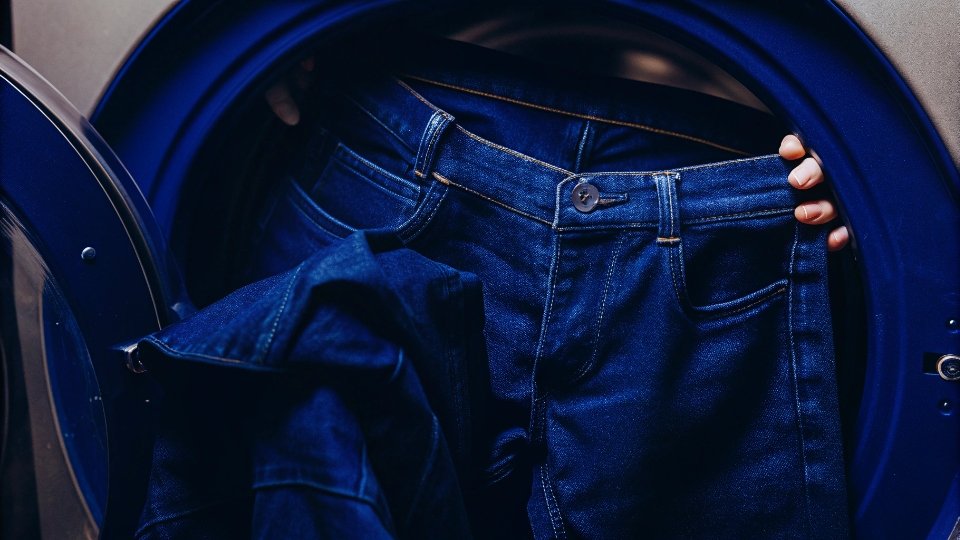
As a denim manufacturer, most of my job involves preventing shrinkage. We use a process called sanforization1 to pre-shrink the fabric so the jeans you buy are the size they stay. But the natural tendency of cotton to shrink when exposed to heat is a powerful tool you can use at home.
Designers like Dean are obsessed with getting the perfect fit, and sometimes that means making a final adjustment after the garment is made. Knowing how to control shrinkage is key. The trick is to apply heat aggressively and strategically to get the fit you want without damaging the garment.
How do you shrink jeans permanently?
You need a reliable way to shrink your jeans and make it last. You are tired of temporary fixes that loosen up after a single wear, leaving you with baggy jeans again.
The most effective method is a two-step heat shock2. First, wash the jeans inside-out on the hottest wash cycle (60°C or higher) with a mild detergent3. Then, immediately transfer them to a tumble dryer4 on the highest heat setting until they are completely dry.
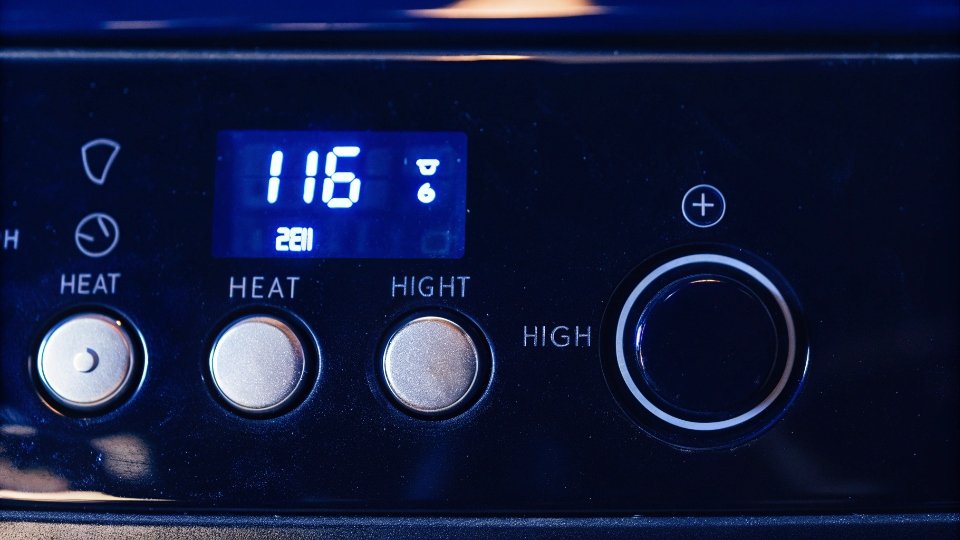
This process works by shocking the cotton fibers. Here's a deeper look at the method I recommend for getting a permanent result.
The Step-by-Step Process for Maximum Shrinkage
- Preparation: Start by turning your jeans inside out. This helps protect the color from fading too much during the abrasive, hot wash. If your jeans have a leather patch, you might consider removing it if possible, as very high heat can make it brittle.
- The Wash Cycle: Place the jeans in the washing machine by themselves. You don't want other clothes to interfere or get dye on them. Use a small amount of gentle detergent but absolutely no fabric softener5. Fabric softener coats the cotton fibers, making them slick and resistant to the tightening effect you want to achieve. Select the longest, hottest wash cycle available.
- The Drying Cycle: This step is just as important as the wash. As soon as the wash cycle finishes, move the jeans to the dryer. Do not let them cool down. Tumble dry them on the highest heat setting. The goal is to remove all the moisture while the fibers are contracted from the heat. Make sure they are 100% dry to lock in the shrinkage.
How to reduce the size of jeans permanently?
Your jeans fit well in the legs but are too loose in the waist. A full hot wash could shrink the length, which you want to avoid, creating an even bigger fit problem.
For targeted shrinking, use a spray bottle filled with a mix of three parts hot water and one part liquid fabric softener. Thoroughly spray the specific area, like the waistband, until it is damp. Then, tumble dry the jeans on high heat.
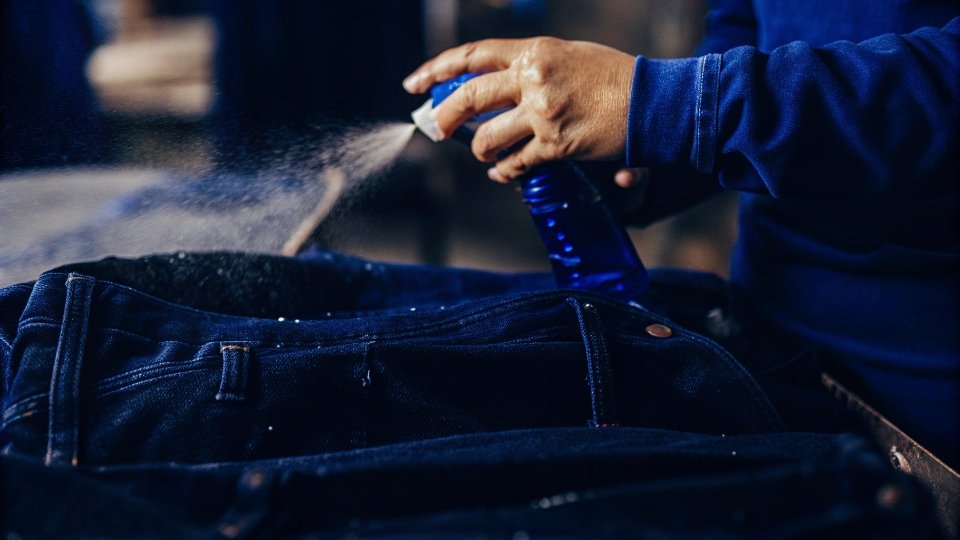
While a full wash and dry is great for overall shrinking, it's a blunt instrument.
If you need a more precise adjustment, you have two main options: spot-shrinking6 at home or professional tailoring. The spot-shrinking method is surprisingly effective for small adjustments in specific areas.
The fabric softener helps relax the cotton fibers7 just enough for the heat from the dryer to tighten them more effectively. However, it's important to understand the limits of this technique.
| Method | Best For | Expected Result | Risk Level |
|---|---|---|---|
| Heat Shrinking | Minor overall adjustments (e.g., after initial stretch). Tightening up by about half a size. | Up to 1-inch reduction in the waist of pre-shrunk denim. | Low to Medium (risk of minor fading or length change). |
| Spot Shrinking | Tightening a specific area like the waist or thighs without affecting length. | Focused tightening on the treated area. | Low (minimal risk if done carefully). |
| Tailoring | Significant size reduction (one full size or more), or complex fit adjustments. | Precise, professional results8. Perfect fit customized to your body. | Very Low (when done by a skilled tailor). |
As a manufacturer, I always advise that for expensive jeans where the fit is off by more than an inch, tailoring is the superior choice. It's the only way to guarantee a perfect result without risking the integrity of the fabric.
Will a 60 degree wash shrink jeans?
You are looking at your washing machine dial and see the 60°C (140°F) setting. You wonder if this temperature is high enough to actually make a difference on your sturdy denim.
Yes, a 60°C wash will effectively shrink most 100% cotton jeans. It is the ideal temperature for noticeable shrinkage without the extreme color loss and fabric stress that can come from a 90°C boil wash. For most store-bought jeans, this is your best setting.
The effectiveness of a 60°C wash depends entirely on one critical factor: whether your jeans were made from sanforized or unsanforized denim9.
- Sanforized (Pre-Shrunk) Denim: This is what over 99% of jeans on the market are made of, including everything we produce at DiZNEW for our clients. The fabric is pre-shrunk in the factory before the jeans are even cut and sewn. A 60°C wash on these jeans will typically shrink them by about 1-3%. This is perfect for tightening them up after they've stretched with wear, bringing them back to their original size or slightly smaller.
- Unsanforized ("Shrink-to-Fit") Denim: This is a raw, untreated denim beloved by enthusiasts. It is designed to be shrunk by the owner to create a custom fit. A 60°C wash10 is the first step in a process that can shrink these jeans by up to 10%.
So, for the vast majority of jeans, a 60°C cycle followed by a high-heat dry is the perfect formula. It's hot enough to force the fibers to contract but not so hot that it causes excessive damage.
How many sizes can jeans shrink?
You need to shrink your jeans by at least one full size. You are hoping the hot water method is a magic solution, but you need realistic expectations before you start.
Pre-shrunk jeans can realistically be shrunk by about half a clothing size. Unsanforized, or "shrink-to-fit11," raw denim is the only type that can shrink by one to two full sizes, which is a reduction of about 10% in the waist and length.
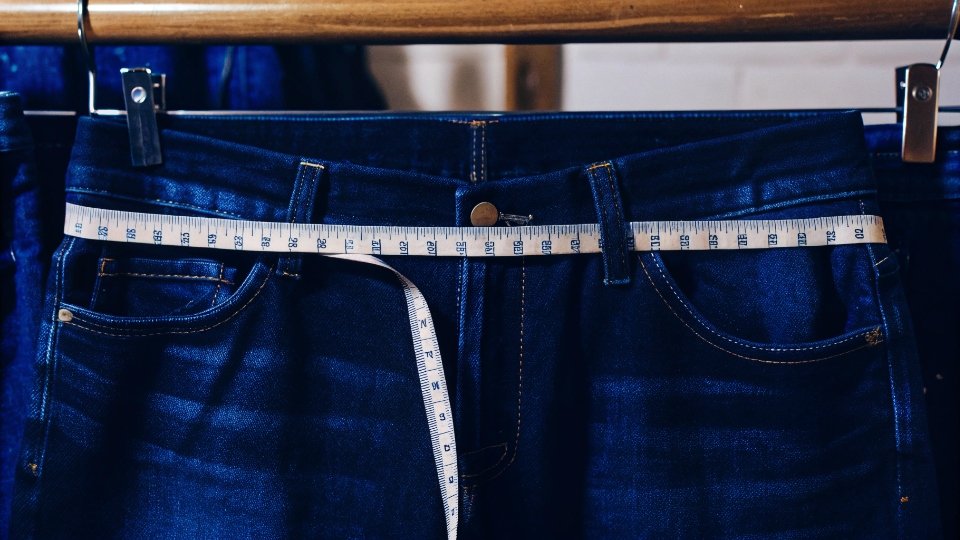
Let’s be very clear about what is possible. The marketing term "shrink-to-fit" can be misleading if applied to all jeans. The vast majority of denim is engineered to resist shrinkage.
Expecting to take a pair of size 34 standard jeans and turn them into a size 32 through washing is not realistic. The fibers simply do not have that much contraction left in them. You will get a tighter fit, but you will not change the labeled size.
| Jean Type | Fabric Treatment | Shrinkage Potential (Waist) | Shrinkage Potential (Length) | Realistic Size Change |
|---|---|---|---|---|
| Standard Jeans | Sanforized (Pre-shrunk) | 1-3% | 1-3% | Tightens fit, up to half a size smaller. |
| Raw "STF" Jeans | Unsanforized (Not shrunk) | Up to 10% | Up to 10% | One to two full sizes smaller. |
If your standard, pre-shrunk jeans are a full size too big, the simple truth is that you bought the wrong size. Shrinking can help you reclaim the fit after they've stretched, but it cannot fundamentally alter the garment's original dimensions. For that, you need a good tailor.
Conclusion
Shrinking jeans with heat is an effective way to tighten their fit. However, understand your denim type and set realistic goals. For major changes, professional tailoring is always the best option.
-
Discover the process of sanforization and how it prevents shrinkage in jeans, ensuring a perfect fit. ↩
-
Find out how the heat shock method can help you achieve the perfect fit for your jeans. ↩
-
Get insights on the best detergents to use for washing jeans to prevent damage and enhance shrinkage. ↩
-
Learn about the role of tumble drying in the shrinking process and how to do it effectively. ↩
-
Understand the impact of fabric softener on cotton fibers and how it can hinder the shrinking process. ↩
-
Explore the spot-shrinking technique for targeted adjustments in your jeans without affecting the entire garment. ↩
-
Understand the science behind cotton fibers and how heat affects their structure for better shrinkage. ↩
-
Find out how to achieve tailored results for your jeans through professional alterations. ↩
-
Learn about unsanforized denim and its unique properties that allow for significant shrinkage. ↩
-
Find out if washing your jeans at 60°C is the best method for achieving noticeable shrinkage. ↩
-
Understand the concept of shrink-to-fit denim and how it differs from standard jeans in terms of shrinkage. ↩