

You see the word "inseam" on every size tag and technical spec sheet. You know it relates to length, but getting it wrong can ruin a perfect design.
The inseam is the length of the seam running from the crotch point down the inside of the leg to the bottom of the hem. It is the single most important measurement for determining how a pair of jeans will break on a shoe.
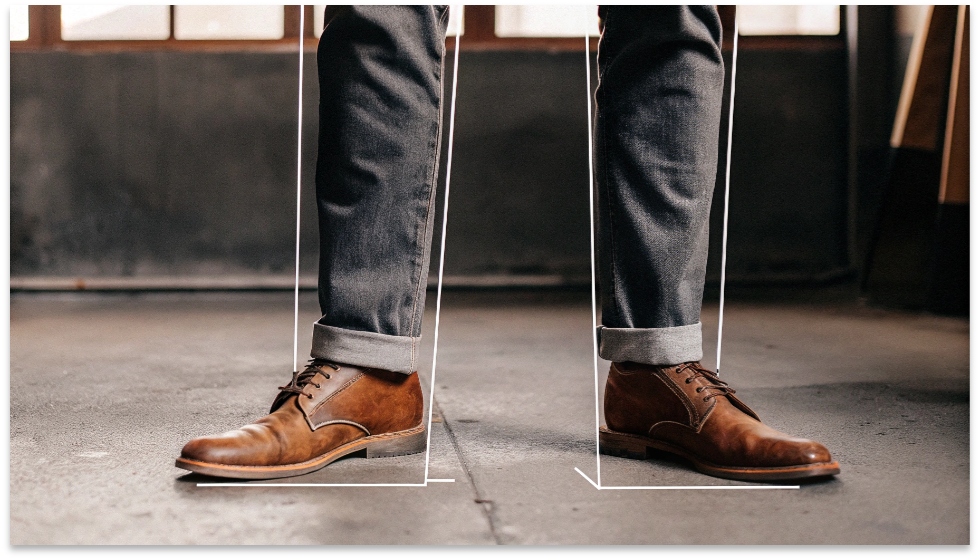
Dean, in my factory, the inseam measurement is non-negotiable. It's one of the first things we check on a tech pack and one of the last things we check during quality control.
A quarter of an inch difference can change the entire silhouette a designer like you intended.
While it seems like a simple line, that measurement tells a story about the style, the target customer, and how the final garment is meant to be worn. Let's break down what those numbers really mean.
What Height Is a 32 Inch Inseam?
You're designing for a "typical" customer, but what does that mean in numbers? You need to know if a 32-inch inseam will fit a 6-foot man or look like high-waters.
A 32-inch inseam is generally a good fit for men between 5'10" and 6'0" tall. However, this is just a starting point, as individual leg-to-torso proportions vary greatly.

As a designer, you have to think beyond just the customer's total height. Two men who are both 6'0" tall can have very different leg lengths. One might have a long torso and shorter legs, needing a 30" inseam, while the other might be all legs and need a 34" inseam.
The inseam is also about the intended style, which we call the "break"—how the cuff interacts with the shoe. A 32" inseam on a 5'11" man might produce a perfect "slight break."
On a 5'9" man, it could create a "full break" with stacking. It's your job to decide which look you're designing for.
How Inseam Creates the Break
| Break Style | Description | Target Look |
|---|---|---|
| No Break | Hem kisses the top of the shoe. | Modern, clean, slightly cropped. |
| Slight Break | Hem has one small fold or crease. | The classic, most versatile look. |
| Full Break | Hem has multiple deep folds. | Traditional, more casual, "stacking" effect. |
What Is a Standard Inseam for Jeans?
You're building a size run for a new collection. To manage inventory and production, you need a "standard" length to serve as your baseline regular size. But what is that magic number?
There is no single industry-wide standard, but the most common "Regular" inseam for men's jeans in the US and European markets is 32 inches. For women's jeans, the standard is more volatile and trend-dependent.

From a manufacturing standpoint, "standard" simply means "most produced." We make the most of what sells the most, and for men's pants, the 32-inch inseam fits the largest number of customers.
We then grade up to a 34" ("Long") and down to a 30" ("Short"). For women's jeans, it's far more complex. The rise of cropped and ankle-length styles means the "standard" can shift season by season. A few years ago, a 32" inseam was standard.
Today, for many brands, a 28" or 29" ankle-length might be their core product. When you send me a tech pack, Dean, you must define the standard for your brand, as it dictates our entire production grading strategy.
What Does 27 Inch Inseam Mean?
You're reviewing a competitor's spec sheet and see a "27-inch inseam." That sounds incredibly short. Is it a children's size, a typo, or a specific fashion choice?
A 27-inch inseam almost always signifies a women's cropped jean style. It's a deliberate design choice meant to make the hem hit several inches above the ankle, showcasing footwear like boots or heels.

This is a perfect example of how the inseam is no longer just about fit; it's a core component of the style itself. In modern design, the inseam measurement tells me, the manufacturer, what kind of jean you're trying to make.
A shorter inseam isn't a mistake; it's a directive. It tells my pattern makers that the leg opening needs to be just right, the taper has to be perfect, and the overall silhouette is meant to be contemporary and fashion-forward.
You would never pair a 27-inch inseam with a bootcut leg opening, for example. The inseam length sets the rules for the rest of the leg's geometry.
Is a 32 Leg Regular or Long?
The labels are a source of constant confusion for customers. Your brand calls a 32" inseam "Regular," but another calls it "Long." Which one is correct, and how do you avoid confusing your buyers?
It depends entirely on the gender and the brand. For most men's brands, a 32" leg is "Regular." For most women's brands, a 32" leg is considered "Long," with 30" being their "Regular."
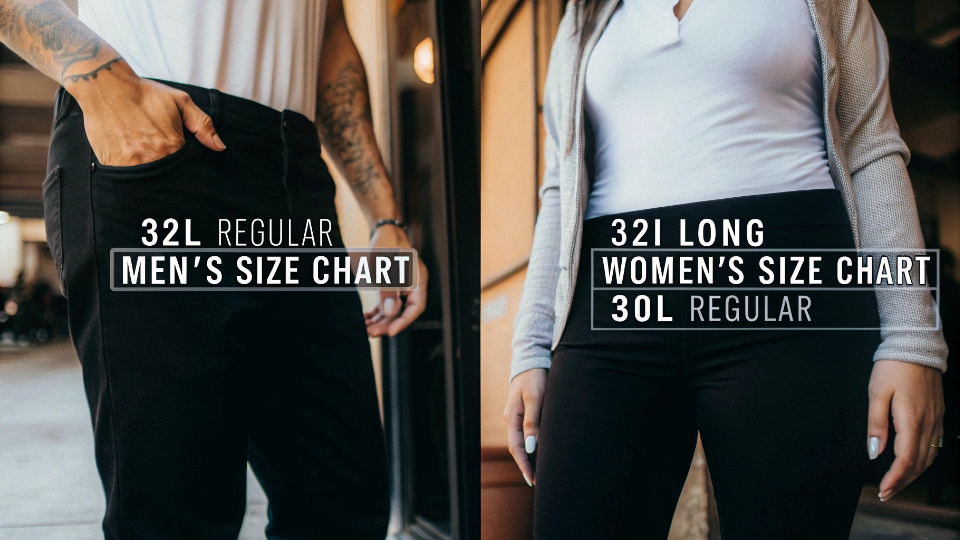
Dean, there is no governing body for this. It's a branding and marketing decision. The "correct" label is the one that is most clearly communicated to your target customer.
If you are a womenswear brand that caters to a taller demographic, you might decide to make 32" your "Regular" inseam. The key is consistency. As your manufacturing partner, my advice is to forget what other brands are doing.
Define your own sizing standard, create a crystal-clear size chart on your website, and stick to it. Clarity for your customer is far more important than conforming to a vague and inconsistent industry "standard."
Common Sizing Labels
| Inseam | Typical Men's Label | Typical Women's Label |
|---|---|---|
| 30" | Short (S) | Regular (R) |
| 32" | Regular (R) | Long (L) |
| 34" | Long (L) | Extra Long (XL) |
Conclusion
The inseam is more than a length; it dictates fit, style, and silhouette. Mastering this single measurement is a crucial step from a good design to a perfectly manufactured and wearable garment.