Skip to content

You've designed a perfect pair of raw denim jeans1, a canvas for the owner to personalize with wear. Then you hear a strange tip: to clean them, they should be frozen, not washed.
Putting jeans in the freezer is a popular myth. It temporarily neutralizes odor-causing bacteria but doesn't kill them or remove dirt. Its only real benefit is avoiding a machine wash, which helps preserve the original dark indigo color.
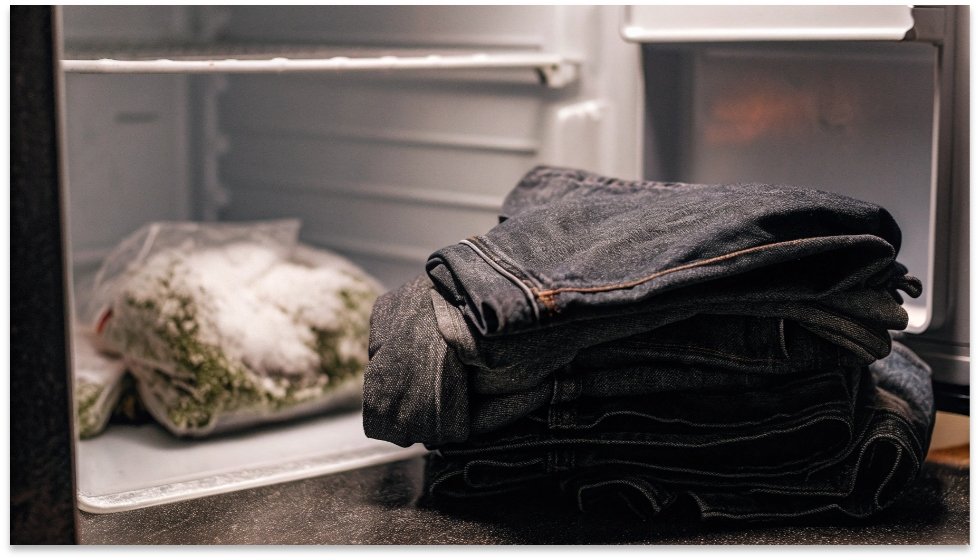
Dean, as someone who has spent over two decades perfecting the art of washing denim, this "freezer trick2" always makes me smile. It comes from a good place.
Denim enthusiasts, just like you, want to preserve the integrity of a raw, unwashed jean for as long as possible to achieve those high-contrast fades3. The fear is that a washing machine will strip away the indigo and ruin the process.
So, they looked for an alternative, and the freezer seemed like a clever hack. But in my factory, where we deal with real cleaning science every day, I can tell you that cold temperatures are no match for a proper wash when it comes to hygiene.
What Does Putting Your Jeans in the Freezer Do?
You hear denim purists swear by this method. You're skeptical but curious if there's any real science behind this unconventional cleaning technique. Is it a secret you should know?
Putting jeans in the freezer makes them cold. This temporarily deactivates odor-causing bacteria, making the jeans smell fresher for a short time. It does not kill the bacteria or remove the source of the odor.
Let's break down what's really happening on the fabric. Your jeans start to smell because bacteria are feeding on the sweat, skin cells, and oils you leave behind.
When you put the jeans in the freezer, the extreme cold forces these microscopic organisms into a dormant state. They stop feeding and multiplying, so the odor production stops. When you take the jeans out, they seem fresh. The problem is, as soon as the jeans warm up to body temperature from you wearing them again, those same bacteria wake up and the feast continues.
You haven't solved the problem; you've just pressed the pause button. It doesn't remove the grime that the bacteria live on. From a textile science perspective, it's a temporary fix at best.
Freezing vs. Washing: A Comparison
| Feature | Freezing Jeans | Washing Jeans |
|---|---|---|
| Bacteria Removal | Puts bacteria into a dormant state. Does not kill them. | Kills and washes away the vast majority of bacteria. |
| Dirt/Oil Removal | Does not remove any physical dirt, oils, or skin cells. | Removes the physical grime that bacteria feed on. |
| Odor Control | Temporarily stops odor production. The smell returns quickly. | Eliminates the source of the odor for long-lasting freshness. |
| Color Impact | Minimal to no indigo loss. Preserves raw state. | Can cause some indigo loss, especially in a machine. |
Why Do People Put Jeans in the Fridge?
The freezer makes some sense for the extreme cold. But the refrigerator4? You wonder if this is just a misunderstanding of the original freezer myth.
People put jeans in the fridge for the same reason they put them in the freezer, but it is even less effective. The cool temperature of a refrigerator is not cold enough to even make bacteria go dormant.
Honestly, Dean, this one is just the myth getting diluted. If freezing is like pressing a "pause" button on bacteria, putting jeans in the fridge is like pressing a "slow-motion" button.
A standard refrigerator is around 4°C (40°F). While this will slow down bacterial growth, it's nowhere near cold enough to stop it. Many types of bacteria can continue to thrive in those conditions.
So, you're not getting the temporary odor-stopping benefit of the freezer, and you're still not cleaning the jeans. In my world of denim finishing, we use precise temperatures—both hot and cold—to achieve specific effects.
A refrigerator's temperature doesn't do anything beneficial for the fabric or its hygiene. It's a completely ineffective step that just takes up space next to your leftovers. It's a classic case of people hearing about a trick and not quite getting the details right.
Why Do People Freeze Their Clothes?
You realize this isn't just about jeans. The idea of freezing clothes seems to be a broader "life hack5." What's the general belief driving people to put their garments in cold storage6?
People freeze their clothes, especially delicate or non-washable items like raw denim, under the mistaken belief that the cold will kill odor-causing bacteria7 and serve as a substitute for cleaning.
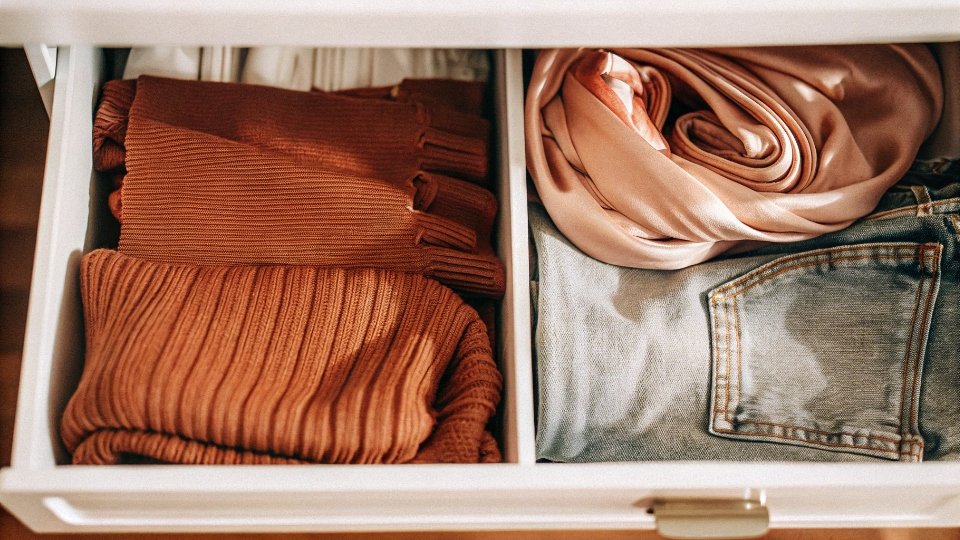
The logic extends from the denim world. People are looking for ways to refresh garments without subjecting them to the potential damage of washing. This could be a vintage piece with delicate fabric, a cashmere sweater they are afraid will shrink, or any item where they want to avoid water.
The core idea is always the same: kill germs with cold. The problem is that most household freezers don't get cold enough to reliably kill bacteria. To do that, you need a rapid drop to extremely low temperatures, something more akin to liquid nitrogen. A slow freeze in a home appliance just gives the bacteria time to adapt and go dormant.
So while the intention is good—preserving the garment—the method is based on flawed science. It's a trend born from a desire to extend the life of clothing, but it doesn't deliver on its primary promise of actually cleaning them.
Does Freezing Clothes Remove Odor?
This is the bottom line for the user experience. You've designed a beautiful garment; you don't want your client walking around in something that only looks clean.
No, freezing clothes does not permanently remove odor. It only temporarily deactivates the bacteria causing the smell. Once the clothing warms up, the bacteria become active again, and the odor returns.
This is the most critical point for anyone who cares about their clothes. Odor is a signal that something is happening on the fabric. Freezing masks that signal, but it doesn't eliminate the source. Think of it this way: if a car's "check engine" light is on, you can put a piece of tape over the light.
The light is gone, but the engine problem is still there. That's what freezing does to odor. The only way to truly remove the odor is to remove what's causing it: the bacteria and their food source (your sweat and skin). And the only way to do that effectively is with water and a mild detergent.
As a manufacturer, my goal is to create jeans that not only look good but are also hygienic and wearable. Proper washing is the only method that achieves both. The freezer is a shortcut that leads you right back where you started.
Conclusion
Freezing jeans is a myth for cleaning. It offers temporary odor relief and preserves color by avoiding a wash, but it doesn't kill bacteria or remove dirt. Proper washing remains essential.
-
Explore the unique characteristics of raw denim jeans and learn the best care practices to maintain their quality. ↩
-
Discover the truth behind the freezer trick and why it may not be the best method for cleaning your jeans. ↩
-
Understand the process of achieving high-contrast fades in denim and why it matters to denim lovers. ↩
-
Understand why putting jeans in the refrigerator is not an effective cleaning method. ↩
-
Explore popular life hacks for cleaning clothes and their effectiveness. ↩
-
Discover the reasons behind using cold storage for clothing and its effectiveness. ↩
-
Learn about the sources of odor in jeans and the best methods to eliminate it effectively. ↩