
For over a decade, skinny jeans1 were the undisputed king of denim. Now they’re collecting dust. You’re likely wondering how a style that defined a generation could become so controversial.
Skinny jeans became popular as a sleek, modern rebellion against the ill-fitting baggy clothes of the 90s and 2000s. Their rise mirrored the minimalist aesthetic of new technology like the iPhone and the indie music scene.
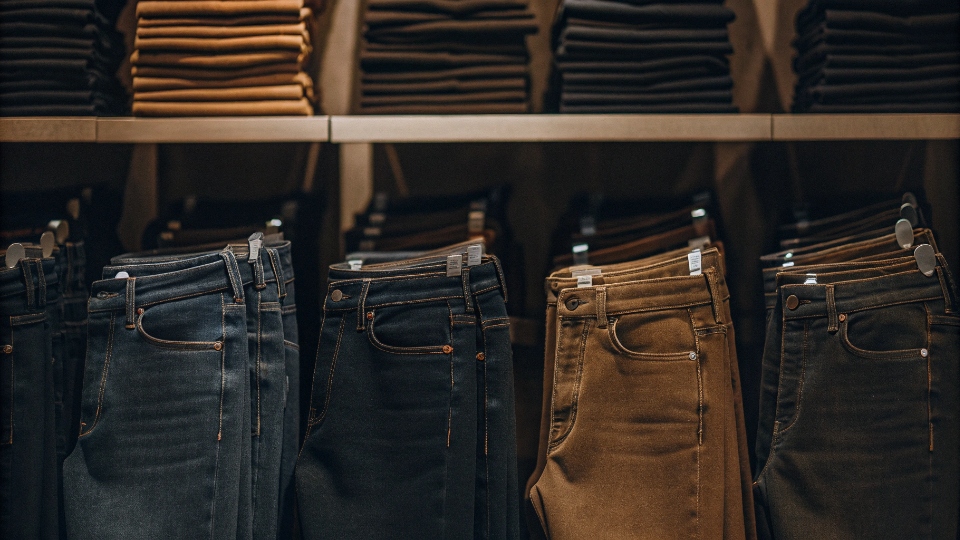
Dean, I remember the shift on my factory floor like it was yesterday. The demand for heavy, rigid denim suddenly stopped. All our clients started asking for fabric with Lycra, then more Lycra.
We went from making durable workwear silhouettes to something that stretched and clung to the body like a second skin. It was a complete technical revolution for us.
The skills required to wash and finish stretch denim are entirely different. This wasn't just a trend; it was a fundamental change in how we made and understood jeans, driven by a huge cultural shift.
Why Does Gen Z Not Like Skinny Jeans?
You see your classic skinny jean designs getting passed over by younger customers. It's a frustrating shift, especially when the style was a bestseller for so long.
Gen Z2 dislikes skinny jeans because they represent the "uncool" establishment fashion of the millennial generation. For them, skinny jeans feel restrictive and are associated with a polished, mainstream look they are actively rebelling against.
This is the classic fashion cycle3 in action. Every generation rejects the uniform of the one before it. For Gen Z, skinny jeans are their parents' or older siblings' clothes.
They associate them with a specific era—the 2010s, Instagram influencers, and a certain kind of millennial aesthetic that feels dated to them. The style's body-hugging nature also runs counter to the current emphasis on comfort and a more relaxed, gender-fluid approach to dressing.
From my perspective, we see this in the fabric orders. The demand for high-stretch denim4 has fallen dramatically, replaced by requests for 100% cotton and rigid fabrics that are used to create looser, more structured silhouettes. They don't want clothes that restrict them; they want clothes that give them freedom.
Why Does Gen Z Wear Baggy Jeans?
You're seeing a return to silhouettes you thought were left in the 90s. The shift to baggy seems like a complete reversal, and you need to understand the 'why' behind it.
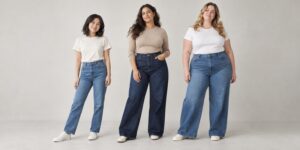
Gen Z wears baggy jeans for comfort, self-expression, and as a nostalgic nod to 90s and Y2K skate and hip-hop culture. The loose fit offers freedom of movement and a relaxed, anti-fit silhouette that rejects the body-consciousness of the skinny jean era.
The move toward baggy is a direct response to everything the skinny jean represented. Where skinny jeans were about showing off the body, baggy jeans5 are about creating a silhouette.
It's a different way of thinking about clothing. Your insight about growing up with ill-fitting clothes is key here, but in reverse. Gen Z grew up seeing skinny jeans as the only option, so anything else feels fresh and new.
This trend is fueled by platforms like TikTok, where 90s aesthetics are hugely popular. For us in manufacturing, this means going back to old techniques.
We're doing more heavy-duty constructions and classic washes on rigid denim. It’s a style that prioritizes a certain kind of cool detachment and comfort over the polished, body-centric look of the 2010s.
What Jeans Are Gen Z Wearing?
You need to update your collections, but the trend seems fragmented. If it's not skinny, then what exactly is the dominant style you should be designing right now?
Gen Z isn't wearing just one style of jean. They favor a diverse range of looser fits, primarily 90s-style straight-leg jeans, baggy skate jeans, wide-leg cuts, and low-rise bootcut jeans inspired by Y2K fashion.
The biggest difference between now and the 2010s is the death of the "one" jean. There isn't a single dominant silhouette like the skinny jean was.
Instead, different styles serve different subcultures and aesthetics. This is actually a great opportunity for a designer like you. It allows for more creativity and nuance. On my factory floor, we're producing a much wider variety of fits than ever before.
It's not about finding the one style to rule them all; it's about understanding the different tribes within the generation and designing the perfect jean for each of them. The key takeaway is that "looser" is the common thread, but the execution can vary widely.
Popular Gen Z Jean Styles
| Style Name | Description | Key Feature |
|---|---|---|
| '90s Straight-Leg | A high-waisted or mid-rise jean that is straight from the hip to the ankle. | The new "classic." Versatile and often made from rigid denim. |
| Baggy / Skate Jean | Very loose through the hip and thigh with a wide leg opening. Sits low on the hips. | Prioritizes comfort and a streetwear aesthetic. |
| Wide-Leg | Fitted at the waist and hips, then flares out dramatically. | Creates a bold, fashion-forward silhouette. Can be high or low rise. |
| Low-Rise Bootcut | A Y2K revival style that sits low on the hips with a subtle flare from the knee down. | A direct nod to early 2000s pop culture. |
When Did Skinny Jeans Become Outdated?
Trends don't die overnight. You're trying to pinpoint the exact moment the tide turned so you can better anticipate the next shift in the market.
Skinny jeans began to feel outdated around 2019-2020. The rise of TikTok and the stay-at-home comfort focus of the pandemic rapidly accelerated the shift toward looser, more relaxed denim fits among younger consumers.
While fashion critics had been predicting the end for years, the real shift in consumer behavior happened right around the turn of the decade. Before 2020, straight-leg jeans were gaining ground, but skinny jeans still held a huge market share.
The pandemic was the major catalyst. People were at home, prioritizing comfort above all else. Baggy sweatpants became the daily uniform, and when it was time to wear "real clothes" again, the restrictive feel of a skinny jean felt wrong. At the same time, TikTok6 exploded, becoming the main engine of youth culture.
The app's algorithm heavily favored 90s and Y2K aesthetics, which meant baggy jeans were suddenly everywhere. In the factory, our orders for skinny fits fell off a cliff in 2020, while requests for anything straight-leg or baggy skyrocketed. It was a swift and decisive change.
Conclusion
Skinny jeans rose as a reaction to 90s bagginess, defining the sleek 2010s. They became outdated as Gen Z rejected millennial culture, favoring the comfort and nostalgia of looser fits instead.
-
Explore the cultural shift that led to the decline of skinny jeans and understand the evolving fashion landscape. ↩
-
Learn about Gen Z's unique fashion preferences and how they differ from previous generations. ↩
-
Gain insights into the fashion cycle and how trends evolve over generations. ↩
-
Explore the characteristics of high-stretch denim and its appeal in contemporary clothing. ↩
-
Discover why baggy jeans are favored for comfort and self-expression, reflecting a significant fashion trend. ↩
-
Understand TikTok's role in shaping youth culture and its impact on fashion choices. ↩