
You love your jeans but do not know what is in them. This makes it hard to choose quality. Understanding the fabric is the secret to finding your perfect pair.
Traditionally, denim is a sturdy 100% cotton1 twill fabric. Today, it is often blended with elastane (spandex) for stretch. The unique look comes from weaving indigo-dyed warp threads with white weft threads, creating its signature diagonal pattern and fade potential.
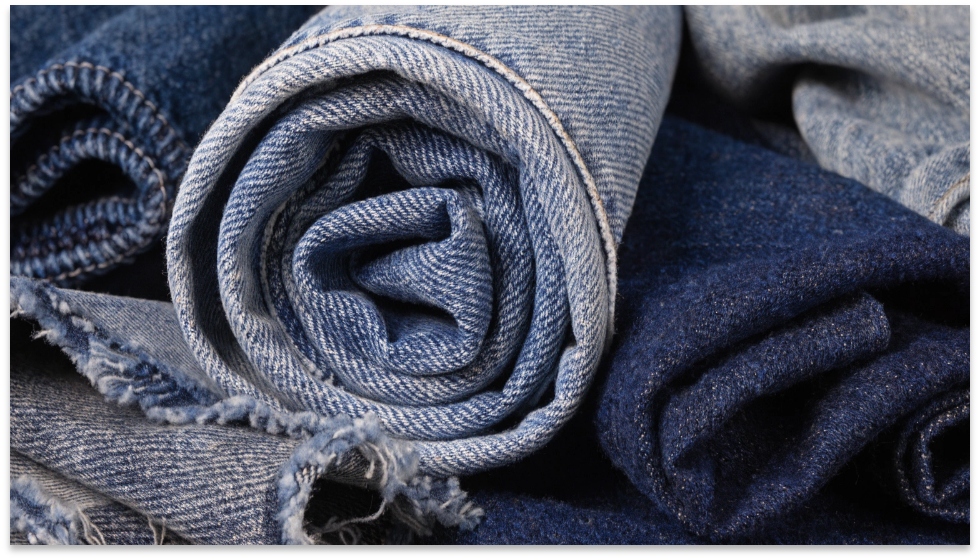
Denim seems simple, but it is a world of its own. I have spent my life working with this fabric, from raw cotton to the final wash. The material itself is where the magic starts.
Unlike other fabrics where you add color, denim is about subtraction. We take a dark, raw material and use washing techniques to remove color, creating the fades and styles we all love. Let's explore the most common types you will find today.
What types of fabric are used for jeans?
All jeans look similar on the rack. But some are stiff, some are soft, and some lose their shape after a few wears. This makes shopping confusing.
Denim is a cotton twill fabric. The main types are 100% cotton, stretch denim (with elastane), Tencel blends2, and raw denim. Each type offers a different feel, durability, and fit, from rigid and traditional to soft and flexible.
The fabric you choose directly impacts how your jeans will fit, feel, and age over time. At my factory, DiZNEW, we work with all of them, and each one has a specific purpose. A designer like Dean needs to know which fabric will bring his vision to life. Let's break down the most important ones.
The Foundation: 100% Cotton
This is the original denim fabric3. It can be a regular open-end denim or a premium selvedge denim4. Selvedge denim is woven on old-style shuttle looms, creating a clean, non-fraying edge. It is often heavier and more rigid at first. Both types of 100% cotton denim are incredibly durable and mold to your body over time, creating unique fades.
The Modern Standard: Stretch Denim
Today, most jeans contain a small amount of elastane (also known as Lycra or spandex). This adds comfort and helps the jeans keep their shape. A little stretch makes jeans easier to move in from the very first wear. Super skinny fits use a higher percentage of stretch, often blended with polyester, to provide maximum flexibility and prevent sagging.
Innovative and Eco-Friendly Blends
Fabrics like Tencel (Lyocell) are becoming more popular. Tencel is a plant-based fiber made in a closed-loop system, using less water and fewer chemicals than traditional cotton. It is incredibly soft. We often blend Tencel with cotton to create a denim that is both soft and strong.
| Fabric Type | Key Characteristic | Best For |
|---|---|---|
| 100% Cotton | Durable, molds to body | Traditionalists, unique fades |
| Stretch Denim | Comfortable, retains shape | Everyday wear, skinny fits |
| Tencel Blends | Ultra-soft, eco-friendly | Lightweight and comfortable styles |
| Raw Denim | Unwashed, stiff, deep color | Denim enthusiasts, personalization |
Is denim always 100% cotton?
You have heard that real denim is 100% cotton. But most jeans you find in stores have stretch. This makes you wonder what authentic denim really is.
No, modern denim is not always 100% cotton. While traditional denim is all cotton, most jeans today are a cotton blend. They include elastane (spandex) for stretch or other fibers like polyester, Tencel, or linen to change the fabric's feel and performance.
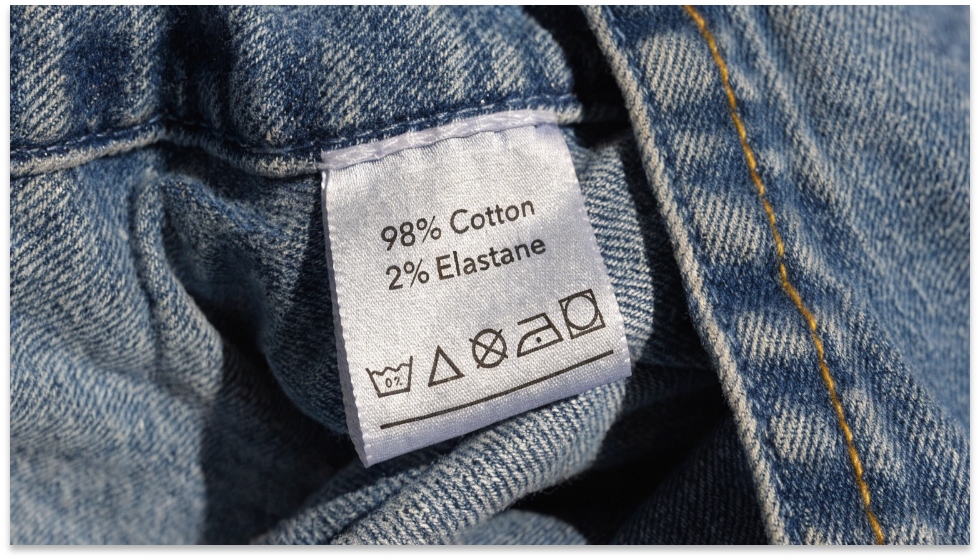
For over two decades, I have watched the definition of denim evolve. In the past, 100% cotton was the only option. It was tough, and you had to "break in" a new pair of jeans. Today, comfort is just as important as durability. That is why blends are so common.
A designer like Dean might choose a 100% cotton selvedge for a high-end heritage line. But for a mainstream collection, a 98% cotton and 2% elastane blend is the standard. It provides the classic denim look with the modern comfort customers expect. We classify denim in many ways at the factory.
Classifying Denim Fabric
| Classification | Examples |
|---|---|
| By Fiber | 100% Cotton, Cotton/Linen, Stretch, Tencel, Poly/Cotton |
| By Weave | Twill, Plain, Herringbone, Slub, Jacquard |
| By Stretch Level | No Stretch, Micro-Stretch, High Stretch, 4-Way Stretch |
| By Weight (Thickness) | 4.5oz (shirt), 9-14oz (jeans), 14.5oz+ (heavy winter) |
The "oz" number refers to the weight of a square yard of fabric. A 12oz denim is a solid, standard weight for a classic pair of jeans. A lightweight 8oz denim is better for summer. These classifications help us create the exact fabric needed for any style of jean.
What is the 2 finger rule for jeans?
You try on jeans and they feel tight in the waist. You wonder if they will stretch or if you need a bigger size. You need a simple way to check the fit.
The "2-finger rule5" is a quick test for waistband fit. If you can comfortably slide two fingers between your waist and the jeans' waistband, the fit is likely correct. It is a guideline, not a strict rule, as fabric stretch can affect the fit.
This rule is a classic fitting room trick. It helps you find a balance. The waistband should be snug enough to stay up without a belt, but not so tight that it is uncomfortable. However, as a denim expert, I have to add a major point. The fabric type matters.
For 100% cotton, non-stretch jeans, this rule is very reliable. That fabric will not give much. For stretch denim, the story is different. You might be able to fit three or even four fingers in the waistband because the fabric has so much give. In that case, you might even consider sizing down. The jeans will feel tight at first but will relax to a perfect fit after a few minutes of wear.
Applying the 2-Finger Rule
| Denim Type | How to Apply the Rule |
|---|---|
| 100% Cotton | If 2 fingers fit snugly, it's a good fit. |
| Stretch Denim | If 2 fingers fit, it may be too loose. Consider a snugger fit. |
Always walk around and sit down in the jeans before you make a final decision. The rule is just a starting point.
What jeans should you not wear after 40?
You read style articles that list rules for older women. They say to avoid certain jean styles. This makes you feel limited and unsure about what is "age-appropriate."
There are no jeans you "should not wear" after 40. The most important factor is fit, not style. A well-fitting pair of skinny, straight, or wide-leg jeans will look great at any age. Focus on quality fabric and a cut that makes you feel confident.
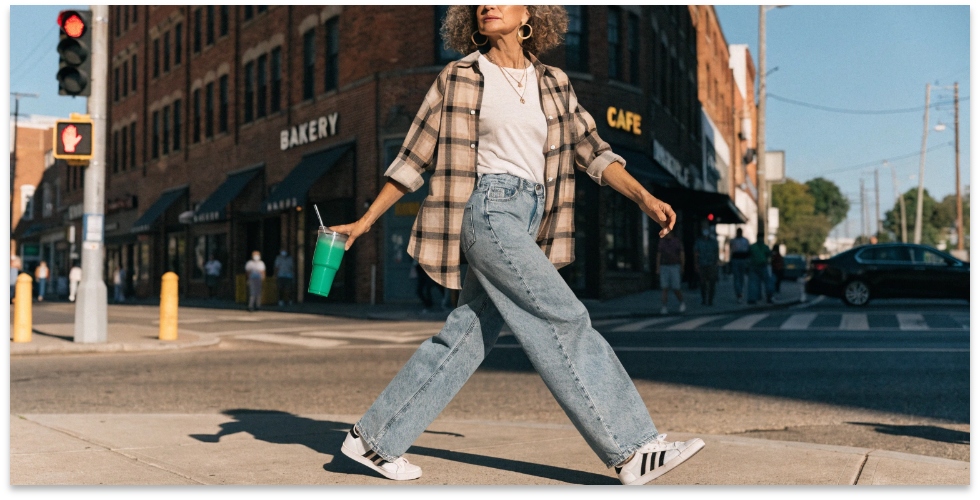
I have supplied jeans to brands that cater to every age group. The idea that certain styles are off-limits after a certain age is completely outdated. A poorly fitting pair of jeans will not look good on anyone, whether they are 20 or 60. What matters more is finding a cut that flatters your body shape and a fabric that you feel good in.
For example, a high-quality stretch denim can provide both structure and comfort, which many people appreciate as they get older. Instead of following arbitrary rules, I advise clients like Dean to focus on creating a perfect fit. A higher rise can be more comfortable and create a smoother silhouette.
A dark, even wash is versatile and always looks polished. The only "rule" is this: if you put on a pair of jeans and feel great, then those are the right jeans for you.
Conclusion
Denim is a complex fabric made from cotton or cotton blends. Understanding its type, weight, and stretch is the key to finding jeans that look and feel perfect for you.
-
Explore the advantages of 100% cotton denim for durability and unique fades. ↩
-
Discover the eco-friendly benefits of Tencel blends in denim production. ↩
-
Explore the various types of denim fabric to find the perfect fit for your style. ↩
-
Find out why selvedge denim is prized for its craftsmanship and durability. ↩
-
Learn how the 2-finger rule can help you find the right fit for your jeans. ↩