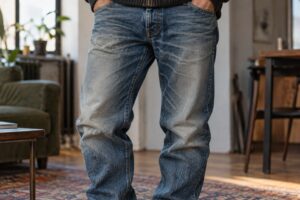

You pull your favorite jeans from the wash, and they are faded and feel tight. You worry you are destroying your denim with every wash cycle and shortening its life.
For almost all jeans, you should use cold water1 (30°C / 86°F or colder). Cold water is the best way to clean your jeans while protecting the indigo dye, preventing shrinkage, and preserving the elastic fibers found in stretch denim.
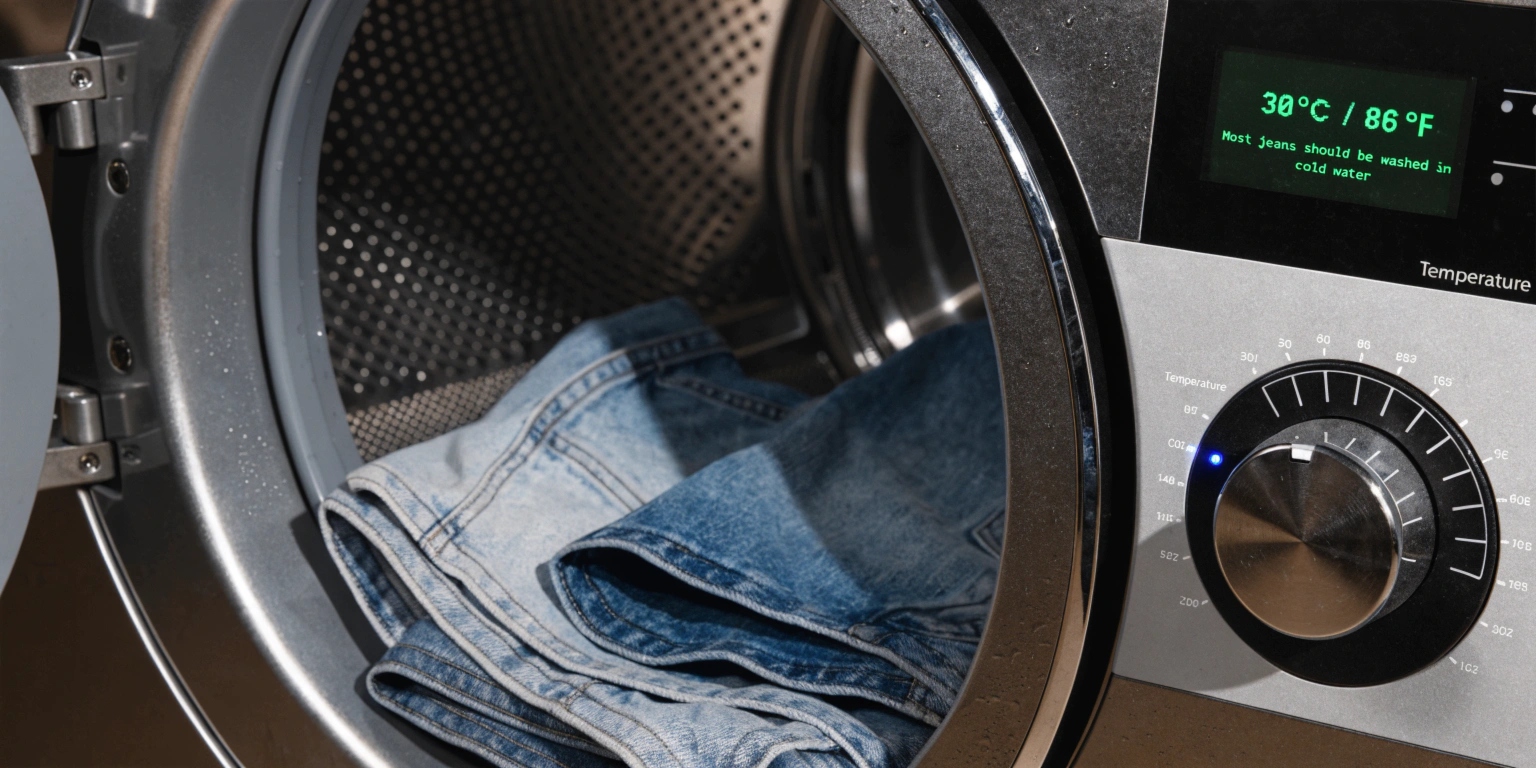
In my 20 years running the DiZNEW denim factory, the question I hear most is about washing. We spend months perfecting a wash in the factory, creating a specific look and feel. The wrong temperature at home can undo all that work. The truth is simple: heat is the enemy of most jeans. Let me guide you through the right way to wash your denim so it lasts for years.
Should You Wash Jeans in Hot or Cold Water?
You stand in front of your washing machine2, ready to wash your jeans. You see the hot and cold settings and wonder which is the right choice for your favorite pair.
You should always wash your jeans in cold water. Cold water protects the color and fit of the denim. Hot water should only be used in very rare cases for extremely dirty, heavy-duty work jeans3, as it will cause fading and shrinkage.
The choice between hot and cold is the most critical decision you will make on laundry day. Here is the breakdown from a manufacturer's perspective.
Why Cold Water is King
Denim gets its classic blue color from indigo dye. Unlike other dyes, indigo does not fully penetrate the cotton fibers. It mostly sits on the surface. This is why jeans fade so beautifully. Hot water agitates these dye particles and causes them to wash away much faster, leading to rapid color loss.
Cold water is much gentler, keeping the color locked in for longer. Furthermore, most modern jeans have some stretch in them (elastane). Heat damages these elastic fibers, causing them to become brittle and lose their ability to snap back. A cold wash preserves the stretch and the fit you love.
When to Even Consider Hot Water
There is really only one scenario where I would ever recommend hot water. If you have a pair of heavy, 100% cotton work jeans that are covered in grease, oil, or thick mud, hot water can help. The heat is more effective at breaking down heavy grime and killing bacteria.
But you must accept the consequences. The jeans will fade significantly, and they will likely shrink. It is a trade-off: you get a deeper clean at the cost of the jeans' original look and fit. For 99% of jeans and 99% of situations, cold water is the correct and only choice.
Will Jeans Shrink at 30 Degrees Celsius?
You're worried about your jeans shrinking and becoming too tight. You have chosen a 30°C (86°F) wash setting, but you are still nervous that they will come out a size smaller.
No, your jeans will not experience significant shrinkage in a 30°C wash. This temperature is considered a cold wash. Major shrinkage4 is caused by high heat, almost always from a hot tumble dryer, not from a cool wash cycle.
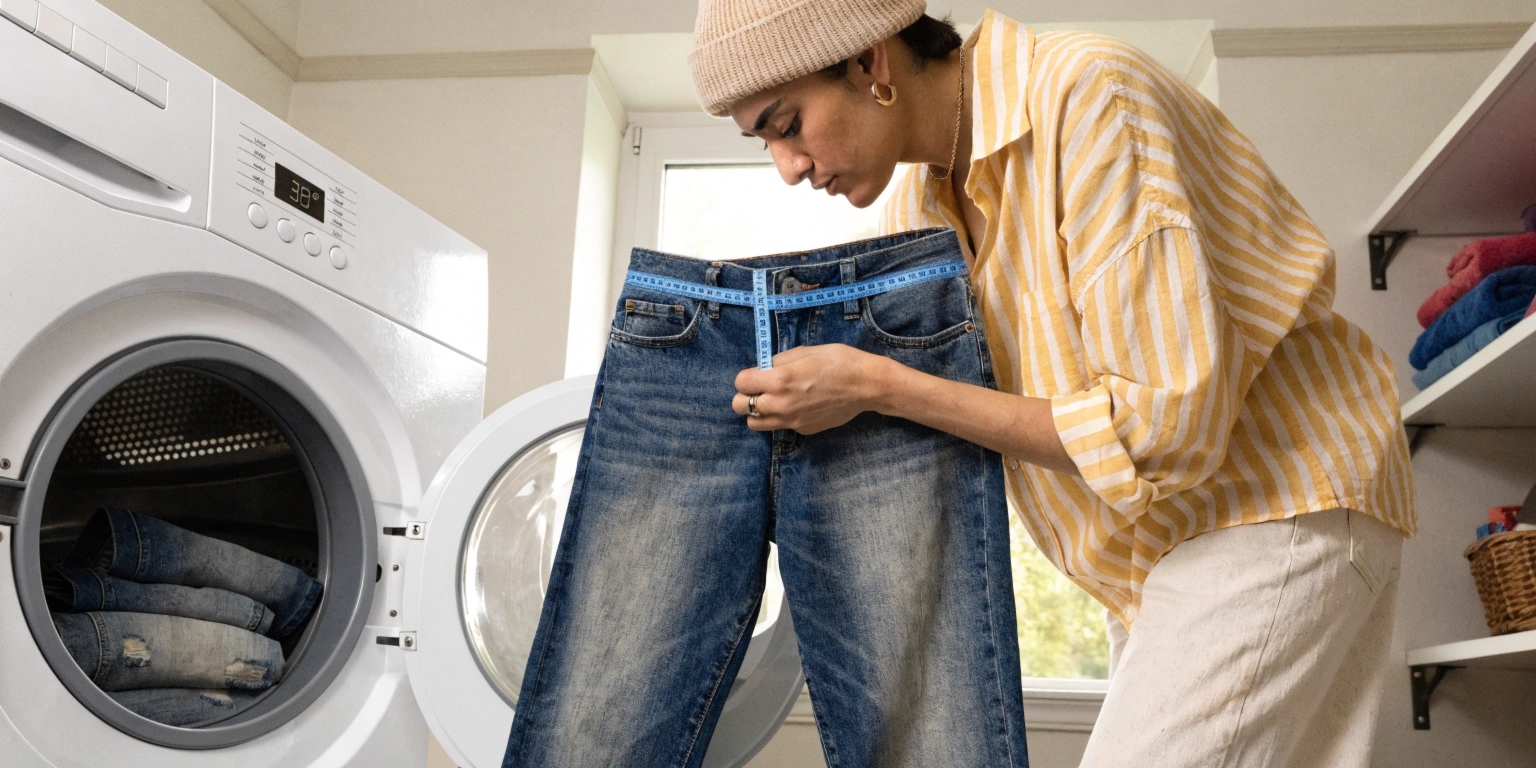
This is a fear I see all the time. People think any water will shrink their jeans. The real enemy of your jeans' fit is not the wash, but the dryer5. Let's look at the science. Cotton fibers are put under a lot of tension during the weaving and finishing process at the factory. When you apply high heat and moisture, this tension is released, and the fibers relax back to a more natural state. This is what we call shrinkage.
A 30°C wash is simply not hot enough to cause a dramatic release of this tension. The real damage happens in a hot tumble dryer. The combination of high heat and the constant tumbling action is what forces the fibers to contract significantly.
In my factory, we use a process called "sanforization6" on most denim. This is a mechanical process that pre-shrinks the fabric before it is even cut and sewn. A sanforized pair of jeans will only shrink about 1-3% over its lifetime, which is barely noticeable.
So, if you wash your jeans at 30°C and then hang them to dry, you will see almost no shrinkage at all. They might feel a bit tighter at first, but they will relax back to their normal size after an hour of wear.
How Should You Wash Vintage Levi's?
You have found an incredible pair of vintage Levi's with the perfect natural fade. They are a piece of history, and you are terrified of destroying them in the wash.
Wash vintage Levi's7 as little as possible. When you must, turn them inside out and wash them by hand in a tub of cold water with a gentle detergent. If you use a machine, select the gentlest cycle. Always hang them to dry.
Handling vintage denim requires a mindset of preservation, not just cleaning. These garments are often decades old, and the cotton fibers can be fragile. I have seen vintage collectors who go years without washing their prized pairs. When you do need to wash them, you must be extremely careful.
First, check the jeans for any weak spots, small holes, or failing stitches, especially around the pockets and crotch. It is better to repair these by hand before washing, as the agitation can make them much worse. The safest method is hand washing. Fill a bathtub with a few inches of cold water and a small amount of a very gentle, pH-neutral soap.
Turn the jeans inside out and submerge them. Let them soak for 30-45 minutes. Gently swish them around, but do not scrub or wring them. Drain the tub, rinse with cool water, and gently press the excess water out.
Never, ever put vintage denim in a dryer. The heat will make the cotton fibers brittle. Carefully hang them by the waistband and let them air dry completely, away from direct sunlight. This gentle process will clean them without stripping away their character or causing damage.
How Should You Care for Madewell Jeans?
You love your Madewell jeans because they fit perfectly and are so comfortable. You want to make sure they keep that amazing shape and do not get baggy.
Care for Madewell jeans by protecting their stretch fibers. Wash them inside out in cold water on a gentle cycle, and only when necessary. The most important rule is to never put them in a hot dryer. Always hang them to dry.
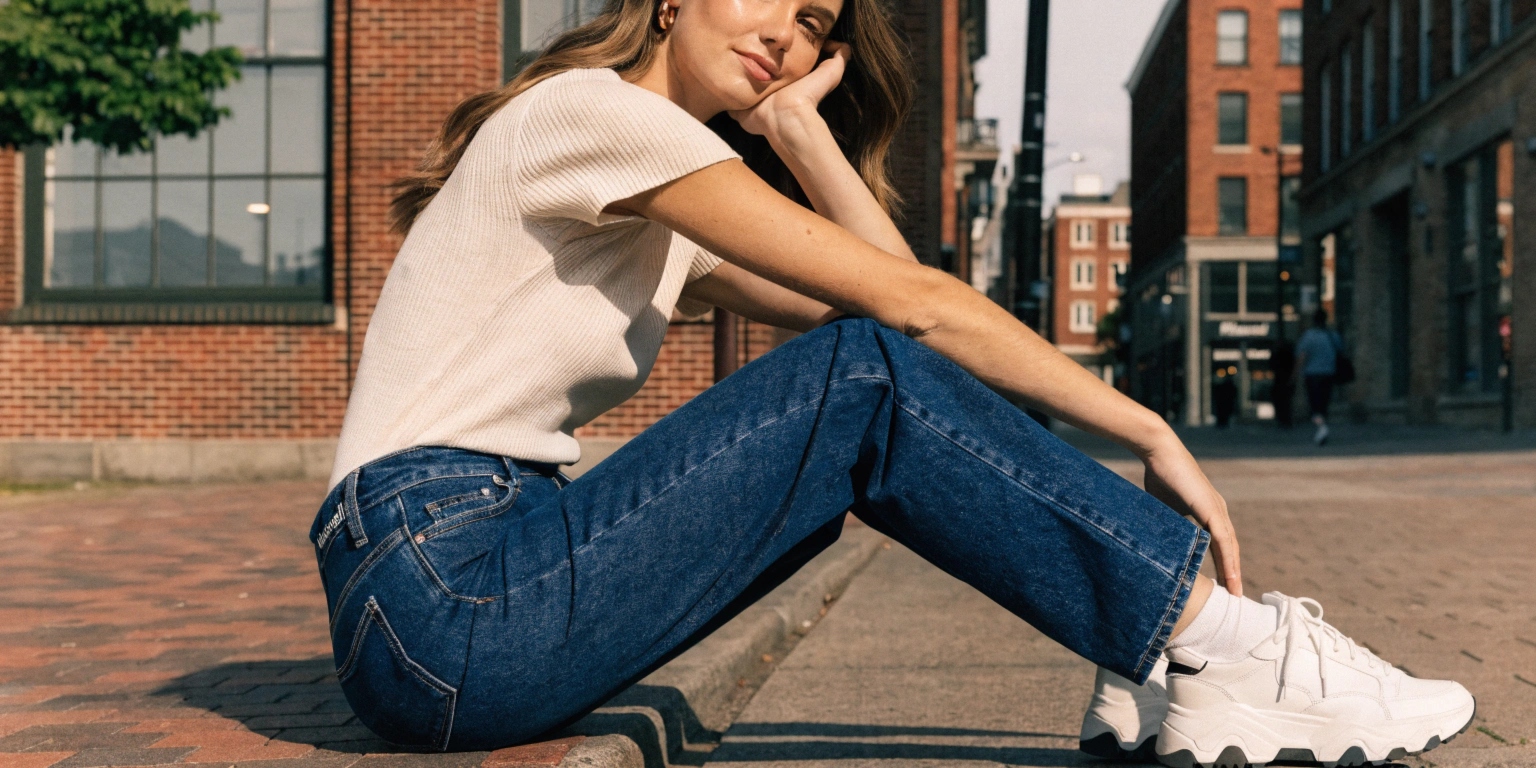
Madewell has built its reputation on creating jeans with an incredible fit right off the shelf. As a designer like Dean knows, this is achieved through the use of high-quality stretch denim. These fabrics blend cotton with elastic fibers like elastane or Lycra to create a jean that moves with you and hugs your curves. The secret to keeping that fit is to protect those delicate elastic fibers.
The number one enemy of elastane is heat. High temperatures from a hot water wash or, even worse, a tumble dryer will cook these fibers. They become brittle and snap, losing their ability to stretch and recover. This is what causes stretch jeans to become baggy in the knees and seat.
To prevent this, your care routine must be built around avoiding heat. Wash them only when they are dirty or have stretched out from wear. Always use a cold water cycle. Turning them inside out will also protect the color.
And the golden rule: never put them in the dryer. After washing, reshape them and hang them up to air dry. This single step will do more than anything else to ensure your Madewell jeans keep their perfect fit for years.
Conclusion
Washing your jeans is simple. Use cold water to protect the color, fit, and fabric. Avoid the dryer whenever possible. This will keep your favorite jeans looking great.
-
Explore the benefits of cold water washing to preserve your jeans' color and fit. ↩
-
Get guidance on the best washing machine settings for preserving denim. ↩
-
Find out when it's appropriate to use hot water for cleaning tough work jeans. ↩
-
Find effective methods to prevent shrinkage and maintain the fit of your jeans. ↩
-
Understand the reasons to avoid dryers to keep your jeans in top condition. ↩
-
Learn about the sanforization process and its impact on denim shrinkage. ↩
-
Get tips on preserving the integrity of vintage Levi's while cleaning them. ↩