
You're designing a new collection, but pristine, dark rinse denim feels a bit...flat. Your customer is looking for character and personality. I'll explain why the 'worn-in' look is a timeless and powerful tool.
People want worn-looking jeans because they symbolize authenticity, rebellion, and a personal story[^1]. This aesthetic, rooted in punk and hippie counter-cultures[^2], provides an immediate sense of individuality and effortless cool that clean, new jeans lack.
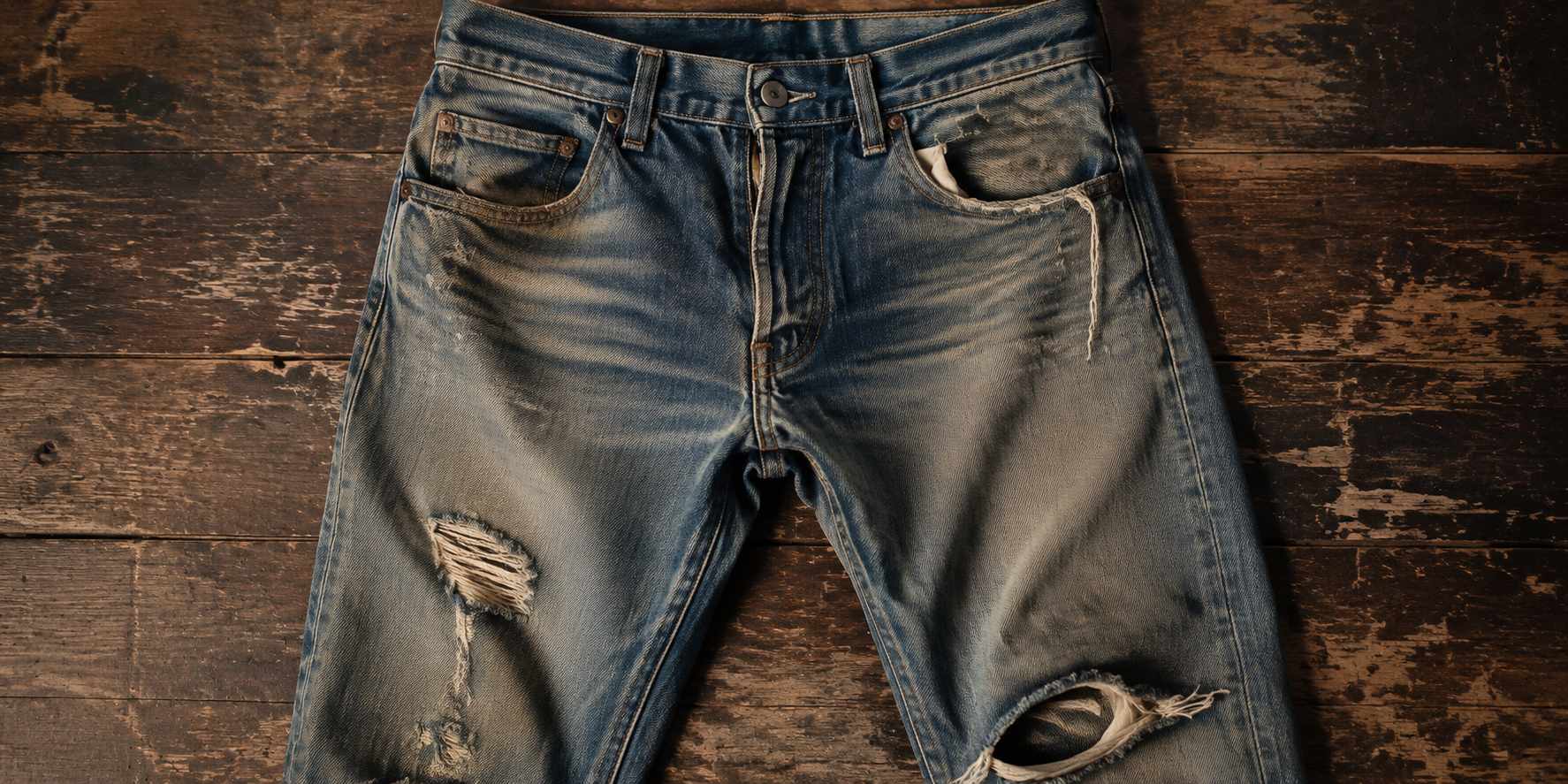
For over twenty years, I've seen trends come and go from my factory floor, but the desire for worn-in denim is a constant. It’s not about being messy or lazy. It's a deliberate choice. Creating that perfect "I've had this for years" look is actually a complex art form. For a designer like you, understanding the psychology behind this desire is key to creating a product that truly connects with people. Let's break down why "damaged" can be so desirable.
Why are distressed jeans so popular?
You see distressed jeans everywhere, from fast fashion to luxury runways[^3]. This trend seems to have incredible staying power. I’ll explain why this 'imperfect' look is so appealing.
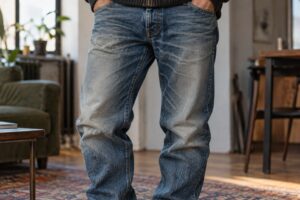
Distressed jeans are popular because they represent a break from uniformity. They are an expression of individuality and rebellion. The rips, fades, and frays give a sense of history and character, turning a mass-produced item into something that feels personal and unique.
Dive Deeper: The Craft of Rebellion
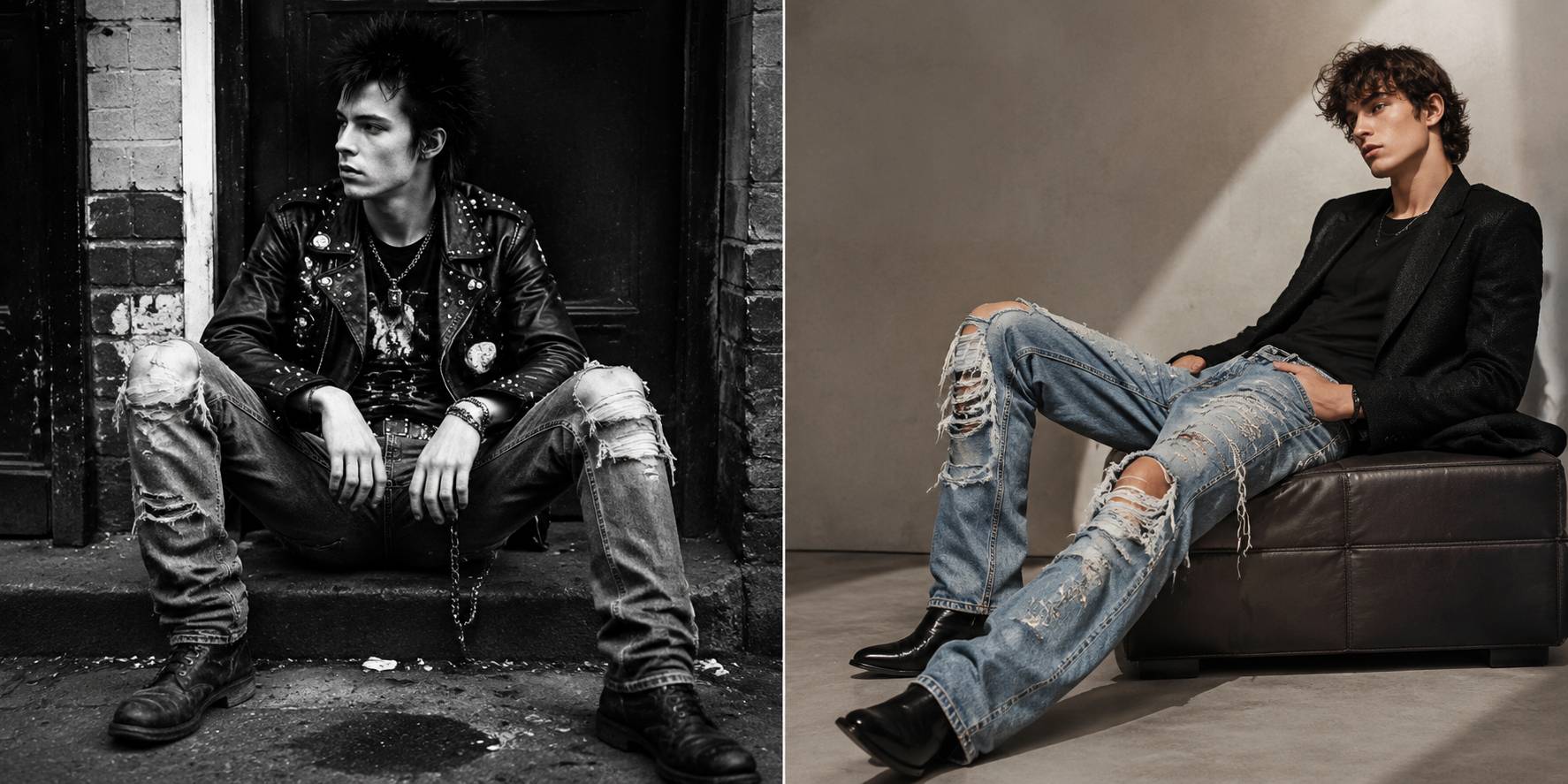
The "worn" look has deep roots in rebellion. It started in the 60s and 70s with hippies and punks who intentionally destroyed their clothes to protest mainstream society.[^4] That spirit lives on. Today, wearing distressed jeans is a way to signal you don't follow all the rules. But here's the paradox from my perspective: creating this effortless, rebellious look requires incredible effort and precision.
It's not just about tearing holes. My team uses a range of techniques to simulate years of wear. We use fine sandpaper and grinders for natural fading, lasers for precise patterns, and chemical sprays for a sun-bleached effect. We even use resin to bake in permanent "whiskers" and "honeycombs." The more authentic and "natural" the distressing looks, the more skilled handiwork it required. It's a high-craft process to make something look like it was created by chance.
| Cultural Era | The Look | The Message |
|---|---|---|
| 1950s-60s | Cuffed, dark denim | Youthful rebellion (inspired by Hollywood).[^5] |
| 1970s Punk | Ripped, torn, safety-pinned | Anti-establishment, anger, protest. |
| 1990s Grunge | Faded, baggy, worn-out | Anti-commercialism, apathy. |
| Today | Artfully distressed | Individuality, effortless style, vintage appeal. |
Why does Gen Z hate skinny jeans?
You've noticed the dramatic shift away from skinny jeans. It can feel like a sudden rejection of a decade-long staple. I'll explain the mindset behind the change.
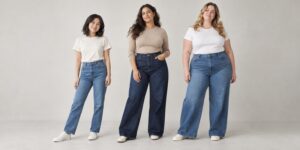
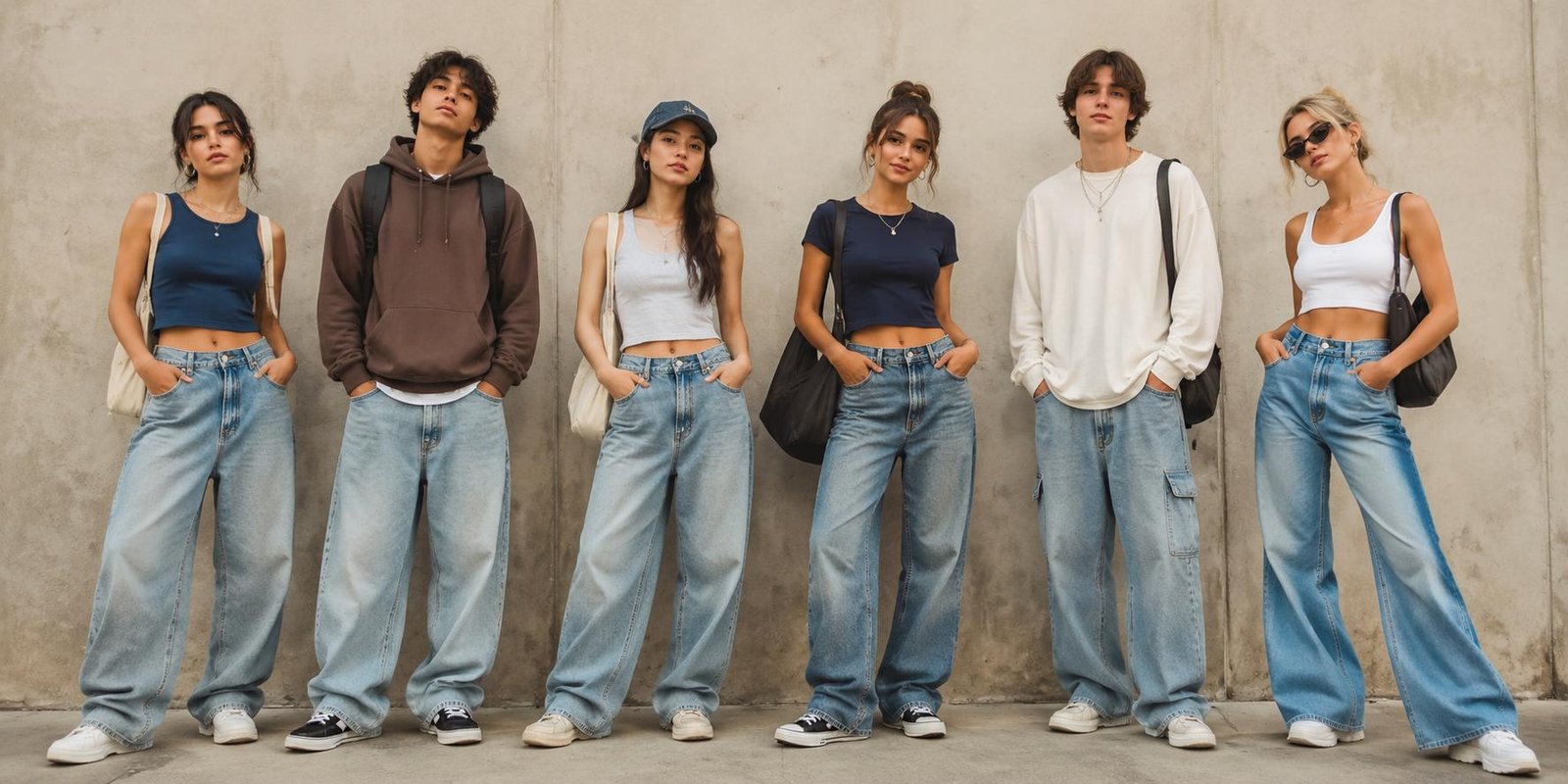
Gen Z doesn't hate skinny jeans, but their preference has shifted towards comfort and looser silhouettes. Styles like baggy, straight-leg, and flare give them more freedom of movement and align with '90s and Y2K fashion revivals[^6].
Dive Deeper: Comfort and a New Canvas
This move away from skinny jeans is directly connected to the desire for a "worn-in" feeling. The aesthetic is about being relaxed and comfortable. Tight, restrictive clothing is the opposite of that. Gen Z grew up with the internet, where they were exposed to a wider range of styles, especially from skate culture and '90s nostalgia. Looser fits were the uniform for those movements.
For a designer, and for me as a manufacturer, this shift changes everything. A skinny jean is a tight canvas where distressing is focused on high-stress points like the knees. A baggy jean is a wide, flowing canvas. It allows for larger, more expressive distressing. The way the fabric drapes and hangs creates a different kind of "worn" story. The focus moves from body-hugging contouring to the texture and life of the fabric itself. It's a different kind of effortless cool.
What is the 2 finger rule for jeans?
You're trying to perfect the fit of your designs. It feels like a guessing game. Here's a simple, classic rule that cuts right to the chase for comfort.
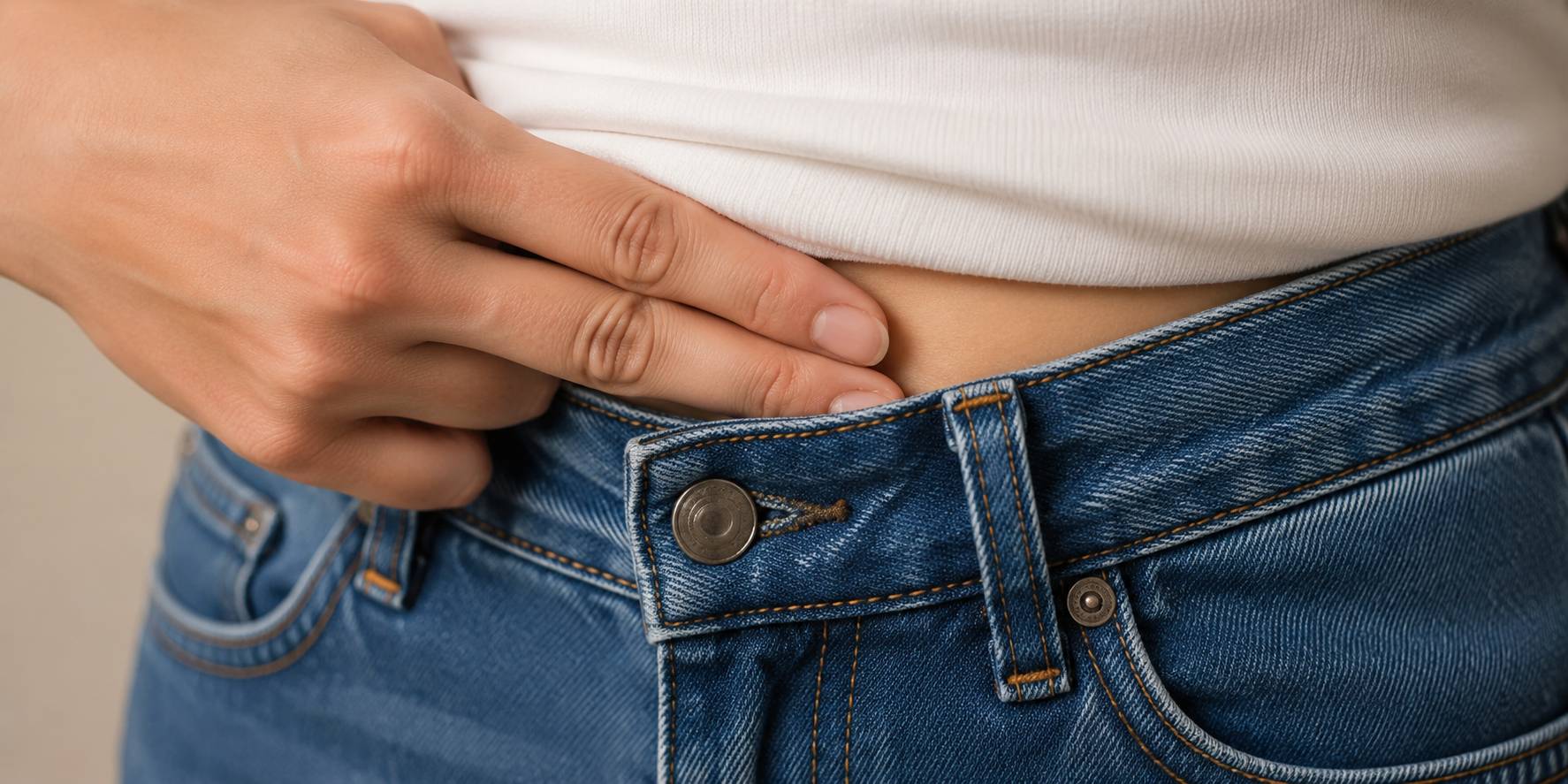
The two-finger rule is a quick way to test the waistband fit. You should be able to slide two fingers comfortably between your waist and the waistband. It ensures the jeans are not uncomfortably tight but are still secure enough to stay up.
Dive Deeper: Fit Creates the Perfect Canvas for Wear
This simple rule is more than just a fitting room trick; it's fundamental to how a jean lives and ages. Jeans that fit correctly, with that bit of ease, will wear in naturally. The fades, creases, and whiskers that develop will be authentic to the wearer's body and movements. This is the ultimate "worn-in" look—one that is earned over time.
When jeans are too tight, the fabric is under constant strain. The wear patterns that develop are harsh and unnatural. The seams are stressed, and the fabric can wear out prematurely. As a manufacturer, my goal is to create a product that lasts. When you design a jean with the proper fit in mind, you are creating the perfect canvas for a personal story to be written on the fabric. A good fit allows the denim to relax and become a second skin, which is the true essence of a beloved, worn-in pair of jeans.
What is the 3-3-3 rule for clothing?
Your clients feel overwhelmed by their closets. There's a viral "hack" that promises to fix it. I'll explain this minimalist approach and what it means for denim.
The 3-3-3 rule is a minimalist wardrobe challenge where you choose three tops, three bottoms, and three pairs of shoes. You then create all your outfits from only these nine items, encouraging you to be more creative and mindful with your clothing.
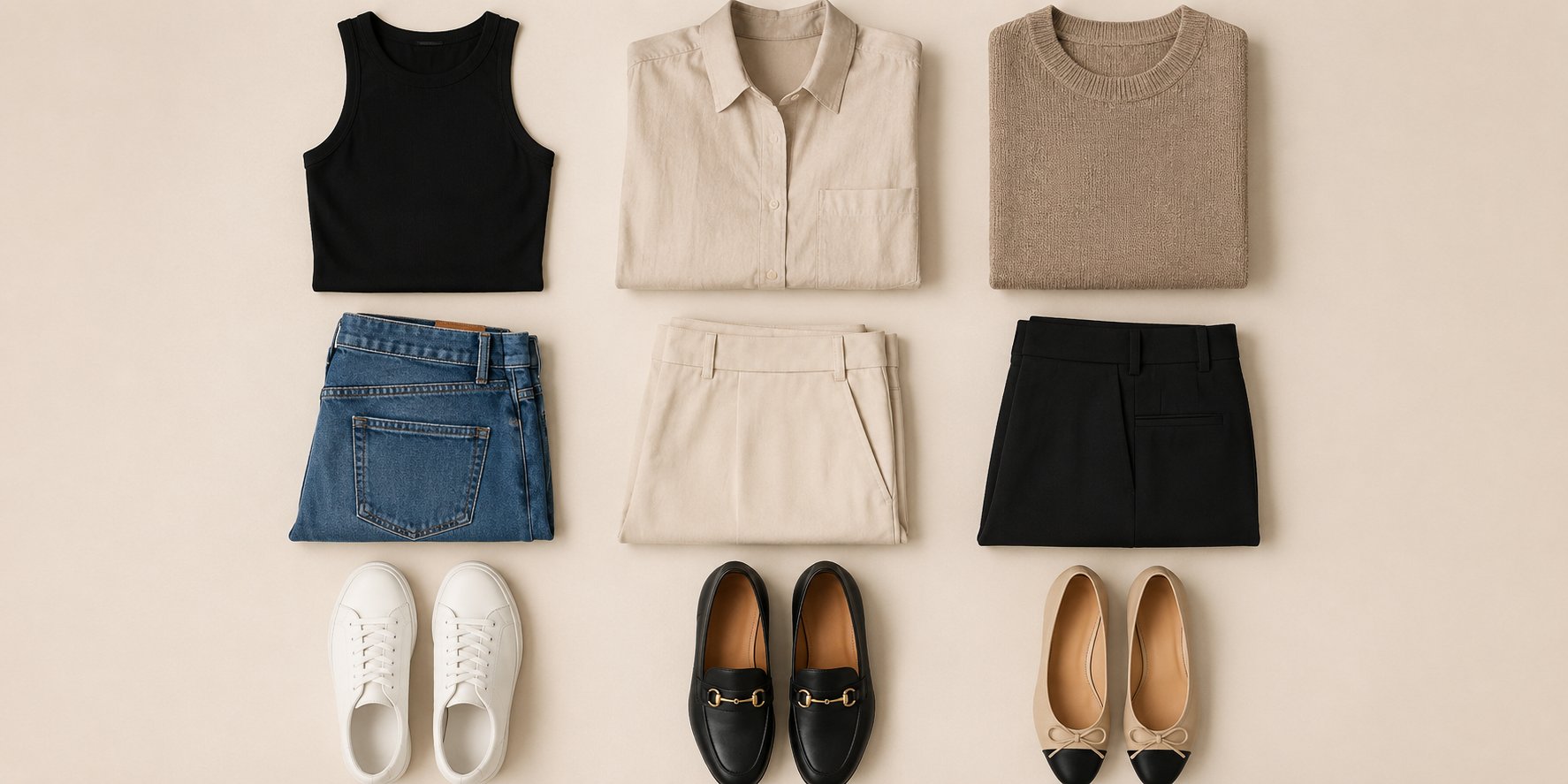
Dive Deeper: Minimalism and the Ultimate Worn-In Jean
This trend might seem unrelated to distressed denim, but it gets to the very heart of why people want worn-in clothes. The 3-3-3 rule forces you to truly live in your clothes. When you only have one or two pairs of jeans in rotation, you wear them constantly. They get washed more. They soften. They fade based on how you sit, walk, and live. In a few months, those jeans will have a more authentic, personal story than any pair we could ever create with sandblasters and lasers in my factory.
This is the ultimate expression of the "worn-in" ideal. It's about forming a deep connection with a quality garment. For a designer, this highlights the importance of creating jeans that are built to last. A customer practicing this rule will choose a pair of well-made, durable jeans because they know it will be a workhorse. It's proof that a truly timeless garment becomes more valuable the more it's worn.
Conclusion
The desire for worn-in jeans is about seeking authenticity. It's a rebellion against the new and a celebration of the story that only time and experience can create in fabric.
---

[^1]: "The Shocking Secret Behind 70s Clothes That Everyone Is Now ...", https://dev-housing.rice.edu/tutorials/the-shocking-secret-behind-70s-clothes-that-everyone-is-now-obsessed-with-6550721. A fashion-history or cultural-studies source on denim supports the interpretation of jeans as garments associated with authenticity, rebellion, and self-expression in modern dress culture. Evidence role: expert_consensus; source type: education. Supports: People want worn-looking jeans because they symbolize authenticity, rebellion, and a personal story.. Scope note: This supports the cultural reading of denim broadly, not every consumer’s individual motivation.
[^2]: "Punk fashion - Wikipedia", https://en.wikipedia.org/wiki/Punk_fashion. Historical accounts of twentieth-century fashion document the adoption of denim and visibly altered clothing within hippie and punk countercultures, providing context for the association between distressed denim and anti-mainstream style. Evidence role: historical_context; source type: encyclopedia. Supports: The worn-in denim aesthetic is rooted in punk and hippie counter-cultures.. Scope note: The source would establish cultural context rather than prove that all modern distressed denim directly descends from those movements.
[^3]: "Grunge (fashion) - Wikipedia", https://en.wikipedia.org/wiki/Grunge_(fashion). Fashion reporting or museum documentation of contemporary denim trends can substantiate that distressed denim appears across both mass-market retail and high-fashion runway contexts. Evidence role: general_support; source type: institution. Supports: Distressed jeans appear across fast fashion and luxury runway contexts.. Scope note: Such evidence would show cross-market presence during documented seasons, not necessarily continuous presence in every year or market.
[^4]: "[PDF] An Analysis of the Relationship Between Punk Rock and Culture", https://digitalcommons.calpoly.edu/cgi/viewcontent.cgi?article=1030&context=comssp. Fashion-history sources on hippie and punk dress document that visible wear, rips, and DIY alteration were used in countercultural styles as critiques of mainstream respectability and consumer norms. Evidence role: historical_context; source type: education. Supports: The worn look in denim was associated with 1960s-1970s hippie and punk countercultures that used altered clothing to reject mainstream norms.. Scope note: The statement compresses two distinct movements and decades; a source may support the broader pattern while distinguishing hippie and punk motivations.
[^5]: "Marlon Brando - Wikipedia", https://en.wikipedia.org/wiki/Marlon_Brando. Historical accounts of blue jeans in popular culture connect mid-twentieth-century denim with youth rebellion, particularly through Hollywood figures such as Marlon Brando and James Dean. Evidence role: historical_context; source type: encyclopedia. Supports: In the 1950s and 1960s, dark denim became associated with youthful rebellion influenced by Hollywood.. Scope note: This supports the cultural association in the United States and Western media; meanings varied by country and social group.
[^6]: "Y2K Jeans: Low-Rise Flare & 2000s Denim Comeback Guide!", https://www.lemon8-app.com/@wearehyperbees/7466309746593694254?region=us. Fashion-history and trend-analysis sources document the revival of 1990s and Y2K styles in contemporary youth fashion, including looser denim shapes such as baggy, straight-leg, and flared jeans. Evidence role: historical_context; source type: institution. Supports: Baggy, straight-leg, and flare jeans align with contemporary 1990s and Y2K fashion revivals.. Scope note: This supports the trend context but does not prove that every consumer chooses looser jeans because of nostalgia.