Skip to content

You need a manufacturer that fits your budget, but you're terrified that "cheap" means poor quality. This fear of receiving defective products that can ruin your brand's reputation keeps you from moving forward.
The key is not to find the absolute cheapest price, but to find the best value. Source directly from manufacturing hubs in China or Southeast Asia via B2B platforms1 and trade shows, verify their credentials, and use smart ordering strategies to get a fair price for high-quality production.
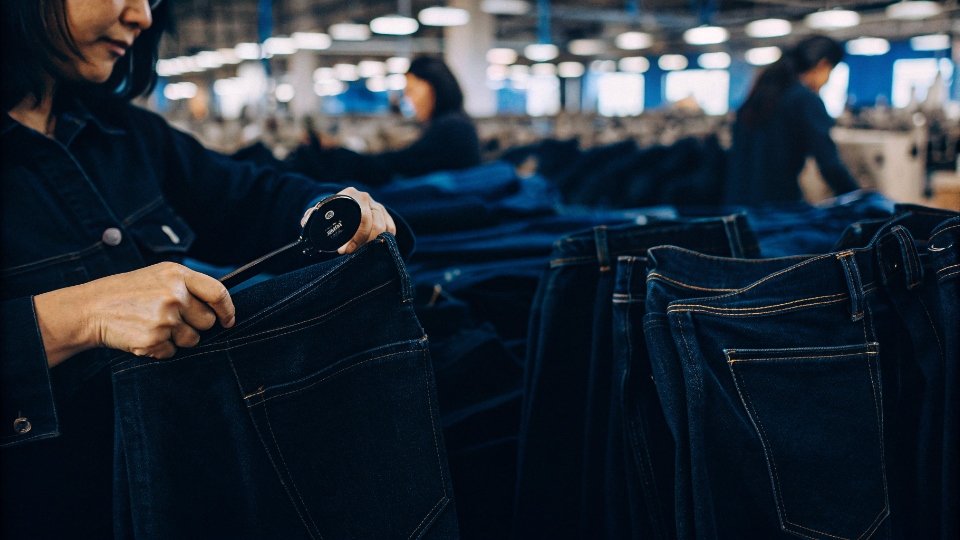
I have designers approach me all the time asking for my "cheapest price." But I learned long ago that the cheapest price on paper can become the most expensive one after delays, defects, and remakes. A designer like Dean, with his 15 years of experience, doesn't ask for the cheapest price.
He asks about my quality control process, my lead times, and how we can work together to make a better product more efficiently. The real savings are not in cutting a dollar off the unit price, but in avoiding the ten-thousand-dollar mistake of a bad production run2.
How do I find a manufacturer for my clothing line?
The internet is a sea of suppliers, and it is impossible to know who is a real factory and who is just a middleman. You are wasting precious time vetting suppliers who cannot actually make your product.
Focus on three direct paths: use verified supplier filters on B2B platforms like Alibaba, attend major industry trade shows to meet factory owners face-to-face, and ask for referrals from trusted contacts3 within the industry.
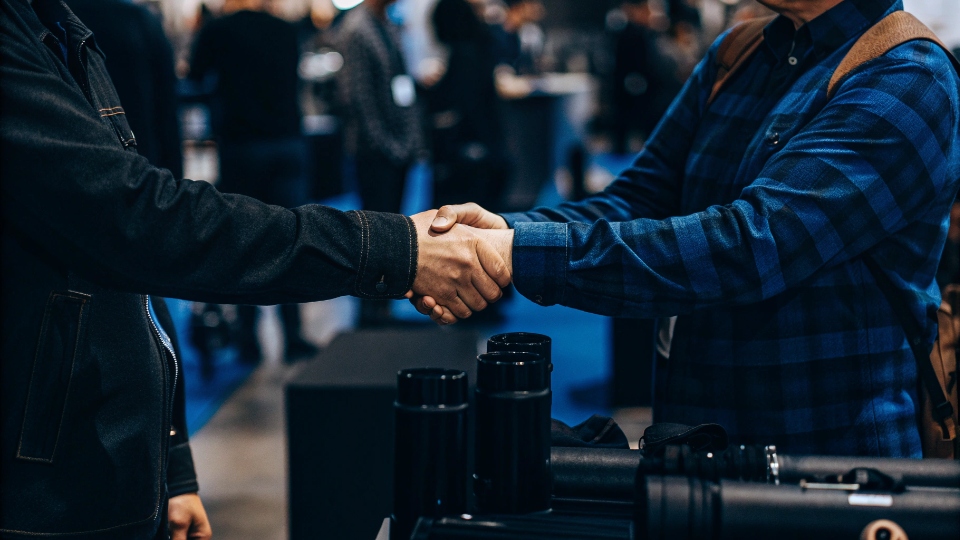
Finding the right partner feels like searching for a needle in a haystack, but you just need to know which magnets to use. B2B platforms are a good start, but you must be strategic.
Filter for "Manufacturer" and look for suppliers with several years of experience and certifications like ISO 90014. A better way, in my opinion, is to meet in person.
I have met some of my best long-term partners at trade shows in Paris and my home base in Guangzhou. You can shake a hand, look someone in the eye, and see the quality of their work right there.
It is at these shows that we, at DiZNEW, often connect with new brands and can offer flexible terms, like a small Minimum Order Quantity (MOQ)5 of just 30 pieces, because we are building a direct relationship from day one.
| Sourcing Method | Pros | Cons |
|---|---|---|
| B2B Platforms | Huge selection, easy to contact many suppliers. | Hard to verify, lots of middlemen, quality is a gamble. |
| Trade Shows | Meet owners directly, see products, build trust. | Requires travel and investment, happens only a few times a year. |
| Referrals | Highly trusted, pre-vetted recommendations. | Can be difficult to get if your network is small. |
How much does it cost to get clothing manufactured?
You need a clear budget, but confusing quotes and hidden fees make financial planning a nightmare. You worry that unexpected costs for shipping, samples, and duties will destroy your profit margins.
The final landed cost6 includes more than just production. Factor in pre-production samples ($50-$200 each), the production cost per piece ($6-$30+ for jeans), quality inspection ($0.30-$1 per piece), and shipping and import duties (adding 15-20% or more).
The price a factory gives you is usually the FOB price, which stands for "Free On Board." This is the cost to produce your garment and get it to the port in the country of origin. But that is not your final cost.
First, you have pre-production costs, like paying for samples to perfect your design. Then, after production, you have the "landed cost6."
This includes ocean or air freight, insurance, and the import duties or tariffs your country charges (for example, duties on jeans into the US are around 16.6%). You also have to pay for a third-party inspector to check the goods before they ship—a step you should never skip.
When you ask for a quote, a good partner will help you estimate these costs so you have a realistic picture of your total investment. It is not just about the per-piece price; it is about the total cost to get that product into your warehouse.
Where is it cheapest to manufacture clothes?
You hear about low-cost manufacturing in different countries and want to chase the lowest price. But this can lead you to regions with poor infrastructure, unskilled labor, and ethical issues7, creating huge risks for your brand.
While countries like Bangladesh and Vietnam have lower labor costs, China, especially the Pearl River Delta, often provides the best total value for complex items8 like jeans due to its advanced technology, skilled workforce, and complete material supply chain.
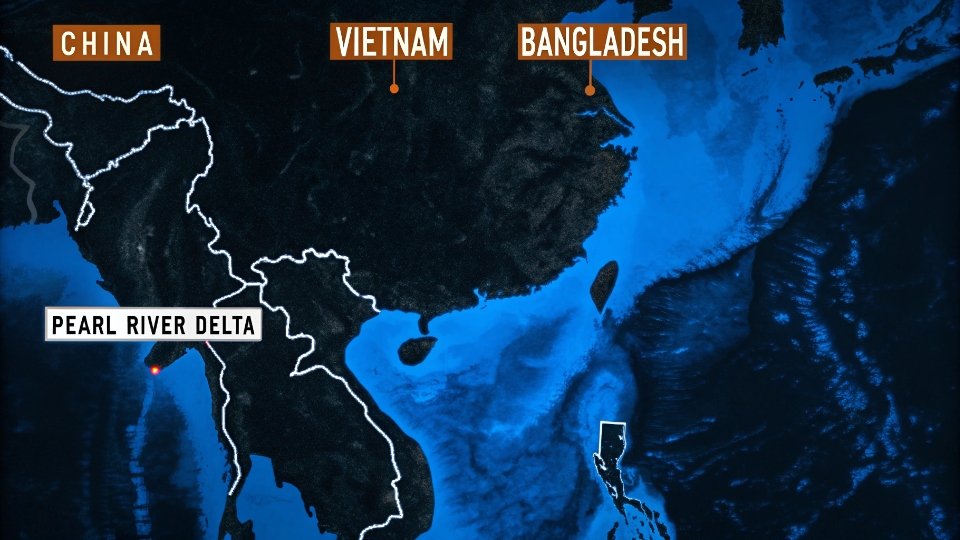
"Cheapest" is a dangerous word in manufacturing. It is a balance of cost, skill, speed, and risk. Yes, the hourly labor rate in Bangladesh is lower than in China.
This makes it a great choice for very large orders of simple garments like t-shirts. However, for a product like jeans, which requires specialized washing and finishing, the expertise is concentrated in China.
My factory in Dongguan is minutes away from the best fabric mills9, washing houses, and trim suppliers in the world. This ecosystem allows us to develop complex washes and source unique materials quickly.
A factory in another country might have to import that same fabric and those trims from China, adding weeks or months to your lead time and erasing much of the labor cost savings. The "cheapest" location might cost you more in the long run through delays and lower quality.
How can I find out what manufacturer a brand uses?
You love the quality of a specific brand and wish you could use their factory. But this information is a closely guarded secret, and trying to find it feels like an impossible task.
This is difficult, but not impossible. Large public companies sometimes list suppliers in Corporate Social Responsibility (CSR) reports. For a fee, trade databases like Panjiva10 can track import records, but the data can be hard to decipher.

Trying to find a specific brand's factory is a bit like corporate espionage. Some very large, publicly traded companies like Nike or Patagonia do publish lists of their main factory partners as part of their transparency initiatives. You can search their websites for these reports.
Another method is to use a paid import database. These tools track Bills of Lading, which are the shipping manifests11 for every container that enters a country. You can look up the brand (the importer) and see who the shipper was.
However, this is often a dead end. They may use a trading agent, or the factory name on the document might be a generic legal entity. Honestly, this is often a waste of time.
A factory that is perfect for a huge corporation will not be the right fit for a growing brand. Your energy is better spent finding a partner that is excited to grow with you.
Conclusion
Stop looking for the "cheapest" manufacturer. Instead, focus on finding a cost-effective, high-quality partner. A direct, transparent relationship with your factory is the most valuable asset you can have.
-
Explore top B2B platforms to connect with reliable manufacturers and streamline your sourcing process. ↩
-
Understanding production runs can help you plan your manufacturing process effectively. ↩
-
Learn strategies to expand your network and gain valuable referrals. ↩
-
Find out how ISO 9001 certification can indicate a manufacturer's quality standards. ↩
-
Understanding MOQ can help you negotiate better terms with manufacturers. ↩
-
Get insights into calculating the total landed cost to avoid unexpected expenses. ↩ ↩
-
Understanding ethical issues can help you make responsible sourcing decisions. ↩
-
Understanding complex items can help you choose the right manufacturing partner. ↩
-
Explore the significance of fabric mills in ensuring quality materials for your products. ↩
-
Learn how Panjiva can provide valuable insights into supplier relationships. ↩
-
Discover the role of shipping manifests in tracking imports and understanding supply chains. ↩