Skip to content

You wear jeans almost every day, but do you know how they're made? You know they start as cotton1, but their transformation into rugged, iconic denim is a complete mystery. How does it all happen?
Denim is produced by weaving indigo-dyed warp (vertical) yarns with undyed weft (horizontal) yarns. The magic lies in the specific dyeing method used on the warp yarns before weaving, which gives denim its unique ability to fade and develop character over time.
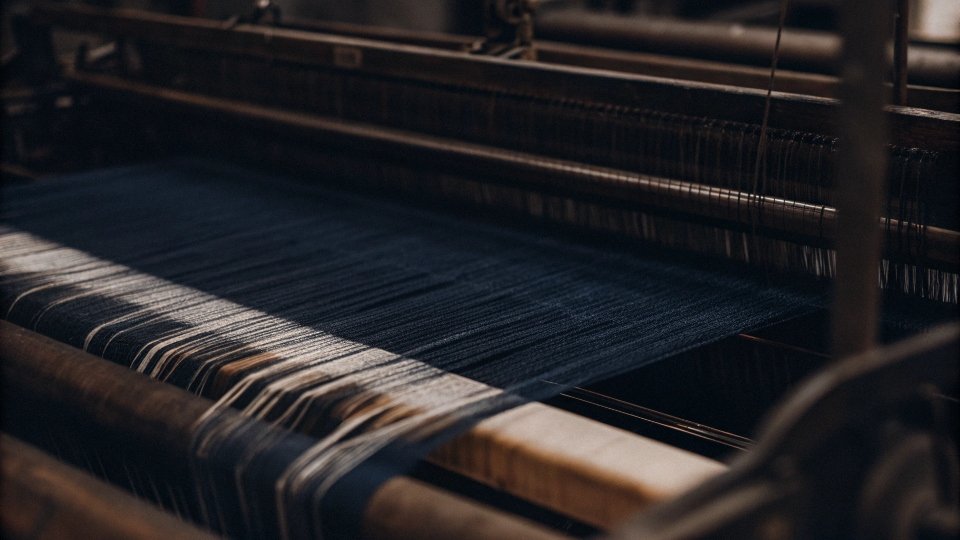
Understanding this process is not just for denim2 nerds; it's fundamental for designers like my colleague Dean. The choices made at the factory—how we dye the yarn, how we weave it—have a massive impact on the final garment.
It dictates how a jean will look, feel, and age. For me, after two decades in this business, the manufacturing process is not just a series of steps; it's an art form that blends century-old techniques with modern technology. Let's dive into how it actually works.
How is denim made step by step?
You know it's a complex process, but the specific stages are a blur. This makes it hard to understand what separates a cheap pair of jeans from a high-quality, premium pair. You want to see the real journey.
Denim making starts with dyeing cotton warp yarns with indigo. These blue yarns are then woven with natural white weft3 yarns in a twill pattern4, creating the characteristic diagonal lines. After weaving5, the fabric is finished to prevent shrinking and prepare it for garment production.

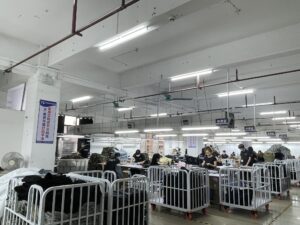
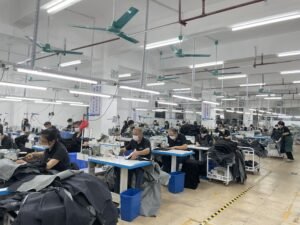
The most critical stage here is the dyeing. At my factory, DiZNEW, we primarily use a method called "slasher dyeing," and the insight provided is spot on. It's a method that many people, even in the industry, don't fully understand.
The Art of Slasher Dyeing
Unlike rope dyeing where yarns are twisted into a rope, slasher dyeing6 works with the yarns opened up in a flat sheet. Imagine we need to dye enough yarn for a production run—say, 6,000 individual strands. We first wind these yarns onto smaller beams, maybe 14 of them.
Then, for the dyeing process, we pull the yarn from all 14 beams and combine them into one single, wide sheet. This sheet then runs through a machine that wets the cotton, dips it repeatedly into indigo dye baths, and then airs it out to oxidize (which turns the yarn blue).
Because the yarn goes through as a flat layer, or a "sheet," it gets the name slasher dyeing. It's an efficient process, great for smaller, more specialized batches and for handling finer yarns.
| Dyeing Method | Process | Best For |
|---|---|---|
| Rope Dyeing | Yarns are twisted into a "rope" and dipped in indigo. | Large batches, classic "ring-spun" fade. |
| Slasher Dyeing | Yarns are arranged in a flat "sheet" and run through dye baths. | Smaller batches, consistency, fine yarns. |
Why is denim not eco-friendly?
You hear a lot about the environmental impact of fashion. Denim is often singled out as a major offender. This makes you question your favorite clothing, but the specific reasons are not always clear.
Traditional denim production is very resource-intensive. It consumes massive amounts of water to grow the cotton and for the dyeing and finishing processes. It also relies heavily on energy and chemicals, making its environmental footprint significant without modern sustainable practices.

The reputation is, unfortunately, well-earned from decades of old practices. The two main culprits are water and chemicals. First, cotton is a very thirsty crop. Then, the dyeing process requires huge vats of water.
But the biggest issue is often in the "finishing" or "washing" stage, where a finished pair of jeans is treated to get that soft, faded, "worn-in" look. This traditionally involved washing the jeans with stones and large amounts of water.
However, the industry is changing fast. My factory, and others like it, are part of the solution. We now use advanced technologies that dramatically cut down on environmental impact7.
- Laser Technology: We use lasers to create faded effects and distress patterns, which uses almost no water compared to traditional methods.
- Ozone Washing: We use ozone gas to lighten the color of the denim. This process uses a fraction of the water and chemicals.
- Water Recycling: We've invested in systems that allow us to clean and reuse the water from our washing processes multiple times.
So while traditional denim has a heavy footprint, modern, sustainable denim is a completely different story.
What is 100% denim made of?
You see a label that says "100% Cotton" or sometimes just "100% Denim." It seems confusing. You want to know what the fundamental, raw material of authentic denim fabric actually is.
"100% denim" means the fabric is made purely from cotton fiber. The yarn used to weave the material contains no synthetic stretch fibers like elastane (Lycra) or polyester. It is the original, rigid, and durable composition of classic jeans.

For over a century, all denim2 was 100% cotton. This is the material of legends—the stuff of workwear, cowboys, and rock stars. This type of denim is known for being incredibly strong and durable.
When you first buy it, it can feel quite stiff and rigid. But over time, with wear, it softens and molds perfectly to your body, creating unique fades and creases that tell your personal story. This is what denim purists love.
In the last few decades, stretch denim has become incredibly popular for its immediate comfort. To make it, a small amount of a synthetic fiber called elastane (also known by brand names like Lycra or Spandex) is woven in with the cotton. There's no "better" option; they just serve different needs.
| Denim Type | Composition | Key Benefit | Feeling |
|---|---|---|---|
| 100% Cotton | Cotton Only | Durability, Personal Fades | Rigid at first, softens with wear |
| Stretch Denim | Cotton + Elastane | Immediate Comfort, Flexibility | Soft and flexible from day one |
Can vegans wear denim?
You're a conscious consumer and check labels for animal products. You assume cotton denim is safe territory. But then you see that little patch on the back of most jeans, and you have to ask the question.
Yes, vegans can easily wear denim, but they must check the back patch. While the fabric itself is just cotton, many traditional brands use a patch made of genuine leather for branding. However, countless brands now use fantastic vegan alternatives.

This is a detail that is becoming more and more important for my clients. The fabric of the jeans is almost always vegan, as it's plant-based cotton. The issue is that small square of material on the waistband, right above the back right pocket.
Historically, this patch was made of leather because it was durable and a sign of quality. Levi's, Lee, and Wrangler all have iconic leather or leather-like patches.
But the industry has evolved. For designers and brands who want to be 100% vegan, there are many great options that we work with every day at my factory. The most common alternative is called a Jacron patch, which is made from a special, durable paper that looks and feels a bit like leather and holds up to washing.
Other creative options include cork, embroidered logos directly onto the denim, fabric patches, or even screen-printed designs. So, if you're vegan, you don't have to give up jeans. You just need to look past the legacy brands or check the label—more often than not, you'll find a stylish, animal-free option.
Conclusion
Denim production is a deep craft of dyeing and weaving cotton. While it faces eco-challenges, the industry is innovating with sustainable and vegan-friendly options, making denim a choice everyone can feel good about.
-
Understand the importance of cotton as the primary material in denim and its impact on the final product. ↩
-
Explore the intricate process of denim production, from cotton to fabric, and understand its significance in fashion. ↩ ↩
-
Understand the role of natural white weft yarns in creating the characteristic look of denim. ↩
-
Discover the significance of the twill pattern in denim and how it affects the fabric's appearance and feel. ↩
-
Discover the various weaving techniques that contribute to the texture and durability of denim fabric. ↩
-
Understand the efficient slasher dyeing method and its advantages over traditional dyeing techniques. ↩
-
Gain insights into the environmental challenges of denim manufacturing and the industry's efforts to become more sustainable. ↩