Skip to content

You've designed a stunning embroidery. But you fear puckered fabric, loose threads, and colors that bleed in the first wash, turning your art into a customer complaint.
Proper quality control is key. This involves using the right stabilizer backing1 to prevent puckering, advanced machines for consistent stitch density2, durable thread, and rigorous wash testing to ensure your design lasts.
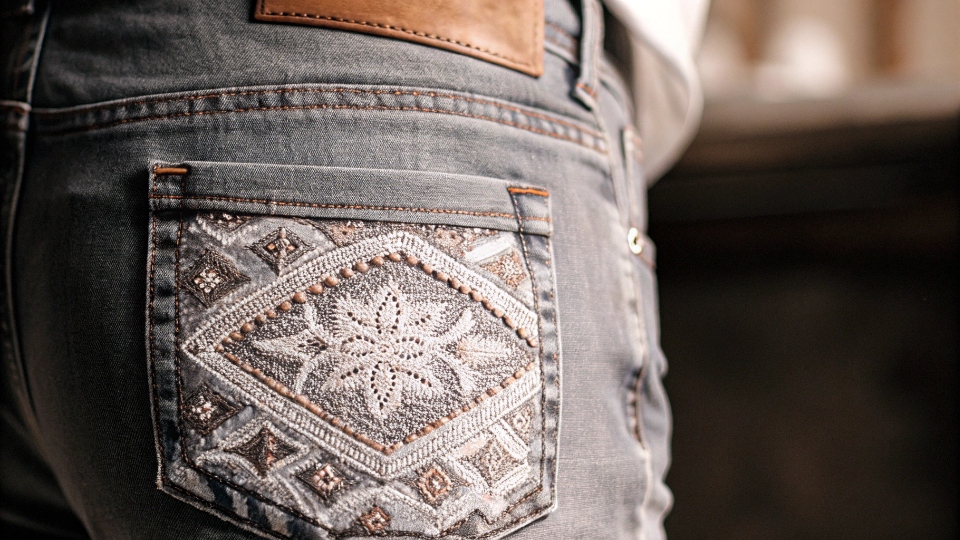
I’ve learned that embroidery on denim is unforgiving. Early in my career, we took on a project with a large, beautiful eagle embroidered on the back of a denim jacket.
The fabric had a bit of stretch. The first sample came out terribly puckered, with the fabric bunched up all around the design. The client was, understandably, not happy. We had to learn fast.
We discovered the art of using the right "stabilizer" – a backing material that holds the fabric steady during stitching and then washes away. We also learned to adjust stitch density for stretch fabrics.
That experience taught me that embroidery isn't just about a nice design; it's a technical process. For a designer like Dean, getting this right is the difference between a masterpiece and a disaster.
What Machine Capacities Support My Stitch Density?
You have a design with dense, detailed stitching. You worry a factory's old machines will cause needle breaks, skipped stitches, and a messy, amateurish result on your premium jeans.
Our factory uses modern, multi-head Tajima and Barudan computerized embroidery machines. These are the industry standard, capable of handling high stitch densities and complex patterns with precision, ensuring a clean and professional finish.
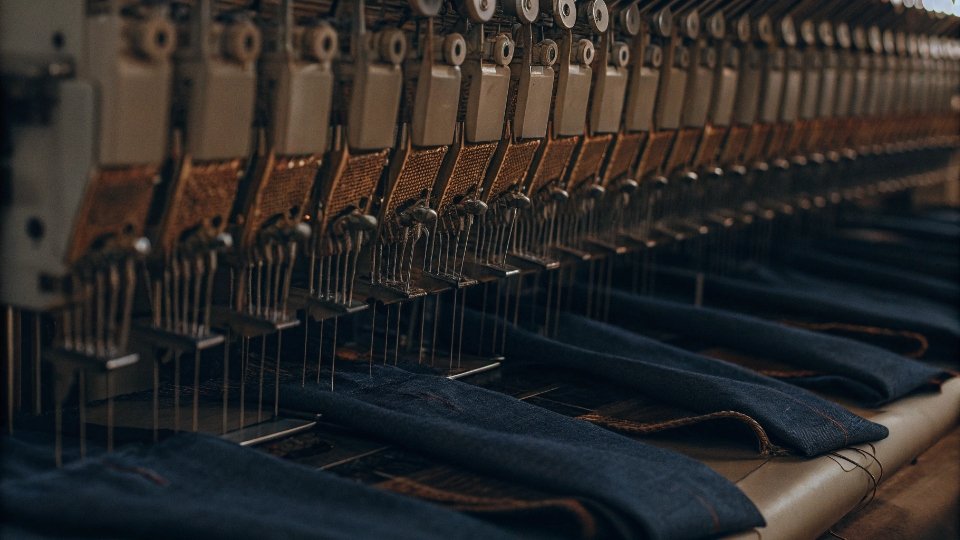
The machine is the heart of the operation, and we only use the best. Brands like Tajima are the gold standard because they provide incredible consistency. But the machine is only half the story. The other half is the "digitizing" process.
This is where a skilled technician takes your artwork (like an Adobe Illustrator file) and manually plots every single stitch, creating the digital file that guides the machine.
They decide the stitch type, direction, and density. High stitch density creates a rich, solid look, but it can also put stress on the fabric.
Our technicians know how to balance this. They will use a sturdy stabilizer backing behind the denim to prevent puckering and ensure each stitch lays flat and clean, even on lightweight or stretch denim.
This combination of world-class machinery and expert digitization is how we execute even the most intricate designs flawlessly.
Can They Securely Attach Leather or Denim Patches?
You've chosen the perfect leather patch for your brand. But you're afraid it will peel off, curl at the edges, or crack after a few washes, cheapening your whole product.
Yes. We ensure security by using industrial-strength stitching3 around the perimeter. For certain patches, we add a high-grade heat-activated adhesive4 backing for perfect placement before permanently sewing it down.
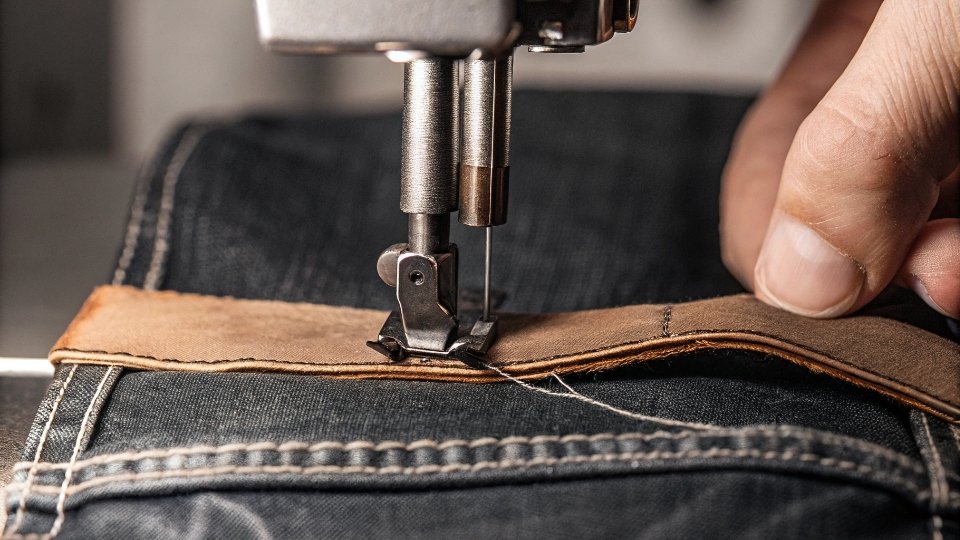
A patch that peels off is a sign of poor quality, and it is something we never allow. For jeans, which endure years of washing and wear, stitching is the only truly permanent attachment method.
We use heavy-duty polyester thread5 and a specific needle designed for the patch material. For a classic leather jacron patch, we use a special leather needle that cleanly perforates the material without tearing it.
We also control the stitch count per inch to ensure there are no gaps for edges to lift or curl. While some factories might rely only on heat-press adhesives, we see this as a secondary tool.
We use it to perfectly position the patch and hold it in place, but the sewing machine does the real work of making it a permanent part of the garment. This two-step method guarantees your brand's patch will stay put for the life of the jeans.
Our Patch Attachment Methods
| Patch Material | Primary Attachment | Secondary Method (if needed) | Why it Works |
|---|---|---|---|
| Leather/PU | Perimeter Stitching | Heat-activated adhesive | Stitching provides durability; adhesive ensures perfect, flat placement. |
| Embroidered Patch | Perimeter Stitching | Iron-on backing | A merrowed edge prevents fraying, and stitching ensures it never peels. |
| Denim Patch | Perimeter Stitching | N/A | We stitch it down securely, often letting the edge fray for a stylistic effect. |
How Much Time Does Large-Scale Embroidery Add to Lead Time?
Your timeline is tight. Adding complex embroidery feels like a risk that could cause major production delays, making you miss your delivery window and lose sales.
Typically, complex embroidery can add 5 to 10 days to the standard production lead time. This accounts for the digitizing process, sample approval, and the machine run time for the entire batch.
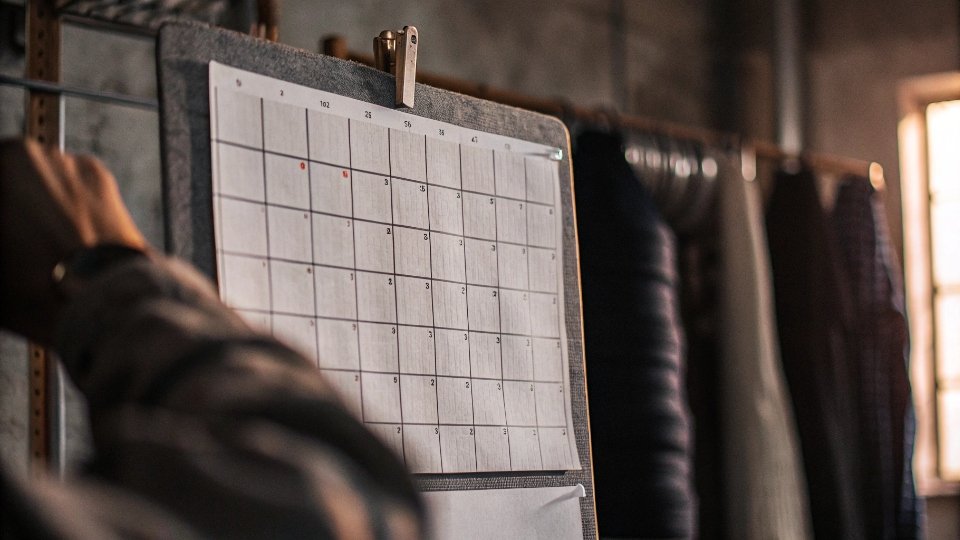
It's true that quality embroidery takes time, but it's a predictable addition to the schedule. We build it into our production planning from day one so there are no surprises. The extra time comes from three distinct stages.
First is Digitizing & Sampling (1-3 days). Our technicians need time to convert your art into a flawless stitch file and run the first sample for your approval.
Second is the Machine Run Time (3-7+ days). This is the biggest variable and depends on the complexity of your design.
A simple logo with 5,000 stitches might take only a few minutes per garment, while a huge back panel with 100,000 stitches could take much longer. With our multi-head machines, we can embroider up to 20 garments at once, but the total time is a function of stitch count.
Finally, we have Quality Control & Finishing (1-2 days), where we inspect every piece, trim any loose threads, and remove the stabilizer backing. We plan for this work transparently so you can build a realistic launch calendar.
What Thread Brands Ensure Colorfastness?
Your embroidery has vibrant colors that are essential to the design. You have nightmares of those colors bleeding onto the denim in the first wash, destroying the jean's look.
We exclusively use top-tier polyester threads from brands like Madeira or Coats. These are engineered for superior colorfastness6 and are resistant to bleeding, fading, and the chemicals used in denim washing.
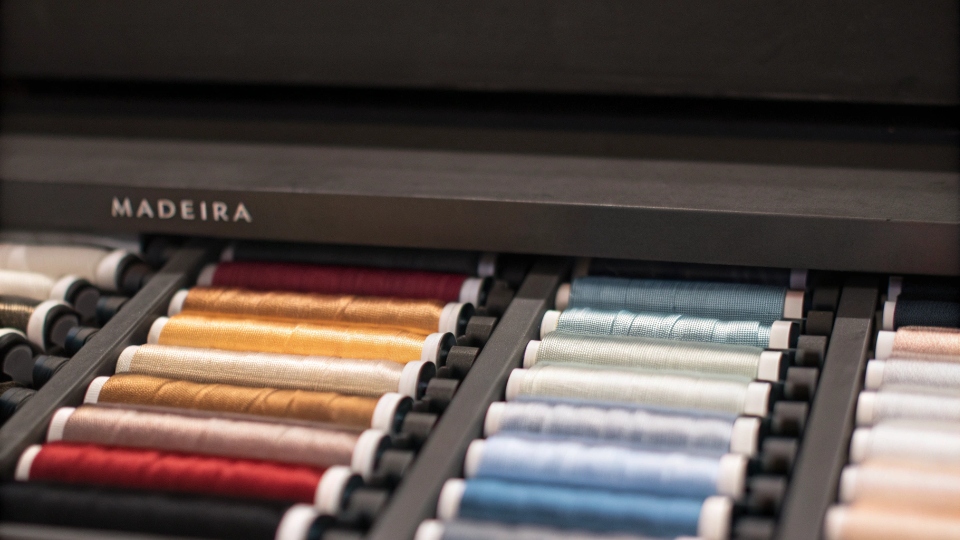
Thread is not a place to cut corners, especially on denim. Denim garments go through some of the harshest washing processes in the apparel industry, involving water, abrasion, and sometimes chemicals. That's why we rely on high-tenacity polyester thread from world-class suppliers.
Unlike rayon or cotton thread, polyester is a synthetic fiber that strongly resists bleeding. Its color is locked in and will not fade or run, even when the denim around it is being washed down.
Before we ever go to bulk production, we conduct a wash test. We take an embroidered swatch of your design on your fabric and put it through the exact same wash process as the final jeans.
This confirms that the thread colors remain bright and stable and do not stain the surrounding denim. We match your Pantone (PMS) colors precisely and then prove their stability, giving you confidence that your colorful design will last.
Conclusion
Quality embroidery and patches are about detail. With the right machines, materials, and strict QC, your creative vision is executed beautifully and built to last on every single pair.
-
Learn how stabilizer backing can prevent puckering and enhance the quality of your embroidery. ↩
-
Discover the impact of stitch density on the durability and appearance of your embroidery designs. ↩
-
Learn about industrial-strength stitching and its role in ensuring the longevity of patches. ↩
-
Discover how heat-activated adhesive can improve the placement and durability of patches. ↩
-
Understanding heavy-duty polyester thread can help you choose the right materials for your projects. ↩
-
Learn about colorfastness to ensure your embroidery colors remain vibrant after washing. ↩