Skip to content

Chasing high output numbers often leads to defects. This fast-fashion mindset1 values quantity over the quality your brand needs to build a lasting reputation.
A skilled factory worker on an assembly line can produce between 50 to 200 garments daily. The exact number depends heavily on the product's complexity, the factory's efficiency, and the quality standards required.
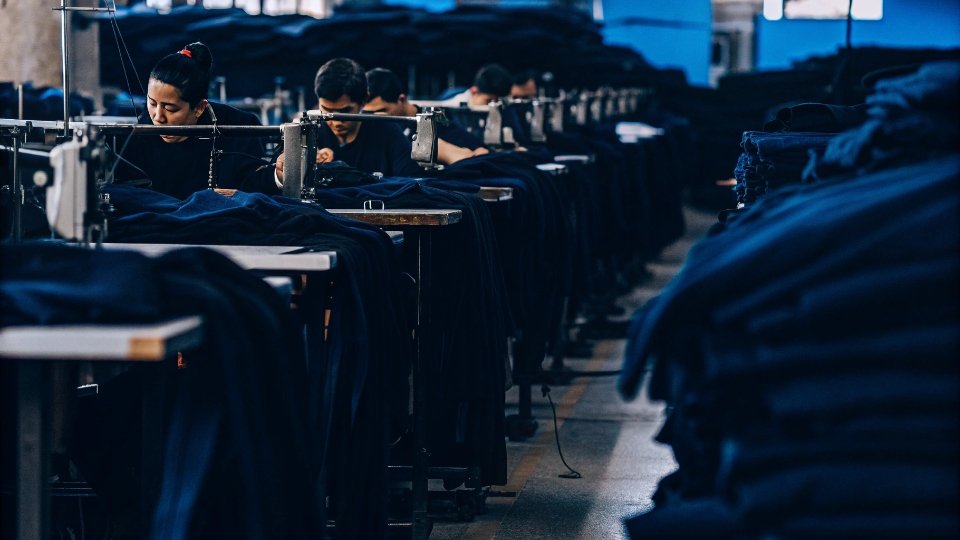
Designers like Dean often ask me about our daily output per worker. It is a fair question, as it relates directly to production capacity and cost.
My honest answer is always, "It depends." A worker producing simple t-shirts will have a much higher daily count than one working on complex, multi-panel jackets. But I always turn the question around.
The more important question is, what kind of garment are we trying to make? The world is shifting away from throwaway fashion. New consumer rules are emerging that value quality over quantity, and that changes how we think about the balance between speed and craftsmanship.
How long does it take to sew a shirt in a factory?
You have a complex design, but factory quotes seem too fast to be true. You worry they will rush the job and miss the details, creating costly flaws in your production.
In a factory assembly line, a simple t-shirt might take 10-15 minutes of total labor. A pair of high-quality jeans2, with its many components and reinforced stitches, can take between 45 to 60 minutes.
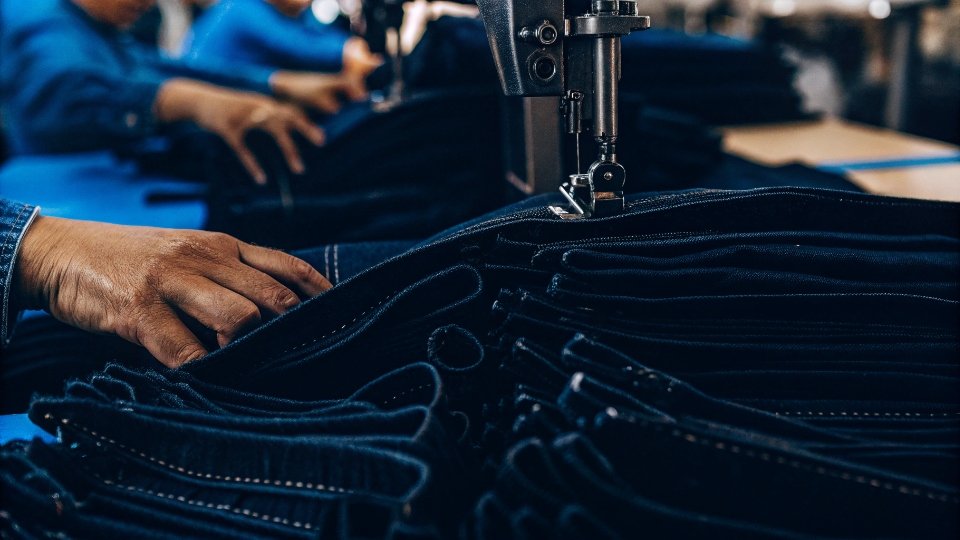
The time it takes to sew a garment is measured by its "Standard Minute Value3," or SMV. This is the total time all workers on a line spend on a single piece. A single person making a jean from start to finish would take hours. But in a modern factory, it is a team effort. The process is broken down into dozens of small steps.
One worker might only sew back pockets, doing hundreds in a day. The next attaches the yoke. The next sets the zipper. This assembly line model4 is incredibly efficient. However, complexity is the biggest factor.
A basic, five-pocket jean has a lower SMV than a carpenter jean with extra loops and panels. As your manufacturing partner, we calculate this time precisely to give you a realistic production schedule that does not sacrifice quality for speed.
| Garment Type | Average SMV (Total Labor Minutes) | Key Complexity Factors |
|---|---|---|
| Simple T-Shirt | 10-15 minutes | Few seams, simple construction. |
| Button-Down Shirt | 25-45 minutes | Collar, cuffs, placket, buttonholes. |
| High-Quality Jeans | 45-60 minutes | Double-stitched seams, bar tacks, hardware. |
| Complex Jacket | 60-120+ minutes | Lining, multiple pockets, closures, complex panels. |
How does the '3-3-3 rule5' impact manufacturing choices?
Consumers are adopting minimalism, like the '3-3-3 challenge.' This trend towards smaller wardrobes can feel like a threat to any growing apparel brand, making you worry about future sales volumes.
The 3-3-3 rule is a consumer challenge to pick just 33 items to wear for 3 months. For manufacturers, this trend means we must focus on creating highly versatile, durable, and desirable garments that earn a place in that curated wardrobe.
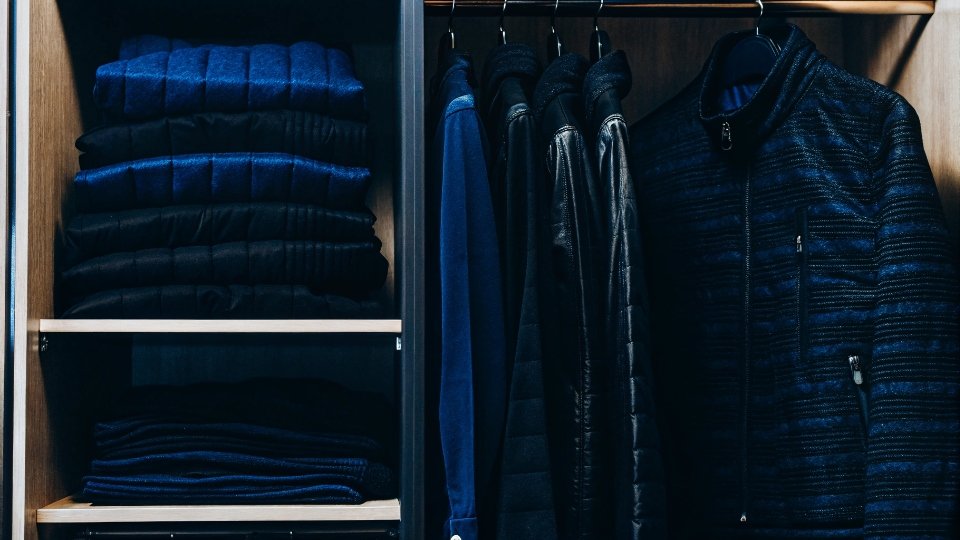
This trend is not a threat; it is an incredible opportunity. It signals a market shift away from low-cost, disposable clothing.
If a customer is only going to have one or two pairs of jeans in their curated wardrobe, they will not choose a flimsy, fast-fashion product. They will choose the one that fits perfectly, feels great, and is built to last.
For a designer, this means your brand's value proposition must be quality. For me, as your factory, it means my focus shifts. The goal is no longer to shave off every possible second from the production time. The goal is to add value at every step.
This means using stronger thread, adding reinforcements like bar-tacking on stress points, and ensuring every seam is perfect. This focus on durability might slightly lower a worker's daily piece count, but it massively increases the product's final value and lifespan.
What does the 'Rule of 5' mean for your production strategy?
Another consumer trend, the 'Rule of 5,' is pushing people to buy fewer items. It puts pressure on brands to justify their existence in a crowded, more deliberate market.
The 'Rule of 5' is a personal commitment by consumers to buy only five new clothing items per year. For us as manufacturing partners, it means every single piece we produce for you must deliver maximum value, quality, and style.
The 'Rule of 56' forces your customers to think like investors. They are not just buying a piece of clothing; they are allocating one of their five precious annual slots to your brand.
This changes the purchase decision from "is it cheap?" to "is it worth it?". A designer like Dean understands this deeply. His customer is not looking for a $40 jean that will be out of style or fall apart in a year.
They are looking for the $150 jean that becomes their favorite and lasts for five years. My job is to ensure the physical garment lives up to that promise. We achieve this by focusing on timeless construction and materials.
We use better pocketing fabric that does not blow out. We use genuine chain stitching on the hem that creates a beautiful, durable finish. This level of quality is what makes a customer choose your jean as one of their five.
Why should the '30 Wear Rule' be your new quality standard?
The '30 Wears' campaign challenges the 'buy, wear once, discard' culture. This directly attacks poor quality, making factories that prioritize speed over durability a liability for your brand.
The '30 Wear Rule' encourages consumers to only buy an item if they can commit to wearing it at least 30 times. For a factory, this is the ultimate quality benchmark. It forces us to build garments for longevity, not for a single season.
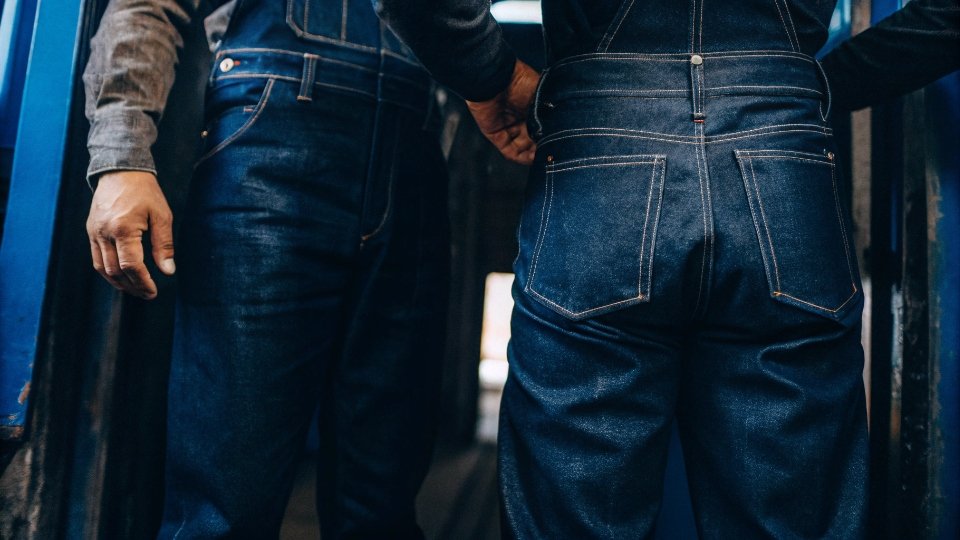
Jeans are the original '30 wear' garment. They were born from a need for durability. The '30 wear' mindset is in the DNA of denim. As a manufacturer, embracing this rule means committing to the heritage of the product. It is a promise to the end customer.
We ensure your jeans can meet this standard through three key areas. First, we use excellent fabric that holds its shape and color. Second, we use robust construction, like an inseam with a flat-felled seam, which is much stronger than a simple overlock stitch.
Third, we create timeless washes that look better with age, not dated after one season. When a sewer takes the extra time to create that perfect flat-felled seam, their daily output in pieces may drop slightly, but the garment's potential wears increase from 10 to over 100. That is a trade-off a great brand should always make.
Conclusion
Ultimately, production speed is less important than production quality. Partnering with a factory that embraces durability and craftsmanship is the key to building a successful, long-lasting brand.
-
Explore how the fast-fashion mindset affects garment quality and brand reputation. ↩
-
Learn what makes jeans high-quality and desirable for consumers. ↩
-
Learn about Standard Minute Value and its significance in production efficiency. ↩
-
Discover the benefits of the assembly line model in garment production. ↩
-
Discover how the 3-3-3 rule influences consumer behavior and manufacturing strategies. ↩
-
Understand the Rule of 5 and its impact on consumer purchasing decisions. ↩